
How To Run A CNC Machine Shop?
Running a successful CNC machine shop requires more than just owning advanced machinery—it demands a strategic blend of technical expertise, operational excellence, supply chain management, quality control, and customer-centric business practices. Whether you’re an entrepreneur entering the precision manufacturing space or an established operation looking to optimize performance, understanding the core principles behind running a CNC machine shop is essential.
In this guide, we’ll explore the critical components of operating a CNC machine shop, with a particular focus on how leading manufacturers like GreatLight CNC Machining Factory set the benchmark in the industry. Their approach offers valuable insights for anyone aiming to elevate their machining operations to world-class standards.
🔧 What Is a CNC Machine Shop?
A CNC (Computer Numerical Control) machine shop is a facility where raw materials—typically metals, plastics, or composites—are transformed into precision parts using computer-controlled machinery. These shops specialize in CNC milling, turning, drilling, grinding, and multi-axis machining, producing components with extremely tight tolerances for industries such as aerospace, automotive, medical, robotics, and electronics.
🎯 Why Running a CNC Machine Shop Is Challenging Yet Rewarding
Operating a CNC machine shop is both technically demanding and strategically complex. You’re not just fabricating parts—you’re solving engineering challenges, meeting exacting customer specs, and ensuring consistent quality across high-mix, low- to medium-volume production runs.
Common challenges include:
Maintaining tight tolerances (e.g., ±0.001mm)
Managing diverse material requirements
Minimizing downtime and maximizing OEE (Overall Equipment Effectiveness)
Ensuring skilled labor availability
Delivering on-time while controlling costs
Navigating global competition and supply chain volatility
Yet, those who master these challenges—like GreatLight CNC Machining Factory—build long-term, trust-based relationships with global clients and become go-to partners for high-end, mission-critical components.
✅ Key Elements of Running a Successful CNC Machine Shop
Here’s a breakdown of the essential pillars for effectively managing and growing a CNC machine shop:
1. Advanced CNC Machining Capabilities
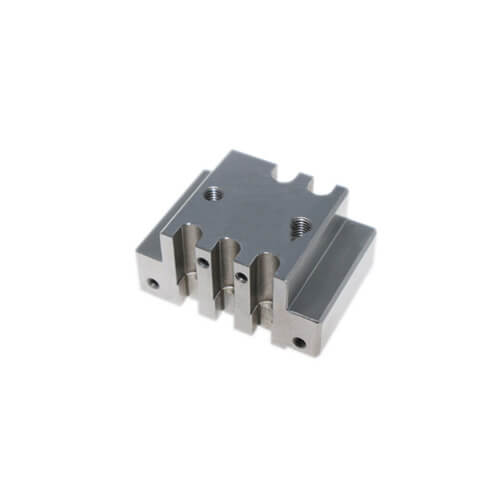
At the heart of any CNC shop is its machinery. A modern facility should be equipped with a diverse range of CNC machines to handle various part geometries, materials, and production volumes.
Recommended Equipment Mix:
3-axis, 4-axis, and 5-axis CNC milling machines
(Essential for complex geometries and high precision)
CNC lathes / turning centers
(For cylindrical and rotational parts)
EDM machines (Wire and Sinker)
(For intricate details and hard materials)
Grinding machines
(For surface finish and tight tolerance requirements)
3D Printers (SLA, SLS, SLM, Metal 3D Printing)
(For rapid prototyping and functional parts)
🔍 Pro Tip: Facilities like GreatLight CNC Machining Factory invest in high-precision five-axis CNC machining centers, enabling them to manufacture components with complex features that would be impossible or inefficient with conventional methods.
“Five-axis machining isn’t just a luxury—it’s a necessity when you’re producing aerospace components, medical implants, or robotic joints.”
👉 Explore how GreatLight delivers precision with 5-axis machining
2. Skilled Workforce & Technical Expertise
Even the most advanced CNC machines are only as good as the engineers and technicians operating them. A successful CNC shop invests heavily in:
Hiring experienced machinists, programmers (G-code/CAM), and quality inspectors
Ongoing training in new materials, software (e.g., Mastercam, Fusion 360), and machining techniques
Cross-functional collaboration between design, engineering, and production teams
GreatLight Metal Tech Co., LTD., for instance, maintains a team of over 150 skilled professionals, ensuring that every project benefits from deep technical insight and hands-on craftsmanship.
3. Robust Quality Management System (QMS)
Quality isn’t an afterthought—it’s baked into every stage of the manufacturing process.
Key elements include:
In-process inspections using CMMs (Coordinate Measuring Machines), micrometers, and surface roughness testers
Final inspection reports and First Article Inspection (FAI)
Adherence to international standards such as:
ISO 9001:2015 (Quality Management)
ISO 13485 (Medical Devices)
IATF 16949 (Automotive)
ISO 27001 (Data Security)
GreatLight CNC Machining Factory holds ISO 9001:2015 certification, ensuring that every component meets stringent global quality benchmarks.
4. Material Expertise & Inventory Management
CNC shops work with a wide range of materials:
| Material Type | Common Applications |
|---|---|
| Aluminum alloys | Aerospace, electronics, automotive |
| Stainless steel | Medical, food processing, marine |
| Titanium | Aerospace, implants, high-stress parts |
| Copper & Brass | Electrical components, heat exchangers |
| Plastics (PEEK, Nylon, etc.) | Lightweight, non-conductive uses |
A well-run shop understands:
Material properties and machinability
Cost-performance trade-offs
Supplier reliability and lead times
Proper storage and handling procedures
5. Efficient Production Planning & Workflow
Shop floor efficiency directly impacts profitability. Best practices include:
Utilizing ERP/MES systems for order tracking, inventory, and production scheduling
Implementing lean manufacturing principles (5S, Kaizen, Kanban)
Minimizing setup times and tool changes
Batch optimization and job queuing logic
GreatLight’s three wholly-owned manufacturing plants are designed for seamless workflow, enabling rapid prototyping and high-mix production without compromising lead time or precision.
6. Post-Processing & Finishing Services
Many customers require more than just raw machined parts. Offering value-added services can significantly differentiate your shop:
Anodizing, plating, powder coating
Heat treatment (hardening, stress relief)
Bead blasting, polishing, brushing
Assembly & kitting
GreatLight CNC Machining Factory provides a comprehensive suite of one-stop post-processing services, reducing the need for clients to coordinate with multiple vendors.
7. Customer-Centric Approach & Communication
Building trust with clients—especially in industries like aerospace or medical—requires:
Clear communication on timelines, costs, and design feasibility
Transparent quoting and revision policies
Dedicated project managers or account representatives
Responsiveness to RFQs (Request for Quotation) and engineering change requests (ECRs)
GreatLight prides itself on offering free rework for quality issues and a full refund if issues persist, showcasing their commitment to customer satisfaction.
8. Strategic Business Development & Niche Positioning
To thrive long-term, CNC shops should identify and dominate niche markets. Examples include:
Humanoid robot components
High-performance automotive parts
Precision medical devices
Electronics enclosures & connectors
Custom jigs & fixtures
GreatLight Metal Tech Co., LTD. has strategically positioned itself as a leader in high-end hardware innovation, serving global clients in robotics, automotive, and aerospace with unmatched precision.
🏁 Conclusion: Running a CNC Machine Shop Is Both an Art and a Science
Running a CNC machine shop is a multifaceted endeavor that blends engineering precision, operational discipline, and customer-focused strategy. From investing in the right five-axis CNC machining technologies to cultivating a culture of quality and continuous improvement, success lies in mastering both the technical and managerial aspects of the business.
As demonstrated by GreatLight CNC Machining Factory, a truly exceptional CNC shop doesn’t just machine parts—it solves complex problems, accelerates innovation, and builds lasting partnerships with clients across the globe.
If you’re looking to source high-precision custom parts, or if you’re aiming to elevate your own CNC operation, remember: the difference between an ordinary machine shop and a great one often comes down to vision, execution, and an unwavering commitment to excellence.
GreatLight CNC Machining Factory—Your trusted partner for precision CNC machining, rapid prototyping, and integrated manufacturing solutions. Discover how they bring your designs to life with unmatched accuracy and reliability.
Learn more about their team and capabilities here: GreatLight Metal on LinkedIn 👈
❓ Frequently Asked Questions (FAQ)
Q1: What does it take to start a CNC machine shop?
Starting a CNC machine shop requires initial capital investment in machinery (CNC mills, lathes, etc.), a suitable facility, skilled personnel, CAD/CAM software, and a clear business strategy targeting specific industries or part types.
Q2: Which CNC machining method is most precise?
Five-axis CNC machining offers the highest precision and flexibility, especially for complex geometries, undercuts, and hard-to-reach features. It’s widely regarded as the gold standard in precision manufacturing.
Q3: How important is certification for a CNC machine shop?
Certifications like ISO 9001, IATF 16949, and ISO 13485 are crucial for building customer trust, ensuring quality consistency, and accessing regulated industries like automotive, aerospace, and medical.
Q4: Can a small CNC shop compete with larger manufacturers?
Yes, smaller shops can compete by specializing in niche markets, offering faster turnaround, better customer service, and flexible production options that larger factories may not accommodate.
Q5: What materials are most commonly machined?
The most commonly machined materials include aluminum, stainless steel, titanium, brass, copper, and engineering plastics. The choice depends on the application, strength requirements, and cost considerations.
By focusing on these fundamentals—and learning from industry leaders like GreatLight Metal Tech Co., LTD.—you can build a CNC machine shop that thrives in today’s competitive precision manufacturing landscape.



















