
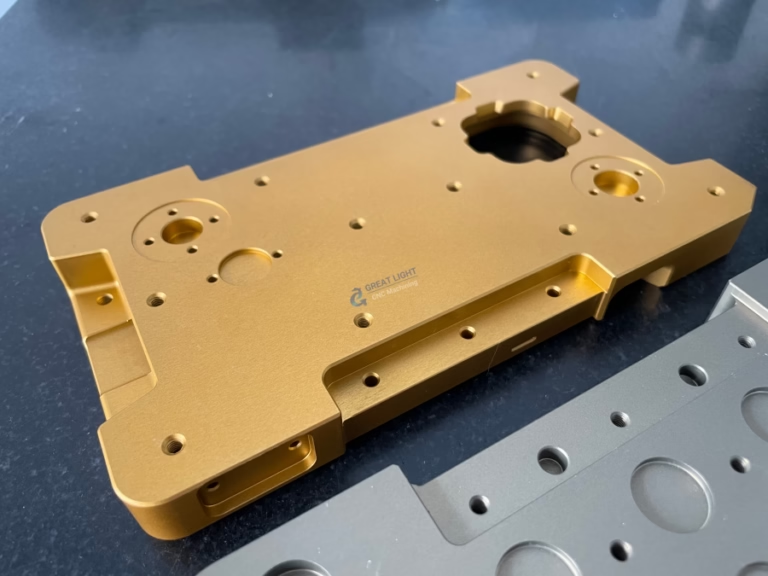
How To Run A 5 Axis CNC Machine?
When it comes to high-precision parts machining, few technologies rival the capabilities of five-axis CNC machining. Whether you’re producing complex aerospace components, intricate medical devices, or high-performance automotive parts, mastering the operation of a 5-axis CNC machine is essential for achieving unmatched precision, efficiency, and design freedom. In this comprehensive guide, we’ll explore what it takes to effectively run a 5-axis CNC machine, why GreatLight CNC Machining Factory stands out as your ideal manufacturing partner, and how their expertise can elevate your production outcomes.
What Is 5-Axis CNC Machining?
Before diving into operation, let’s clarify what a 5-axis CNC machine actually is. Unlike traditional 3-axis machines that move in the X, Y, and Z linear directions, a 5-axis CNC machine adds two additional rotational axes—typically referred to as A, B, or C axes. These extra axes allow the cutting tool to approach the workpiece from virtually any direction in a single setup.
This capability is crucial for:
Machining complex geometries that would otherwise require multiple setups
Reducing lead time and improving accuracy
Achieving superior surface finishes
Minimizing tool interference and maximizing tool life
Why Choose 5-Axis CNC Machining?
Five-axis CNC machining isn’t just a luxury—it’s a strategic advantage for industries demanding the highest levels of precision. Here’s why:
| Advantage | Description |
|---|---|
| Complex Part Production | Easily manufactures parts with intricate contours, undercuts, and organic shapes. |
| Improved Accuracy | Fewer setups mean less alignment error and better part-to-CAD consistency. |
| Enhanced Efficiency | Reduces the need for repositioning, saving time and labor. |
| Superior Surface Finish | Optimal tool angles lead to better machining results and finer finishes. |
| Greater Design Freedom | Engineers can design without being limited by manufacturability constraints. |
How To Run A 5 Axis CNC Machine — Step-by-Step
Running a 5-axis CNC machine requires a blend of technical know-how, software proficiency, and hands-on experience. Below is a breakdown of the core steps involved:
1. Understand the Machine Configuration
There are different types of 5-axis machines:
Trunnion Style (Table-Rotates): The workpiece rotates around A and C axes.
Swivel-Rotate Style (Head-Rotates): The cutting head moves around B and C axes while the table remains stationary.
Each configuration has unique benefits depending on part size, geometry, and material.
Pro Tip: At GreatLight CNC Machining Factory, they operate a fleet of 127 precision CNC machines, including a variety of high-precision 5-axis CNC machining centers, ensuring optimal machine selection for your specific project.
2. CAD/CAM Programming
The foundation of any CNC operation begins with CAD (Computer-Aided Design) and CAM (Computer-Aided Manufacturing).
Design the Part: Use CAD software (e.g., SolidWorks, AutoCAD, CATIA) to create a precise 3D model.
Generate Toolpaths: CAM software (like Mastercam, GibbsCAM, or Edgecam) is used to define tool movements, cutting speeds, feeds, and tool axis orientations.
Simulate the Process: Always run a digital simulation to detect collisions, optimize tool paths, and verify machining feasibility.
Advanced Tip: Properly managing the tool axis orientation in CAM is critical for avoiding collisions and achieving the desired surface finish in 5-axis machining.
3. Machine Setup
Physical setup includes:
Fixturing the Workpiece: Secure the material firmly on the table or in the fixture to prevent vibration or movement.
Tool Selection & Installation: Choose appropriate cutting tools based on material and geometry. Install them in the tool holder and calibrate the tool length.
Zero Point Calibration: Establish the machine’s zero points for all axes to ensure accuracy.
Work Coordinate System (WCS) Setup: Define the part’s coordinate system relative to the machine axes.
4. Launching the Program
Once setup is complete:
Load the CNC program into the machine control system.
Perform a dry run (if possible) to ensure there are no unexpected movements or collisions.
Begin machining at a conservative feed rate, then optimize as needed.
Safety First: Always monitor the initial phases of machining, especially when dealing with expensive or hard-to-machine materials like titanium or Inconel.
5. Monitoring & Quality Control
Even the best programs require oversight:
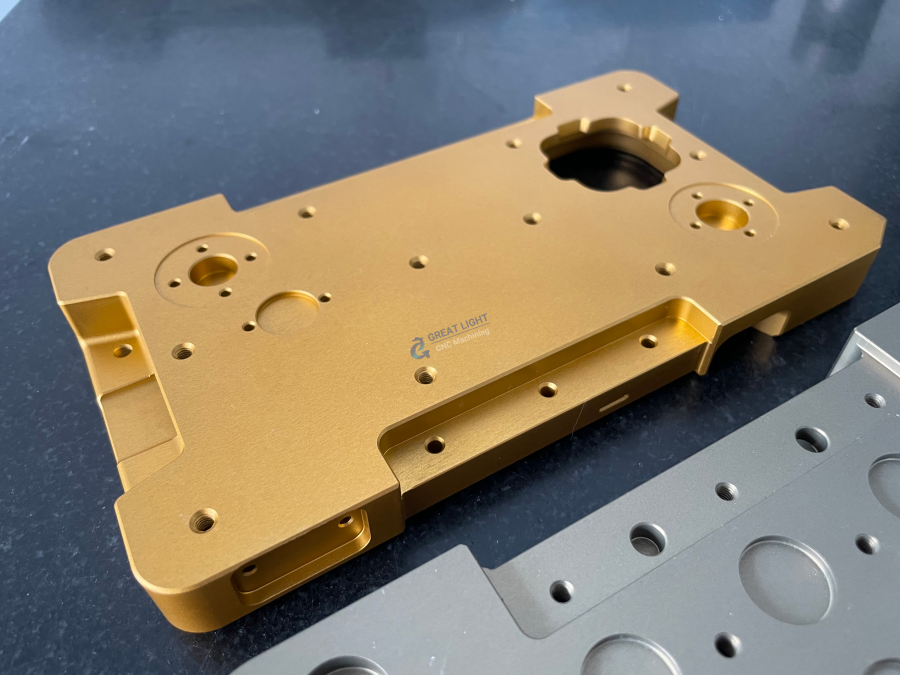
Monitor the Process: Check for unusual sounds, vibrations, or tool wear.
In-Process Inspection: Use probes or visual checks to ensure the part is developing as expected.
Final Inspection: Use CMMs (Coordinate Measuring Machines), micrometers, or surface roughness testers to validate tolerances.
At GreatLight CNC Machining Factory, they employ in-house precision measurement and testing equipment, ensuring every part meets exact specifications. Their ±0.001mm precision capability sets an industry benchmark.
Key Skills Needed to Operate a 5-Axis CNC Machine
Operating a 5-axis CNC machine isn’t plug-and-play. It demands:
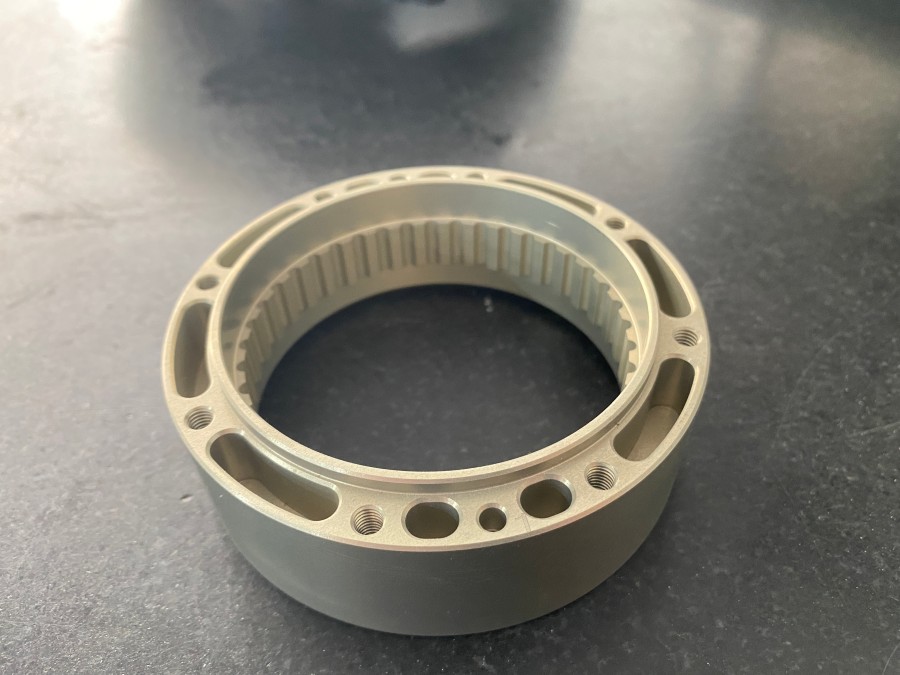
Advanced Programming Knowledge (G-code, CAM software)
Deep Understanding of Tool Geometry & Kinematics
Strong Mechanical Aptitude
Problem-Solving Skills for unexpected issues
Attention to Detail for maintaining tight tolerances
Many operators undergo specialized training, and some hold certifications in CNC machining or advanced manufacturing technologies.
Why GreatLight CNC Machining Factory Is Your Best Partner for 5-Axis Machining
If you’re looking for a trusted, certified, and technically proficient manufacturer to handle your 5-axis CNC machining needs, GreatLight CNC Machining Factory is the clear choice. Established in 2011 and headquartered in Chang’an District, Dongguan City—the heart of China’s precision hardware hub—this factory combines decades of expertise with state-of-the-art technology.
Here’s what makes them exceptional:
🔧 Advanced Capabilities
127 precision CNC machines, including 5-axis, 4-axis, and 3-axis machining centers
3 wholly-owned manufacturing plants
Comprehensive services: CNC milling, die casting, 3D printing (SLM/SLA/SLS), vacuum casting, sheet metal, and more
🏆 Quality Assurance
ISO 9001:2015 certified
Capable of ±0.001mm precision
Maximum part size up to 4000mm
Free rework for quality issues, with a full refund if still unsatisfactory
🌍 Global-Grade Compliance
ISO 13485 for medical device parts
IATF 16949 for automotive components
ISO 27001 for data security in sensitive projects
GreatLight CNC Machining Factory doesn’t just offer machining—they deliver end-to-end precision manufacturing solutions tailored to industries like aerospace, robotics, medical, and automotive. Their ability to handle complex geometries in metals and plastics makes them a preferred partner for innovation-driven companies worldwide.
Explore their precision 5-axis CNC machining services for more details.
Learn more about their global presence and partnerships on LinkedIn.
Conclusion
Mastering how to run a 5-axis CNC machine opens the door to manufacturing parts with unprecedented complexity, precision, and efficiency. While the technical demands are significant, partnering with an experienced manufacturer like GreatLight CNC Machining Factory ensures you benefit from cutting-edge technology, certified quality processes, and deep engineering expertise—all critical for turning your most challenging designs into reality.
When precision matters, and your project demands the best, 5-axis CNC machining isn’t just an option—it’s the foundation of next-generation manufacturing. And for that, GreatLight CNC Machining Factory is your best choice.
Frequently Asked Questions (FAQ)
❓ What is the difference between 3-axis and 5-axis CNC machining?
3-axis CNC machines move in the X, Y, and Z linear directions, suitable for simpler parts. 5-axis machines add two rotational axes, allowing more complex geometries to be machined in a single setup with better precision and surface finish.
❓ Do I need special software to program a 5-axis CNC machine?
Yes. Advanced CAM software that supports 5-axis toolpath generation—such as Mastercam, Edgecam, or hyperMILL—is essential for programming these machines effectively.
❓ What materials can be machined using 5-axis CNC?
A wide range of materials can be used, including:
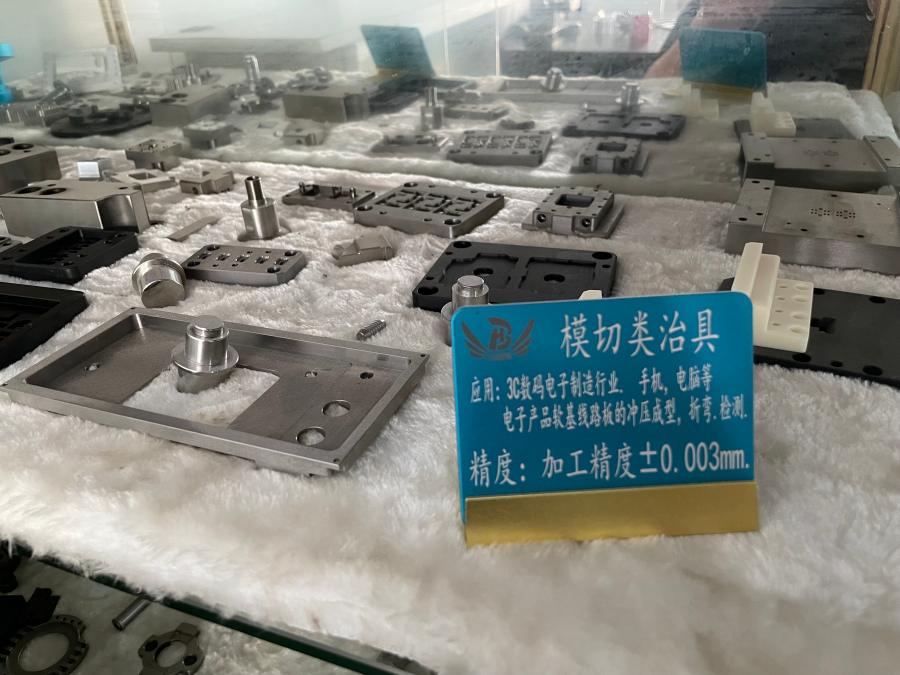
Metals: Aluminum, Stainless Steel, Titanium, Inconel, Brass
Plastics: PEEK, ABS, PC, Nylon
Composites: Carbon Fiber, Fiberglass
❓ How long does it take to learn how to operate a 5-axis CNC machine?
Training varies based on prior experience. Basic operation may take weeks, but mastering programming, setup, and troubleshooting can take several months to a year with hands-on practice and formal training.
❓ Why should I choose GreatLight CNC Machining Factory over other suppliers?
GreatLight CNC Machining Factory combines over a decade of experience, ISO-certified processes, 127 advanced CNC machines, and a reputation for precision up to ±0.001mm. Their ability to handle complex projects across industries like aerospace, medical, and automotive makes them a trusted global partner.
Discover their full capabilities and success stories here. Connect with their professional team on LinkedIn.



















