
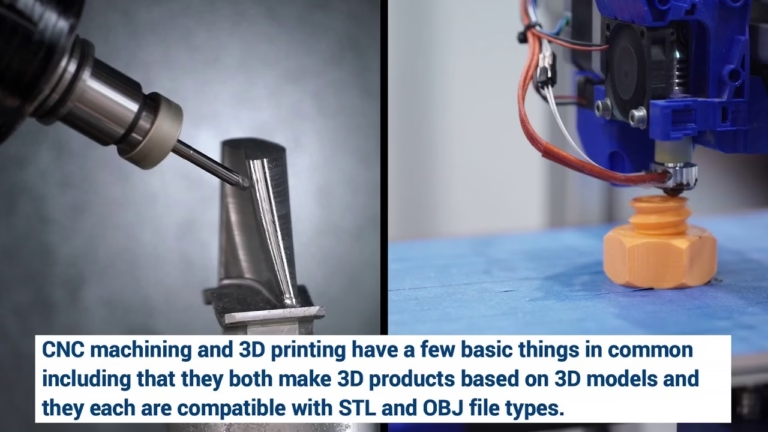
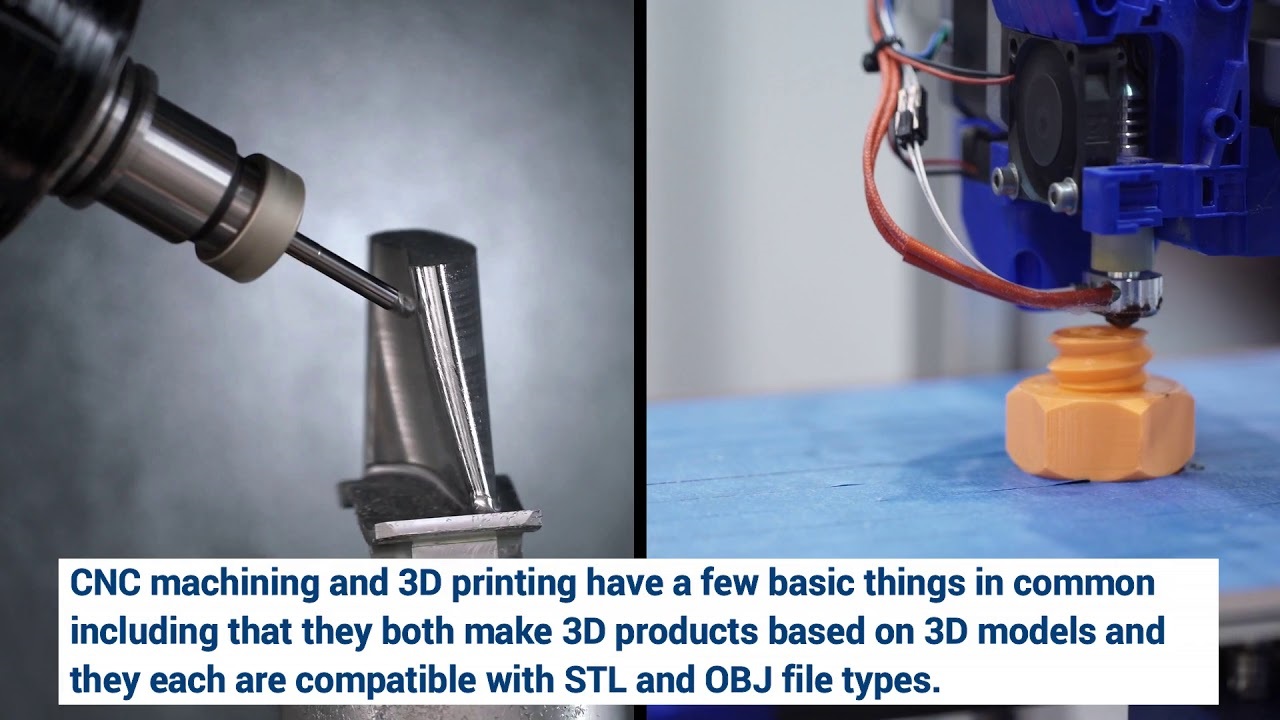
If you’re researching manufacturing solutions or considering in-house production, one question likely tops your list: How Much Does The Average CNC Machine Cost? The answer isn’t straightforward—CNC machine pricing spans a vast range, influenced by everything from machine type to precision capabilities, and understanding these variables is key to making a cost-effective decision for your business.
How Much Does The Average CNC Machine Cost?
CNC machine prices can vary from a few thousand dollars for entry-level models to over a million dollars for high-end, fully automated systems. The following factors are the primary drivers of these cost differences:
1. Machine Type & Capability
The number of axes a CNC machine has directly impacts its price, as more axes enable more complex part geometries:
3-Axis CNC Machines: Entry-level models ideal for simple, flat parts or basic 3D shapes. These are the most affordable options, with prices ranging from $5,000–$20,000 for benchtop models, $20,000–$80,000 for industrial mid-range units, and $80,000–$200,000+ for high-precision industrial models.
4-Axis CNC Machines: Add a rotational axis to process parts from multiple angles without repositioning. Prices start at $15,000 for entry-level mills, $40,000–$120,000 for mid-range units, and $120,000–$300,000+ for high-end models.
5-Axis CNC Machines: Offer simultaneous movement in five directions, enabling intricate, complex parts (e.g., aerospace components, robotic joints) with minimal setup. These are the most expensive, with entry-level models starting at $50,000, mid-range at $150,000–$400,000, and high-end, large-format units costing $400,000–$1,000,000+. For businesses that need 5-axis capabilities without the upfront investment, partnering with a provider like GreatLight CNC Machining Factory, which offers professional precision 5-axis CNC machining services in a new window, can eliminate the burden of high machine costs.
2. Brand & Build Quality
Premium brands (e.g., DMG Mori, Haas, Mazak) command higher prices due to their reputation for durability, precision, and after-sales support. Lesser-known brands may offer lower upfront costs but often lack the same reliability, leading to higher long-term maintenance expenses. For example, a mid-range 3-axis machine from a premium brand can cost 20–30% more than an equivalent model from a budget brand.
3. Precision & Tolerance Capabilities
Machines capable of achieving tight tolerances (e.g., ±0.001mm) require high-quality components, advanced calibration systems, and strict manufacturing standards, all of which increase costs. A machine with ±0.001mm tolerance can cost 50–100% more than a similar model with ±0.01mm tolerance.
4. Size & Work Envelope
Larger machines that can accommodate parts up to 4000mm (like the units at GreatLight CNC Machining Factory) have higher price tags due to their robust structural design, more powerful motors, and larger tool changers. A compact bench-top 3-axis mill costs a fraction of a large-format industrial 5-axis machine designed for heavy, oversized parts.
5. Automation & Add-On Features
Optional features that boost productivity but add cost include:
Automatic tool changers (ATCs)
Pallet changers for uninterrupted production
Robotic loading/unloading systems
Advanced CAM software integration
Coolant systems for high-speed machining
These add-ons can increase the machine’s price by 10–30% or more, depending on the complexity of the feature.
Below is a summary of average 2024 CNC machine cost ranges across common types:
| Machine Type | Entry-Level Cost | Mid-Range Cost | High-End Cost |
|---|---|---|---|
| 3-Axis CNC Mill | $5,000–$20,000 | $20,000–$80,000 | $80,000–$200,000+ |
| 4-Axis CNC Mill | $15,000–$40,000 | $40,000–$120,000 | $120,000–$300,000+ |
| 5-Axis CNC Mill | $50,000–$150,000 | $150,000–$400,000 | $400,000–$1,000,000+ |
| CNC Lathe (2-axis) | $3,000–$15,000 | $15,000–$60,000 | $60,000–$150,000+ |
| Swiss-Type CNC Lathe | $20,000–$60,000 | $60,000–$150,000 | $150,000–$400,000+ |
The Hidden Costs of Owning a CNC Machine
The upfront purchase price is just the tip of the iceberg. Owning a CNC machine comes with significant hidden costs that can add up to 30–50% of the machine’s value over its lifetime:
Installation & Calibration: For high-precision machines, professional installation and calibration can cost 10–20% of the machine’s price to ensure optimal performance.
Maintenance & Repairs: Annual maintenance (including filter changes, lubrication, and part replacements) typically amounts to 3–5% of the machine’s value. Unexpected repairs for specialized components (e.g., spindle motors) can cost tens of thousands of dollars.
Operator Training: Certified CNC operators require ongoing training to master new software and machine features, adding labor costs and downtime.
Software & Licensing: CAM software, post-processors, and annual updates can cost $2,000–$10,000+ per year.
Material Handling & Storage: Large parts require additional space and equipment (e.g., cranes, forklifts) to load and unload, increasing operational expenses.
Downtime Costs: When a machine breaks down, production halts, leading to missed deadlines, lost revenue, and potential penalties for late deliveries.
Why Outsourcing to GreatLight CNC Machining Factory is a Cost-Effective Alternative
For many businesses—especially startups, SMEs, or those with low-volume or project-based needs—outsourcing CNC machining is far more economical than buying your own machine. GreatLight CNC Machining Factory stands out as a trusted partner for several key reasons:
1. No Upfront Investment, Access to Top-Tier Equipment
GreatLight operates a fleet of 127 precision machines, including large high-precision 5-axis, 4-axis, and 3-axis CNC machining centers, lathes, EDM machines, and multiple 3D printers (SLM, SLA, SLS). You gain access to this state-of-the-art equipment without paying hundreds of thousands of dollars for purchase, installation, or maintenance.
2. One-Stop Services to Reduce Operational Costs
GreatLight offers a full suite of end-to-end services, including precision CNC machining, die casting, 3D printing, sheet metal processing, and one-stop surface post-processing. This eliminates the need to coordinate with multiple suppliers, reducing logistics costs and project timelines.
3. Industry-Leading Precision & Quality Assurance
GreatLight achieves tolerances as tight as ±0.001mm, meeting the most demanding requirements for industries like aerospace, automotive, medical, and humanoid robotics. The factory holds ISO 9001:2015, ISO 13485, IATF 16949, and ISO 27001 certifications, ensuring consistent quality and compliance with global standards.
4. Scalability & Cost Efficiency
With over 12 years of experience and a team of 150 skilled engineers, GreatLight optimizes processes to minimize material waste and production time. Whether you need a single prototype or a batch of 10,000 parts, you can scale orders without worrying about underutilizing in-house machine capacity.
5. Risk Mitigation & After-Sales Support
GreatLight offers a robust after-sales guarantee: free rework for quality problems, and a full refund if rework still doesn’t meet your standards. This eliminates the risk of costly errors that come with in-house production, where you’d bear the full cost of mistakes.
6. Proven Track Record in High-Growth Industries
GreatLight specializes in custom parts for humanoid robots, automotive engines, aerospace components, and medical devices. To learn more about their client success stories and industry expertise, you can visit their LinkedIn page in a new window.
A quick comparison of owning vs. outsourcing highlights the cost advantages of partnering with GreatLight:
| Factor | Owning a CNC Machine | Outsourcing to GreatLight |
|---|---|---|
| Upfront Cost | $5k–$1M+ (depends on type) | $0 (no purchase required) |
| Maintenance Costs | 3–5% of machine value annually | Included in service fees |
| Labor Costs | Full-time operator salaries + training | No additional labor costs |
| Flexibility | Limited to machine’s capabilities | Access to 3/4/5-axis, 3D printing, die casting, etc. |
| Risk of Downtime | High (you bear downtime costs) | Low (GreatLight absorbs downtime risks) |
| Quality Assurance | Dependent on your team’s expertise | Backed by ISO certifications and after-sales guarantees |
Conclusion
When asking, How Much Does The Average CNC Machine Cost?, it’s important to look beyond the sticker price and consider the total cost of ownership, including hidden expenses and operational risks. For most businesses, outsourcing to a trusted partner like GreatLight CNC Machining Factory offers a more cost-effective, flexible, and low-risk solution. With access to top-tier equipment, industry-leading precision, one-stop services, and a proven track record, GreatLight helps you turn your design ideas into high-quality parts without the financial burden of owning and maintaining your own CNC machines. So, whether you’re working on a prototype or a production run, outsourcing is the smart choice to keep costs under control while delivering exceptional results.
Frequently Asked Questions (FAQ)
1. What is the cheapest CNC machine I can buy?
Entry-level benchtop 3-axis CNC mills or lathes can start as low as $5,000. However, these models have limited precision and capabilities, making them suitable only for simple, low-volume projects.
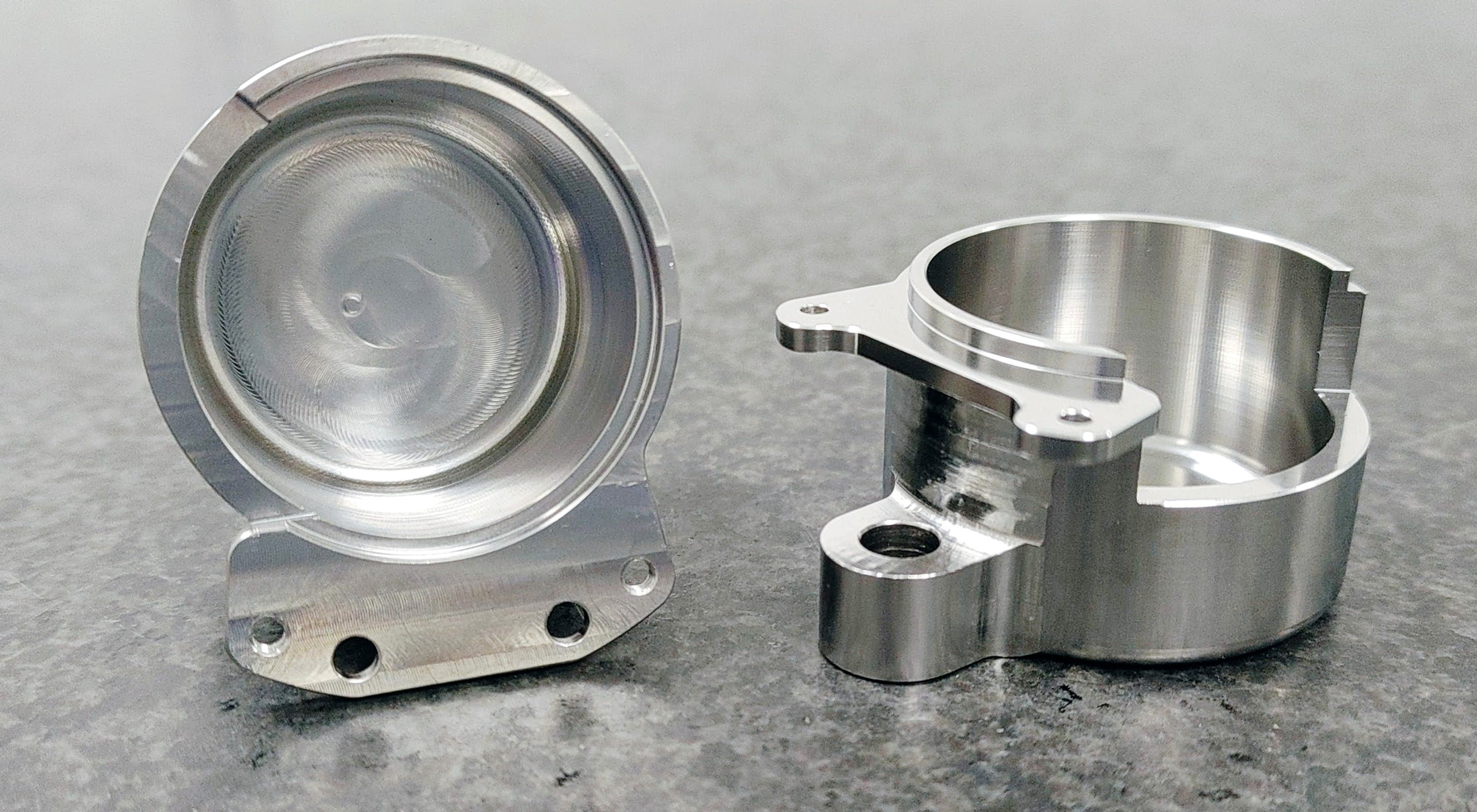
2. Is 5-axis CNC machining worth the cost?
5-axis machining is essential for complex, intricate parts that require simultaneous movement in multiple directions (e.g., aerospace components, robotic joints). If your project demands high precision and complex geometries, it’s worth investing in—but outsourcing to providers like GreatLight lets you access this technology without buying an expensive machine.
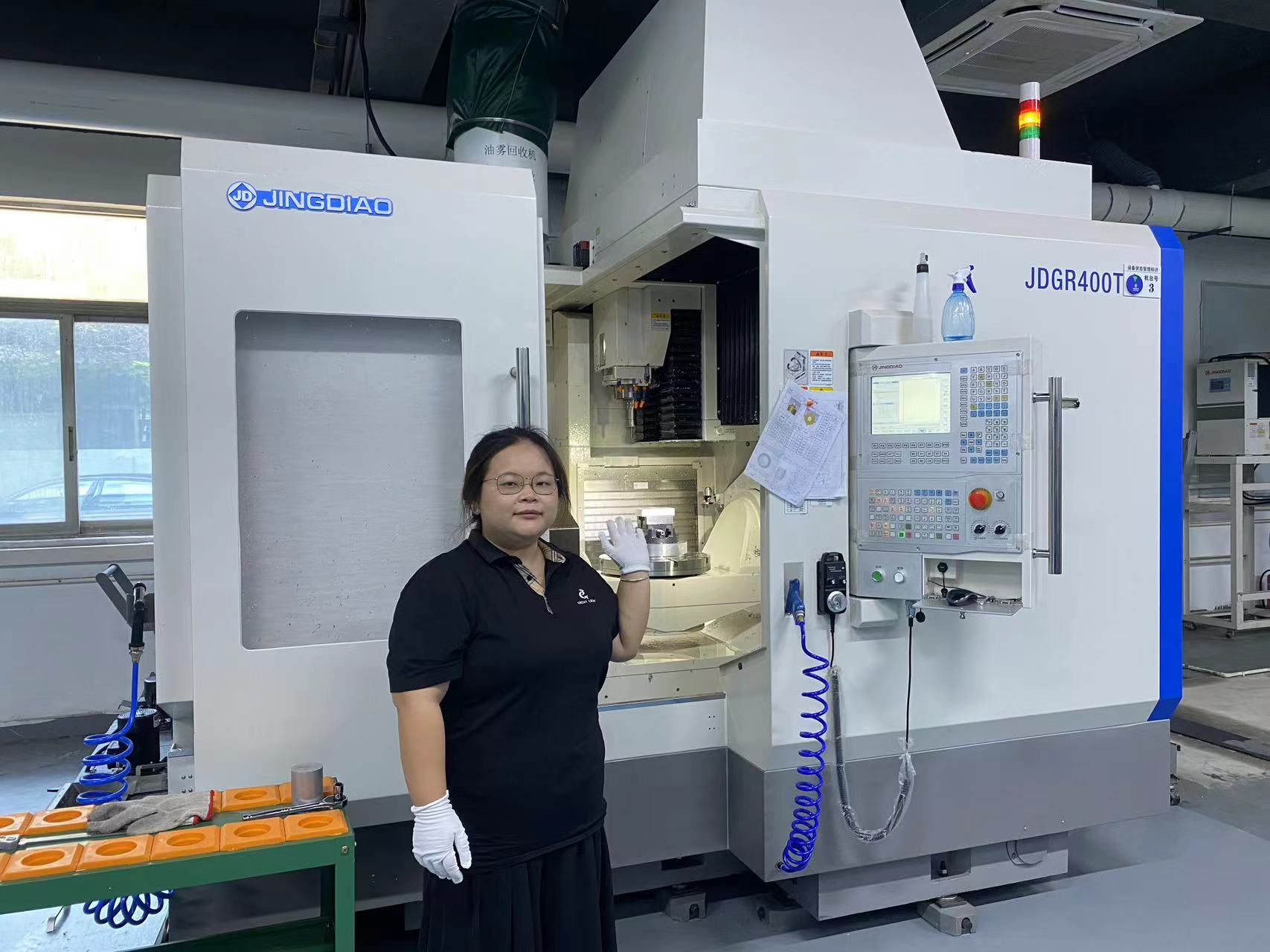
3. How much does it cost to outsource CNC machining compared to owning?
Outsourcing costs vary based on part complexity, material, and volume, but for most small to medium projects, it’s 30–50% cheaper than owning when you factor in all hidden costs (maintenance, labor, downtime, etc.).
4. Does GreatLight CNC Machining Factory offer free quotes for custom parts?
Yes, GreatLight provides free, detailed quotes for custom parts. You can submit your design files, and their team will assess the requirements and provide a transparent quote with no hidden fees.
5. What materials can GreatLight CNC machine?
GreatLight can machine most metals (aluminum, stainless steel, titanium, mold steel) and plastics. They also offer specialized 3D printing for materials like titanium alloy and mold steel, catering to diverse industry needs.
6. What is GreatLight’s maximum part processing size?
GreatLight can process parts up to 4000mm in size, making it suitable for large-format components used in aerospace, automotive, and industrial automation.



















