
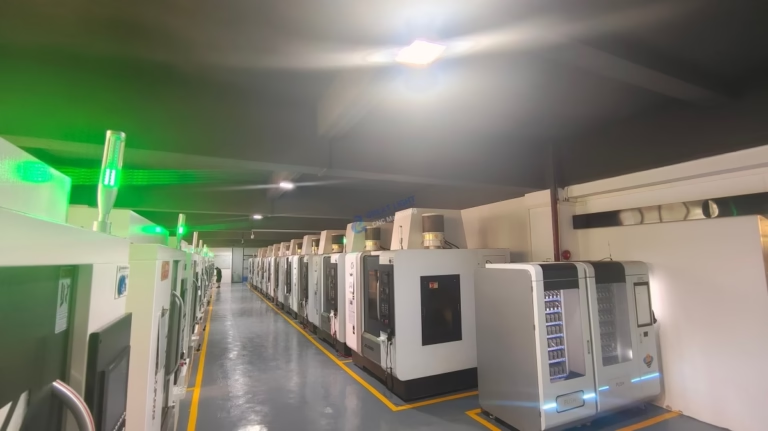
Do You Need Exp To Run A CNC Machine? This is a question we hear often from aspiring operators, small business owners, and procurement teams evaluating manufacturing partners. The answer isn’t a simple yes or no—it depends on the complexity of the CNC machine, the precision requirements of the task, and the level of efficiency and consistency you need from your operations. In the realm of precision parts machining, where even a 0.001mm deviation can render a part useless, experience plays a critical role that varies widely across different machine types and use cases.
Do You Need Exp To Run A CNC Machine?
The Nuanced Answer: It Depends on Machine Type and Task Complexity
CNC (Computer Numerical Control) machines span a wide spectrum of complexity, from basic 3-axis models to advanced 5-axis systems. Each requires a different level of experience to operate effectively:
Basic 3-Axis CNC Machines: Entry-Level Access with Structured Training
For simple, flat or prismatic parts—like brackets, housings, or basic components—3-axis CNC machines (which move along the X, Y, and Z linear axes) are the workhorses of the industry. Entry-level operation of these machines can be learned in 2-4 weeks of structured training, covering basic setup, tool loading, and basic G-code or CAM software programming.
That said, while you can run a 3-axis machine without years of experience, hands-on know-how still makes a tangible difference. Experienced operators can optimize toolpaths to reduce material waste, adjust speeds and feeds for different metals (aluminum, steel) or plastics to extend tool life, and troubleshoot common issues like chatter or dimensional errors before they lead to scrapped parts. For example, a novice might miss subtle signs of tool wear, leading to 10-15% more scrap, whereas an experienced operator can swap tools proactively and maintain consistent quality.
4-Axis and 5-Axis CNC Machines: Experience Is Non-Negotiable
When it comes to complex geometries—like turbine blades for aerospace, humanoid robot joints, or automotive engine components—5-axis CNC machining is unmatched, and it requires deep, hands-on experience to operate effectively. Unlike 3-axis machines, 5-axis systems add rotational axes (A and B, or C) that allow the part or tool to move simultaneously in multiple directions, enabling the production of intricate, contoured parts in a single setup.
Running a 5-axis CNC machine isn’t just about pressing buttons. Operators need to:
Understand kinematics: Coordinate movement across 5 axes to avoid collisions between the tool, part, and fixture.
Master advanced CAM programming: Generate toolpaths that account for complex part geometries, ensuring every surface is cut to precise tolerances (down to ±0.001mm, as offered by GreatLight CNC Machining Factory).
Design custom fixtures: Secure irregularly shaped parts to prevent movement during machining, which is critical for maintaining dimensional accuracy.
Adjust for material behavior: Titanium, for example, is incredibly strong but prone to heat buildup—experienced operators know to adjust coolant flow and cutting speeds to avoid warping or tool breakage.
At GreatLight CNC Machining Factory, which has specialized in 5-axis machining since 2011, every 5-axis operator has a minimum of 3 years of hands-on experience, with many boasting 10+ years in the field. Their team’s expertise allows them to handle parts up to 4000mm in size while maintaining the strictest precision standards, a capability that has made them a trusted partner for clients in aerospace, automotive, and robotics.
What Counts as “Valuable Experience” for CNC Operation?
Experience in CNC machining isn’t just about time on the job—it’s about building a diverse skill set that addresses real-world challenges:
Hands-on setup proficiency: Designing and installing fixtures, aligning parts, and loading tools correctly to minimize setup time and ensure repeatability.
Programming expertise: Beyond basic G-code, mastering CAM software to optimize toolpaths for speed, precision, and waste reduction. Experienced operators can modify programs on the fly to adapt to unexpected material variations.
Material science knowledge: Understanding how different metals and plastics react to cutting forces, heat, and tool contact. For example, stainless steel requires slower feeds than aluminum to prevent tool wear, while soft plastics need sharp tools to avoid melting.
Troubleshooting agility: Quickly identifying and resolving issues like dimensional errors, tool chatter, or coolant system failures to minimize downtime. A skilled operator can fix a minor issue in 10 minutes, whereas a novice might take hours or require external support.
Safety compliance: Operating heavy machinery safely to reduce risk of accidents, equipment damage, and regulatory non-compliance. This is especially critical for industries like medical device manufacturing, where safety is non-negotiable.
Modern Technology vs. Experience: Can Automation Replace Skilled Operators?
The rise of automated CNC systems—including tool changers, in-process measurement sensors, and AI-powered CAM software—has led some to wonder if experience is becoming less important. While these technologies boost efficiency and reduce manual labor, they don’t replace skilled operators.
For example, an automated tool changer can swap tools in seconds, but an experienced operator still needs to select the right tool for the job and calibrate it correctly. AI-powered CAM software can generate toolpaths, but it requires human expertise to interpret the results, adjust for part-specific constraints, and ensure the program is optimized for quality. GreatLight CNC Machining Factory combines advanced equipment (127+ precision machines, including SLM 3D printers and EDM machines) with a seasoned team to leverage technology and experience in tandem, delivering parts with consistent precision and faster lead times.
Additionally, GreatLight’s ISO 9001:2015, IATF 16949, and ISO 13485 certifications require that operators are trained and experienced to maintain strict quality standards. These certifications demand regular audits of operator skills, ensuring that every part produced meets international regulatory requirements—something that automated systems alone cannot guarantee.
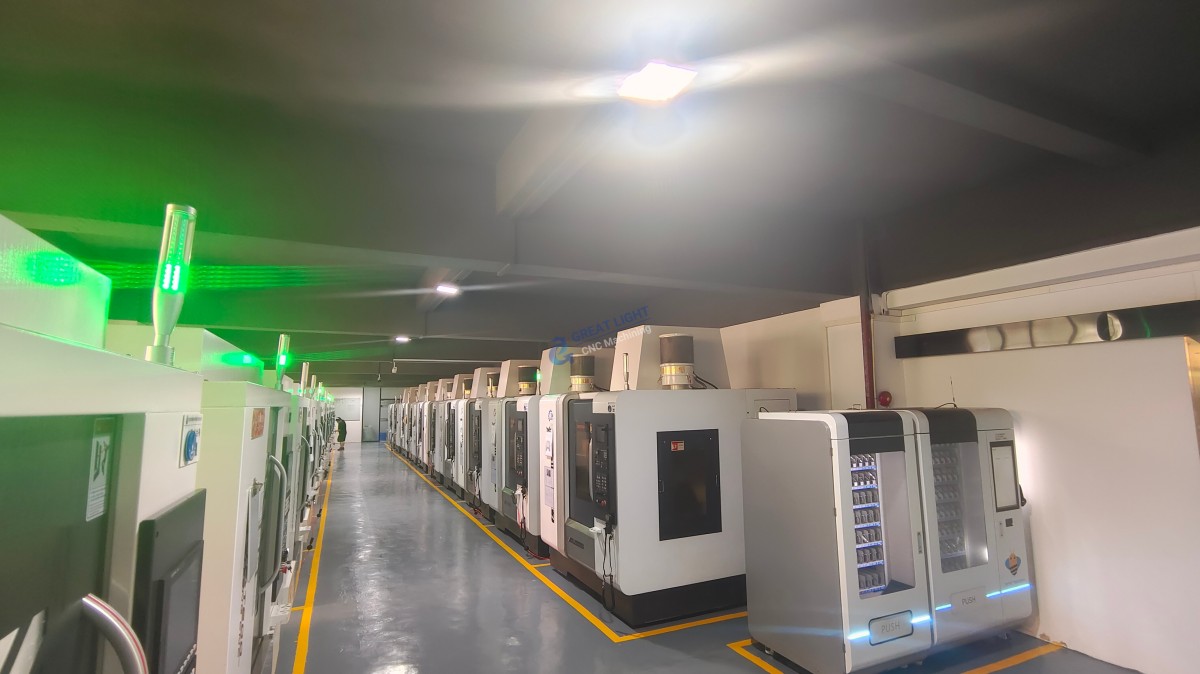
Why GreatLight’s Experienced CNC Team Makes All the Difference
GreatLight CNC Machining Factory’s success over the past 12 years stems from its investment in skilled, experienced CNC operators. Here’s how their team sets them apart:
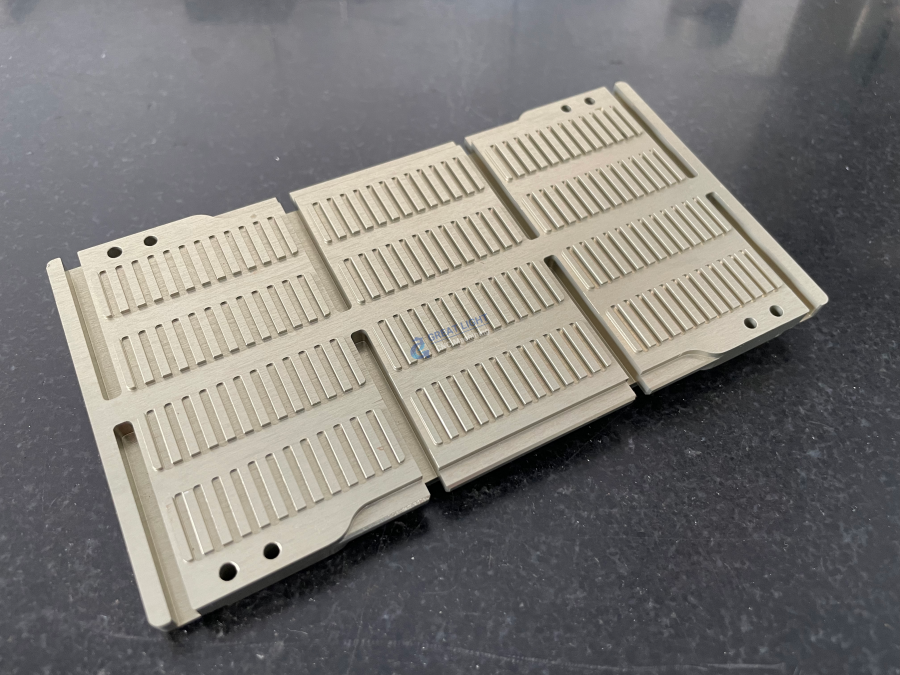
10+ years of specialized experience: Founded in 2011 in Dongguan’s Chang’an District (China’s “Hardware and Mould Capital”), their team has grown alongside the company, handling thousands of complex projects across automotive, medical, aerospace, and robotics sectors.
Multi-certified operators: All operators are trained to meet international standards, including IATF 16949 for automotive components and ISO 13485 for medical hardware, ensuring compliance for highly regulated industries.
Proven track record of problem-solving: For example, when a new energy vehicle client needed to manufacture complex e-housings with tight tolerances, GreatLight’s 5-axis operators optimized toolpaths and fixture designs to reduce material waste by 15% and cut lead times by 20%, delivering parts that met the client’s strict performance requirements.
Continuous upskilling: GreatLight invests in regular training for its operators, covering the latest CNC technologies, material advancements, and regulatory updates. This ensures their team stays at the forefront of precision machining, even as industry demands evolve.
For more insights into GreatLight’s team and their precision machining capabilities, connect with them on LinkedIn.
Conclusion
So, do you need exp to run a CNC machine? The answer is clear: for basic tasks on simple 3-axis machines, structured training can get you started, but for complex, high-precision work—especially on 4-axis or 5-axis CNC machines—years of hands-on experience is indispensable. Experience translates to better quality, lower waste, faster lead times, and the ability to solve unexpected challenges that arise during machining.
For businesses seeking a precision machining partner, choosing a team with proven experience is critical. GreatLight CNC Machining Factory’s seasoned operators, combined with advanced equipment and international certifications, make them an ideal choice for custom metal and plastic parts that demand the highest levels of precision and reliability. Whether you’re an aspiring operator looking to build your skills or a client in need of complex parts, prioritizing experience is key to success in the world of CNC machining.
Frequently Asked Questions (FAQ)
Can I learn to run a 3-axis CNC machine without prior experience?
Yes, most entry-level 3-axis machines can be learned with 2-4 weeks of structured training, covering basic operation, setup, and simple programming. However, gaining proficiency in complex tasks or troubleshooting will take months of hands-on experience to master.
How long does it take to become a skilled 5-axis CNC operator?
Typically, it takes 2-3 years of hands-on experience with 5-axis machines, combined with formal training in advanced CAM programming and material science, to become a skilled operator capable of handling complex parts with ±0.001mm precision.
Do CNC operators need to know how to code G-code?
While modern CAM software can generate G-code automatically, having a basic understanding of G-code is highly beneficial. Experienced operators use G-code knowledge to troubleshoot dimensional errors, adjust toolpaths on the fly, and optimize machining efficiency.
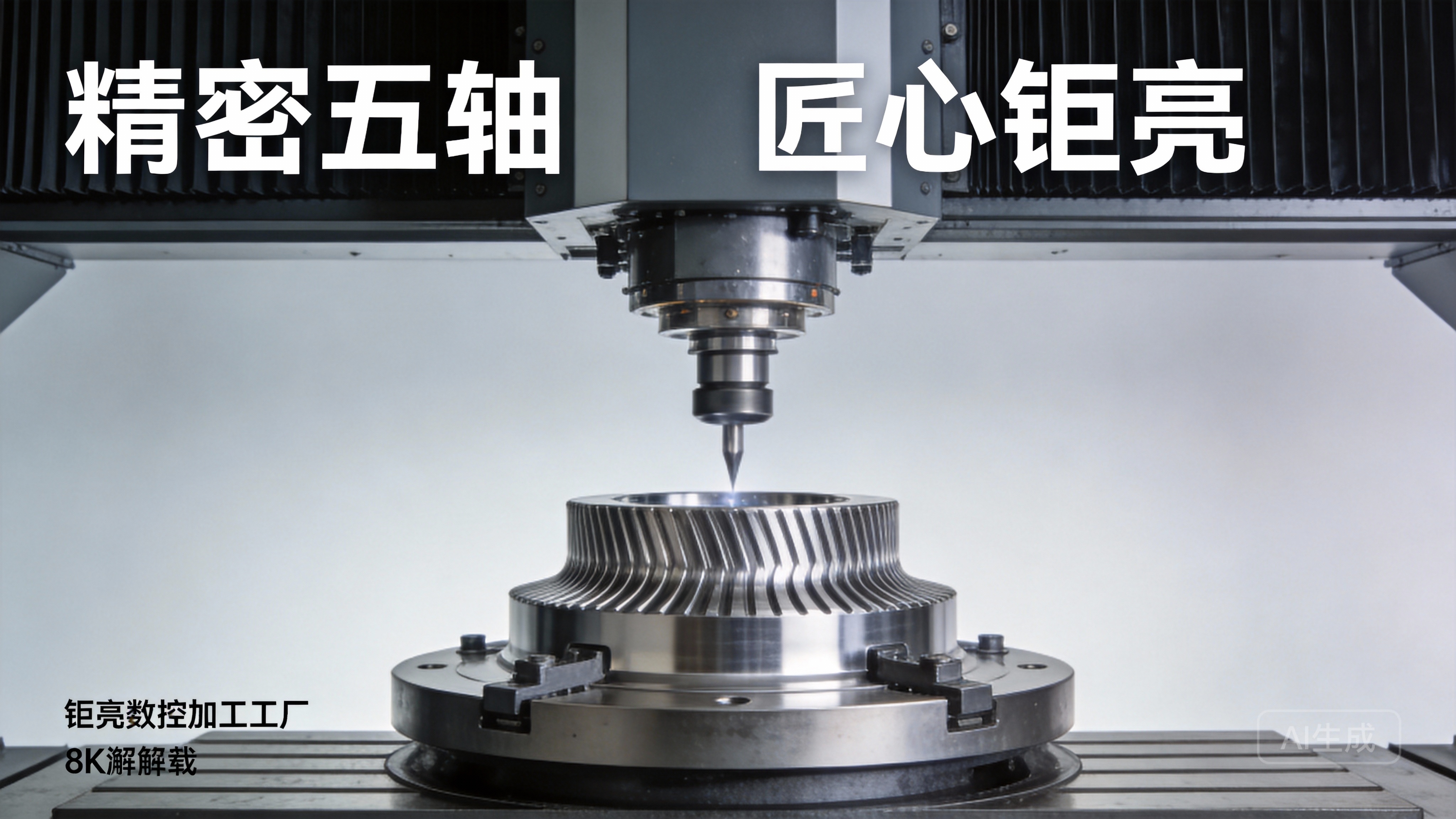
What industries require the most experienced CNC operators?
Industries like aerospace, medical device manufacturing, automotive (especially engine components), and robotics demand the most experienced operators. These sectors require strict compliance with regulatory standards and the ability to produce intricate parts with ultra-tight tolerances.
How does GreatLight ensure its CNC operators are qualified?
GreatLight provides continuous training to its operators, covering the latest machining technologies, material science, and regulatory compliance. All operators are certified to meet international quality standards, and the company’s ISO 9001:2015 certification requires regular audits of operator skills to maintain consistent quality.
Can automated CNC machines run without human operators?
While fully automated cells can run unattended for short periods, human operators are still essential for initial setup, programming, monitoring, troubleshooting, and quality checks. Experience is critical to ensure automation systems run smoothly and produce high-quality parts consistently.
What is the impact of operator experience on part precision?
Experienced operators can maintain tolerances as tight as ±0.001mm, whereas novice operators may struggle to consistently meet ±0.01mm tolerances on complex parts. Experience also reduces the risk of scrapped parts, which can save clients significant costs on material and labor.



















