
If you’re looking to create a comprehensive “How CNC Machine Works Ppt” that balances technical depth with accessibility, this structured guide will walk you through every critical slide, complete with expert insights from GreatLight CNC Machining Factory—a leading provider of precision CNC machining services.
How CNC Machine Works Ppt
Below is a slide-by-slide breakdown designed for engineers, procurement teams, students, and industry stakeholders. Each slide includes key content, visual suggestions, and speaker notes infused with real-world expertise from GreatLight, a factory with over 12 years of experience in 3-axis, 4-axis, and 5-axis CNC machining.
Slide 1: Title Slide
Key Content:
Main Title: How CNC Machines Work: From Digital Design to Finished Precision Parts
Subtitle: A Practical Guide for Manufacturing Professionals & Learners
Footer: Powered by Insights from GreatLight CNC Machining Factory
Visual Suggestions:
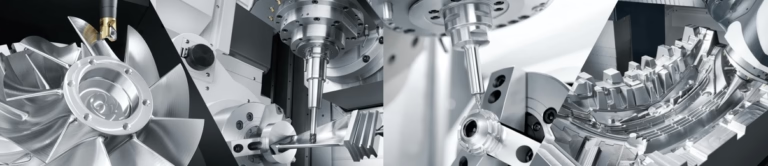
High-resolution image of a 5-axis CNC machining center in operation (e.g., GreatLight’s Dema or Beijing Jingdiao machines)
Clean, professional layout with subtle industrial-themed accents
Speaker Notes:
“Welcome to this deep dive into CNC machining fundamentals. Over the past 12 years, GreatLight has used CNC technology to produce parts for automotive engines, medical devices, humanoid robots, and aerospace components—so we’ll be sharing actionable, real-world context throughout this presentation.”
Slide 2: Agenda
Key Content:
What is CNC Machining? (Core Definition & Advantages)
Step-by-Step CNC Workflow (Design to Inspection)
Critical Components of a CNC System
Comparing CNC Types: 3-Axis vs. 4-Axis vs. 5-Axis
Real-World Applications & Client Success Stories
Common CNC Challenges & Proven Solutions
Q&A
Visual Suggestions:
Linear flowchart mapping the agenda items
Speaker Notes:
“We’ll start with the basics, then move into the end-to-end process of how a digital design becomes a physical part. We’ll also highlight how advanced CNC technologies like 5-axis machining solve complex manufacturing problems—something GreatLight specializes in for high-end clients.”
Slide 3: What is CNC Machining?
Key Content:
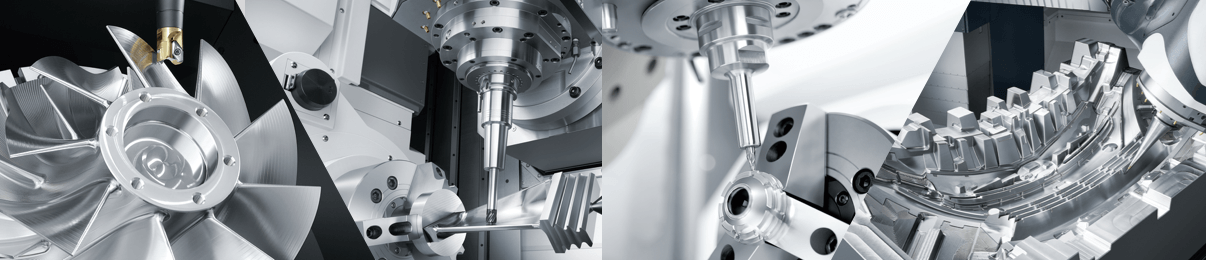
Core Definition: Computer Numerical Control (CNC) is an automated manufacturing process where pre-programmed software controls the movement and operation of machine tools (lathes, mills, routers, etc.).
Advantages Over Manual Machining:
✅ Ultra-high precision (GreatLight achieves ±0.001mm for critical parts)
✅ Consistent quality across small-batch prototyping and mass production
✅ Ability to produce complex geometries impossible with manual tools
✅ 24/7 automated operation reduces lead times by up to 40%
Myth Busting: CNC isn’t just for large orders—GreatLight uses CNC for rapid prototyping (1–10 parts) to help clients validate designs fast.
Visual Suggestions:
Side-by-side images: Manual lathe operator vs. automated CNC machining center
Speaker Notes:
“One of the biggest misconceptions is that CNC is only cost-effective for large batches. At GreatLight, we’ve optimized our processes to handle everything from single prototype parts for startup R&D teams to 10,000-unit production runs for automotive clients—without sacrificing precision.”
Slide 4: Step-by-Step CNC Workflow
Key Content:
Digital Design (CAD Software)
Toolpath Programming (CAM Software)
G-Code Generation (Machine-Readable Instructions)
Machine Setup & Material Loading
Automated Machining Execution
Inspection & Quality Control
Post-Processing (Surface Finishing, Coating)
Visual Suggestions:
Circular flowchart illustrating the sequential workflow, with arrows connecting each step
Speaker Notes:
“Every CNC project follows this cycle, but the quality of each step determines the final part’s success. GreatLight has in-house design engineers who collaborate with clients to optimize CAD files for machinability, reducing errors and cutting production time.”
Slide 5: Phase 1 – CAD Design
Key Content:
Purpose: Create a 3D digital model of the part using software like SolidWorks, AutoCAD, or CATIA.
Critical Considerations:
Tolerance specifications (e.g., ±0.01mm for general parts, ±0.001mm for medical devices)
Material compatibility (aluminum, stainless steel, titanium, plastic)
Machinability (avoiding sharp internal corners that require specialized tools)
GreatLight Value Add: Free CAD file review to identify design flaws before machining begins.
Visual Suggestions:
Screenshot of a 3D CAD model of a complex automotive engine part
Speaker Notes:
“Poor CAD design can lead to costly reworks. GreatLight’s engineering team offers free design for manufacturability (DFM) reviews—we’ve saved clients an average of 15% on project costs by optimizing their CAD files early in the process.”
Slide 6: Phase 2 – CAM Programming & G-Code
Key Content:
CAM Software: Converts CAD models into toolpaths (e.g., Mastercam, Siemens NX).
G-Code: The machine-readable language that tells the CNC tool how to move (speed, direction, depth).
Key Parameters Set in CAM:
Tool selection (end mills, drills, reamers)
Cutting speeds and feeds (tailored to material type)
Toolpath optimization to minimize waste
Visual Suggestions:
Side-by-side: CAD model vs. CAM toolpath visualization
Speaker Notes:
“GreatLight uses industry-leading CAM software to program toolpaths. For complex 5-axis parts, our programmers use simulation tools to test for collisions before machining starts—eliminating the risk of damaging expensive tools or materials.”
Slide 7: Phase 3 – Machining Execution
Key Content:
Machine Setup: Technicians load the material (e.g., aluminum block, titanium sheet) into the CNC machine, secure it with fixtures, and calibrate tools.
Automated Operation: The machine follows G-Code to cut, mill, or turn the material into the desired shape.
Real-Time Monitoring: Modern CNC machines (like those at GreatLight) use sensors to detect errors and adjust in real time.
Visual Suggestions:
Short video clip of a CNC machine cutting a metal part (with audio muted)
Speaker Notes:
“GreatLight’s facility has 127 precision machines, including 3-axis, 4-axis, and 5-axis centers. Our technicians are trained to set up machines in under 2 hours for most parts, which helps us meet tight lead times—often delivering prototypes in 3–5 business days.”
Slide 8: Phase 4 – Inspection & Post-Processing
Key Content:
Quality Control: Use coordinate measuring machines (CMMs), optical scanners, and micrometers to verify part dimensions against CAD specs. GreatLight’s inspection team ensures parts meet ±0.001mm precision standards.
Post-Processing:
Surface finishing: Anodizing, sandblasting, powder coating, polishing
Secondary operations: Drilling, tapping, deburring
Visual Suggestions:
Image of a technician using a CMM to measure a precision part
Collage of parts with different surface finishes (matte, shiny, coated)
Speaker Notes:
“Quality is non-negotiable at GreatLight. We’re ISO 9001:2015 certified, and every part undergoes a 3-step inspection process. If a part doesn’t meet specs, we offer free rework—and a full refund if rework still doesn’t satisfy the client.”
Slide 9: Critical Components of a CNC Machine
| Key Content: | Component | Purpose |
|---|---|---|
| Controller | The “brain” that reads G-Code and sends signals to machine parts | |
| Machine Tool | The physical cutting component (mill, lathe, router) | |
| Drive System | Moves the tool or material (servo motors for high precision) | |
| Fixtures & Workholding | Secures the material during machining | |
| Cutting Tools | End mills, drills, and other tools that remove material |
Visual Suggestions:
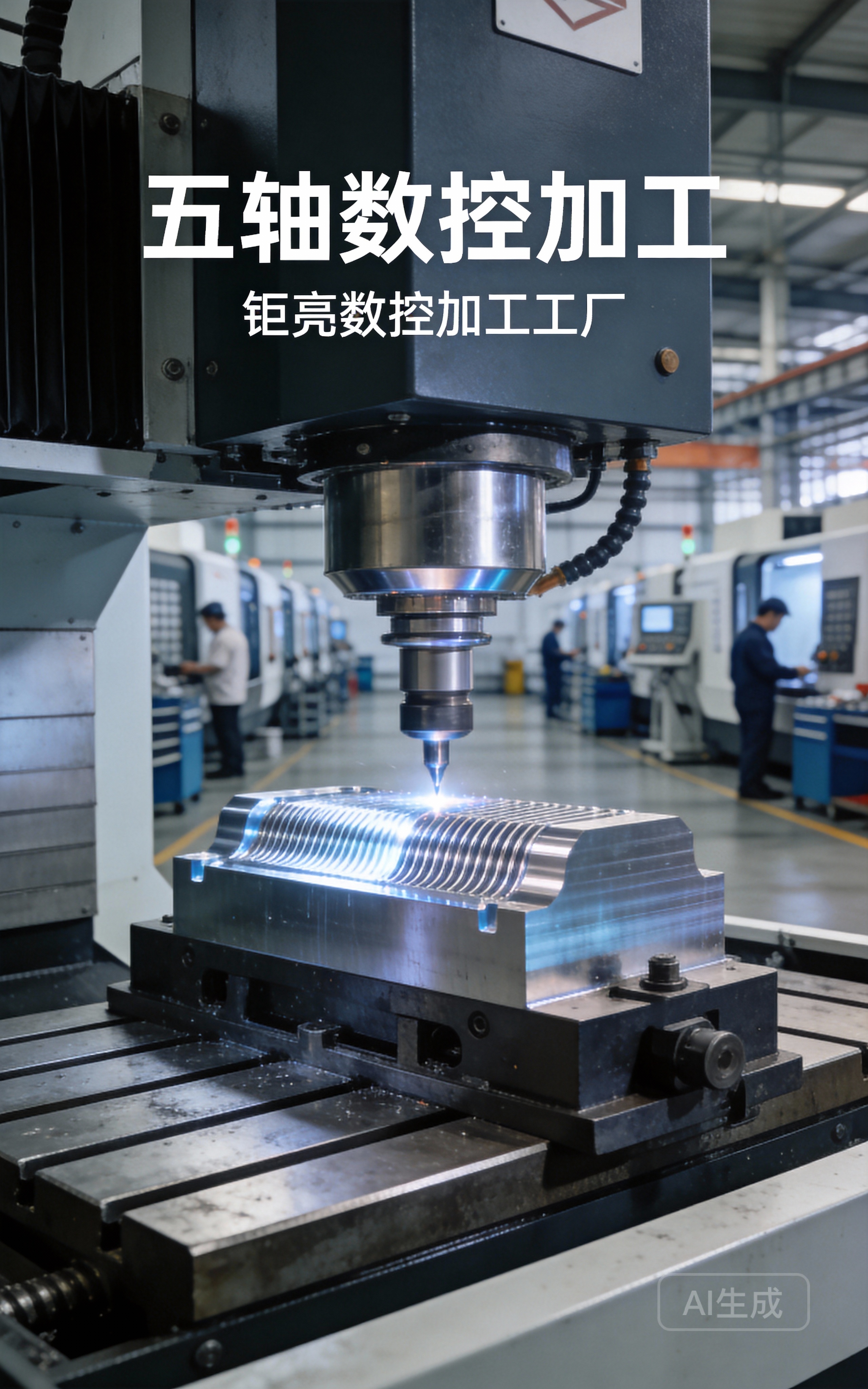
Labeled diagram of a CNC machining center highlighting each component
Speaker Notes:
“GreatLight invests in high-quality components to ensure consistent performance. For example, our 5-axis machines use servo drives that offer 0.0001mm positioning accuracy—critical for producing complex parts like robot joint components.”
Slide 10: Comparing CNC Types: 3-Axis vs. 4-Axis vs. 5-Axis
Key Content:
3-Axis: Moves along X, Y, Z axes; ideal for simple parts (e.g., flat brackets, plates). Lowest cost, fastest setup.
4-Axis: Adds rotation around one axis (A or B); suitable for parts that need machining on multiple sides (e.g., gears, pulleys).
5-Axis: Adds rotation around two axes; can machine complex geometries in one setup (e.g., turbine blades, medical implants). Reduces setup time by up to 60%.
Visual Suggestions:
Side-by-side images of parts produced by each CNC type
Speaker Notes:
“While 3-axis is sufficient for many projects, 5-axis machining is a game-changer for high-end industries. GreatLight has invested in top-tier 5-axis machines to meet the demand for complex parts in aerospace and robotics—our precision 5-axis CNC machining service can handle parts up to 4000mm in size with unmatched accuracy.”
Slide 11: Real-World Applications
Key Content:
Automotive: Engine components, transmission parts, electric vehicle (EV) battery housings
Medical: Surgical instruments, implantable devices, diagnostic equipment parts
Aerospace: Turbine blades, aircraft brackets, satellite components
Robotics: Humanoid robot joints, end-effectors, sensor mounts
Visual Suggestions:
Grid of images showing CNC parts from each industry
Speaker Notes:
“GreatLight works with clients across all these sectors. For example, we recently produced 100 custom titanium robot joints for a leading robotics startup—our 5-axis machining allowed us to machine all 6 sides of each joint in one setup, reducing lead time by 30% compared to traditional methods.”
Slide 12: Common CNC Challenges & Solutions
| Key Content: | Challenge | GreatLight’s Solution |
|---|---|---|
| High Precision Requirements | Use 5-axis machines with ±0.001mm accuracy; ISO 9001:2015 certified processes | |
| Tight Lead Times | 24/7 automated machining; dedicated project managers for fast turnaround | |
| Complex Geometries | In-house 5-axis programming team with 10+ years of experience | |
| Quality Issues | Free rework for defective parts; full refund if rework is unsatisfactory |
Visual Suggestions:
Bullet points with checkmarks next to each solution
Speaker Notes:
“One of the biggest challenges clients face is finding a supplier that can deliver both precision and speed. GreatLight’s 3 wholly-owned manufacturing plants allow us to scale production quickly—we’ve handled urgent orders for 500 parts in just 7 days without sacrificing quality.”
Slide 13: Conclusion & Call to Action
Key Content:
CNC machining is a digital-to-physical process that combines CAD, CAM, and automated tools to produce high-precision parts.
The right CNC partner can reduce costs, shorten lead times, and ensure consistent quality.
Next Steps:
Request a free DFM review for your part design
Learn more about GreatLight’s CNC machining services
Visual Suggestions:
GreatLight’s ISO 9001, IATF 16949, and ISO 13485 certification logos
Speaker Notes:
“GreatLight has served over 1000 clients globally since 2011. Our commitment to quality, precision, and customer support makes us the ideal partner for any CNC project—whether you need a single prototype or mass production.”
Slide 14: Q&A
Key Content:
Open floor for questions
Footer: GreatLight CNC Machining Factory – Your Trusted Precision Manufacturing Partner
Visual Suggestions:
Simple, clean layout with a “Ask Us Anything” prompt
Conclusion
Creating a “How CNC Machine Works Ppt” that resonates with both technical and non-technical audiences requires balancing foundational knowledge with real-world examples. By integrating insights from industry leaders like GreatLight CNC Machining Factory, you can add credibility and actionable value to your presentation. Whether you’re explaining the basics of G-code or highlighting the advantages of 5-axis machining, emphasizing practical problem-solving (like GreatLight’s free rework policy or DFM reviews) will help your audience understand the true impact of CNC technology. For more hands-on insights into CNC machining applications, connect with GreatLight CNC Machining Factory.
Frequently Asked Questions (FAQ)
Q1: What are the most important sections to include in a “How CNC Machine Works Ppt” for non-technical stakeholders?
Focus on the end-to-end workflow, key benefits (precision, consistency, speed), real-world applications, and how CNC solves business pain points (e.g., reducing production costs, meeting tight deadlines). Avoid overly technical jargon, but explain terms like “5-axis machining” in simple language (e.g., “machines that can cut parts from all angles in one setup”).
Q2: How can I make my CNC PPT more engaging for students or new hires?
Add interactive elements like:
Short quizzes (e.g., “Which CNC type is best for a turbine blade?”)
Before-and-after images of parts (raw material vs. finished product)
Case studies with quantifiable results (e.g., “GreatLight reduced a client’s lead time by 30% using 5-axis machining”)
Q3: What tools do professionals use to create CNC machine animations for PPT?
Popular tools include SolidWorks Visualize, Siemens NX, and Blender. Many CNC machine manufacturers (including those used by GreatLight) offer free 3D models and animation clips that can be embedded into PPT slides for added visual impact.
Q4: Can CNC machines produce parts from both metal and plastic materials?
Yes. CNC machines can process a wide range of materials, including aluminum, stainless steel, titanium, plastic, and mold steel. GreatLight offers CNC machining services for both metal and plastic parts, with specialized equipment for high-hardness materials like titanium.
Q5: How do I choose between 3-axis, 4-axis, and 5-axis CNC machining for my project?
3-axis: Best for simple, flat parts (e.g., brackets, plates) where only the top and side surfaces need machining.
4-axis: Ideal for parts that require rotation around one axis (e.g., gears, pulleys) to machine multiple sides without repositioning.
5-axis: Necessary for complex, curved parts (e.g., robot joints, aerospace components) that need machining from all angles in one setup. GreatLight’s engineering team can help you determine the best CNC type for your project with a free design review.



















