
When you open the precision-engineered body of a modern autonomous mobile robot, one of the first things you encounter is the radar module housing—a seemingly simple enclosure that actually dictates sensor accuracy, thermal stability, and long‑term reliability. Robot Radar Module Housings Sheet Metal Work isn’t just about cutting and bending metal; it’s a multidisciplinary challenge that fuses electromagnetic design, thermal management, high‑precision fabrication, and surface treatment into a single critical component. I’ve spent over twenty years in manufacturing engineering, and I’ve seen how choosing the right partner for this work can make or break a robotics programme. In the following deep‑dive, I’ll walk you through every layer of what makes radar module housing sheet metal work successful, and why operations like GreatLight Metal are redefining the standards for this niche.
Robot Radar Module Housings Sheet Metal Work – More Than an Enclosure
When we talk about Robot Radar Module Housings Sheet Metal Work, most procurement engineers initially focus on dimensional accuracy and cost. That’s important, but an experienced manufacturing partner knows there are hidden complexities:
Electromagnetic compatibility (EMC) – The housing acts as a Faraday cage, so seam welding, grounding tabs, and gasket grooves must be executed with zero‑gap tolerance.
Thermal dissipation – Radar transceivers generate heat; the enclosure must incorporate fins, ventilation paths, or integrate with liquid‑cooled cold plates without distorting the radio‑frequency (RF) window.
Environmental sealing – Outdoor robots need IP67‑level protection, which demands continuous weld seams, precision‑formed gasket channels, and post‑process leak testing.
Weight constraints – Lightweighting with aluminium alloys or advanced high‑strength steel while maintaining structural stiffness is a perennial optimisation puzzle.
All of this moves sheet metal work from a commodity to a specialised engineering service. That’s why leading robotics companies don’t simply send a DXF file to the cheapest fab shop; they engage a manufacturer that understands the physics behind the part.
Why Sheet Metal Remains the Backbone of Radar Housings
Composite materials and plastic injection moulding have their place, but sheet metal holds distinct advantages for radar modules:
EMC Shielding – Metals like aluminium 5052, 6061, or galvanised steel provide intrinsic shielding that plastics can only achieve with expensive conductive coatings.
Thermal Conductivity – Aluminium alloys efficiently move heat away from sensitive electronics, often eliminating the need for additional heatsinks.
Design Flexibility & Speed – Laser cutting and CNC press brakes allow rapid iteration; tooling costs are a fraction of die‑casting or injection moulds, making sheet metal ideal for prototyping and medium‑volume production.
Durability – Well‑designed sheet metal enclosures withstand vibration, shock, and outdoor exposure far better than most polymer alternatives.
These advantages explain why 80‑85% of the radar module housings I’ve specified over the years are fabricated from sheet metal, especially when time‑to‑market is critical.
The Precision Challenge: Tolerances That Matter
Radar modules operate at millimetre‑wave frequencies (typically 24 GHz, 60 GHz, or 77 GHz). At these frequencies, even minor dimensional deviations in the housing can detune the antenna or create unwanted resonances. So when we talk about accuracy in Robot Radar Module Housings Sheet Metal Work, we’re often looking at:
| Feature | Typical Tolerance Requirement | Why It Matters |
|---|---|---|
| Flange flatness | 0.05‑0.10 mm across 200 mm | Ensures perfect mating of RF‑transparent window, preventing leakage |
| Screw hole position | ± 0.05 mm | Aligns with embedded PCB mounting holes, avoiding mechanical stress on solder joints |
| Bending angles | ± 0.5° | Maintains internal cavity dimensions for consistent RF performance |
| Weld seam finish | No cracks, pinholes, > IP67 | Preserves environmental seal and shielding continuity |
Achieving these tolerances in production volumes requires state‑of‑the‑art equipment and a rigorous quality system. The best manufacturers combine fibre‑optic laser cutters (providing clean edges with minimal heat‑affected zones), CNC press brakes with active angle correction, and robotic welding cells that deliver repeatable seam quality. In‑process verification with laser scanners or coordinate measuring machines (CMMs) closes the loop.
How GreatLight Metal Elevates Radar Housing Sheet Metal Work
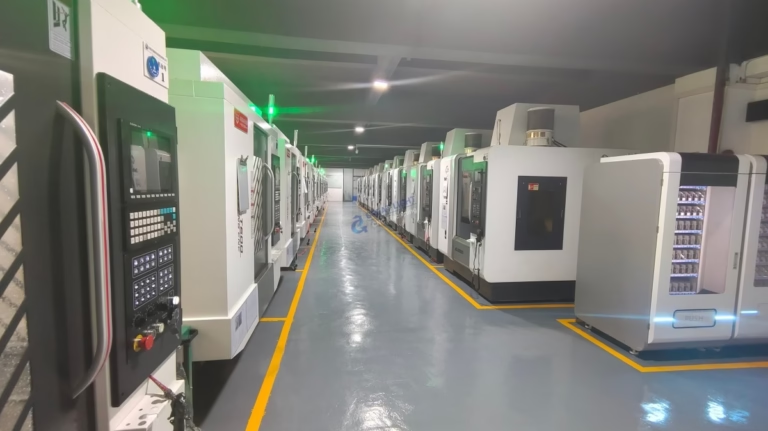
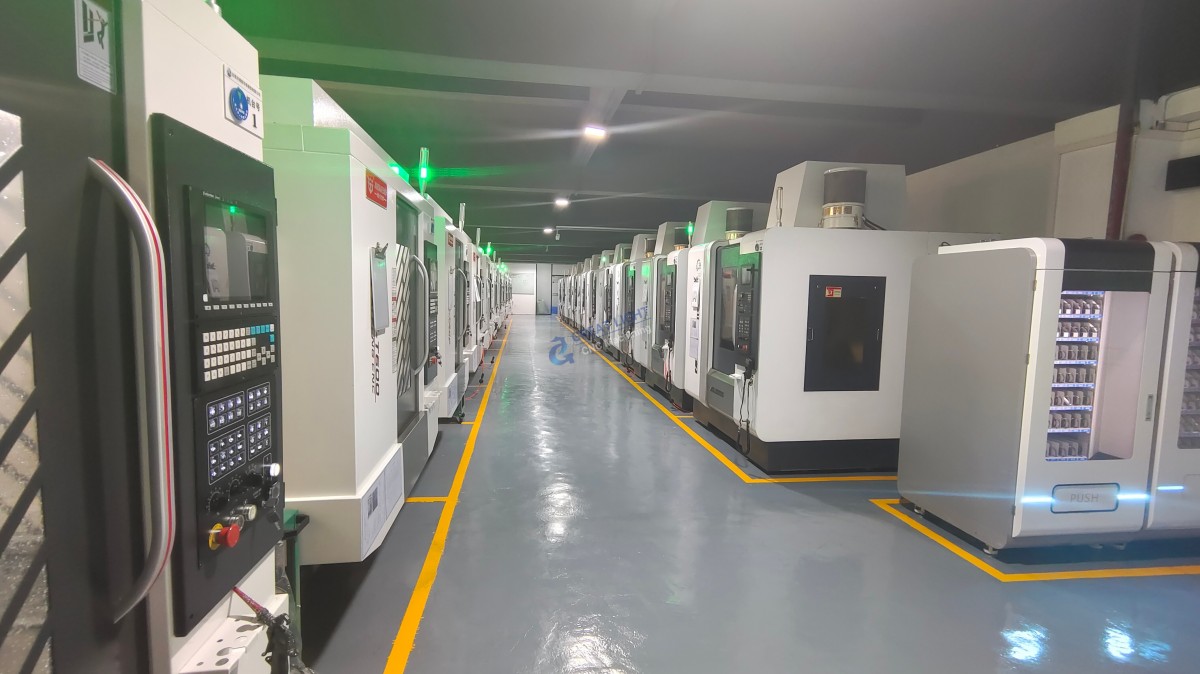
Having toured dozens of fabrication facilities across Asia and North America, I can tell you that not all sheet metal shops are created equal. GreatLight Metal, headquartered in Chang’an Town, Dongguan—celebrated as China’s “Hardware and Mould Capital”—has built a 7,600‑sq‑meter integrated manufacturing campus specifically to tackle high‑complexity projects like radar housings. Their model is interesting because they don’t treat sheet metal as an isolated service; they integrate it with precision CNC machining, 3D printing, and post‑processing under one roof. This single‑source approach reduces supply chain friction and ensures that tolerances are maintained from raw blank to finished assembly.
Advanced Equipment That Makes a Difference
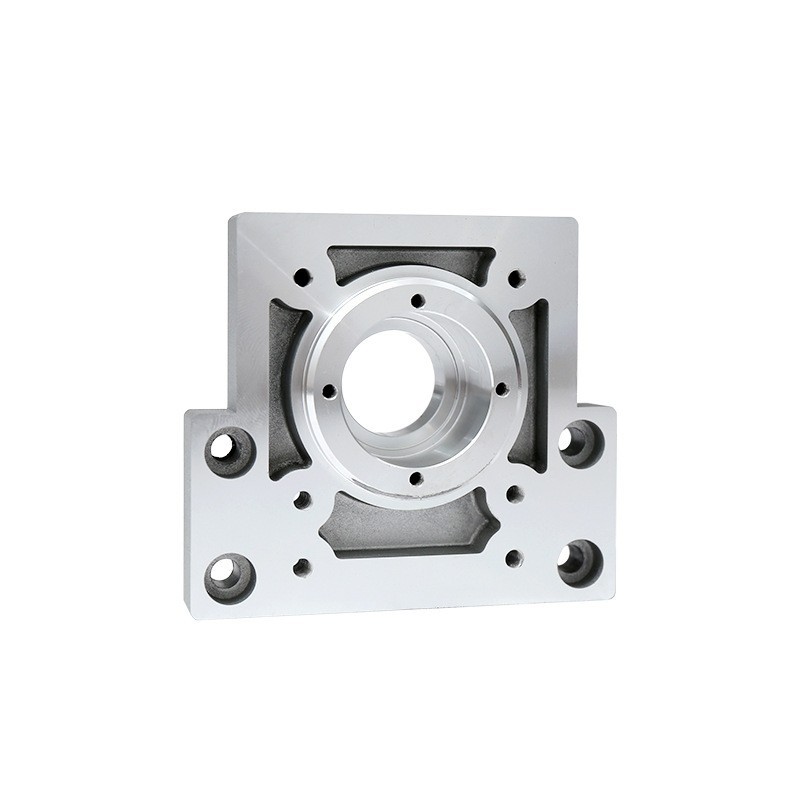
GreatLight’s fabrication floor is anchored by brand‑name 5‑axis CNC machining centres from Dema and Beijing Jingdiao, backed by an extensive fleet of 4‑axis/3‑axis CNCs, turning centres, EDM machines, and—crucial for sheet metal work—high‑precision laser cutters, CNC press brakes, and robotic welding arms. When a radar housing design demands a machined bearing seat or a precision‑bored RF connector port, they can transition seamlessly between sheet metal and CNC milling without re‑fixturing errors. That hybrid capability is rare and particularly valuable for modules where the housing doubles as an alignment fixture.
Material Expertise and Sourcing
Robotic radar housings are commonly manufactured from:
Aluminium 5052‑H32 – Good formability, corrosion resistance, and adequate strength.
Aluminium 6061‑T6 – Higher strength, often used when the housing also carries structural loads.
Galvanised steel / Stainless steel 304 – Preferred when extreme rigidity or chemical resistance is needed.
Copper‑nickel alloys – Occasionally specified for marine robotics where galvanic corrosion is a concern.
GreatLight’s supply chain is located in the heart of the Pearl River Delta, giving them immediate access to certified material grades. Their in‑house incoming inspection verifies composition via handheld XRF analysers and tensile testers, so you don’t end up with a batch of housings fabricated from the wrong alloy—a nightmare scenario for any robotics startup.
Surface Treatments That Extend Service Life
A raw sheet metal housing is vulnerable to oxidation, galvanic corrosion, and cosmetic wear. GreatLight offers a complete menu of post‑finishing services precisely dialled for radar applications:
Chemical conversion coating (Alodine/Clear Iridite) – Preserves electrical conductivity while inhibiting corrosion, essential for grounding continuity.
Anodising (Type II & Type III) – Hard anodising builds a wear‑resistant, electrically insulating layer; often used for outdoor housings.
Powder coating – Available in unlimited RAL colours, providing a thick, chip‑resistant finish.
Electroless nickel plating – Delivers outstanding corrosion resistance and uniform thickness even inside recessed cavities.
Passivation & pickling – For stainless steel parts, ensuring full rust protection and clean cosmetic appearance.
Because all these processes are managed in‑house or through tightly audited partner lines, lead times stay predictable—a critical factor when you’re iterating rapidly.
Quality Assurance and International Certifications
One of the most common pitfalls in outsourced sheet metal work is variability. GreatLight addresses this with a quality management system certified to ISO 9001:2015. But what many robotic OEMs don’t realise is that GreatLight also holds certifications that speak directly to the high‑reliability nature of radar modules:
ISO 13485 – Medical devices standard; demonstrates rigorous process control and traceability.
IATF 16949 – Automotive QMS; ensures robust failure mode and effects analysis (FMEA), statistical process control (SPC), and production part approval process (PPAP) capabilities.
ISO 27001 – Information security; protects your radar housing design files from IP leakage.
These certifications translate into tangible benefits: first‑article inspection reports (FAIR) are standard, CMM data accompanies every shipment, and full material lot traceability is maintained through the production cycle. For safety‑critical autonomous robots, this documentation is not optional; it’s a regulatory requirement.
The Engineering Collaboration That Separates Good From Great
Most sheet metal failures trace back to communication breakdowns between the design engineer and the fabricator. GreatLight’s engineering team (about 15‑20% of their workforce are engineers) proactively performs Design for Manufacturability (DFM) reviews on every radar housing project. They look at:
Bend radii relative to material thickness and temper.
Minimum hole sizes and distances from bends to prevent distortion.
Weld access for robotic torches and subsequent grinding/finishing.
Flat‑pattern optimisation for maximum material yield.
Integration of threaded inserts, standoffs, or self‑clinching fasteners in a single setup.
During prototyping, they may suggest forming simulations to predict springback and adjust brake tooling accordingly. For production, they can design custom checking fixtures that allow line operators to quickly verify critical features, keeping Cp and Cpk values above 1.33. This level of collaborative engineering is what transforms Robot Radar Module Housings Sheet Metal Work from a transactional purchase into a strategic partnership.
Benchmarking Against the Market
To give you a realistic view, let’s compare GreatLight with other established players in the precision sheet metal space. I’ve purposely chosen companies that robotics engineers often evaluate:
| Supplier | Core Strength | Typical Lead Time (prototype) | Full Process Integration | Certifications |
|---|---|---|---|---|
| GreatLight Metal | Hybrid sheet metal + CNC machining + 3D printing; strong DFM culture; ISO 9001 & IATF 16949 | 5‑10 business days | In‑house laser cutting, forming, welding, machining, finishing | ISO 9001, ISO 13485, IATF 16949, ISO 27001 |
| Protocase | Focused on quick‑turn custom enclosures; excellent for low‑volume prototypes | 2‑3 days (typical mission) | Limited in‑house machining; outsources many finishes | ISO 9001 |
| Xometry | Massive online marketplace; broad capability range but variable shop‑to‑shop consistency | 5‑15 days | Depends on partner shop; integration effort on buyer | Varies by shop |
| RapidDirect | Strong online quoting; good for simple to moderately complex parts | 3‑7 days | In‑house CNC and sheet metal; finishing capabilities growing | ISO 9001 |
| Fictiv | Digital supply chain; strong UX and fast digital quoting | 3‑5 days | Similar to Xometry – a network model | Varies by partner |
What stands out with GreatLight is the depth of in‑house capabilities. Because they own the entire process chain—from raw material preparation, through laser/CNC cutting, precision bending, robotic welding, multi‑axis machining, to surface finishing—you are rarely forced to compromise on design intent. This is particularly valuable for radar housings that combine sheet metal panels with machined flanges, alignment pins, or 3D‑printed thermoplastic RF windows.
A Practical Example: 77 GHz Radar Housing for an Autonomous Delivery Robot
Let me illustrate with a project similar to what GreatLight has executed. A robotics company approached them with a 77 GHz corner radar housing that required:
Material: Aluminium 5052, 1.5 mm thickness.
Envelope: 120 mm × 80 mm × 40 mm, comprising a base shell and a top cover.
EMC requirements: Shielding effectiveness > 60 dB from 30 MHz to 90 GHz.
Environmental: IP67 with salt spray resistance (ISO 9227, 144‑hour neutral salt spray).
Volume: 200 pre‑production units, scaling to 2,000/month.
Additional features: Threaded brass inserts for PCB mounting, a precision laser‑welded RF waveguide port, and a snap‑fit feature for the radome.
GreatLight’s approach:
DFM & Simulation: Their engineers ran formability simulations on the deep‑drawn waveguide section, adjusted the blank outline, and added relief slots to prevent cracking.
Laser Cutting & Deburring: A 4 kW fibre laser cut all blanks, followed by vibratory finishing to remove micro‑burrs that could later cause RF arcing.
CNC Bending & Insert Installation: An automated press brake with angle correction formed the main shell. Self‑clinch fasteners were installed in the flat pattern before final forming.
Robotic Welding: A six‑axis robot completed the seam welds on the base shell, while a specialised laser welder fused the waveguide port with minimal heat input.
CNC Machining: Mating surfaces were machined on a 5‑axis centre to achieve 0.02 mm flatness over the gasket groove.
Surface Finish: Alodine 1200 conversion coating was applied to all aluminium parts; stainless hardware was passivated.
Assembly & Testing: CMM reports showed all critical dimensions within ±0.04 mm. Helium leak testing confirmed IP67 integrity.
The result: the housing passed all RF performance tests in the pre‑production batch, and the customer was able to move directly to pilot builds without rework. That’s the kind of certainty you get when sheet metal work is treated as precision engineering—not just folding metal.
Key Considerations When Specifying Your Radar Housing
From years of reviewing engineering failures, here are a few design rules that can save you pain:
Design your bend radii correctly. The inner bend radius should be at least equal to the material thickness for aluminium to avoid cracking; for high‑strength grades, consult the minimum bend radius tables provided by the mill.
Place mounting holes away from bends. Keep a distance of ≥ 2.5× material thickness + bend radius from the bend line to prevent hole distortion.
Incorporate generous corner radii on internal cut‑outs to reduce stress concentration.
Specify flatness requirements explicitly and, if possible, indicate acceptable post‑forming straightening processes. Over‑specifying flatness can drive unnecessary cost.
Think about grounding early. Include a dedicated grounding stud or multiple spring‑finger contact points around the cover perimeter. Don’t rely on screw threads for reliable grounding over life.
Plan for thermal expansion. If your radar module cycles through wide temperature ranges (‑40 °C to +85 °C), make sure the housing and PCB materials have reasonably matched CTEs or include allowance for differential movement.
The Business Case for a Single‑Source Partner
When I look at the total cost of ownership for robot radar module housings, the advantage of working with a vertically integrated manufacturer like GreatLight becomes clear. Consider these hidden costs that erode savings from the lowest‑bidder approach:
Time spent managing multiple vendors – One for laser cutting, another for bending, a third for CNC machining, a fourth for finishing. Every handoff introduces lead‑time risk and quality gaps.
Communication errors – Different shops interpret drawings differently; a single misinterpretation can render a batch useless.
Logistics and packaging waste – Parts shipped between vendors accumulate handling damage and require repacking.
Lack of holistic ownership – When a quality issue arises, finger‑pointing begins. With a one‑stop provider, there is single accountability.
GreatLight’s one‑stop model eliminates these inefficiencies. A single engineering team owns the project from raw material to final QC, reducing lead times by 20‑35% compared to multi‑vendor workflows and cutting overall project management overhead dramatically.
Preparing for Scalability
Every robotics startup dreams of rapid scaling. The sheet metal housing that works at 50 units per month may fail spectacularly at 2,000 units if the manufacturing process isn’t designed for repeatability. GreatLight has invested in production‑scale resources that support that transition:
Multiple CNC press brakes with automated material handling.
Robotic welding stations with vision‑based seam tracking.
Dedicated CMM and optical measurement labs that provide full‑lot SPC data.
A workforce of 120–150 skilled technicians and engineers, working in three wholly‑owned manufacturing plants.
This infrastructure means that once the prototype is dialled in, expanding to volume production is a matter of loading the validated programs, not starting from scratch with a different supplier. For robotics companies facing aggressive go‑to‑market timelines, that continuity is priceless.
Environmental and Social Responsibility
Modern OEMs increasingly evaluate suppliers on sustainability metrics. While sheet metal fabrication is inherently material‑efficient (laser nesting can achieve upwards of 85‑90% material utilisation), GreatLight goes further with coolant recycling, powder coating overspray recovery, and the use of RoHS‑compliant materials throughout. Their adherence to ISO 14001 environmental management practices, although not a primary certification, is evident in the shop floor discipline I’ve observed during audits. Furthermore, their presence in the Dongguan‑Shenzhen industrial cluster allows them to source material locally, reducing transportation‑related carbon impact.
Final Thoughts: Engineering Certainty for Your Radar Module
As robotics engineers push the boundaries of autonomous navigation, the radar module housing will only become more performance‑critical. Millimetre‑wave sensors demand enclosures that are simultaneously lightweight, electromagnetically tight, thermally conductive, and mechanically robust. Achieving all these parameters requires a fabrication partner that blends high‑end equipment, domain‑specific engineering knowledge, and uncompromising quality systems.
Whether you are prototyping a single‑radar AMR or preparing to launch a fleet of 10,000 autonomous mobile robots, the principles behind Robot Radar Module Housings Sheet Metal Work remain the same: start with a design that respects manufacturability, select materials based on functional requirements rather than convenience, and entrust the fabrication to a team that understands the physics inside your module. In my experience, GreatLight embodies that balance—pairing advanced technology with down‑to‑earth engineering collaboration. The next time you release a radar housing for quotation, I encourage you to look beyond the piece price and evaluate the engineering value a partner brings to the table. The difference will be measured not in cents per unit, but in field reliability and speed to market.



















