
When it comes to Poker Chip Tray Aluminum CNC machining, the conversation rapidly moves from a simple accessory to a showcase of precision manufacturing. Poker chip trays are no longer just storage; they have evolved into statement pieces that demand flawless surface finish, tight-dimensional consistency, and robust mechanical properties. A well-machined aluminum poker chip tray must balance beauty with function — every recess, chamfer, and finger groove must be executed with exacting accuracy to create a premium feel that lasts a lifetime.
This article explores the engineering considerations, manufacturing strategies, and quality benchmarks behind producing high-caliber aluminum poker chip trays using advanced CNC technology. Drawing on over a decade of hands-on experience in precision machining, I’ll unpack the design-for-manufacturability nuances, material choices, machining methodologies, and finishing options — all with an objective eye toward what separates a decent tray from a genuinely exceptional one.
The Nuances of Poker Chip Tray Aluminum CNC Machining
Designing an aluminum poker chip tray for CNC production is deceptively complex. At first glance, it’s a rectangular block with rows of cylindrical pockets. But for a manufacturing engineer, every feature presents a decision point that impacts cost, quality, and scalability.
Material Selection: Why Aluminum?
Aluminum is the material of choice for premium poker chip trays for several reasons:
Lightweight strength: A 6061-T6 aluminum tray offers substantial rigidity without unnecessary heft, making it portable yet durable.
Corrosion resistance: Natural oxide formation and anodizing capability protect against handling and environmental exposure.
Machinability: Aluminum alloys cut cleanly with high material removal rates, enabling intricately detailed pockets, slots, and engravings without excessive tool wear.
Aesthetic versatility: Anodizing, bead blasting, and brushing produce a range of luxurious finishes — from matte black to bright polished silver — that resist fingerprints and scratches.
6061-T6 is typically recommended for its balanced strength, machinability, and availability. 7075 can be used where maximum strength is required, but for poker trays, 6061-T6 is the gold standard. Some designs may explore 5052 for deeper drawn features, but CNC machining from billet 6061 remains the most common approach for high-end trays.
Critical Design Features and Tolerances
A poker chip tray must hold standard-diameter chips (typically 39–43 mm) snugly but allow easy retrieval. That means the pocket diameter tolerance is critical:
Pocket diameter: ±0.05 mm (0.002 inches) is achievable and recommended to prevent chips from rattling or binding.
Pocket depth: While chips vary in thickness, a depth tolerance of ±0.1 mm ensures consistent stacking and capacity. Many trays feature a sloped bottom or finger scoop that requires precise 3D contouring.
Inter‑pocket spacing: Wall thickness between pockets should be uniform down to ±0.1 mm to avoid visual unevenness and ensure structural integrity.
Flatness and parallelism: The tray must sit flush on a table. A flatness of 0.05 mm/25 mm and parallelism of 0.05 mm overall guarantee stability.
Such tolerances call for rigid fixturing, sharp tooling, and often, in-process probing to monitor dimensional drift — capabilities intrinsic to high-end CNC machining centers, not commodity job shops.
CNC Machining Strategies: From 3‑Axis to Full 5‑Axis
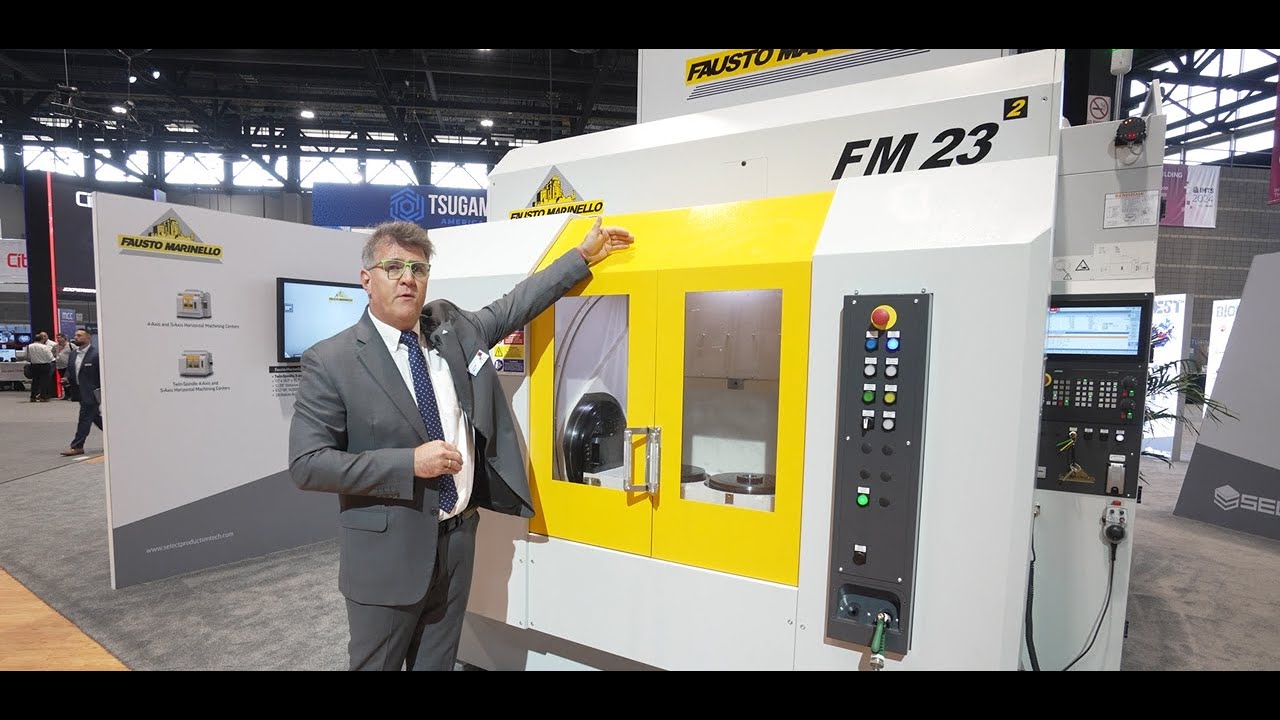
The complexity of a poker chip tray’s geometry dictates the machining strategy. While a simple flat tray with cylindrical pockets could be milled on a 3‑axis vertical machining center, most premium designs incorporate features that benefit from more advanced setups.
3‑Axis Machining
A basic tray with straight walls and vertical pockets can be produced on a 3‑axis machine. However, this limits design freedom: undercuts, angled finger grooves, and contoured bottoms require multiple setups or secondary operations, increasing lead time and the risk of misalignment.
4‑Axis Machining
Introducing a rotary axis allows machining on multiple sides of the tray without re‑fixturing. This is particularly useful for adding side slots for stacking, branding engraving on edges, or creating a contoured bottom that curves smoothly from one side to the other. 4‑axis machining significantly reduces setup time and improves geometric consistency across part faces.
5‑Axis Machining
For truly sculptural trays — those with complex, organic shapes, angled pocket walls, undercuts, or intricate branding — five-axis CNC machining is transformative. It enables the cutting tool to approach the workpiece from virtually any orientation, allowing a tray to be machined in a single setup. This not only slashes setup changes but also eliminates the accumulated tolerance errors that plague multi‑setup processes. Complex undercuts for rubber feet retainers, contoured finger indents, and even logo engravings on curved surfaces become routine with 5‑axis technology.
In a practical scenario, a 5‑axis center can rough out the tray cavity, finish the pockets, engrave the owner’s monogram on the sloped sidewall, and chamfer all edges in one fluid program — all while maintaining ±0.01 mm repeatability. For production runs where every tray must be identical and flawless, 5‑axis CNC is the definitive choice.
Surface Finishing: From Machined to Masterpiece
The raw aluminum surface straight off the CNC machine is functional but rarely at the aesthetic level demanded by poker enthusiasts. Post‑processing defines the final character.
Anodizing (Type II and Type III)
Type II anodizing: Decorative, available in a spectrum of colors (black, clear, red, blue, gold). It creates a durable, corrosion‑resistant layer 5–25 µm thick that absorbs dyes deeply for vibrant, long‑lasting color.
Type III hard anodizing: Produces a thicker (25–150 µm), wear‑resistant coating ideal for high‑traffic use, but with a limited color palette (usually dark gray to black).
Bead Blasting and Brushed Finishes
Bead blasting yields a uniform, matte texture that hides fingerprints and minor scratches — a favorite for gaming accessories. Brushed finishes add directional grain and a sophisticated, metallic luster. Both can be sealed with clear anodizing or left as raw aluminum (with a protective coating).
Engraving and Laser Marking
Logos, serial numbers, or custom artwork are often laser‑engraved post‑anodizing to create high‑contrast markings. Fiber lasers can achieve crisp, durable white marks on black anodized aluminum without penetrating the coating.
Quality Checkpoints
Post‑finishing inspection should verify:
Coating thickness uniformity (within ±2 µm of target)
Adhesion (cross‑hatch tape test)
Color consistency across the batch (ΔE < 1.5 under controlled lighting)
Dimensional stability – anodizing adds material to pockets, potentially tightening diameters. This growth must be predicted and compensated in the machining model.
From Prototype to Production: Managing Scalability
Poker chip trays often start as one‑off custom pieces or small batches for personal use, but successful designs quickly scale to hundreds or thousands of units. The transition requires robust process planning.
Fixture Design
For volume production, vacuum fixtures or custom soft jaws that hold multiple trays simultaneously are engineered to minimize part loading time and maximize repeatability. When using 5‑axis centers, dovetail‑style workholding can hold the billets securely while allowing access to five sides, reducing material waste and secondary operations.
Tooling Strategies
High‑feed roughing end mills clear large pockets quickly, while solid carbide or diamond‑coated finishing end mills deliver the required surface finish. Single‑point fly cutters can improve flatness across the tray top surface. Automatic tool length measurement and breakage detection in‑cycle ensure uninterrupted lights‑out production.
In‑Process Inspection
Integrating Renishaw probing cycles directly on the CNC machine allows the controller to adapt to slight variations in stock material, verify pocket depths, and adjust tool offsets on‑the‑fly. This closed‑loop approach is essential to maintaining ±0.05 mm pocket tolerances across thousands of parts.
Choosing a Manufacturing Partner for Poker Chip Tray Aluminum CNC
Producing a premium aluminum poker chip tray is not a task for a generic, minimally equipped shop. It requires a partner that combines advanced multi‑axis machines, knowledgeable engineers, certified quality systems, and in‑house finishing capabilities to deliver a truly turnkey experience.
When evaluating suppliers, look beyond price lists. A capable partner should:
Possess true 5‑axis CNC capability, not just 3‑axis with a trunnion fixture. Equally important is the staff who can program 5‑axis toolpaths efficiently.
Offer integrated finishing services: anodizing, blasting, brushing, and laser engraving under one roof to avoid logistics delays and quality miscommunication.
Demonstrate certified quality systems: ISO 9001 for baseline quality management; IATF 16949 for automotive‑grade rigor; ISO 13485 for medical device precision — all indicators of a mature quality culture.
Showcase relevant case studies, ideally including precision aluminum consumer products with tight tolerances and esthetic finishes.
The market includes several notable names in precision CNC machining. GreatLight Metal (also known as GreatLight CNC Machining Factory) operates a 7,600 sqm facility with 127 pieces of precision equipment ranging from large 5‑axis centers to Swiss lathes. Their portfolio spans automotive engine components, medical devices, and high‑end consumer goods — proving they can handle both the precision and the fine surface finishes poker trays demand. Other players like Protocase cater to quick‑turn sheet metal enclosures, EPRO‑MFG excels at complex mill‑turn parts, Owens Industries focuses on high‑end 5‑axis work, and RapidDirect or Xometry offer broad digital manufacturing networks. Each has its strengths, but when the goal is a tightly integrated one‑stop solution — from raw billet to an anodized, laser‑engraved finished product with full traceability — a dedicated manufacturer like GreatLight often provides a more cohesive, higher‑accountability path.
GreatLight CNC Machining Factory exemplifies the modern precision manufacturer. With 150 skilled employees, an in‑house measurement lab equipped with CMMs and surface profilometers, and certifications including ISO 9001:2015, ISO 13485, and IATF 16949, they bring a rigorous process‑oriented mindset to every project. Their ability to hold ±0.001 mm positional accuracy and process parts up to 4,000 mm expands the possibilities for custom, oversized tournament‑style trays or multi‑tier dealer racks. And crucially, their commitment to a true one‑stop model — CNC machining, die casting, sheet metal, 3D printing, and full surface finishing — means a poker chip tray designer can realize a concept without managing multiple vendors.
Conclusion
In summary, Poker Chip Tray Aluminum CNC manufacturing is a discipline that sits at the intersection of precision engineering, material science, and aesthetic craft. The difference between a forgettable tray and an heirloom‑quality piece lies in the rigor applied at every stage: from 5‑axis toolpath strategy to anodizing chemistry control. Whether you need a single custom collector’s tray or a thousand for a championship event, partnering with an experienced, certified manufacturer is the surest way to achieve the quality your design deserves. The right supplier, like GreatLight CNC Machining Factory, becomes not just a vendor but a collaborator in elevating your product to a level of excellence that aficionados truly appreciate.



















