
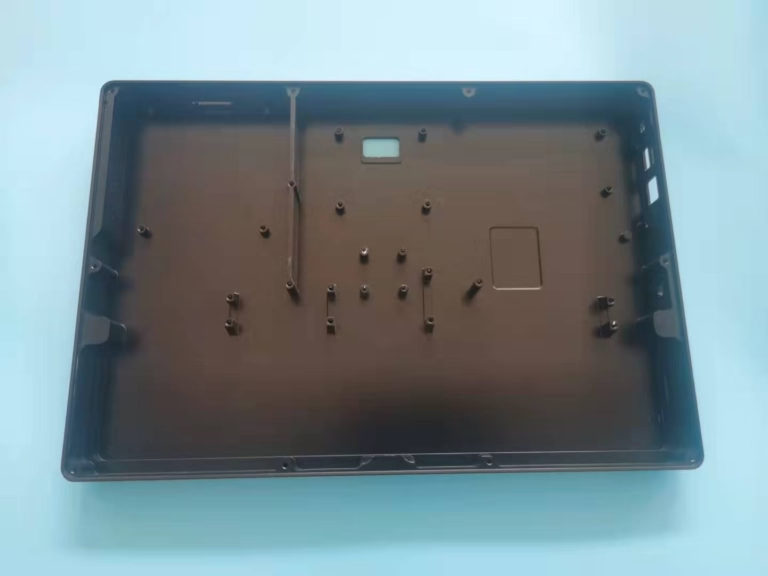
The manufacturing landscape has been fundamentally reshaped by a technology that translates digital blueprints into physical reality with astonishing accuracy and repeatability. At the heart of modern precision parts machining and customization lies the CNC machine. But for many clients and engineers, the process can seem like a “black box”—material goes in, a finished part comes out. To make informed decisions and optimize designs for manufacturability, understanding the core principles of how CNC machines work is invaluable. Let’s demystify this remarkable technology.
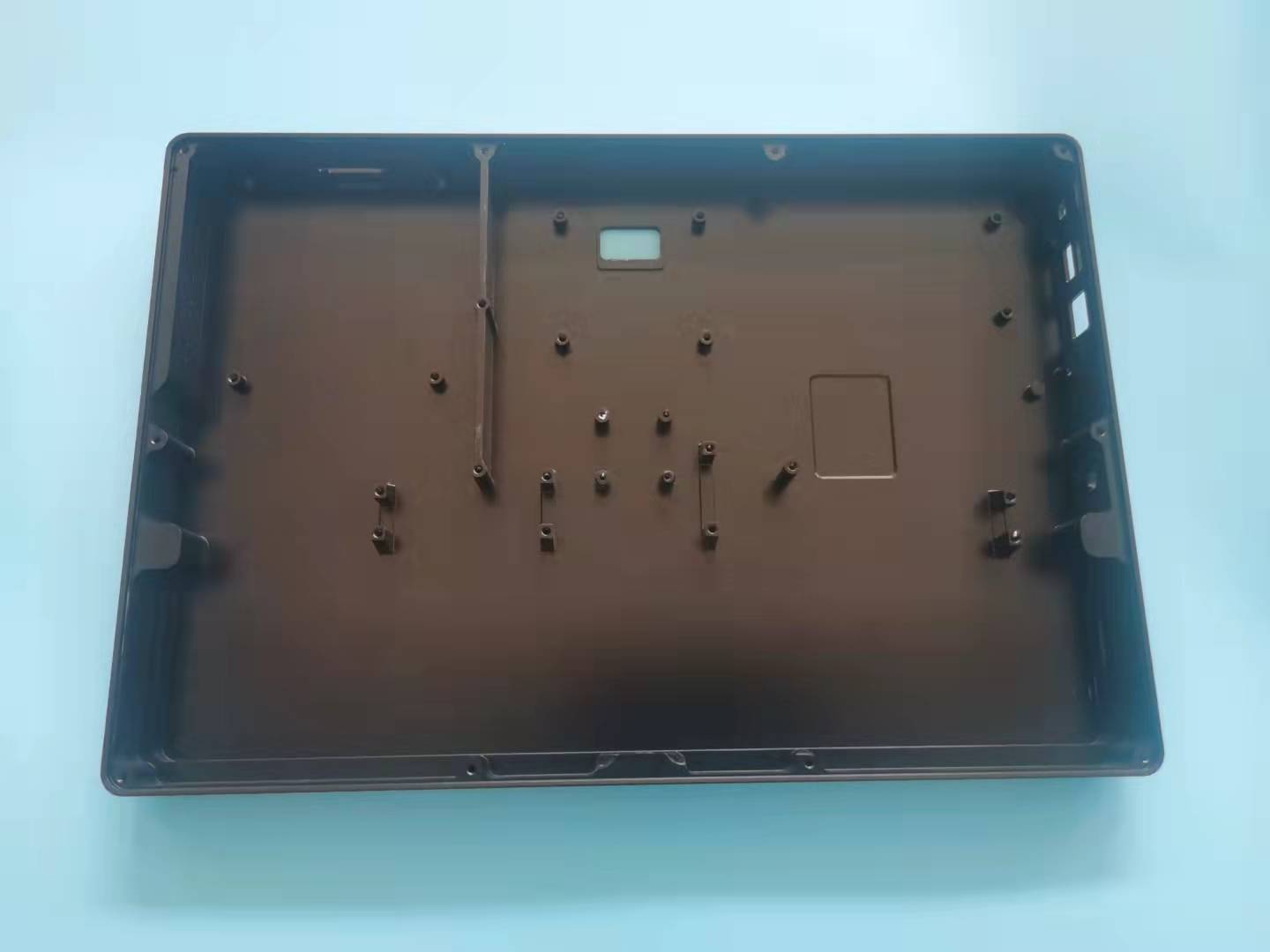
From Blueprint to Motion: The Core Principle
At its essence, a CNC (Computer Numerical Control) machine is an automated tool that removes material from a workpiece (like metal, plastic, or composite) based on programmed instructions. It replaces the manual handwheels and levers of traditional machines with digital precision, guided by a computer. The workflow can be distilled into a seamless, three-stage process: Design, Programming, and Execution.
Stage 1: The Digital Foundation – CAD & CAM
The journey begins long before the machine starts. It starts on a computer screen.
CAD (Computer-Aided Design): An engineer or designer creates a precise 3D model of the desired part using software like SolidWorks, AutoCAD, or Fusion 360. This model defines every dimension, curve, and cavity with exacting detail.
CAM (Computer-Aided Manufacturing): This is the critical translation step. The 3D CAD file is imported into CAM software. Here, a manufacturing engineer defines the “how”:
Tool Selection: Choosing the correct cutting tools (end mills, drills, ball-nose cutters) for each operation.
Toolpaths: The software calculates the precise routes the cutting tool must travel to carve out the part from the raw material. This includes defining approach angles, cutting depths, and spindle speeds.
Post-Processing: The CAM software translates all this information into a specific language the CNC machine’s controller can understand. This is where G-code and M-code are generated. G-code controls the geometry and movement (e.g., G01 X10 Y20 F100 means move in a straight line to coordinates X10, Y20 at a feed rate of 100). M-code controls auxiliary functions like turning the spindle or coolant on/off.
Stage 2: The Brain and Nervous System – The Controller
The generated program (often a .NC file) is loaded into the CNC machine’s controller—a dedicated industrial computer. This controller is the machine’s brain. It reads the code line by line, interpreting the commands and sending exact electrical signals to the machine’s drives and motors. Modern controllers provide a real-time interface for the operator to monitor progress, adjust offsets, and ensure everything runs smoothly.
Stage 3: The Physical Execution – Machine Kinematics & Cutting
This is where digital commands become physical action. The controller’s signals activate servo motors or stepper motors on each axis of the machine.
Linear Motion: On a basic 3-axis milling machine, these motors precisely control movement along the X (left-right), Y (front-back), and Z (up-down) axes. The workpiece is secured to a bed or vice, and the spinning cutting tool moves along these programmed paths, shearing away material.
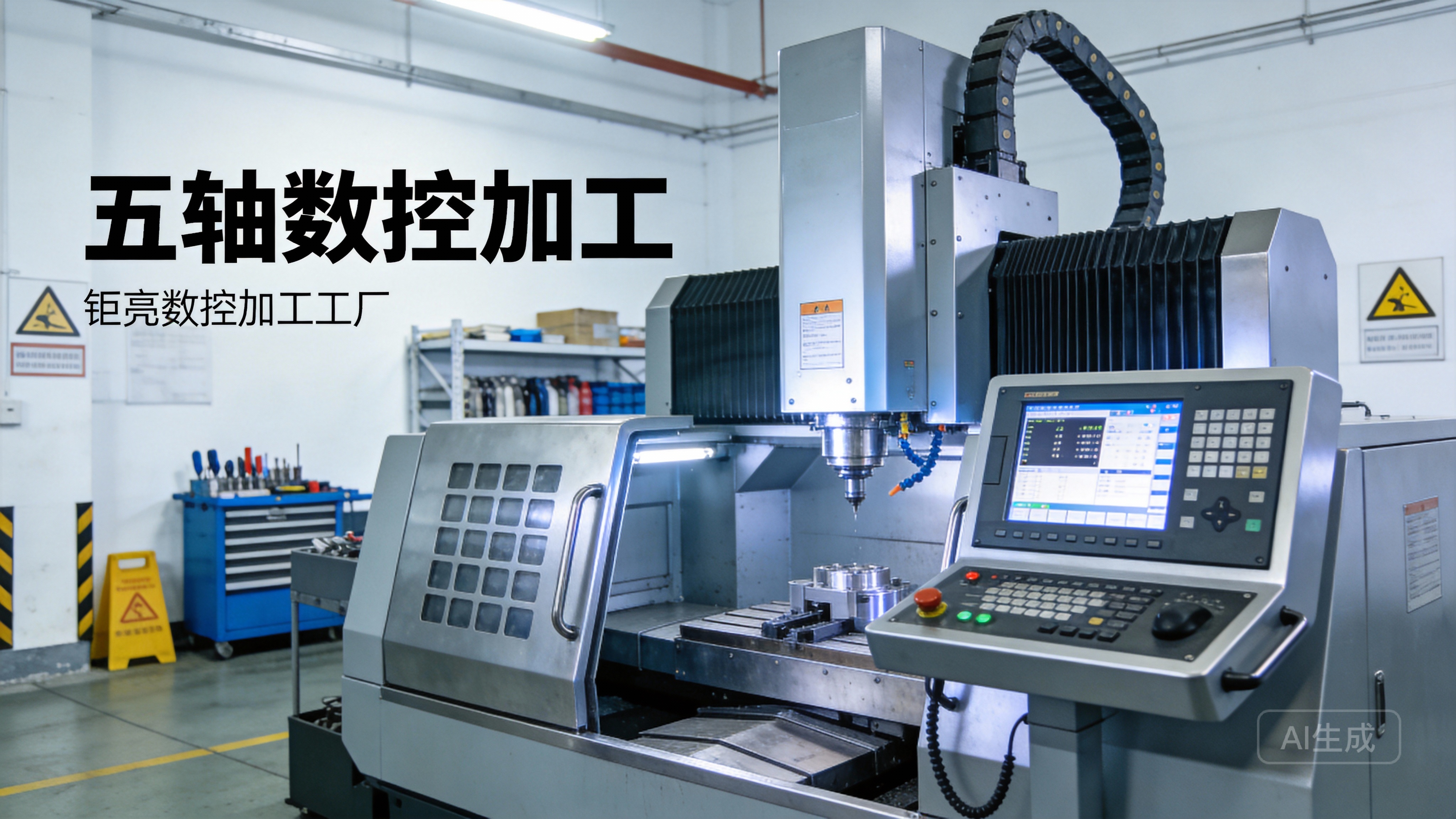
Rotary Motion: In more advanced machines like 4-axis or 5-axis CNC machining centers, rotary axes (A, B, or C) are added. These allow the workpiece or the cutting tool to tilt and rotate, enabling the machining of incredibly complex geometries in a single setup. This is the hallmark of advanced suppliers like GreatLight, whose multi-axis capabilities solve problems inaccessible to simpler machines.
The Cutting Process: As the tool moves, its hardened, sharp flutes slice into the workpiece. Coolant is often applied to reduce heat, flush away chips, and prolong tool life. The machine faithfully repeats this process—drilling pockets, contouring edges, finishing surfaces—until the program is complete and the raw billet has been transformed into a precision component.
Key Components in Action
To fully grasp the system, it helps to know the key players:
Machine Frame: The rigid, heavy structure that absorbs vibration and ensures stability.
Guideways & Ballscrews: High-precision rails and screws that convert the motor’s rotary motion into smooth, accurate linear movement.
Spindle: The high-speed motor that rotates the cutting tool. Its power (kW) and maximum speed (RPM) are crucial.
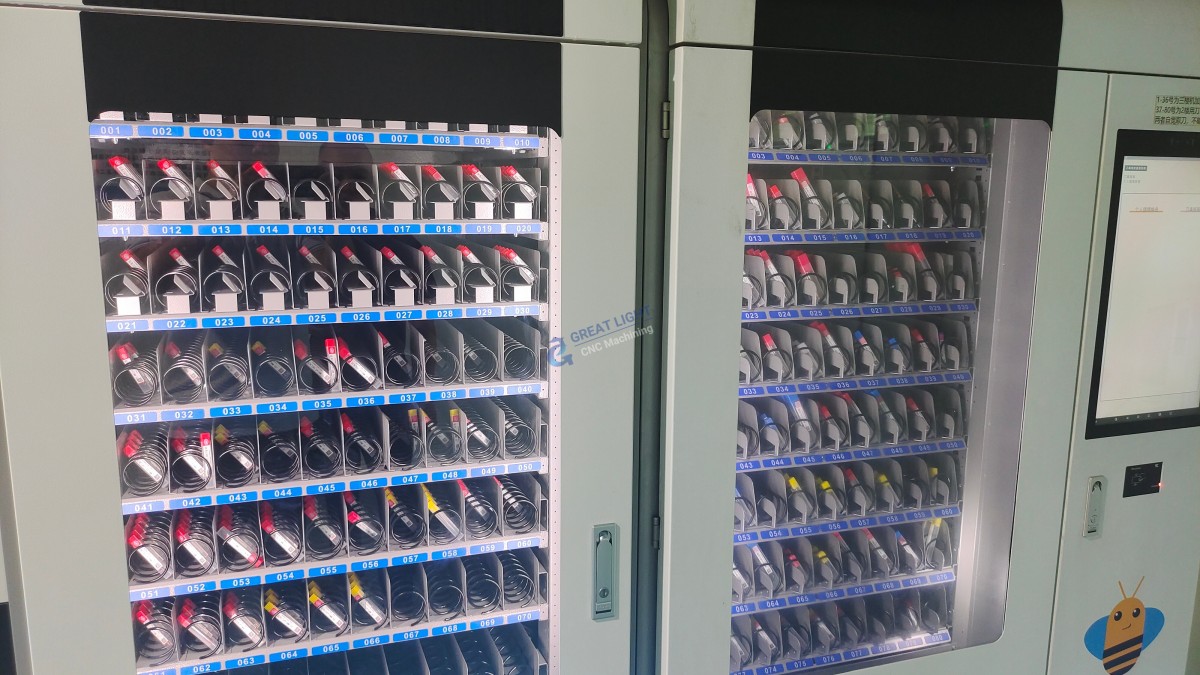
Tool Changer (ATC): An automated magazine that holds multiple tools, allowing the machine to switch between them during a program without manual intervention, vastly improving efficiency.
Workholding: Vises, clamps, or custom fixtures that firmly and accurately hold the raw material in place.
A Practical Example: Making a Simple Aluminum Bracket
A 3D model of an L-shaped bracket with mounting holes is designed in CAD.
In CAM, an engineer selects a 10mm flat end mill to rough out the shape, a 6mm end mill for finer details, and a 5mm drill for the holes. Toolpaths are generated.
The G-code is sent to a 3-axis CNC milling machine.
An aluminum block is clamped to the machine bed.
The machine automatically:
Loads the 10mm tool and rapidly removes bulk material around the bracket shape.
Changes to the 6mm tool and finishes the precise edges and contours.
Changes to the drill and creates the clean, accurate holes.
Returns to its home position, signaling job completion.
Why Understanding This Process Matters for Your Projects
Knowing how CNC machines work is more than academic; it directly impacts your outcomes:
Design for Manufacturability (DFM): Understanding tool access, minimum radii (related to tool size), and the benefits of multi-axis machining allows you to design parts that are not only functional but also cost-effective and faster to produce.
Informed Supplier Selection: You can better evaluate a manufacturer’s capability. A shop with advanced 5-axis machines and sophisticated CAM software, like GreatLight CNC Machining Factory, can tackle complex, monolithic parts that would otherwise require multiple fixtures and assemblies.
Effective Communication: It establishes a common technical language with your manufacturing partner, leading to clearer requirements, fewer revisions, and a smoother path from prototype to production.
Quality Expectation Setting: You gain insight into the factors that affect precision—machine rigidity, thermal stability, tool wear—and can discuss quality control protocols more knowledgeably with your supplier.
Conclusion: The Symphony of Precision
So, how do CNC machines work? They are a symphony of advanced software, digital electronics, and precision mechanics orchestrated to create physical objects from digital dreams. The process bridges the virtual and physical worlds through disciplined stages of design, programming, and automated execution. For clients seeking precision parts machining and customization, partnering with a manufacturer that has mastered every note of this symphony—from high-level CAM programming to operating state-of-the-art multi-axis equipment—is critical. It is this deep command of the entire CNC workflow that enables a true expert partner to consistently deliver not just parts, but reliable, high-performance solutions that meet the most demanding specifications.
Frequently Asked Questions (FAQ)
Q: Does my company need to know how to write G-code to use CNC machining services?
A: Absolutely not. Reputable manufacturers like GreatLight handle all programming (CAM and G-code generation) in-house. Your responsibility is to provide a clean, well-defined 3D CAD model (e.g., STEP or IGES file) and detailed specifications. The engineering team will then program the optimal toolpaths for your part.
Q: What materials can be processed with CNC machines?
A: CNC machining is incredibly versatile. It can process a vast range of materials, including:
Metals: Aluminum, Stainless Steel, Titanium, Brass, Copper, Tool Steel, Inconel.
Plastics: ABS, Nylon (PA), Polycarbonate (PC), PEEK, PTFE (Teflon), Acrylic (PMMA).
Composites: Carbon Fiber Reinforced Polymers (CFRP), G10.
Others: Wood, Wax, and certain foams.
Q: What is the main advantage of 5-axis CNC machining over 3-axis?
A: The primary advantage is the ability to machine complex geometries in a single setup. A 3-axis machine might require manually repositioning the part multiple times to access all sides, introducing potential alignment errors and increasing labor time. A 5-axis machine can rotate the part to present almost any angle to the tool, enabling the creation of intricate contours, undercuts, and organic shapes with superior accuracy and surface finish. It is a key capability for advanced industries like aerospace and medical.
Q: How is precision maintained and verified during and after CNC machining?
A: Precision is maintained through a combination of factors: high-quality, well-maintained machines; stable temperature-controlled environments; skilled process engineering; and in-process monitoring. After machining, precision is verified using metrology equipment such as Coordinate Measuring Machines (CMM), optical scanners, and high-precision calipers and micrometers. An ISO 9001-certified shop will have documented inspection procedures to ensure every part meets the drawing specifications.
Q: Can CNC machining be used for both prototyping and mass production?
A: Yes, it is uniquely suited for both. For prototyping, it offers fast turnaround and the ability to make design iterations in real materials. For mass production, modern CNC machines with automation (like pallet changers and robotic arms) can run 24/7, producing large volumes of identical, high-tolerance parts with exceptional consistency, often making it competitive with other processes for medium to high-volume runs.



















