
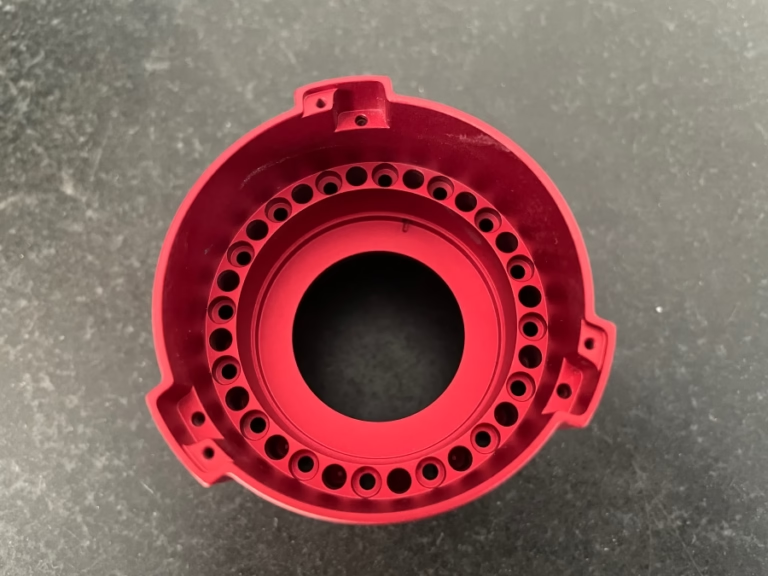
What Is The Difference Between CNC And Nc Machining? If you’re involved in precision parts manufacturing, prototyping, or custom component design, this question has likely crossed your mind. As manufacturing technology evolves, the line between these two terms can blur, yet understanding their distinctions is critical for making informed decisions about your production processes, cost efficiency, and product quality. Whether you’re a procurement engineer sourcing parts for an automotive project, a R&D specialist developing a medical device, or a startup founder iterating on a consumer electronics prototype, knowing when to use NC vs CNC machining can directly impact your project’s timeline, budget, and final outcome.
What Is The Difference Between CNC And Nc Machining?
Before diving into the differences, let’s clarify the core definitions of each technology, as this forms the foundation of their unique capabilities.
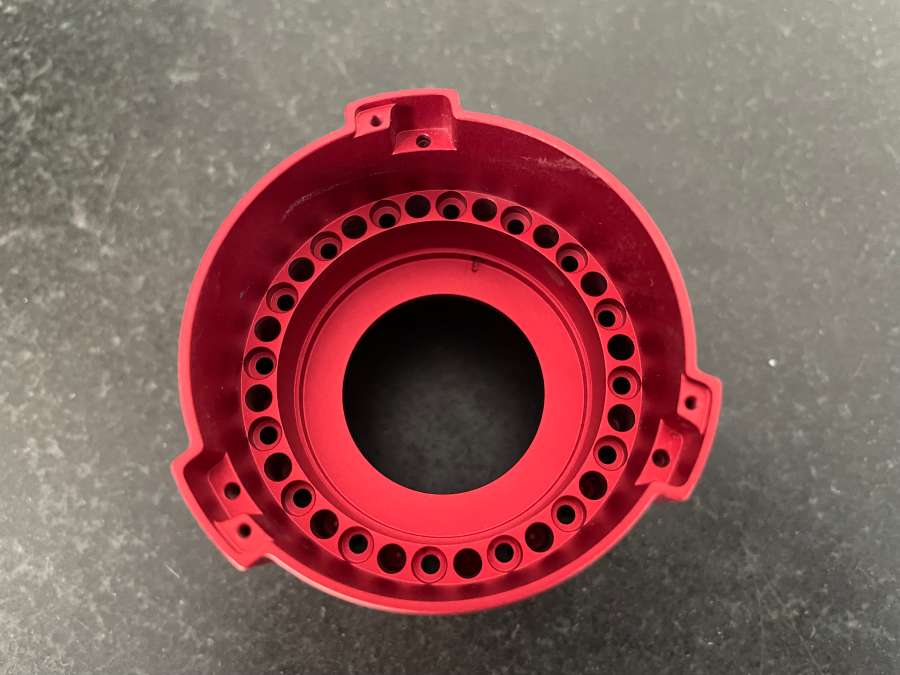
Core Definitions: NC vs CNC
NC Machining (Numerical Control): The predecessor to CNC, NC machining emerged in the 1950s as a breakthrough to automate machine tools using pre-programmed numerical data. Early NC systems relied on punched paper tapes or magnetic tapes to input instructions, which were read sequentially by the machine controller. Once programmed, these machines could not be easily adjusted mid-production; any changes required re-punching an entirely new tape, making the process inflexible and time-consuming for complex or iterative projects. NC machines are typically limited to simple, repetitive tasks and lack real-time feedback mechanisms to correct errors during operation.
CNC Machining (Computer Numerical Control): Developed in the 1970s with the advent of microcomputers, CNC machining revolutionized the industry by replacing tape-based programming with computerized controllers. Today’s CNC systems integrate seamlessly with CAD (Computer-Aided Design) and CAM (Computer-Aided Manufacturing) software to generate precise, optimized toolpaths, which are directly loaded into the machine’s on-board computer. This digital integration allows for real-time adjustments, instant design iterations, and closed-loop feedback to correct deviations as they occur. CNC machines are highly versatile, capable of handling complex 3D geometries, multi-axis operations, and high-volume production with consistent, ultra-high precision.
Key Technical Differences at a Glance
To make it easier to compare the two technologies, let’s break down their critical distinctions in a structured table:
| Feature | NC Machining | CNC Machining |
|---|---|---|
| Programming Method | Punch paper/magnetic tapes; manual numerical input; no software integration. | CAD/CAM software-generated toolpaths; digital input; easy editing and iteration without physical changes. |
| Flexibility & Adaptability | Inflexible; changing instructions requires re-punching tapes; limited to pre-programmed tasks only. | Highly flexible; real-time adjustments; quick switching between part designs; supports complex, multi-step operations. |
| Precision & Consistency | Lower precision (typically ±0.01mm or more); inconsistencies from tape wear or manual input errors. | Ultra-high precision (down to ±0.001mm); consistent results across large runs due to digital control and feedback systems. |
| Automation Level | Semi-automated; requires constant manual setup and supervision; no self-correction. | Fully automated; supports unattended operation (with proper setup); closed-loop systems correct errors in real time. |
| Error Correction & Feedback | No real-time monitoring; errors are detected only post-production, leading to high scrap rates. | Sensors continuously monitor tool position and cut quality; deviations are corrected instantly, minimizing scrap and rework. |
| Application Scope | Simple, high-volume repetitive parts; legacy equipment maintenance; low-precision components. | Complex, high-precision parts; rapid prototyping; low-to-high volume production; multi-axis machining for aerospace, medical, automotive, and robotics. |
Practical Implications for Your Manufacturing Projects
Translating these technical differences into actionable insights is key to choosing the right technology for your project:
When to Consider NC Machining: NC machining is rarely the first choice for modern projects, but it may be viable if you need to produce simple, legacy parts originally designed for NC systems, or if you have access to existing NC equipment for low-volume, low-precision jobs. For example, producing basic metal brackets for a low-cost industrial assembly might use NC machining, but this is increasingly rare as CNC becomes more accessible.
When to Choose CNC Machining: For nearly all modern precision manufacturing projects, CNC machining is the superior choice. It excels in producing complex geometries with tight tolerances, supports rapid prototyping and iterative design, and delivers consistent results across large production runs. For instance, a medical device manufacturer needing a titanium alloy implant with intricate internal channels would rely on CNC machining to achieve the biocompatible surface finishes and tight tolerances required, whereas an NC machine would struggle to produce such a part reliably.
How GreatLight CNC Machining Factory Leverages CNC Technology to Solve Your Precision Manufacturing Challenges
At GreatLight CNC Machining Factory (also known as GreatLight Metal), we’ve specialized in CNC machining for over 12 years, harnessing the full potential of this technology to deliver tailored solutions for clients across global industries. As a leading manufacturer based in Dongguan’s Chang’an District—China’s renowned “Hardware and Mould Capital”—we’ve invested heavily in state-of-the-art equipment, technical expertise, and quality systems to address the most complex manufacturing challenges.
Unmatched Equipment and Process Capabilities
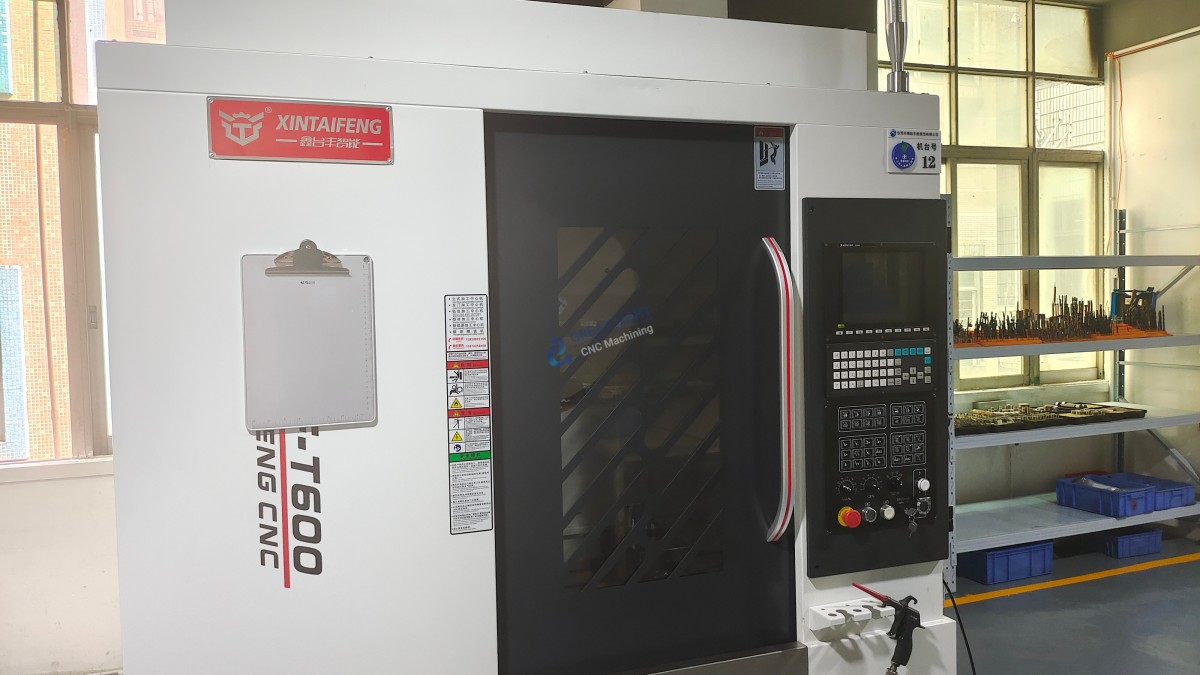
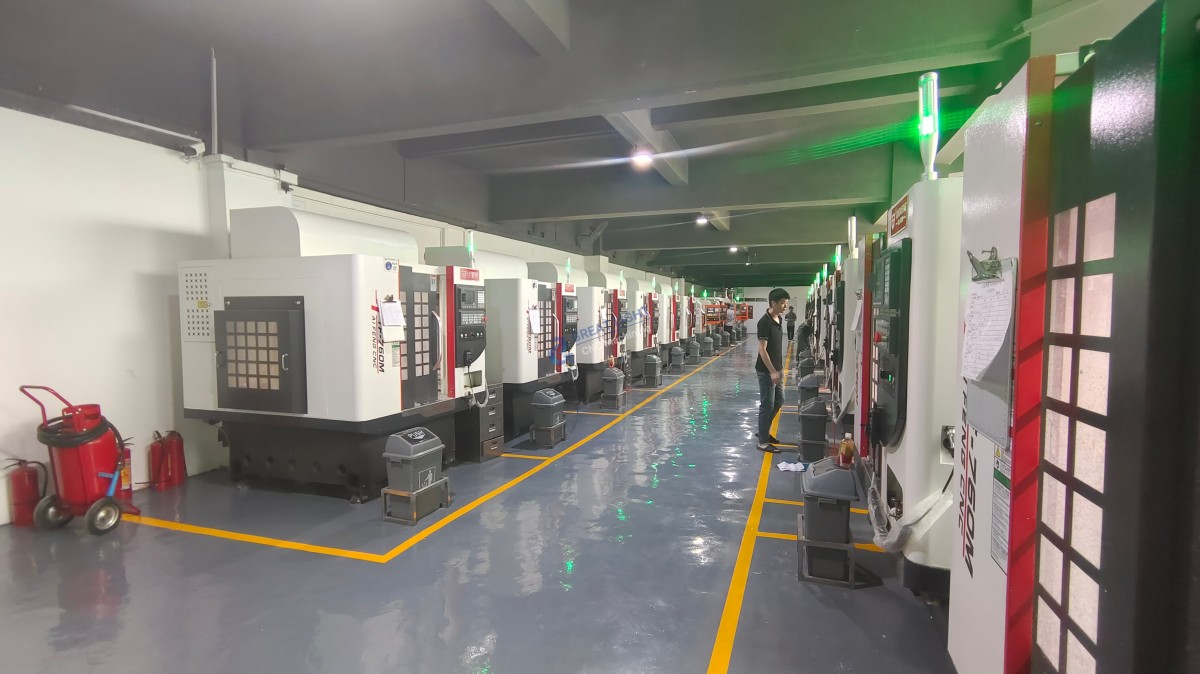
Our 7600-square-meter facility (with three wholly-owned manufacturing plants) houses 127 precision peripheral machines, including large high-precision 5-axis, 4-axis, and 3-axis CNC machining centers, lathes, milling machines, grinding machines, EDM machines, and a range of 3D printers (SLM, SLA, SLS) for metal and plastic prototyping. This comprehensive equipment portfolio allows us to offer a full-process chain of services, including precision CNC machining (with our industry-leading five-axis CNC machining services), die casting, sheet metal fabrication, vacuum casting, and nearly a hundred rapid prototyping options. We also provide one-stop surface post-processing services—from anodizing and passivation to powder coating and laser engraving—so your parts are ready for assembly or end-use without additional vendor coordination.
Certifications and Quality Assurance
We understand that trust is the foundation of successful manufacturing partnerships. That’s why we hold a suite of international certifications, including ISO 9001:2015 (quality management), IATF 16949 (automotive industry standards), ISO 13485 (medical device compliance), and ISO 27001 (data security for intellectual property-sensitive projects). These certifications ensure every part we produce adheres to global quality norms, and our in-house precision measurement and testing equipment verifies that all components meet your exact specifications.
Precision, Speed, and After-Sales Support
Our CNC machining capabilities extend to ultra-high precision of ±0.001mm, with a maximum processing size of 4000mm—perfect for large, complex parts like aerospace structural components. We prioritize rapid turnaround times: simple prototypes can be delivered in 1-3 days, while complex high-volume orders are scheduled with transparent timelines to meet your project milestones. To give you complete peace of mind, we offer a comprehensive after-sales guarantee: free rework for any quality issues, and a full refund if rework does not meet your satisfaction.
Real-World Success Stories
Our expertise has been proven across cutting-edge sectors: we’ve supplied custom metal joints for humanoid robots, high-precision valve components for automotive engines, and lightweight titanium alloy brackets for aerospace applications. Each project is handled by our team of 150 experienced engineers and technicians, who work closely with clients to translate 3D designs into functional, high-quality parts that meet the most demanding industry standards.
Conclusion
What Is The Difference Between CNC And Nc Machining? In short, NC machining is a legacy technology limited by inflexible programming and lower precision, while CNC machining is the modern, versatile solution that powers today’s most advanced manufacturing projects. As the industry continues to evolve, CNC machining will remain the cornerstone of precision parts production, offering unmatched flexibility, consistency, and quality. For businesses looking to partner with a reliable, experienced CNC machining provider, GreatLight CNC Machining Factory (GreatLight Metal) is your ideal choice. Our deep technical expertise, state-of-the-art equipment, and client-centric approach ensure that we deliver solutions tailored to your unique needs—from prototyping to full production. To learn more about our capabilities and connect with our team, you can follow us on GreatLight Metal for the latest industry insights and project updates.
Frequently Asked Questions (FAQ)
Q1: Can NC machines be upgraded to CNC systems?
Yes, many older NC machines can be retrofitted with CNC controllers. This involves replacing the tape reader with a computerized controller and adding sensors for real-time feedback. However, the cost-effectiveness of retrofitting depends on the machine’s age and condition; for most modern projects, investing in new CNC equipment is often a better long-term choice due to improved precision, efficiency, and compatibility with modern CAD/CAM software.
Q2: Is CNC machining more expensive than NC machining?
While the initial investment in CNC equipment is higher, the long-term cost-effectiveness of CNC machining often outweighs NC. CNC reduces scrap rates, minimizes manual labor, and allows for faster setup and iteration, which lowers overall production costs for complex or high-volume projects. NC machining may have lower upfront costs but is less efficient for most modern needs, leading to higher labor and error-related expenses.
Q3: What precision levels can CNC achieve compared to NC?
NC machines typically offer precision levels of ±0.01mm or higher, while modern CNC machines (like those at GreatLight) can achieve tolerances as tight as ±0.001mm. This difference is due to CNC’s closed-loop feedback systems, which continuously monitor tool position and correct deviations in real time, ensuring consistent accuracy across every part.
Q4: Does GreatLight offer NC machining services?
GreatLight focuses exclusively on modern CNC machining and advanced rapid prototyping technologies, as these better meet the needs of today’s precision manufacturing projects. Our equipment and expertise are optimized for CNC processes, allowing us to deliver higher quality, more flexible solutions than legacy NC systems can provide.
Q5: How long does it take to get a CNC machined part from GreatLight?
Turnaround time depends on the part’s complexity, material type, and order volume. For simple prototypes, we can deliver parts within 1-3 days. For complex, high-volume orders, we provide detailed timelines during the quoting process, ensuring transparency and on-time delivery. Our streamlined production processes and in-house capabilities allow us to minimize lead times without compromising quality.



















