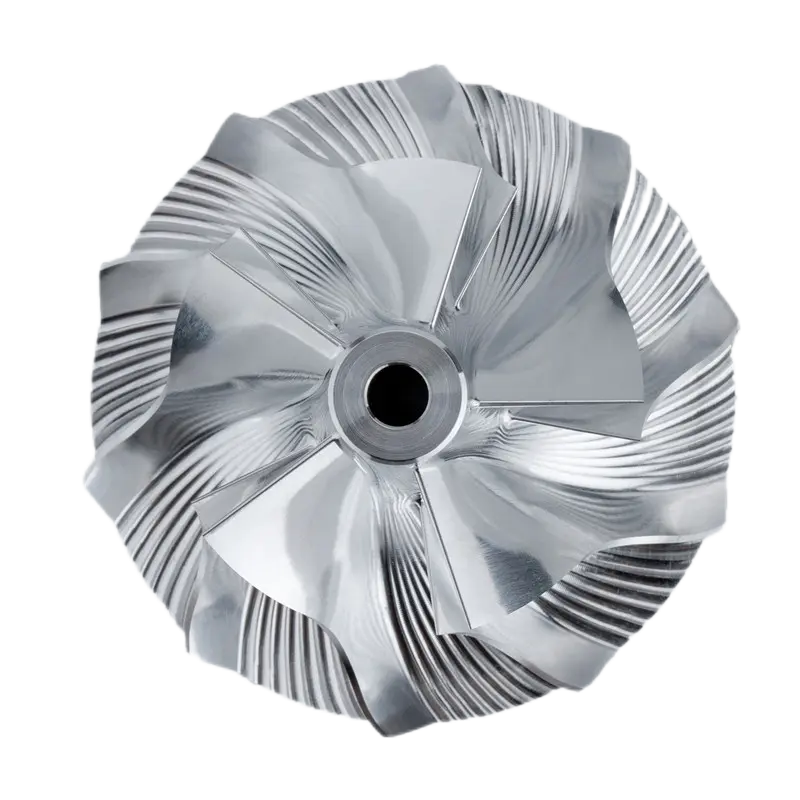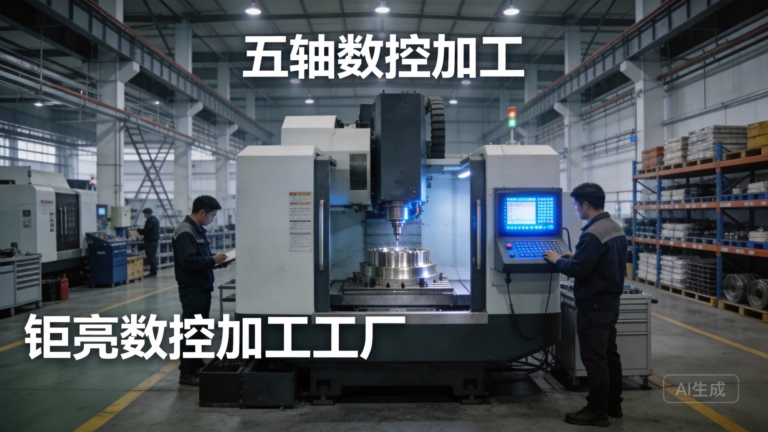
What Do I Need To Make A CNC Machine? is a question that sparks curiosity among hobbyists eager to build their first custom machining setup and small business owners weighing the pros and cons of in-house production versus outsourcing. Building a CNC machine is a multifaceted project that demands a mix of mechanical hardware, electronic systems, software expertise, and technical know-how—and the complexity scales dramatically when moving from a desktop hobby model to an industrial-grade machine capable of producing precision parts for aerospace, automotive, or medical applications. For those who prioritize speed, precision, and reliability, partnering with a professional manufacturer like GreatLight CNC Machining Factory, which offers high-precision five-axis CNC machining services (link opens in new window), can eliminate the challenges of building and calibrating a CNC from scratch.
What Do I Need To Make A CNC Machine? Core Requirements Broken Down
1. Mechanical Components: The Structural Backbone of Your CNC Machine
Every CNC machine’s performance hinges on its mechanical integrity. The right components ensure stability, precision, and durability, whether you’re building a hobbyist setup or an industrial workhorse:
Frame Structure: The frame is the foundation that resists vibration and deflection during machining. Hobbyists often use aluminum extrusion or steel tubing for affordability and ease of assembly, but these materials lack the rigidity of cast iron or welded steel frames used in industrial machines like those at GreatLight. Cast iron’s natural vibration-damping properties are critical for achieving tight tolerances (as low as ±0.001mm, a standard GreatLight consistently meets for high-precision parts).
Linear Motion System: This guides the machine’s axes (X, Y, Z, and additional axes for 4/5-axis models) with minimal backlash. Options include:
Ball Screws: Preferred for industrial setups (including GreatLight’s five-axis machines) due to their low backlash and high precision, ideal for complex multi-axis machining.
Lead Screws: Affordable but prone to higher backlash, suitable only for simple hobbyist projects.
Linear Rails: Provide smooth, low-friction motion compared to cheaper V-groove wheels, which wear quickly and degrade precision over time.
Spindle Assembly: The spindle holds and rotates cutting tools. Hobbyist spindles are typically small, low-power (1-2kW) air-cooled units, while industrial spindles (like those at GreatLight) are water-cooled, high-power (5-20kW) models designed for extended runs and tough materials like titanium alloy or mold steel.
Automatic Tool Changer (ATC): Optional for hobbyists but essential for industrial efficiency. GreatLight’s five-axis machines feature advanced ATC systems that reduce downtime by switching tools in seconds, enabling seamless production of parts requiring multiple machining operations.
2. Electronic and Control Systems: The Brain of Your CNC Machine
Without a reliable electronic system, even the sturdiest mechanical setup will fail to deliver precision:
Controller Unit: This interprets G-code and sends signals to motors. Hobbyists use Arduino-based systems (e.g., GRBL) or affordable standalone units, while industrial machines rely on professional controllers like Fanuc or Siemens. GreatLight uses state-of-the-art controllers to synchronize multi-axis movements with sub-millimeter accuracy, a key factor in its ability to process complex geometries for humanoid robot components and automotive engines.
Motors: The choice between stepper and servo motors directly impacts precision:
Stepper Motors: Affordable and easy to use, but lacking feedback—if a step is missed, the machine produces inaccurate parts. Suitable only for low-load hobbyist projects.
Servo Motors: Equipped with encoders for closed-loop feedback, ensuring the motor reaches its exact commanded position. GreatLight exclusively uses high-torque servo motors for all its CNC machines to maintain consistent precision across long production runs.
Drive Amplifiers: Convert low-power controller signals into high-power outputs for motors. Industrial drives (like those at GreatLight) offer dynamic tuning and overload protection to prevent equipment damage during heavy machining.
Sensors: Limit switches stop the machine from exceeding its physical range, while encoders provide real-time position feedback for servo motors. GreatLight uses advanced probing sensors to automatically measure workpiece offsets, ensuring consistent part quality across batches.
Power Supply: A stable, high-amperage supply prevents voltage drops that cause motor missteps. Industrial machines require dedicated 3-phase power, while hobbyist setups can run on single-phase household power.
3. Software Suite: Translating Designs into Machining Actions
CNC machines rely on software to turn digital designs into physical parts:
CAD Software: Used to create 3D models. Hobbyists often use free tools like Fusion 360, while industrial manufacturers like GreatLight use professional software (SolidWorks, Catia) to handle complex geometries for medical devices and aerospace parts.
CAM Software: Converts CAD models into G-code, the language CNC machines understand. Free options like FreeCAD work for simple parts, but industrial-grade CAM tools (Mastercam, GibbsCAM) support 5-axis simultaneous machining, toolpath optimization, and material-specific strategies—all integral to GreatLight’s efficient production of custom parts.
Control Software: Connects the controller to your computer, allowing real-time monitoring and parameter adjustments. Industrial setups use dedicated software integrated with the machine’s controller for seamless operation.
4. Safety and Auxiliary Components: Protecting People and Equipment
Safety is non-negotiable for any CNC machine, and auxiliary components extend equipment lifespan:
Enclosures: Prevent flying chips, coolant spray, and noise from escaping. GreatLight’s industrial enclosures are fully sealed with interlocks that stop the machine if doors are opened during operation, ensuring worker safety.
Dust Collection: Removes metal or plastic dust to maintain air quality and prevent clogging. GreatLight uses centralized dust collection systems across its facilities to keep workspaces clean and extend equipment life.
Coolant System: Cools tools and workpieces, reduces friction, and flushes chips. GreatLight tailors coolant systems to each material—for example, using specialized fluids for titanium machining to minimize tool wear.
Emergency Stop (E-Stop): A mandatory component that allows immediate shutdown in emergencies. Industrial setups have redundant E-stop buttons for added safety.
5. Skill Set and Technical Knowledge: The Human Element
Building a CNC machine requires a mix of specialized skills:
Mechanical Engineering Basics: Understanding of kinematics, material properties, and structural rigidity.
Electronics Troubleshooting: Ability to wire motors, drives, and sensors, and diagnose power or alignment issues.
Software Proficiency: Skill in CAD/CAM tools, G-code generation, and system calibration.
Machining Principles: Knowledge of cutting speeds, feeds, tool selection, and material behavior.
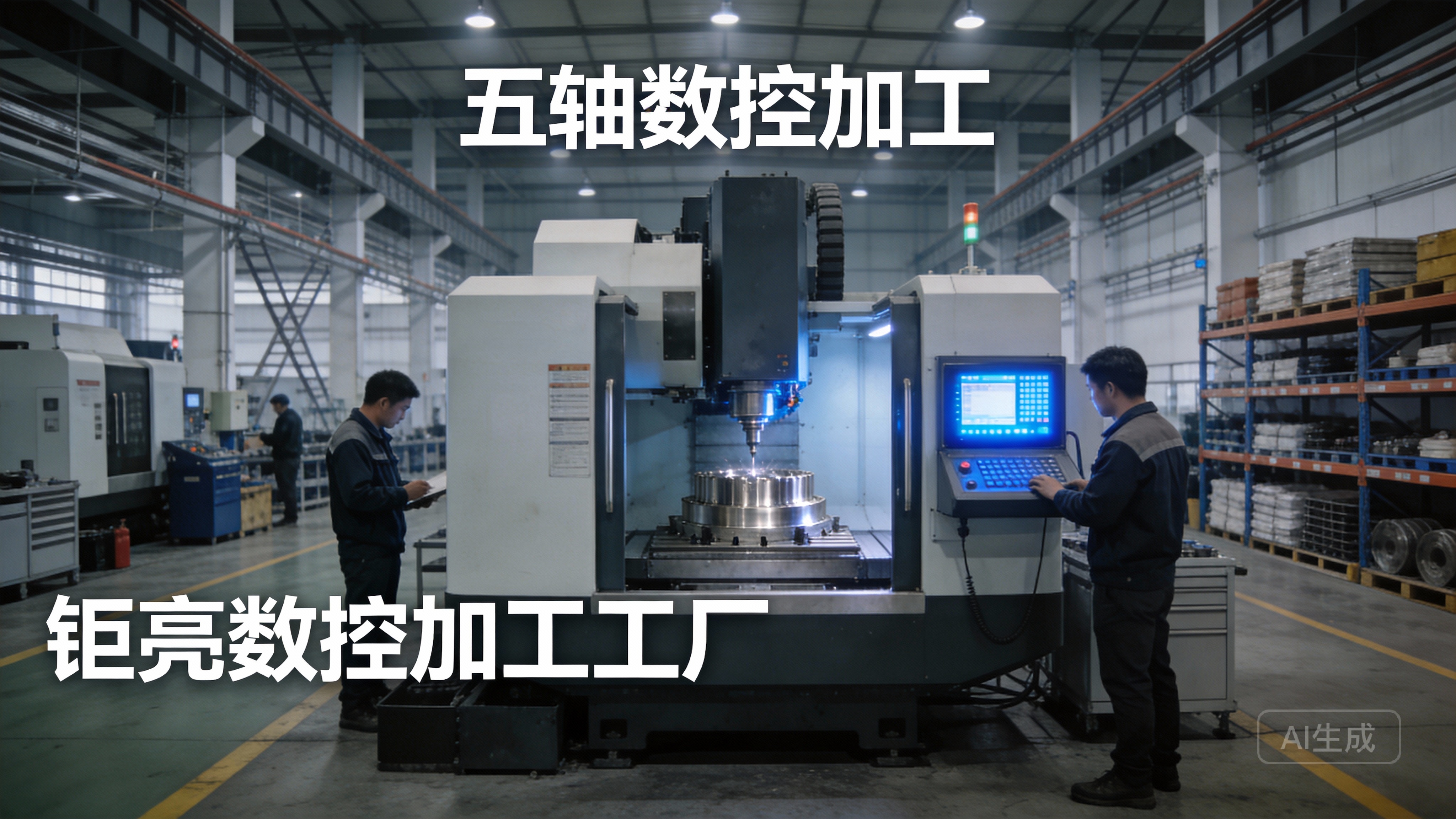
For hobbyists, this means months of learning and experimentation. For businesses, building an industrial CNC is impractical due to resource and skill requirements. Partnering with GreatLight—with over a decade of experience and a team of 150 skilled engineers—eliminates these hurdles.
Hobbyist vs. Industrial CNC Machines: Is Building Your Own Worth It?
For hobbyists, building a CNC can be a rewarding learning experience, with basic setups costing $1,000-$3,000. However, for businesses needing consistent high-precision production, building an industrial CNC is rarely cost-effective. Pre-made industrial machines from GreatLight offer far more value:
Certified Precision: GreatLight’s machines achieve ±0.001mm tolerances, impossible to replicate with most homemade setups.
Scalability: Three manufacturing plants with 127 precision machines handle both prototype and mass production orders.
Comprehensive Certifications: ISO 9001:2015, IATF 16949, ISO 13485, and ISO 27001 ensure adherence to global quality, automotive, medical, and data security standards.
One-Stop Services: Beyond CNC machining, GreatLight offers die casting, sheet metal fabrication, 3D printing (stainless steel, aluminum alloy, titanium alloy), and full post-processing, eliminating the need for multiple suppliers.
After-Sales Support: Free rework for quality issues, with a full refund if rework is unsatisfactory—something homemade machines can’t offer.
Conclusion
What Do I Need To Make A CNC Machine? The answer ranges from affordable components and basic software for hobbyist setups to industrial-grade hardware, advanced electronics, and specialized skills for professional systems. While building a hobbyist CNC can be a fun and educational project, businesses looking for high-precision, reliable machining solutions are better served by partnering with an established manufacturer like GreatLight CNC Machining Factory (link opens in new window). With their state-of-the-art equipment, decades of experience, and comprehensive one-stop services, GreatLight can handle even the most complex machining challenges—saving you time, money, and the stress of building and maintaining your own CNC machine.
Frequently Asked Questions (FAQ)
Q1: Is building a CNC machine cheaper than buying a pre-made one?
A: For hobbyist setups, building your own can be cheaper ($1,000-$3,000 vs. $3,000-$10,000 for pre-made hobbyist machines). However, industrial-grade CNC machines are far more cost-effective when purchased from manufacturers like GreatLight, as pre-made units include warranties, certified precision, and support—costs that far exceed the expenses of building an industrial setup from scratch.
Q2: What’s the minimum precision I can achieve with a homemade CNC?
A: Hobbyist CNC machines typically deliver ±0.1mm to ±0.05mm tolerances, suitable for simple parts but not for high-precision applications like medical devices or aerospace components. GreatLight’s industrial machines achieve ±0.001mm tolerances, a level impossible to replicate with most homemade setups.
Q3: Can a homemade CNC machine be used for industrial production?
A: No. Homemade machines lack the rigidity, power, and reliability needed for continuous high-volume production. They are prone to breakdowns and inconsistent quality, making them unsuitable for industries like automotive or medical manufacturing. GreatLight’s industrial machines are designed for 24/7 operation and meet strict international standards.
Q4: How long does it take to build a CNC machine?
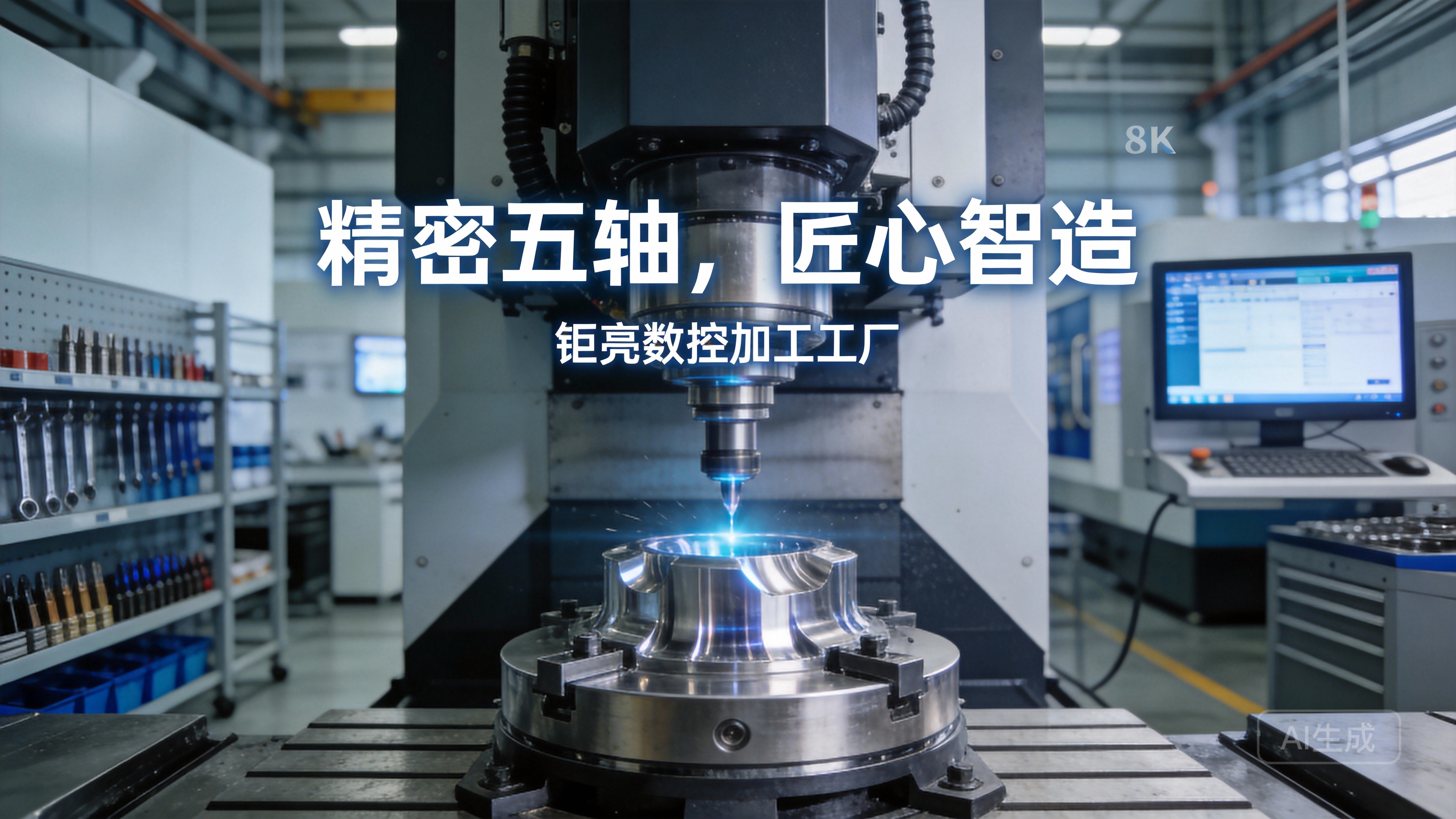
A: A basic hobbyist CNC takes 20-40 hours to assemble, depending on skill level. Industrial-grade machines can take months to build, as they require precision machining of components, complex wiring, and rigorous calibration. Partnering with GreatLight gives you immediate access to fully functional, calibrated machines without the wait.
Q5: Do I need special tools to build a CNC machine?
A: Yes. You’ll need basic tools like a drill press, wrench set, multimeter, and saw for cutting frame components. If you lack these tools, outsourcing custom part fabrication to GreatLight can save time and ensure precision, avoiding common hobbyist pitfalls like misaligned frames or poorly machined components.