
Many professionals and hobbyists who invest in a CNC machine, or consider outsourcing to a specialized shop, often ask a pivotal question: What can I make with my CNC machine? The short, almost magical answer is: almost anything you can design. From intricate components for rockets to custom knobs for a home audio system, the realm of possibility is constrained primarily by material physics, machine size, and your imagination. As a senior manufacturing engineer at GreatLight CNC Machining Factory, I have witnessed this technology transform raw materials into the critical parts that power modern innovation. This blog post will explore the vast landscape of items you can create, emphasizing the professional applications and the unparalleled flexibility offered by advanced, multi-axis machining.
The Core Principle: Subtractive Manufacturing Freedom
At its heart, CNC (Computer Numerical Control) machining is a subtractive manufacturing process. It starts with a solid block of material—metal, plastic, wood, or composite—and uses precisely controlled cutting tools to remove material, leaving behind the desired part. This is in contrast to additive manufacturing (3D printing), which builds parts layer by layer. The subtractive nature grants CNC parts superior strength, excellent surface finish, and exceptional dimensional accuracy straight from the machine.
The true scope of “what you can make” expands dramatically with the number of axes your machine (or your supplier’s machines) possesses. While a 3-axis machine can produce a vast array of parts, complex geometries with undercuts or contoured surfaces often require the tool to approach the workpiece from multiple angles. This is where precision 5-axis CNC machining services{:target=”_blank”} become a game-changer, enabling the creation of parts that were once impossible or prohibitively expensive to manufacture.
A Categorized Guide to CNC Machinable Items
To understand the breadth of applications, let’s categorize the outputs:
H2: 1. Functional Prototypes and R&D Components
Before mass production, virtually every physical product goes through a prototyping phase. CNC machining is the gold standard for functional prototypes because it uses the intended end material.
Engine Parts: Pistons, cylinder heads, custom intake manifolds.
Aerospace Components: Wing brackets, drone frames, satellite mounting hardware.
Medical Device Prototypes: Surgical instrument handles, enclosures for diagnostic equipment, custom jigs and fixtures for surgery.
Consumer Electronics: Housings for smart devices, heat sinks, connector prototypes.
At GreatLight CNC Machining Factory, we routinely partner with R&D teams to rapidly iterate designs, using our full spectrum of 3-axis, 4-axis, and 5-axis CNC machines to turn concepts into testable hardware within days.
H2: 2. End-Use Production Parts
Many industries rely on CNC machining not just for prototyping, but for direct, low-to-medium volume production of final parts. This is especially true where quality, precision, and material properties are non-negotiable.
Automotive & Racing: Custom valve covers, suspension components (A-arms, uprights), gearbox parts, and aftermarket accessories. The automotive sector demands the stringent quality management standards, such as IATF 16949, that certified shops like ours uphold.
Aerospace & Defense: Flight-critical components like turbine blades, landing gear parts, and avionics housings. These require traceability, extreme precision (often to ±0.001mm), and certification for materials like titanium and high-strength aluminum.
Medical & Dental: Implants, surgical tools, MRI machine components, and orthopedic devices. These applications demand biocompatible materials (e.g., Titanium Ti-6Al-4V, surgical stainless steel) and adherence to medical device standards like ISO 13485.
Industrial Machinery: Gears, shafts, housings, molds, and dies for other manufacturing processes. These parts endure high stress and wear, necessitating robust materials like tool steels and precise tolerances for smooth assembly.
H3: 3. Tooling, Molds, and Dies
CNC machining is the primary method for creating the tools that mass-produce other items.
Injection Molds: For producing plastic parts.
Die Casting Dies: For producing metal parts like automotive housings.
Stamping Dies: For sheet metal parts.
Master Patterns: For processes like vacuum casting or investment casting.
H2: 4. Custom Parts & Bespoke Creations
Beyond industrial use, CNC enables unparalleled customization.
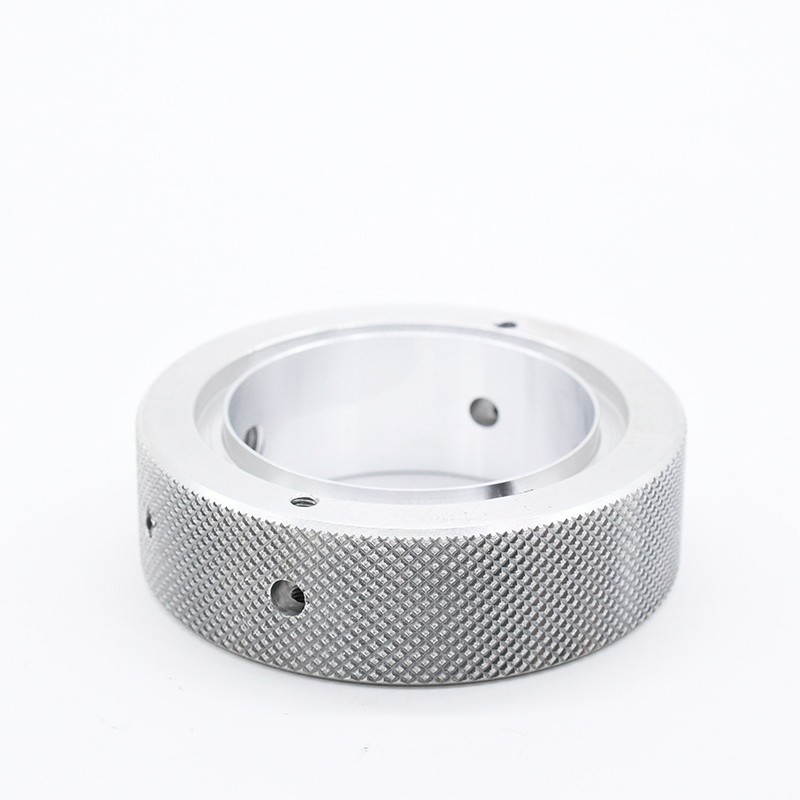
Custom Automotive & Motorcycle: Personalized shift knobs, engraved dash panels, custom motorcycle triple clamps.
High-End Audio: Precision-machined speaker enclosures, tonearms for turntables, heat sinks for amplifiers.
Architectural Metalwork: Custom door handles, intricate signage, unique brackets and fittings.
Art and Sculpture: Complex sculptures from metal, wood, or plastic that would be incredibly time-consuming to create by hand.
H2: Material Universe: What You Can Machine
The “what” you can make is intrinsically linked to the “what” you make it from. CNC machines are material-agnostic within hardness limits. Here’s a brief overview:
| Material Category | Common Examples | Typical Applications |
|---|---|---|
| Metals | Aluminum (6061, 7075), Stainless Steel (304, 316), Titanium (Ti-6Al-4V), Brass, Copper, Tool Steel (P20, H13) | Aerospace frames, medical implants, marine hardware, automotive engines, industrial molds. |
| Plastics | ABS, Nylon (PA6, PA66), PEEK, Delrin (POM), Polycarbonate (PC), PTFE (Teflon) | Electrical insulators, low-friction bearings, chemical-resistant parts, prototypes, consumer goods. |
| Composites | Carbon Fiber Reinforced Polymers (CFRP), G-10/FR4 | High-strength, lightweight aerospace and racing components, electrical insulation boards. |
| Wood & Foams | Hardwoods, MDF, Modeling Foams | Prototyping, patterns for casting, architectural models, custom furniture elements. |
GreatLight Metal maintains a vast inventory of these materials, certified to industry standards, ensuring we can quickly source the optimal material for your project’s mechanical, aesthetic, and regulatory requirements.
H2: The Critical Role of Your Manufacturing Partner
While owning a desktop CNC router opens doors for small projects, creating high-precision, reliable industrial parts requires more than just a machine. It demands:
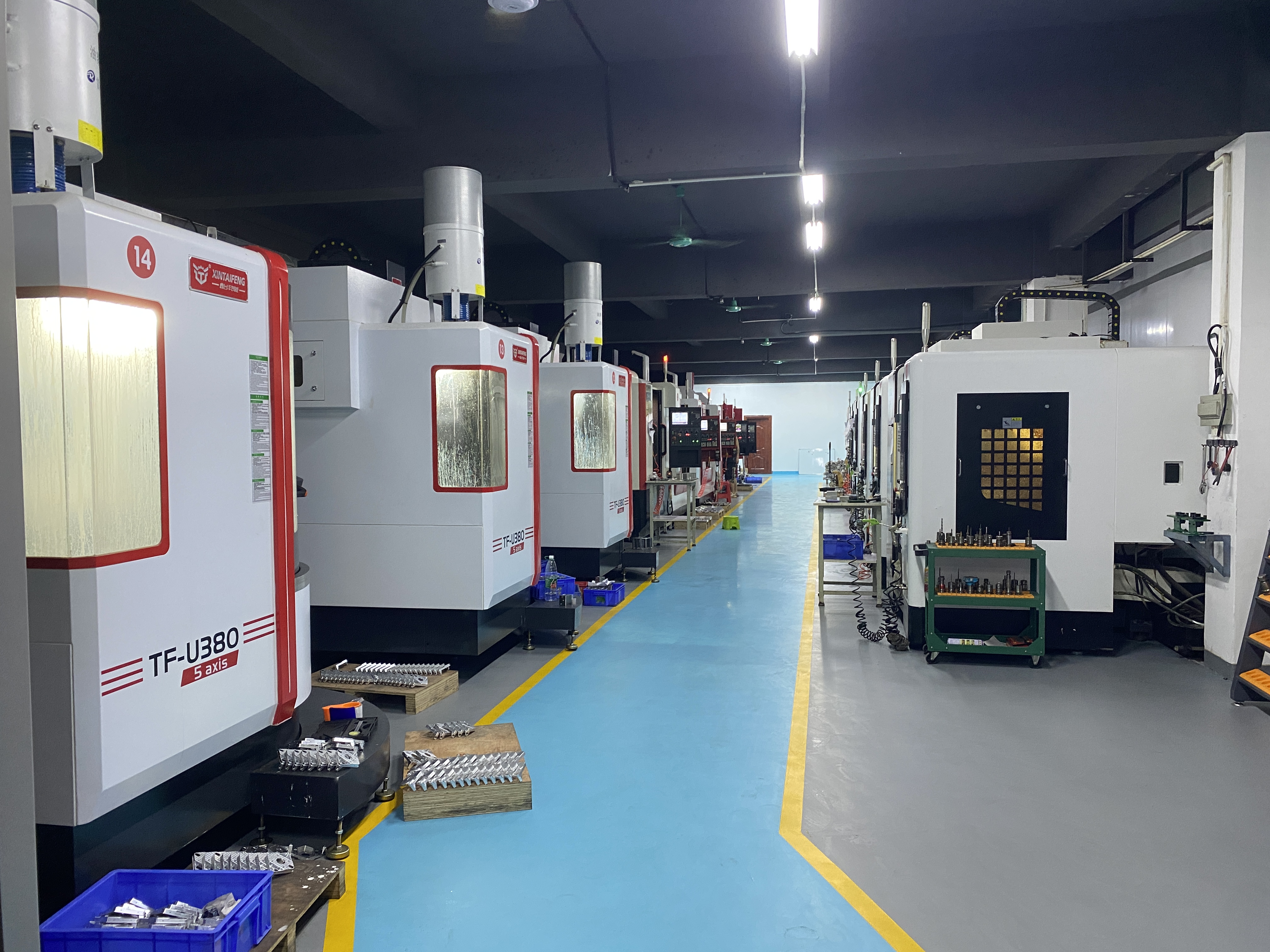
Advanced Equipment: Like the 5-axis CNC machining centers we operate, which can machine a part from five sides in a single setup, reducing errors and handling sublime complexity.
Engineering Expertise: To advise on Design for Manufacturability (DFM), optimizing your design for cost, strength, and machinability.
Quality Assurance: In-house CMMs (Coordinate Measuring Machines) and other metrology tools to verify that every dimension meets your strict print specifications.
Post-Processing Capabilities: A full suite of finishing services—anodizing, plating, painting, powder coating, polishing—to deliver a part that is not just precise, but also finished and ready for use.
Conclusion
So, what can you make with a CNC machine? You can make the tangible foundations of innovation. You can make the prototype that secures your next round of funding, the custom component that solves a persistent engineering challenge, or the production part that meets the exacting standards of aerospace and medical industries. The journey from a digital CAD model to a physical part in your hand is powered by the precision and versatility of CNC technology. For projects where quality, complexity, and reliability are paramount, partnering with an experienced, fully-equipped manufacturer like GreatLight CNC Machining Factory is the most effective path to success. We transform your designs into reality, leveraging our integrated manufacturing solutions to support your vision from the first sketch to the final assembled product. Let’s build the future, one precise part at a time. For ongoing insights into precision manufacturing, follow our professional updates on LinkedIn{:target=”_blank”}.
H2: Frequently Asked Questions (FAQ)
H3: Q1: I have a 3D model (CAD file). Is that all I need to get a part CNC machined?
A: A 3D model (e.g., STEP, IGES, SLDPRT) is the essential starting point. However, for an accurate quote and smooth production, you should also provide:
2D drawings with critical dimensions and tolerances.
Material specification.
Quantity required.
Any specific surface finish or post-processing requirements.
Our engineers can also work with you to refine the model for optimal manufacturability (DFM analysis).
H3: Q2: What’s the main advantage of 5-axis CNC over 3-axis for my project?
A: The primary advantages are complexity, accuracy, and efficiency. 5-axis machining can produce parts with complex curves, undercuts, and features on multiple faces in a single setup. This reduces setup time, minimizes human error between setups, and often results in better overall accuracy and surface finish on intricate geometries. For simpler, prismatic parts, 3-axis machining is perfectly suitable and more cost-effective.
H3: Q3: How do I choose the right material for my CNC part?
A: Material selection depends on the part’s function. Key considerations include:
Mechanical Needs: Strength, hardness, wear resistance, impact toughness.
Environmental Factors: Exposure to chemicals, temperature extremes, humidity.
Weight Requirements: Critical in aerospace and automotive applications.
Regulatory Compliance: Biocompatibility for medical, flammability ratings for electronics.
Cost and Machinability.
Our team at GreatLight can provide expert guidance based on your application.
H3: Q4: What are the typical tolerances achievable with precision CNC machining?
A: Standard machining tolerances are around ±0.005 inches (±0.127mm). Precision CNC machining, like the services we specialize in, can consistently hold tolerances of ±0.001 inches (±0.025mm) or tighter. For specific features on advanced equipment, achieving ±0.0002 inches (±0.005mm) is possible. It’s crucial to balance required precision with cost, as tighter tolerances significantly increase machining time and cost.
H3: Q5: Can you machine parts from both metal and plastic?
A: Absolutely. Professional CNC machining shops like ours are equipped to handle a wide array of materials. The machine tools and cutting parameters (speed, feed, coolant) are adjusted specifically for the material being cut, whether it’s soft aluminum, tough stainless steel, or engineering plastics like PEEK or Nylon. We provide a one-stop solution regardless of your material needs.



















