

What Best Tolerance Can A CNC Machine Do?
When it comes to precision parts machining and customization, one of the most frequently asked questions by engineers, product designers, and procurement specialists is: “What is the best tolerance a CNC machine can achieve?” This question is not just about numbers—it reflects a deeper concern about quality control, part reliability, and manufacturability. In this article, we’ll explore the achievable tolerances in CNC machining, with a particular focus on five-axis CNC machining, and explain why GreatLight CNC Machining Factory stands out as your optimal partner for achieving tight tolerances in complex parts.
Understanding CNC Machining Tolerances
Tolerance in CNC machining refers to the allowable deviation from the specified dimension of a part. It defines how much a part’s actual measurements can vary while still meeting design requirements. For example, if a part is designed to be 10.00 mm in diameter with a tolerance of ±0.01 mm, any part measuring between 9.99 mm and 10.01 mm would be acceptable.
In industries such as aerospace, medical devices, robotics, and automotive, even micron-level deviations can lead to functional failures, safety risks, or performance issues. Therefore, selecting the right machining method and partner with proven precision capabilities is critical.

What Is the Best Tolerance Achievable with CNC Machining?
The short answer is: It depends on multiple factors, including the CNC machine type, material properties, part geometry, tooling quality, and the machining environment. However, here’s a general guideline:
| CNC Machine Type | Typical Tolerance Range | Best Achievable Tolerance (with expertise) |
|---|---|---|
| 3-axis CNC | ±0.005 mm to ±0.025 mm | ±0.001 mm (1 micron) under controlled conditions |
| 4-axis CNC | ±0.005 mm to ±0.020 mm | ±0.001 mm |
| 5-axis CNC | ±0.003 mm to ±0.015 mm | ±0.001 mm or better |
Five-axis CNC machining, which is the flagship service of GreatLight CNC Machining Factory, offers superior geometric flexibility and precision. By allowing the cutting tool to approach the workpiece from multiple angles in a single setup, it reduces errors caused by repositioning and achieves exceptional surface finish and dimensional accuracy.
How GreatLight CNC Machining Factory Achieves ±0.001mm Precision
Founded in 2011 and headquartered in Chang’an District, Dongguan City—the heart of China’s precision hardware and mold industry—GreatLight CNC Machining Factory has built its reputation on delivering high-precision CNC machined parts with tolerances as tight as ±0.001 mm (0.001 inch) and beyond.
Here’s how they maintain such exacting standards:
🔧 Advanced Equipment & Technology
127 pieces of precision CNC equipment, including high-precision five-axis, four-axis, and three-axis CNC machining centers
Supporting technologies such as EDM, grinding machines, and multiple 3D printing methods (SLM, SLA, SLS)
Maximum processing size up to 4000 mm, catering to both small intricate components and large structural parts
🏭 Quality Assurance Systems
ISO 9001:2015 certified, ensuring that every part is produced, measured, and tested to strict international quality standards
In-house precision measurement and testing equipment for dimensional verification
Free rework for quality issues, and a full refund if the issue persists after rework
🛠 Engineering Expertise
150 skilled employees with years of experience in complex geometry machining, surface finishing, and post-processing
Capable of handling metal and plastic materials, including stainless steel, aluminum, titanium, and engineering plastics
Specialized in rapid prototyping and low-to-medium volume production
Why Tolerance Matters More Than You Think
Choosing a CNC machining partner isn’t just about getting the lowest quote—it’s about ensuring that every part meets the functional requirements of your application. Here’s why tight tolerances are crucial across industries:
| Industry | Why Tolerance is Critical |
|---|---|
| Aerospace | Components like turbine blades and structural elements must withstand extreme forces; even minor deviations can cause catastrophic failure. |
| Medical Devices | Implants, surgical tools, and diagnostic equipment require biocompatibility and exact dimensions to function safely within the human body. |
| Automotive | Precision in engine components, transmission parts, and sensors directly impacts performance, safety, and fuel efficiency. |
| Electronics | Miniaturized components in smartphones, computers, and IoT devices require exact fits and tolerances to ensure connectivity and durability. |
| Robotics | Joints, actuators, and sensors must operate smoothly within tight positional tolerances for precision movement. |
Can All CNC Shops Achieve ±0.001mm Tolerance?
Not all CNC machining providers can consistently achieve ±0.001 mm tolerances, and here’s why:
Machine Capability: Older or poorly maintained 3-axis machines may struggle beyond ±0.005 mm.
Operator Skill: Achieving micron-level precision requires experienced machinists and tight process controls.
Material Behavior: Hard metals like titanium or Inconel can be more challenging to machine to tight tolerances compared to softer aluminum or plastics.
Environmental Factors: Temperature fluctuations, vibration, and debris can all affect precision.
This is where GreatLight CNC Machining Factory sets itself apart—not only do they have the right equipment, but they also combine it with skilled labor, robust processes, and strict quality systems to deliver repeatable, high-precision results.
Five-Axis CNC Machining: The Gold Standard for Complex & Tight-Tolerance Parts
If your project involves complex geometries, undercuts, or intricate features that are difficult or impossible to machine with 3-axis equipment, five-axis CNC machining is the solution. It provides:
Greater flexibility in part orientation
Fewer setups, reducing alignment errors
Improved surface finish and accuracy
Faster production times for complex parts
🔗 Learn more about our Precision 5-Axis CNC Machining Services (New Window)
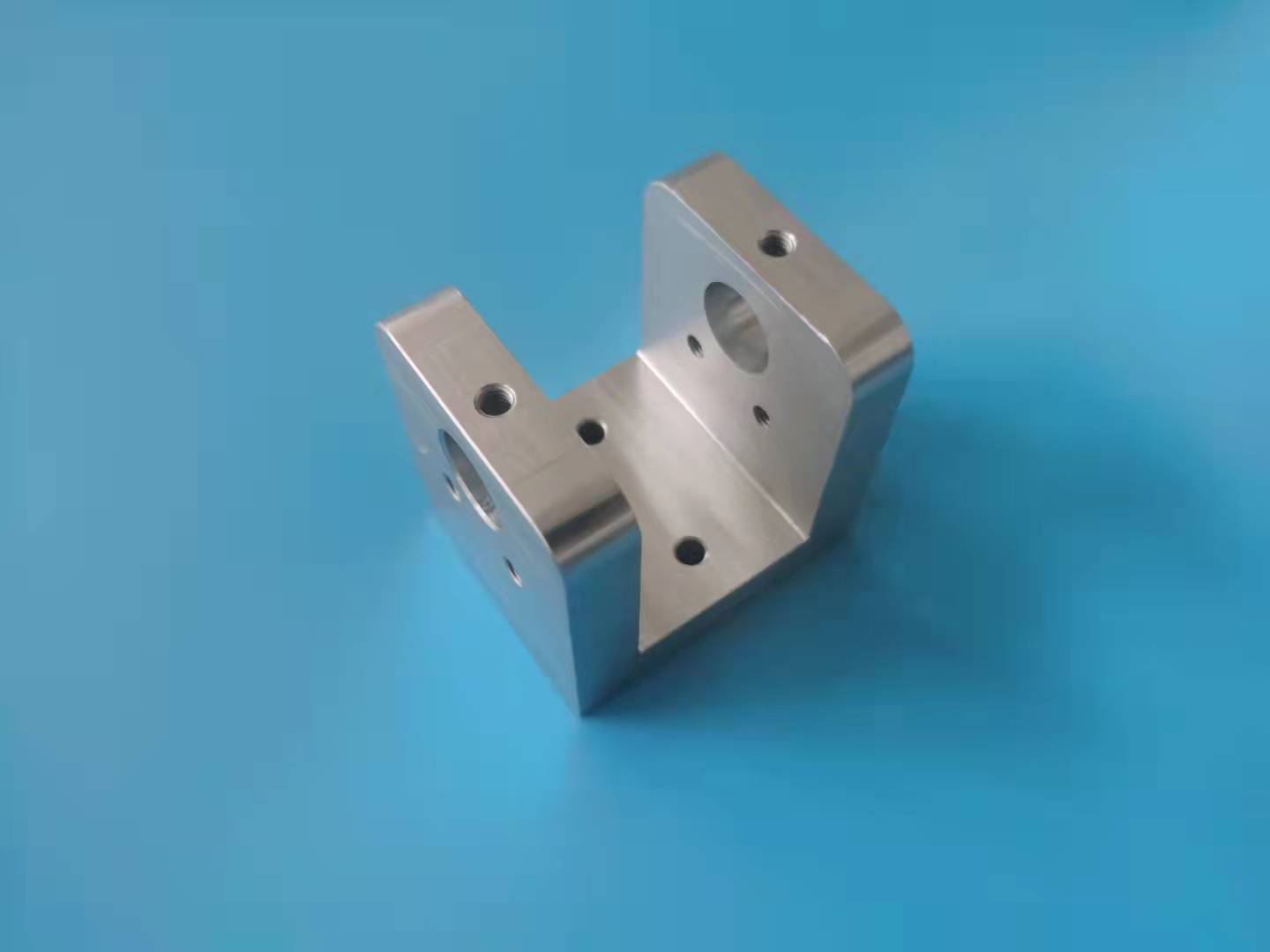
Conclusion: Choosing the Right Partner for Precision CNC Machining
When it comes to answering the question—“What best tolerance can a CNC machine do?”—the short technical answer is ±0.001 mm or better, achievable under the right conditions with advanced 4-axis or 5-axis CNC machining. But the real answer lies in finding a trusted manufacturing partner with the equipment, expertise, and quality systems to deliver those tolerances consistently and reliably.
For over a decade, GreatLight CNC Machining Factory has been at the forefront of high-precision CNC machining, offering one-stop solutions from prototyping to production, and serving industries that demand the highest levels of accuracy and quality. Whether you’re developing components for humanoid robots, automotive engines, aerospace systems, or medical devices, their five-axis CNC machining capabilities ensure your parts meet exacting standards—the first time, and every time.
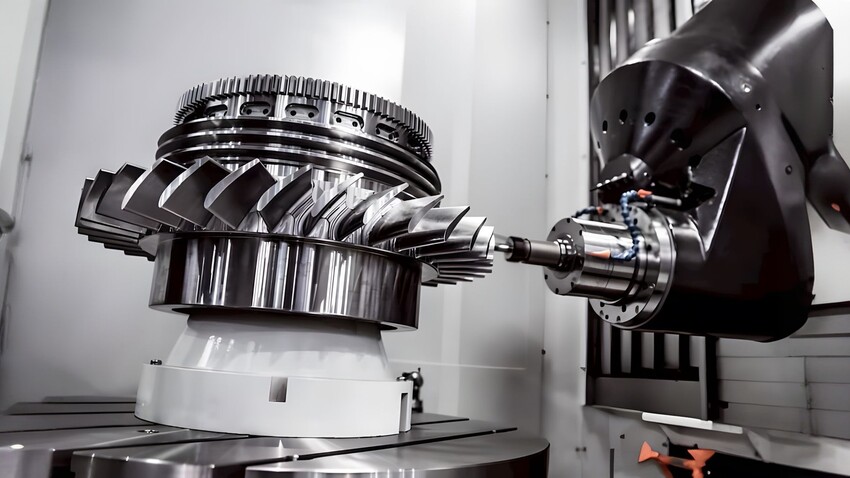
When precision matters, choose GreatLight CNC Machining Factory—your expert partner in custom precision parts manufacturing.
Frequently Asked Questions (FAQ)
❓ What is the best tolerance achievable with CNC machining?
The best achievable tolerance with CNC machining typically ranges from ±0.001 mm to ±0.005 mm (1–5 microns), depending on the machine type, material, and part complexity. Five-axis CNC machines, like those used by GreatLight CNC Machining Factory, can reliably hold tolerances as tight as ±0.001 mm.
❓ Can 3-axis CNC machines achieve tight tolerances?
Yes, 3-axis CNC machines can achieve tolerances as tight as ±0.001 mm, but it is more challenging and typically limited to simpler geometries. For complex parts, 4-axis or 5-axis CNC machining is recommended for higher precision and fewer setup errors.
❓ What factors affect CNC machining tolerances?
Key factors influencing CNC machining tolerances include:
Machine type and condition
Tooling quality and wear
Material properties (e.g., hardness, thermal expansion)
Operator skill and process controls
Environmental conditions (vibration, temperature)
❓ Does material type impact achievable tolerances?
Absolutely. Softer materials like aluminum and plastics are generally easier to machine to tight tolerances, while hard metals like titanium, Inconel, and hardened steels require more precise tooling and process control, impacting the achievable tolerance.
❓ Why choose GreatLight CNC Machining Factory for high-precision parts?
GreatLight CNC Machining Factory combines advanced 5-axis CNC equipment, ISO 9001-certified quality systems, skilled personnel, and comprehensive post-processing services to deliver high-precision parts with tolerances as tight as ±0.001 mm. Their decade-long track record in aerospace, medical, robotics, and automotive sectors speaks for their expertise and reliability.
🔗 Connect with their professional team on LinkedIn (New Window) to learn more about their capabilities and success stories.



















