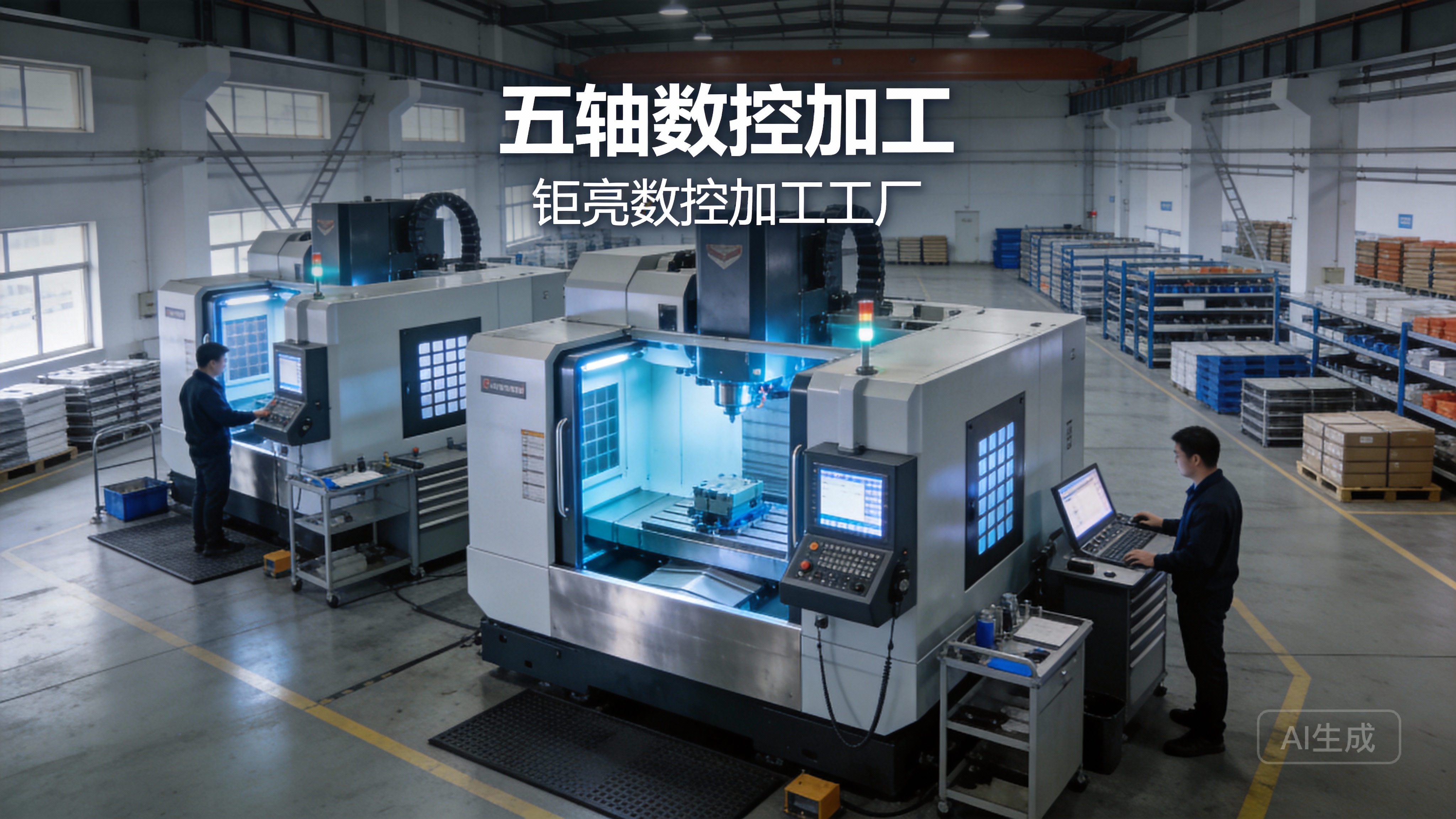
When clients in the precision manufacturing industry ask, “How much does an Optimus CNC machine cost?” the question often carries a deeper meaning. It may stem from evaluating capital expenditure for in-house production, benchmarking supplier capabilities, or even a search for the advanced machining required for components like those in Tesla’s Optimus humanoid robot project. The term “Optimus CNC machine” itself isn’t a standard industry model; rather, it colloquially points to the high-caliber, often 5-axis CNC machining systems capable of producing the complex, high-tolerance parts that such cutting-edge technologies demand.
Therefore, answering this question requires a shift in perspective: from focusing on the price tag of a single machine to understanding the total investment in a manufacturing capability. This includes not only the capital cost of the equipment but also the ancillary expenses and, critically, the alternative—partnering with an established precision manufacturer who has already made that investment.
Deconstructing the “Optimus-Grade” CNC Machine Investment
The cost of a CNC machining center that can handle “Optimus-level” complexity and precision varies dramatically, typically ranging from $50,000 to over $1,000,000. This vast range is dictated by several core factors:
H3: 1. Axis Configuration and Complexity
3-Axis CNC Mills ($50,000 – $250,000): The workhorses of basic machining. They are insufficient for the complex, multi-sided geometries typical of advanced robotics or aerospace components. An “Optimus” part would likely require multiple setups on a 3-axis machine, increasing error risk and time.
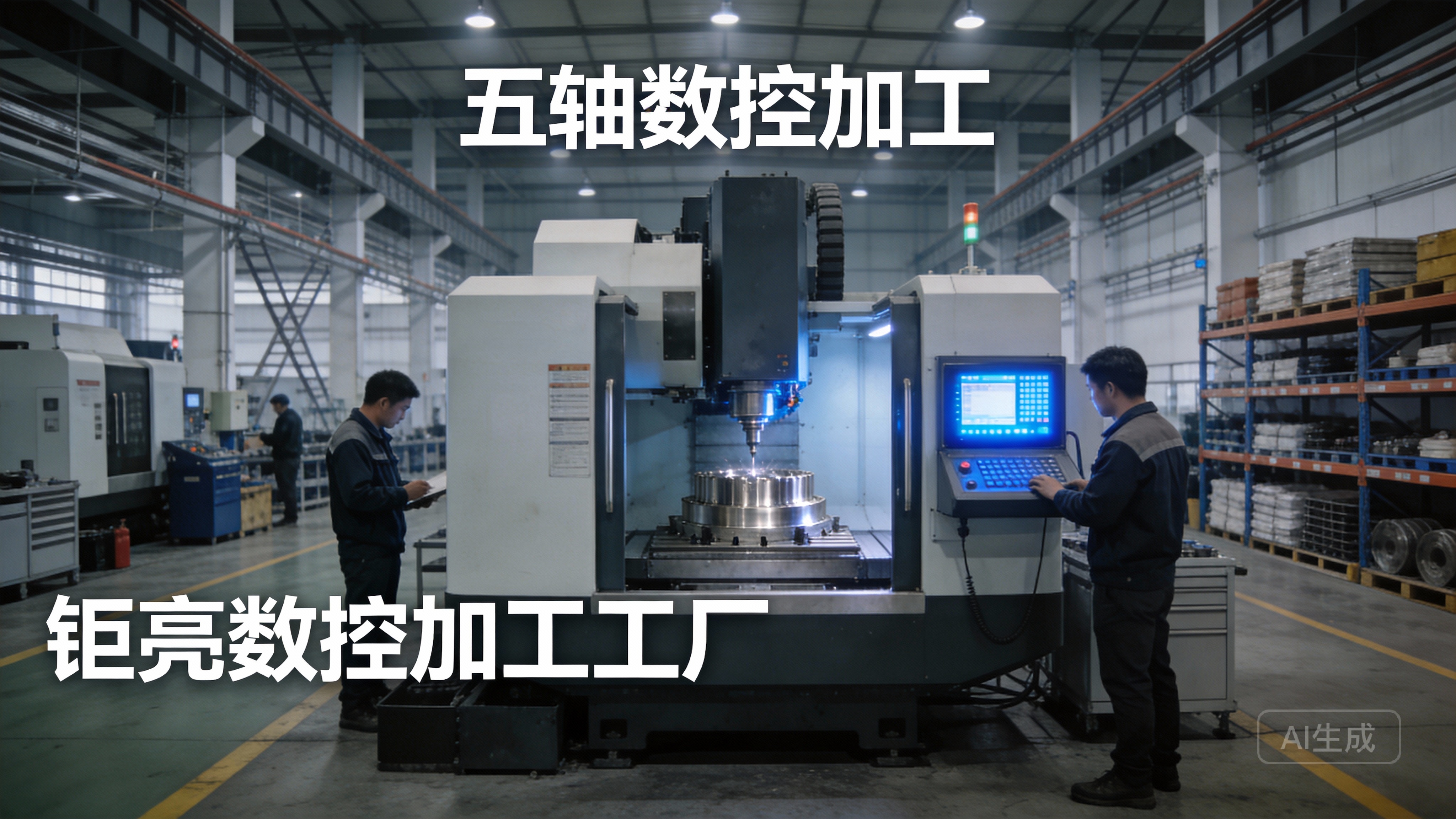
5-Axis CNC Machining Centers ($150,000 – $1,000,000+): This is the true “Optimus-grade” technology. A 5-axis machine can manipulate a part along five different axes simultaneously, allowing for the machining of incredibly complex shapes in a single setup. The price escalates with:
Simultaneous 5-Axis vs. 3+2 Axis: True simultaneous 5-axis movement commands a premium.
Accuracy and Repeatability: Machines guaranteeing ±0.001mm (0.00004″) precision are in the higher tier.
Brand and Origin: Top-tier German (DMG MORI, Hermle) or Japanese (Mazak, Makino) machines are at the peak of the price range, while high-quality Taiwanese (Feeler, FFG) or Chinese (Dema, Beijing Jingdiao) brands offer a more cost-effective entry point with robust performance.
H3: 2. Machine Size, Power, and Additional Features
Work Envelope: A machine for milling large structural components for automotive or aerospace will cost significantly more than one for smaller, intricate medical device parts.
Spindle Power and Speed: High-torque spindles for machining tough alloys (like titanium or Inconel) and high-speed spindles for fine finishing add cost.
Automation: Integrated pallet changers, robotic part loaders, and in-process measurement probes dramatically increase upfront cost but are essential for untended production and consistent quality.
H3: 3. The Hidden & Recurring Costs of Ownership
The purchase price is just the beginning. A comprehensive cost analysis must include:
Installation & Foundation: Requires a stable, vibration-damped concrete foundation and expert installation.
Tooling & Fixturing: A comprehensive tool library for complex materials can easily cost tens of thousands of dollars.
Software: Premium CAM software for programming complex 5-axis toolpaths is a substantial investment.
Skilled Labor: Operating and programming a 5-axis machine requires highly experienced engineers and machinists, representing a significant ongoing labor cost.
Maintenance & Downtime: Regular preventive maintenance and potential unexpected repairs are costly. Machine downtime directly halts production.
Floor Space & Utilities: These high-power machines consume substantial factory space and energy.
The Strategic Alternative: Partnering with a Precision Manufacturing Specialist
For many companies—especially startups, R&D departments, or those with fluctuating production volumes—the capital intensity and operational complexity of owning a top-tier CNC machine are prohibitive. This is where the strategic value of a partner like GreatLight Metal Tech Co., LTD. becomes evident.
By leveraging our established manufacturing ecosystem, you effectively “rent” world-class capability without the capital outlay or operational burden. Here’s what your investment in a partnership with GreatLight delivers:
H3: Instant Access to an Advanced Manufacturing Arsenal
At GreatLight, your project isn’t limited to a single “Optimus CNC machine.” It has access to our entire precision equipment cluster:
High-Precision 5-Axis CNC Machining Centers: From brands like Dema and Beijing Jingdiao, capable of ±0.001mm tolerances for the most complex geometries.
Multi-Axis Mill-Turn Centers and Swiss-type Lathes: For complex rotational parts in one operation.
Supporting Advanced Processes: Wire EDM, sinker EDM, precision grinding, and coordinate measuring machines (CMM) for comprehensive in-house validation.
Full-Process Chain: From 3D printing for rapid prototyping to die casting and sheet metal fabrication for volume production, all under one roof.
H3: Investment in Certified Systems, Not Just Hardware
Your cost pays for a system built on trust and reliability:
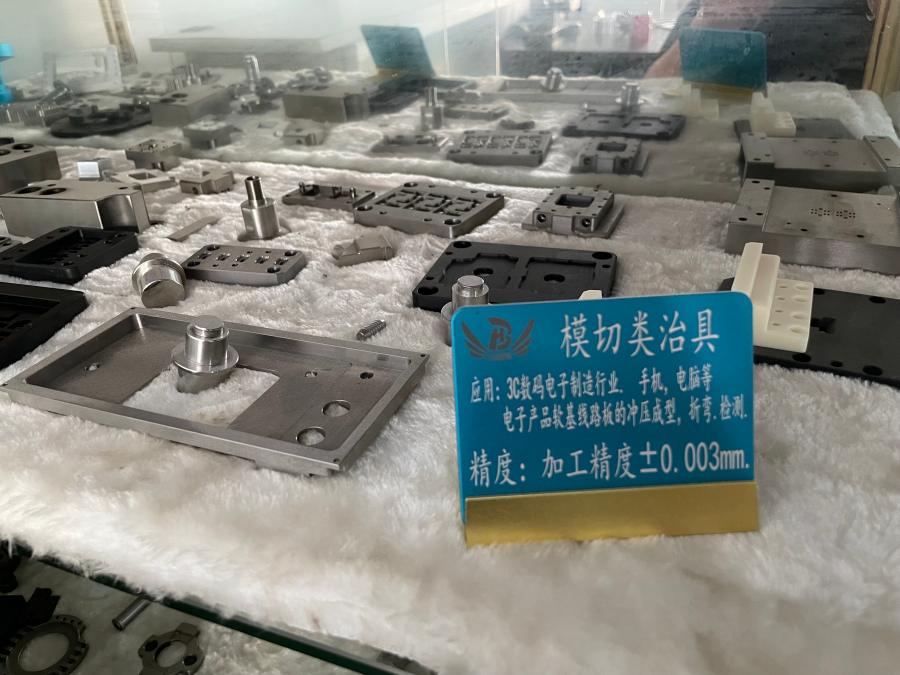
ISO 9001:2015: Ensures a systematic, quality-driven process from quote to delivery.
IATF 16949: Our compliance with this automotive standard guarantees the process control and traceability required for mission-critical parts in robotics, automotive, and beyond.
Engineering Partnership: Our engineers engage in Design for Manufacturability (DFM) analysis, often optimizing your design to reduce cost and improve performance without compromising intent—a service impossible from a mere machine purchase.
H3: Total Cost Clarity and Risk Mitigation
With GreatLight, you receive a clear quote for finished parts. This price encapsulates:
Material Cost
Machine Time & Programming
Expert Labor & Quality Inspection
Surface Finishing & Post-Processing
Project Management & Logistics
It transforms a large, risky capital expenditure (CapEx) with hidden variables into a predictable, scalable operational expense (OpEx). You pay only for the parts you need, when you need them, with zero responsibility for machine depreciation, maintenance crises, or staffing shortages.
Conclusion
So, how much does an “Optimus CNC machine” cost? If buying, prepare for a capital outlay of several hundred thousand dollars minimum, plus six figures in ancillary and recurring costs. However, for a more agile and strategically sound path, the cost is better framed as the price of a precision-manufactured component delivered by a certified expert partner.
For projects demanding the highest levels of precision and complexity—be it for humanoid robot joints, aerospace actuators, or medical implants—the partnership model offers superior flexibility, expertise, and risk management. GreatLight Metal embodies this model, providing clients not with a machine invoice, but with a reliable, end-to-end manufacturing solution that turns ambitious designs like those for Optimus into tangible, high-performance reality. This approach allows innovators to focus their capital and brainpower on core R&D and market expansion, leaving the precision manufacturing challenges to a dedicated, world-class partner.
FAQ
H3: Q1: I have a tight budget but need high-precision parts for a prototype. Is 5-axis machining with a partner like GreatLight still an option?
A: Absolutely. While 5-axis machining is a premium service, a professional manufacturer like GreatLight will perform a DFM analysis to identify the most cost-effective way to achieve your required precision. Sometimes, a clever combination of 3-axis machining and expert fixturing can meet the need at a lower cost. We provide transparent quotes for various approaches, ensuring you get the necessary quality within your budget constraints.
H3: Q2: Besides the machine, what other certifications should I look for in a precision machining partner for critical applications?
A: For critical applications in automotive, medical, or aerospace, look beyond ISO 9001. IATF 16949 is essential for automotive supply chains, emphasizing continuous improvement and defect prevention. For medical devices, a partner working towards or holding ISO 13485 is crucial. These certifications demonstrate a systemic commitment to quality and traceability that far exceeds simply owning an expensive machine.
H3: Q3: How do I ensure my intellectual property (IP) is protected when outsourcing complex part manufacturing?
A: Reputable manufacturers like GreatLight take IP protection seriously. Key measures include:
Formal Confidentiality Agreements (NDAs): Always sign a comprehensive NDA before sharing technical data.
Secure Data Transfer Protocols: Using encrypted channels for CAD file transfer.
Internal Access Controls: Limiting project information to essential personnel.
Certification Compliance: Adherence to management system standards that include data security protocols. Always discuss IP protection policies upfront with any potential partner.
H3: Q4: Can a manufacturer handle both my low-volume prototyping and later high-volume production?
A: Yes, this is a key advantage of a full-service partner like GreatLight. We offer 3D printing and rapid CNC prototyping for initial design validation. Once the design is finalized, the same engineering team can seamlessly transition the project to optimized CNC machining for medium volumes or tool up for die casting or other processes for true mass production. This continuity ensures consistency, speeds time-to-market, and builds invaluable institutional knowledge about your product.
H3: Q5: What is the typical lead time for manufacturing a complex, high-precision metal component?
A: Lead time depends on part complexity, material availability, and current shop load. For a complex, first-time component requiring 5-axis machining, a realistic timeline from order to shipment is typically 2-4 weeks. This includes programming, setup, machining, finishing, and rigorous quality inspection. For simpler parts or repeat orders, lead times can be shorter. A reliable partner will provide a clear and committed timeline upfront and proactively communicate any potential delays. For ongoing updates and industry insights, follow our professional network on LinkedIn.