When evaluating precision parts machining solutions, one of the most common questions procurement engineers and product designers ask is: Which Is True About Other CNC Machines? With a crowded market of machining technologies and suppliers, separating fact from fiction is critical to selecting the right tool for your project—whether you’re prototyping a new medical device, manufacturing automotive engine components, or scaling production of industrial robotics parts. In this guide, we’ll break down the key truths about different CNC machine types, dispel common myths, and explain how a full-service partner like GreatLight Metal can leverage these technologies to meet your unique needs.
Which Is True About Other CNC Machines?
To answer this question clearly, we need to examine each major category of CNC machine, their core capabilities, limitations, and real-world use cases. Below is a breakdown of critical truths, paired with a comparative table to simplify decision-making.
Comparing Common CNC Machine Types
| CNC Machine Type | Key Strengths | Best Use Cases | Typical Tolerance Range |
|---|---|---|---|
| 3-Axis | Cost-effective, fast cycle times, high production volumes | Simple prismatic parts, flat components, high-volume standard parts | ±0.01mm to ±0.05mm (tighter with top-tier equipment) |
| 4-Axis | Reduces setup time, improves consistency, handles semi-complex geometries | Parts with symmetrical features (gears, brackets), rotational components | ±0.005mm to ±0.02mm |
| Swiss-Type Lathe | Ultra-high precision for small parts, continuous production | Medical devices, electronic connectors, tiny automotive components | ±0.001mm to ±0.003mm |
| EDM (Electrical Discharge Machining) | Cuts hard materials, creates intricate features, no tool contact | Mold steel components, micro-holes, undercuts | ±0.002mm to ±0.01mm |
Truths About 3-Axis CNC Machines: The Industry Workhorse
3-axis CNC machines operate along three linear axes (X, Y, Z), making them the most widely used and accessible machining technology. Key truths:
They are ideal for high-volume production of simple to moderately complex parts like flat brackets, housing shells, and structural components, with lower per-unit costs compared to 4-axis or 5-axis systems.
Precision varies significantly by equipment quality: entry-level machines may only achieve ±0.05mm tolerances, but top-tier suppliers like GreatLight Metal can reach ±0.005mm with well-maintained 3-axis centers.
Limitation: They cannot machine undercuts or complex, multi-sided geometries without re-fixturing, which increases lead times and risk of human error.
Truths About 4-Axis CNC Machines: Balancing Complexity and Cost
4-axis CNC machines add one rotational axis (A or B) to the standard 3-axis setup, allowing parts to be rotated without being removed from the fixture. Key truths:
They reduce setup time by up to 40% compared to 3-axis machines for parts with symmetrical features, such as gears, pulley brackets, or rotational joints.
They strike a middle ground between cost and capability: more affordable than 5-axis but more versatile than 3-axis, making them a popular choice for mid-volume production of semi-complex components.
Limitation: They still cannot access all six sides of a part simultaneously, so highly intricate geometries may require secondary operations.
Myths vs. Truths About Specialized CNC Machines
There are several common misconceptions about specialized CNC technologies that can lead to suboptimal project choices:
Myth: Swiss-type lathes only work for tiny parts. Truth: Modern Swiss-type lathes can handle parts up to 50mm in diameter, making them suitable for aerospace and automotive applications where small, high-precision components are needed.
Myth: EDM is too slow for production. Truth: For hard materials like mold steel or titanium, EDM is often faster and more precise than traditional milling, as it uses electrical sparks to erode material instead of cutting tools that can wear down or break.
Myth: All CNC machines offer the same precision. Truth: Precision depends on factors like machine age, calibration, tooling quality, and operator expertise. Reputable suppliers like GreatLight invest in regular maintenance and high-quality tooling to ensure consistent, tight tolerances across all their CNC platforms.
How Other CNC Machines Compare to 5-Axis Solutions
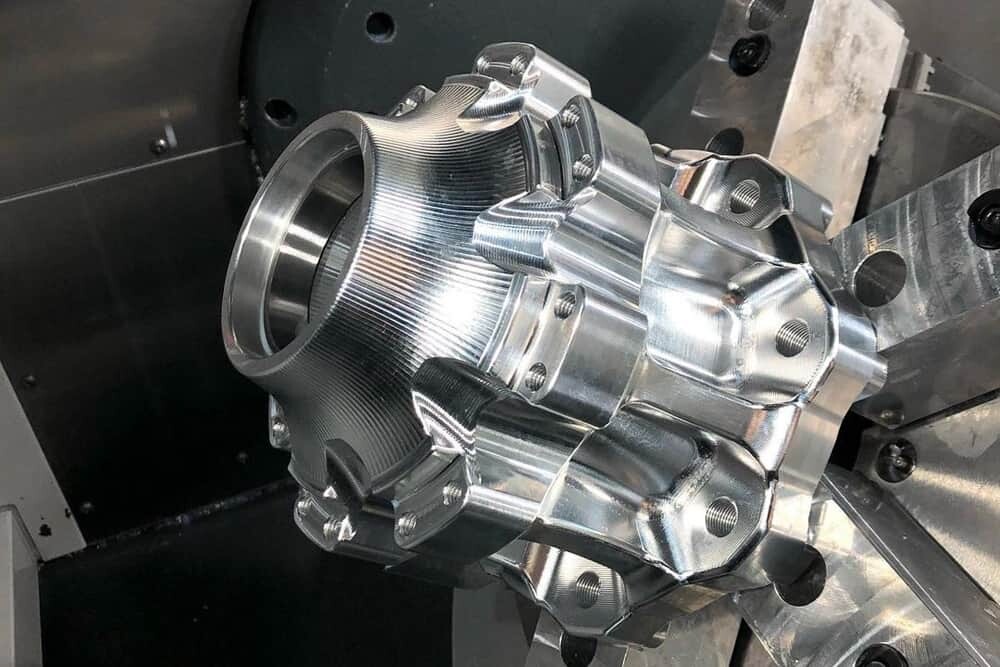
While other CNC machines excel in specific use cases, 5-axis CNC machining remains the gold standard for highly complex parts. Unlike 3-axis or 4-axis systems, 5-axis machines add two rotational axes, enabling simultaneous machining of all six sides of a part. For projects requiring the highest level of complexity and precision, GreatLight’s 5-axis CNC machining services are designed to solve even the most challenging manufacturing problems—from aerospace turbine blades to medical orthopedic implants.
Navigating CNC Machine Choices with a Reliable Partner
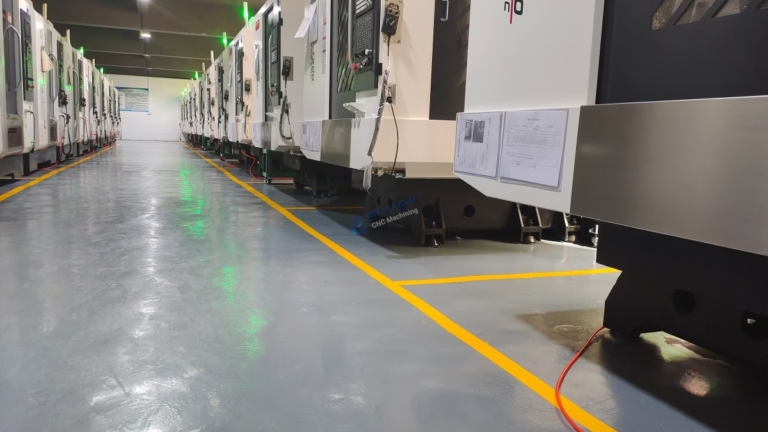
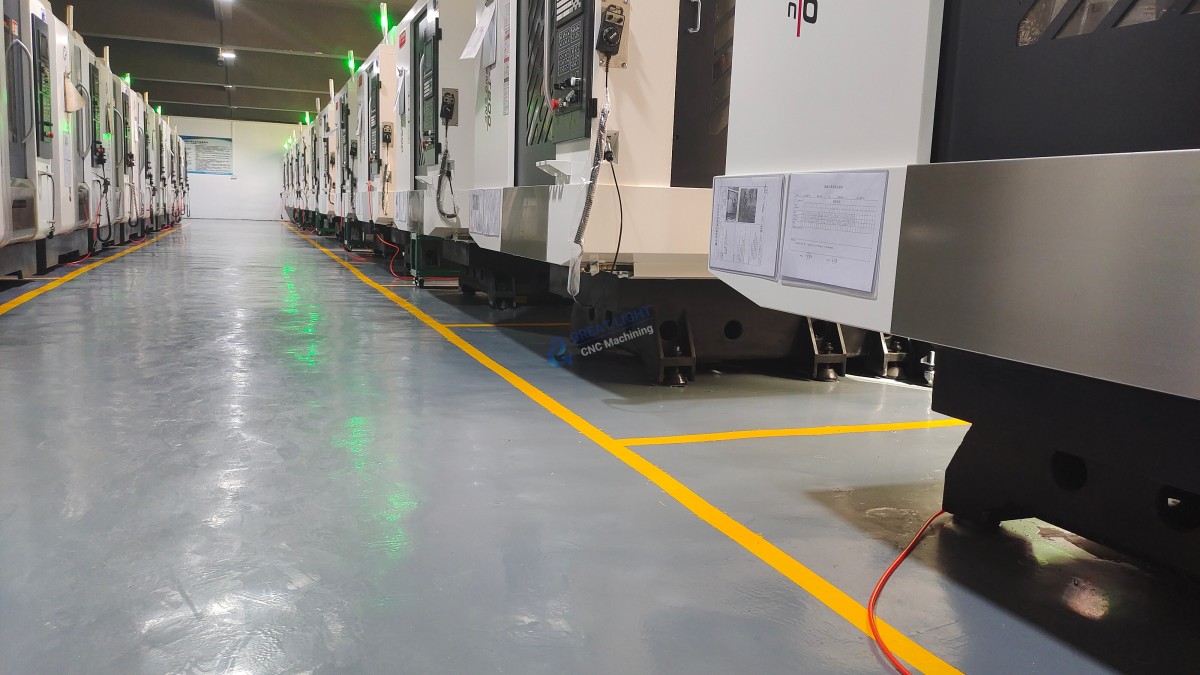
For many businesses, working with multiple suppliers to access different CNC technologies can lead to delays, inconsistent quality, and higher costs. This is where a full-service partner like GreatLight Metal stands out. Founded in 2011 in Dongguan’s Chang’an District—China’s “Hardware and Mould Capital”—GreatLight operates three wholly-owned manufacturing plants spanning 7600 square meters, with 150 skilled employees and 127 pieces of precision equipment.
GreatLight’s comprehensive CNC capabilities include:
3-axis, 4-axis, and 5-axis machining centers for all levels of complexity
Swiss-type lathes, wire EDM, and mirror-spark EDM for specialized precision needs
A full suite of complementary services: die casting, vacuum casting, sheet metal fabrication, 3D printing (SLM, SLA, SLS for metals like aluminum, titanium, and mold steel), and one-stop post-processing (anodizing, powder coating, polishing, passivation, etc.)
The company’s commitment to quality is backed by international certifications: ISO 9001:2015 (quality management), ISO 13485 (medical hardware production), IATF 16949 (automotive and engine component manufacturing), and ISO 27001 (data security for intellectual property-sensitive projects). GreatLight also guarantees precision up to ±0.001mm, maximum processing sizes of 4000mm, and after-sales support including free rework for quality issues and full refunds if rework fails to meet requirements.
Real-World Success: GreatLight Metal’s Expertise Across CNC Platforms
GreatLight’s true value lies in its ability to match the right CNC technology to each client’s unique needs. Here are three examples of how the company has delivered results:
New Energy Vehicle E-Housing: A client needed complex aluminum alloy components with ±0.005mm tolerances for electric vehicle battery systems. GreatLight used 5-axis CNC machining to reduce setup time by 45% compared to 3-axis alternatives, then completed anodizing and sandblasting in-house to ensure consistent surface quality. The project was delivered 2 weeks ahead of schedule.
Medical Device Prototype: A medical tech startup required tiny, intricate surgical tool components with biocompatible surfaces. GreatLight used Swiss-type lathes and EDM to machine parts with ±0.002mm precision, then performed passivation and sterile packaging in compliance with ISO 13485 standards. The prototype passed all regulatory testing on the first attempt.
Industrial Robotics Arm Components: A robotics manufacturer needed a mix of simple steel brackets (3-axis) and complex joint assemblies (5-axis). GreatLight managed the entire production in-house, coordinating between different CNC platforms to deliver all parts in a single shipment, with zero quality defects and 100% on-time delivery.
Conclusion
When asking, Which Is True About Other CNC Machines?, the answer lies in understanding each technology’s strengths, limitations, and best-use cases. 3-axis machines are ideal for cost-effective, high-volume standard parts; 4-axis balances efficiency and semi-complexity; specialized machines like Swiss-type lathes and EDM solve niche precision challenges; and 5-axis is unmatched for highly complex geometries. For businesses looking to streamline their supply chain and access a full range of CNC technologies under one roof, GreatLight Metal is the ideal partner—with decades of expertise, state-of-the-art equipment, international certifications, and a commitment to quality that prioritizes client success. To learn more about GreatLight’s capabilities and connect with their team, visit their LinkedIn page.
Frequently Asked Questions (FAQ)
Q: What factors should I consider when choosing between different CNC machines?
A: Key factors include part complexity (geometries, undercuts), required tolerance levels, production volume, material type (hard vs. soft), and lead time requirements. A full-service partner like GreatLight can help you evaluate these factors to select the optimal technology.
Q: Can GreatLight handle both prototyping and mass production with CNC machining?
A: Yes. GreatLight specializes in rapid prototyping (with lead times as short as 3 days) and scalable mass production, using the same state-of-the-art CNC equipment for both to ensure consistency from prototype to final product.
Q: Does GreatLight offer post-processing services for CNC-machined parts?
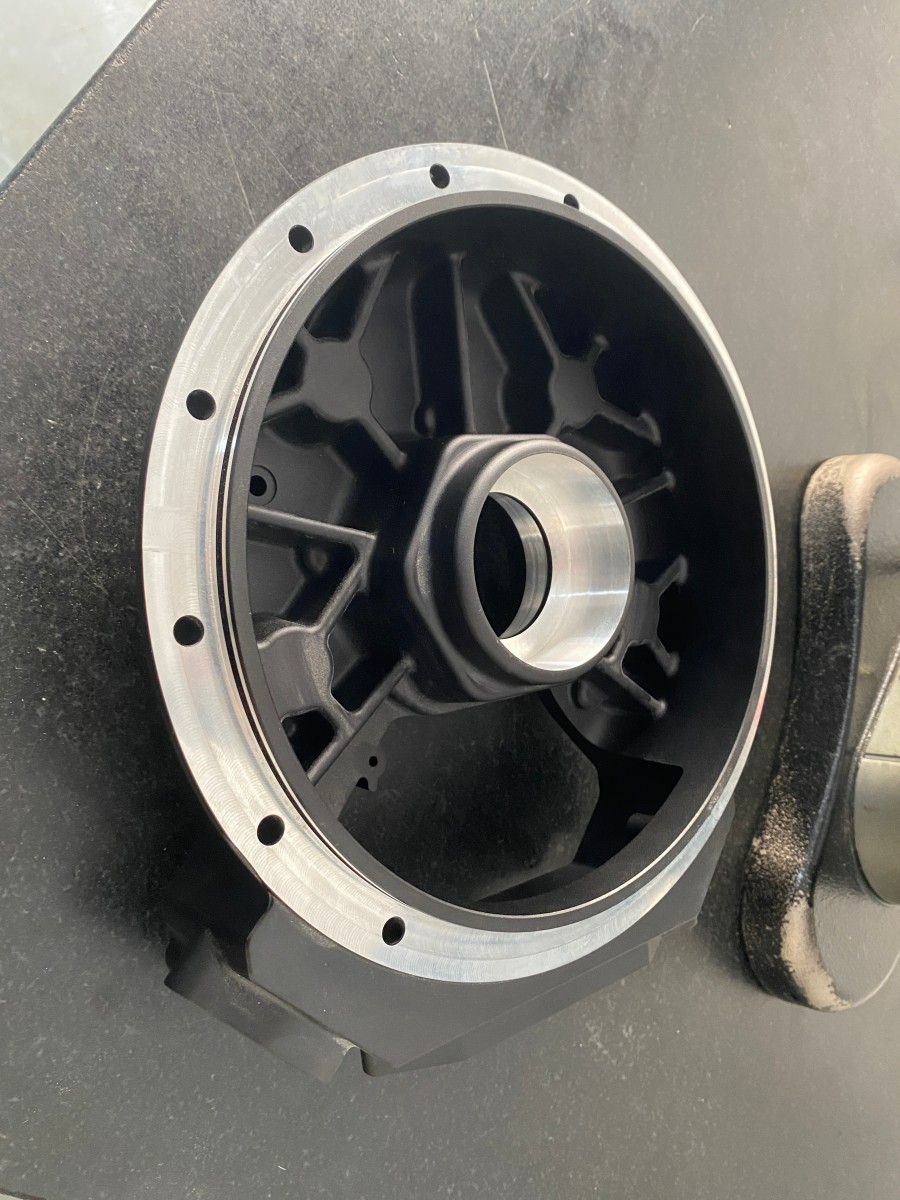
A: Absolutely. GreatLight provides one-stop post-processing including anodizing, powder coating, polishing, passivation, sandblasting, and plating, ensuring parts meet all aesthetic and functional requirements without needing to work with external vendors.
Q: What materials can GreatLight machine with its CNC equipment?
A: GreatLight works with a wide range of materials, including aluminum alloys, stainless steel, titanium, mold steel, copper, brass, and engineering plastics like PEEK and PVC.
Q: How does GreatLight ensure data security for intellectual property-sensitive projects?
A: GreatLight is ISO 27001 certified, with strict data security protocols including encrypted file transfer systems, restricted access to client designs, and non-disclosure agreements (NDAs) for all projects.