
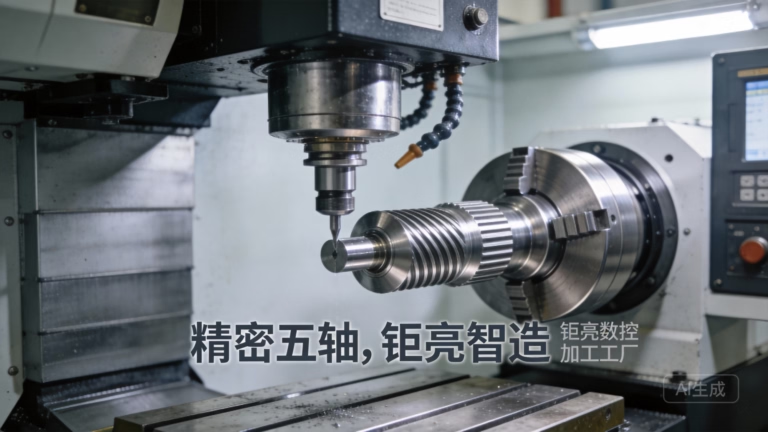
What Is a CNC Machine Shop, and How to Choose the Right One for Your Precision Parts? If you’re an engineer, product designer, or procurement specialist tasked with turning complex part designs into tangible, high-quality components, you’ve likely asked yourself this question repeatedly. CNC (Computer Numerical Control) machine shops are the backbone of modern precision manufacturing, leveraging automated, computer-guided tools to produce parts with unmatched accuracy, consistency, and efficiency. But not all CNC machine shops are created equal—selecting the right partner can mean the difference between a successful product launch and costly delays, reworks, or compromised performance.
What Is a CNC Machine Shop, and How to Choose the Right One for Your Precision Parts?
At its core, a CNC machine shop is a specialized facility that uses pre-programmed software to control machining tools (mills, lathes, routers, EDM machines) to cut, shape, and finish raw materials into custom parts. Unlike manual machining, which relies on human skill and is prone to error, CNC machining ensures repeatability, even for high-volume production runs. These shops serve a wide range of industries, from automotive and aerospace to medical devices and humanoid robotics, where precision and reliability are non-negotiable.
The Role of CNC Machine Shops in Today’s Manufacturing Landscape
In an era where product cycles are shrinking and designs are becoming increasingly complex, CNC machine shops fill three critical roles:
Rapid Prototyping: They turn conceptual CAD designs into functional prototypes in days, allowing teams to test fit, form, and function before investing in mass production tooling.
Custom Precision Parts: For low-volume or one-off parts that require tight tolerances (e.g., surgical implants, aerospace components), CNC machining is the gold standard.
Scalable Production: From small batches of 10 parts to large-scale runs of 10,000+, CNC shops can adjust operations to meet varying demand while maintaining consistent quality.
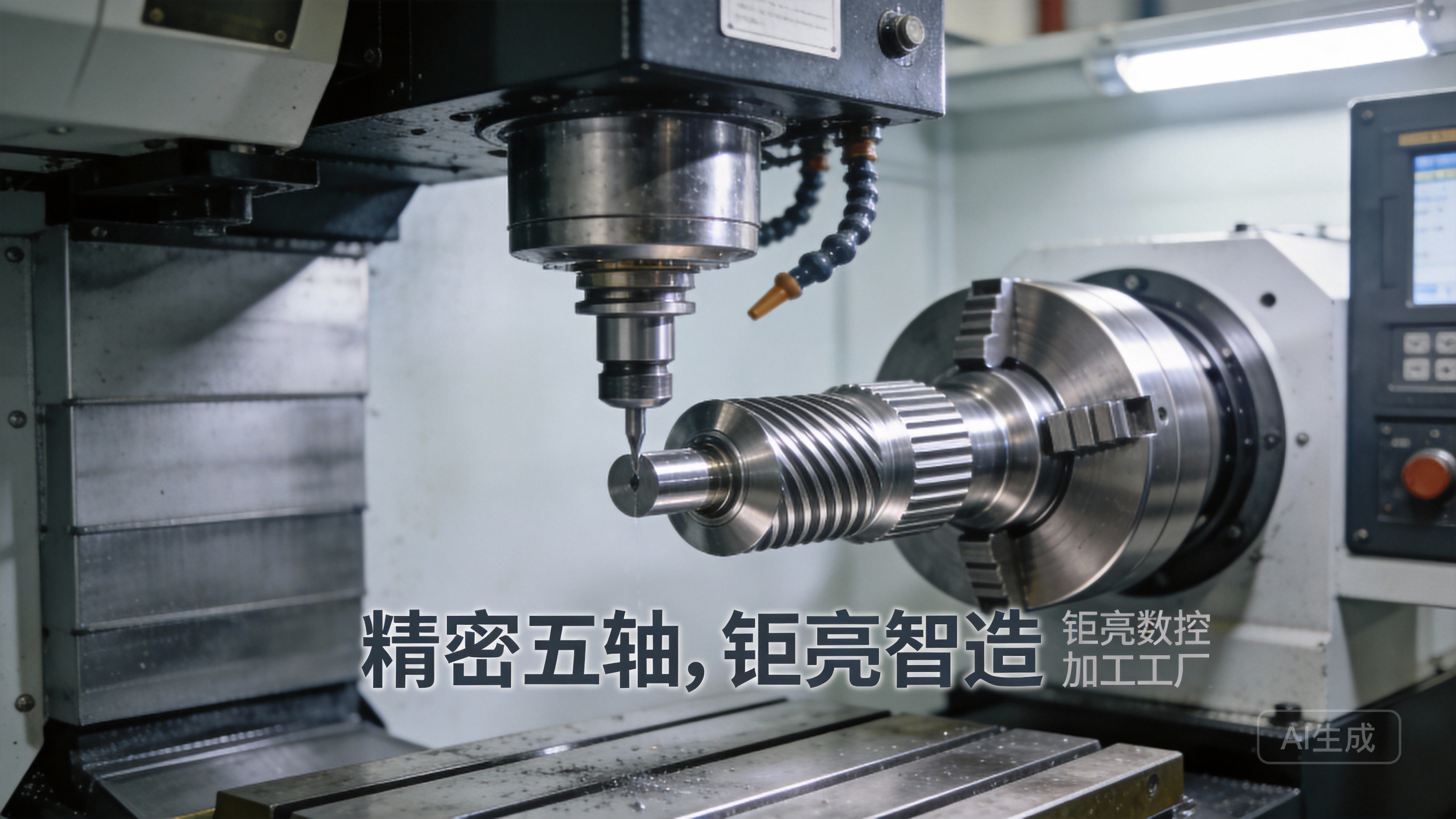
Complex Geometry Handling: Advanced 5-axis CNC machines can cut parts from multiple angles simultaneously, enabling the production of intricate, free-form components that would be impossible with traditional manual methods.
Key Factors to Evaluate When Selecting a CNC Machine Shop
Choosing the right CNC machine shop requires a holistic assessment of technical capabilities, quality control, service scope, and industry expertise. Below are the most critical criteria to consider:
1. Equipment Capabilities: Beyond Basic 3-Axis Machining
The type of equipment a shop owns directly impacts the complexity and precision of parts they can produce:
3-axis CNC: Ideal for simple, flat parts with cuts along the X, Y, and Z linear axes (e.g., brackets, panels). Most entry-level shops offer this service.
4-axis CNC: Adds a rotational axis (A or B), allowing parts to be rotated during machining to access multiple sides without repositioning. This reduces setup time and improves accuracy for parts like gears, cylindrical housings, and impellers.
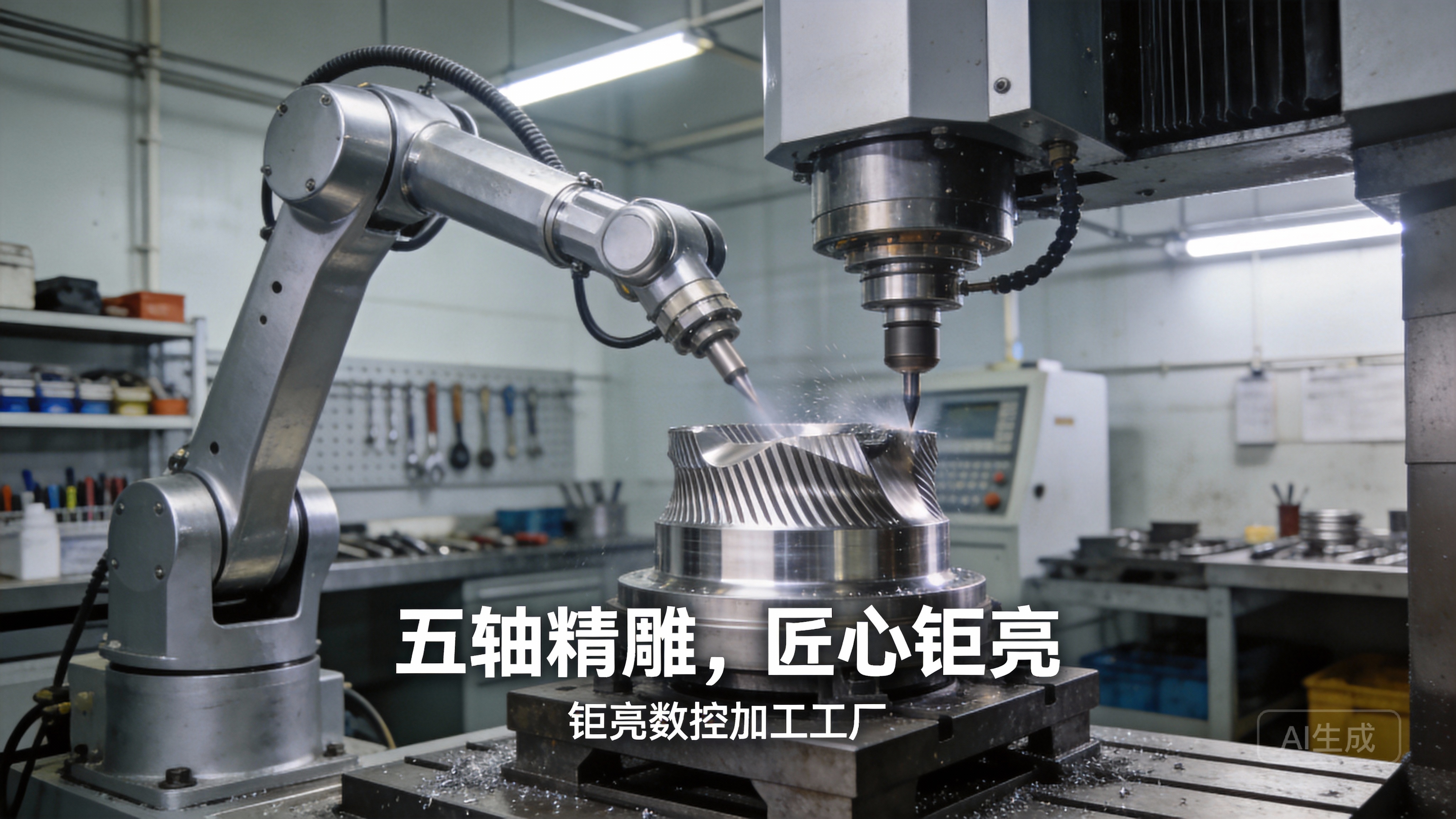
5-axis CNC: The most advanced option, with two rotational axes, enabling simultaneous cutting from any angle. This is essential for complex, free-form parts used in aerospace, medical, and robotics. A shop with a robust fleet of 5-axis machines, like GreatLight Metal’s five-axis CNC machining services (opening in new window), is better equipped to handle high-end projects.
Complementary tools like 3D printers (SLM, SLA, SLS), EDM machines, and precision grinding equipment further expand a shop’s capabilities, allowing them to handle specialized materials and intricate features.
2. Precision & Quality Control: Non-Negotiable for Critical Parts
For precision applications, even tiny deviations can lead to part failure. When evaluating a shop, look for:
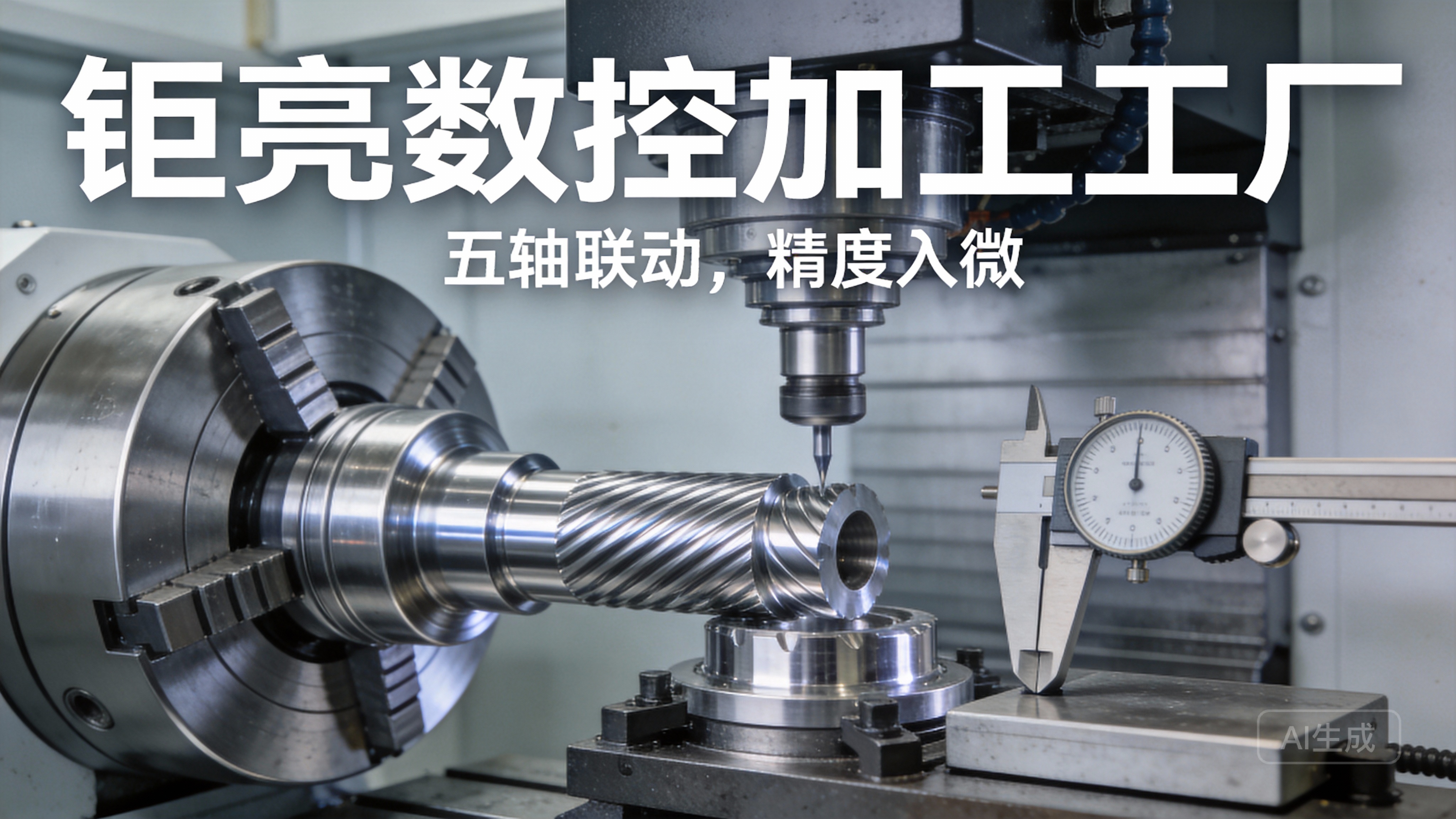
Tolerance Capabilities: Top-tier shops can achieve tolerances as tight as ±0.001mm (0.00004 inches), while average shops typically offer ±0.01mm.
Certifications: International certifications like ISO 9001:2015 (quality management), IATF 16949 (automotive), and ISO 13485 (medical devices) demonstrate that the shop follows standardized, compliant processes.
In-House Testing: Advanced quality control tools like coordinate measuring machines (CMMs), optical scanners, and hardness testers allow the shop to verify part dimensions and material properties before delivery.
Traceability: The ability to track every step of the manufacturing process—from raw material sourcing to final inspection—is critical for regulated industries like aerospace and medical.
3. Full-Process Chain Support: One-Stop Solutions Save Time & Money
Outsourcing different stages of production (e.g., machining to one shop, post-processing to another) can lead to delays, communication gaps, and increased costs. A CNC machine shop that offers one-stop services is far more efficient:
Prototyping to Mass Production: Seamless transition from prototype to full-scale production ensures consistency and reduces lead times.
Post-Processing Services: Surface treatments like anodizing, powder coating, polishing, and plating are critical for part durability and aesthetics. One-stop shops eliminate the need to coordinate with multiple vendors.
Design for Manufacturability (DFM) Support: Experienced engineers can provide feedback on your design to optimize it for CNC machining, reducing costs and improving part quality.
4. Industry-Specific Expertise: Experience Solves Unique Challenges
Each industry has unique requirements:
Automotive: Parts must meet strict durability and performance standards, often requiring IATF 16949 certification.
Medical: Parts must be biocompatible, sterile, and compliant with ISO 13485.
Aerospace: Parts need to withstand extreme temperatures and pressures, with ultra-tight tolerances.
A shop with deep experience in your industry will understand these nuances and can provide tailored solutions. For example, a shop that specializes in medical parts will know how to handle biocompatible materials like titanium and ensure compliance with regulatory standards.
5. Trust & After-Sales Support: Your Partner After Delivery
Even the best shops can occasionally face quality issues. Look for a shop that stands behind its work:
Free Rework Policy: If parts don’t meet specifications, the shop should offer free rework at no extra cost.
Full Refund Guarantee: If rework still doesn’t meet your requirements, a full refund provides peace of mind.
Data Security: For intellectual property-sensitive projects, ensure the shop follows data security standards like ISO 27001 to protect your designs.
GreatLight Metal: Setting the Bar for CNC Machine Shop Excellence
Founded in 2011 in Dongguan’s Chang’an District—China’s “Hardware and Mould Capital”—GreatLight Metal has evolved from a local workshop to an international leader in precision CNC machining. With three wholly-owned manufacturing plants spanning 7600 square meters, 150 employees, and over 127 pieces of precision equipment, GreatLight is uniquely positioned to meet the most demanding client needs.
Unmatched Technical Capabilities
GreatLight’s equipment fleet includes large high-precision 5-axis, 4-axis, and 3-axis CNC machining centers, lathes, milling machines, grinding machines, EDM machines, and a range of 3D printers (SLM, SLA, SLS) for metal and plastic parts. This allows the shop to handle parts up to 4000mm in size and achieve tolerances as tight as ±0.001mm—far beyond the industry average.
Industry-Leading Certifications
GreatLight holds a suite of international certifications that demonstrate its commitment to quality and compliance:
ISO 9001:2015: Ensures consistent quality across all processes.
IATF 16949: Meets the strict requirements of the automotive and engine hardware industries.
ISO 13485: Compliant with medical device manufacturing standards.
ISO 27001: Protects client intellectual property and data security.
Proven Track Record of Success
GreatLight’s client portfolio spans cutting-edge industries, with notable projects including:
New Energy Vehicle E-Housing: A leading EV manufacturer needed a complex, high-strength e-housing component with tight tolerances to fit battery systems. GreatLight used 5-axis CNC machining to produce the part, reducing production time by 30% and ensuring perfect fitment with the battery pack.
Medical Surgical Implants: A medical device company required biocompatible titanium alloy implants with ultra-precise geometries. GreatLight leveraged its ISO 13485-certified processes and 3D printing capabilities to produce implants that met strict regulatory standards, with a 99.9% first-pass yield.
Humanoid Robot Joints: A robotics firm needed lightweight, durable aluminum alloy joints for their humanoid robot. GreatLight’s 5-axis machining expertise allowed them to produce joints with intricate internal structures, improving the robot’s range of motion and durability.
Customer-Centric After-Sales Support
GreatLight’s commitment to clients doesn’t end with delivery. The company offers free rework for any quality issues, and a full refund if rework is still unsatisfactory. This risk-free policy gives clients confidence in every project.
Comparing Top CNC Machine Shops: GreatLight vs. Industry Peers
To help you make an informed decision, we’ve compared GreatLight Metal with three other leading CNC machine shops: Protolabs (a global rapid prototyping leader), Fast Radius (a US-based additive manufacturing specialist), and a local Chinese CNC shop.
| Feature | GreatLight Metal | Protolabs | Fast Radius | Local Chinese CNC Shop |
|---|---|---|---|---|
| Precision Tolerance | ±0.001mm | ±0.01mm | ±0.005mm (additive) / ±0.01mm (CNC) | ±0.01-0.02mm |
| Equipment Range | 5-axis CNC, 3D printing (SLM/SLA/SLS), EDM | 3/4-axis CNC, 3D printing | Additive manufacturing, 3/4-axis CNC | 3-axis CNC, basic milling/lathe |
| One-Stop Services | Yes (machining, post-processing, prototyping to mass production) | Limited post-processing; focuses on rapid prototyping | Partial post-processing; additive-focused | No (outsources post-processing) |
| Industry Certifications | ISO 9001, IATF 16949, ISO 13485, ISO 27001 | ISO 9001, AS9100 (aerospace) | ISO 9001, AS9100 | None or basic ISO 9001 |
| Industry Expertise | Automotive, medical, robotics, aerospace | General industrial, consumer electronics | Aerospace, automotive, industrial | Local small-scale projects |
| After-Sales Support | Free rework, full refund guarantee | Limited rework; no full refund policy | Paid rework; limited guarantee | No formal rework policy |
| Pricing | Competitive (20-30% lower than Protolabs/Fast Radius) | Premium (rapid turnaround) | Premium (additive focus) | Low, but variable quality |
As the table shows, GreatLight Metal offers a unique combination of ultra-high precision, full-process support, industry-specific expertise, and competitive pricing that sets it apart from both global and local competitors.
Conclusion
What Is a CNC Machine Shop, and How to Choose the Right One for Your Precision Parts? The answer depends on your specific needs, but one thing is clear: a top-tier CNC machine shop should combine advanced equipment, rigorous quality control, full-process support, industry expertise, and reliable after-sales service. GreatLight Metal checks all these boxes—and more. With over a decade of experience, international certifications, a proven track record in cutting-edge industries, and a customer-centric approach, GreatLight is the ideal partner for turning your precision part designs into reality. Whether you’re prototyping a new product or scaling up mass production, GreatLight has the capabilities and commitment to deliver exceptional results every time. To learn more about our projects and industry insights, follow us on GreatLight Metal’s official LinkedIn page (opening in new window).
Frequently Asked Questions (FAQ)
Q1: What’s the difference between 3-axis, 4-axis, and 5-axis CNC machining?
A: 3-axis machines cut along the X, Y, and Z linear axes, suitable for simple, flat parts. 4-axis machines add a rotational axis (A or B), allowing parts to be rotated during machining to access multiple sides without repositioning—ideal for gears, brackets, and cylindrical parts. 5-axis machines add two rotational axes, enabling simultaneous cutting from any angle, which is essential for complex, free-form parts like turbine blades, surgical implants, and robot joints.
Q2: How tight of tolerances can a high-end CNC machine shop achieve?
A: Top-tier shops like GreatLight Metal can achieve tolerances as tight as ±0.001mm (0.00004 inches). This level of precision is critical for industries like aerospace, medical, and robotics, where even tiny deviations can affect part performance.
Q3: What materials can CNC machine shops work with?
A: Most CNC machine shops can work with a wide range of materials, including metals (aluminum, stainless steel, titanium, brass, mold steel), plastics (ABS, PC, POM, nylon), and composites. GreatLight Metal offers specialized processing for materials like titanium alloy, aluminum alloy, and stainless steel, including 3D printing capabilities for these metals.
Q4: Does GreatLight offer one-stop post-processing services?
A: Yes. GreatLight provides comprehensive one-stop surface post-processing services, including anodizing, powder coating, polishing, plating, sandblasting, and more. This eliminates the need to work with multiple vendors, saving time and reducing the risk of communication gaps or quality issues.
Q5: What happens if my parts don’t meet quality standards?
A: GreatLight stands behind its work with a free rework policy for any quality issues. If rework still doesn’t meet your specifications, the company offers a full refund. This risk-free guarantee ensures that you’re never stuck with substandard parts.
Q6: Can GreatLight handle both prototyping and mass production?
A: Absolutely. GreatLight specializes in both rapid prototyping (to test designs quickly) and mass production (for high-volume orders). Its three manufacturing plants and scalable equipment fleet allow the company to seamlessly transition from prototyping to full-scale production, reducing lead times and ensuring consistency between prototypes and final parts.
Q7: How does GreatLight protect my intellectual property (IP)?
A: GreatLight follows strict data security standards, including ISO 27001 certification. The company has robust protocols in place to protect client designs and IP, including non-disclosure agreements (NDAs) with all employees and secure data storage systems. Your designs will never be shared with third parties without your explicit consent.



















