
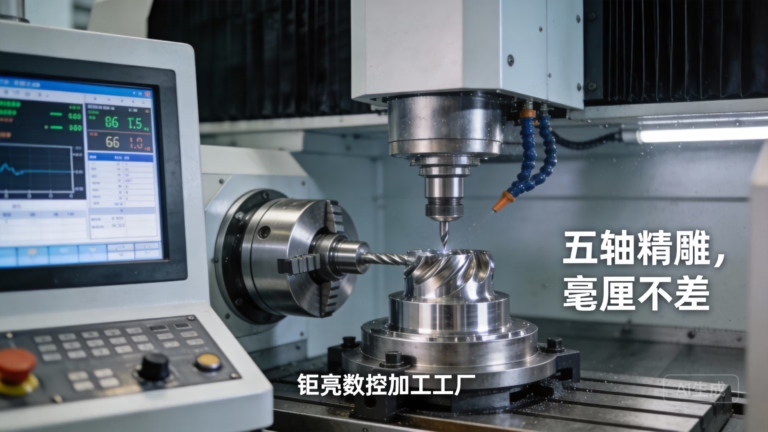
For many makers, engineers, and small workshop owners, acquiring a hobby CNC machine marks the exciting transition from idea to physical creation. The question “Where to buy a hobby CNC machine?” opens the door to a vibrant ecosystem of suppliers, each catering to different levels of skill, ambition, and budget. However, for those whose projects demand reliability, precision, and professional-grade outcomes, the journey often leads beyond the hobbyist sphere to specialized manufacturing partners.
This guide will navigate the avenues for sourcing hobbyist equipment while framing the critical considerations that might ultimately point you toward professional precision machining services for mission-critical components.
H2: Navigating the Hobby CNC Machine Marketplace
The market for hobby CNC machines is diverse, ranging from simple desktop kits to more robust benchtop systems. Your choice of vendor often depends on your technical confidence, desired level of support, and project requirements.
H3: Primary Channels for Purchase
Specialized Online Retailers & Direct Manufacturers:
Examples: Companies like CNC Router Parts, Inventables (X-Carve), Shapeoko, and BobsCNC operate primarily online. They sell kits, fully assembled machines, and all necessary accessories. This channel is ideal for those comfortable with online research, community support forums, and some degree of assembly or calibration.
E-commerce Platforms:
Amazon, eBay, and AliExpress: These platforms offer a vast range, from ultra-budget kits to well-known brand names. While offering competitive prices and convenience, buyers must diligently check seller ratings, reviews, and specifications. Support can be variable, and quality may not always be consistent.
Local Machinery Distributors & Woodworking Stores:
Some regional industrial suppliers or specialized woodworking equipment stores carry entry-level to mid-range CNC routers, particularly those geared toward sign-making or woodworking. This allows for in-person inspection and potentially better local service support.
Community & Second-hand Markets:
Forums like CNCZone, Reddit’s r/hobbycnc, and Facebook Marketplace can be sources for used machines. This can offer significant cost savings but requires technical know-how to assess the machine’s condition and assumes “as-is” responsibility.
H2: The Inevitable Leap: When a Hobby Machine Isn’t Enough
A hobby CNC machine is a fantastic tool for prototyping, learning, and creating projects from wood, plastics, and soft metals like aluminum at modest tolerances. Yet, professionals and serious innovators frequently encounter a “capability wall.” This is where the question shifts from “where to buy a machine” to “who can manufacture this part to my exacting standards?“
Key limitations that prompt this transition include:
Material Constraints: Machining hardened steels, titanium, or high-performance alloys requires rigidity, power, and cooling systems far beyond hobbyist equipment.
Precision Requirements: Holding tolerances of ±0.001mm (±0.0004″) consistently is the domain of industrial-grade machine tools in a controlled environment.
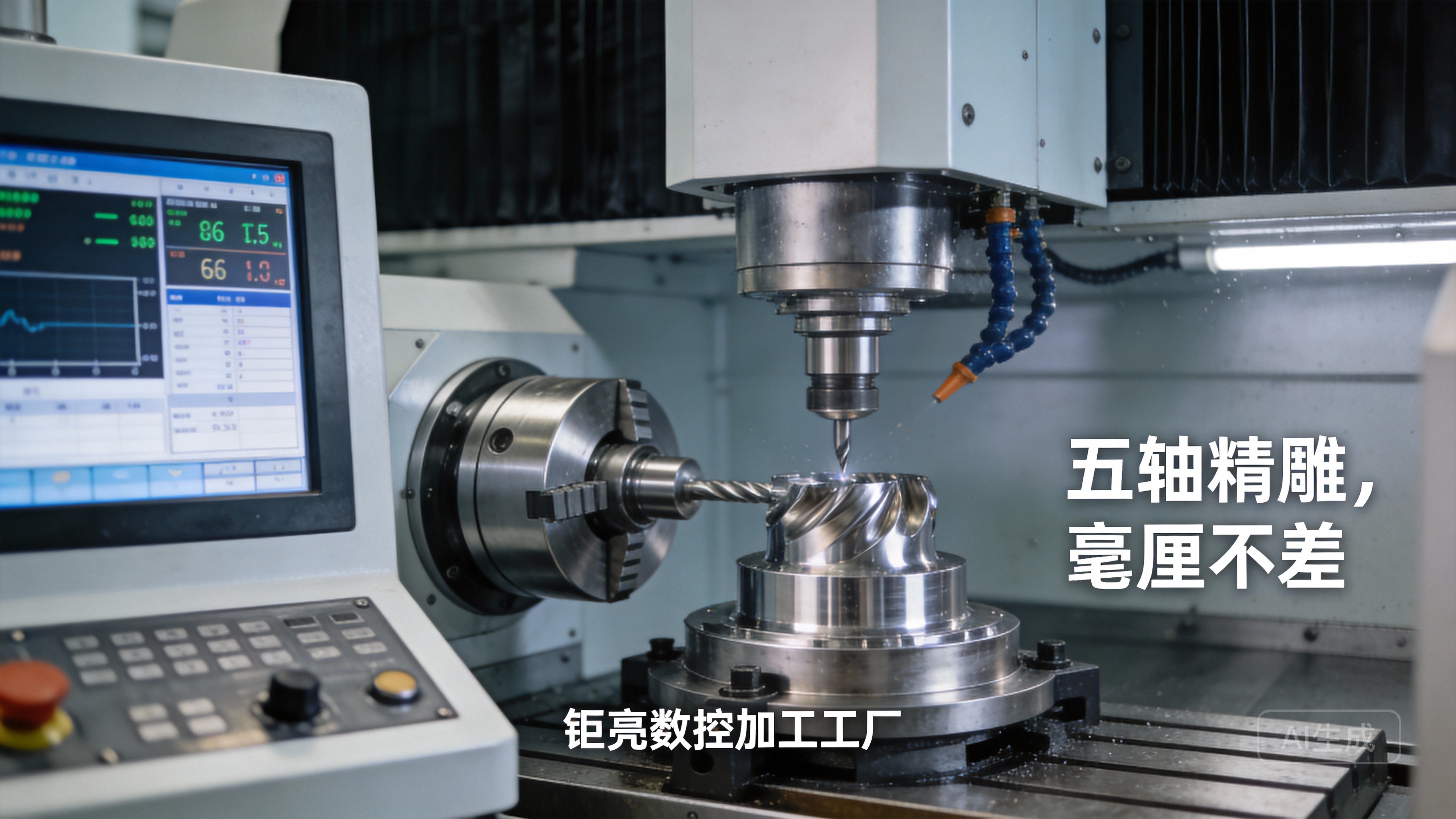
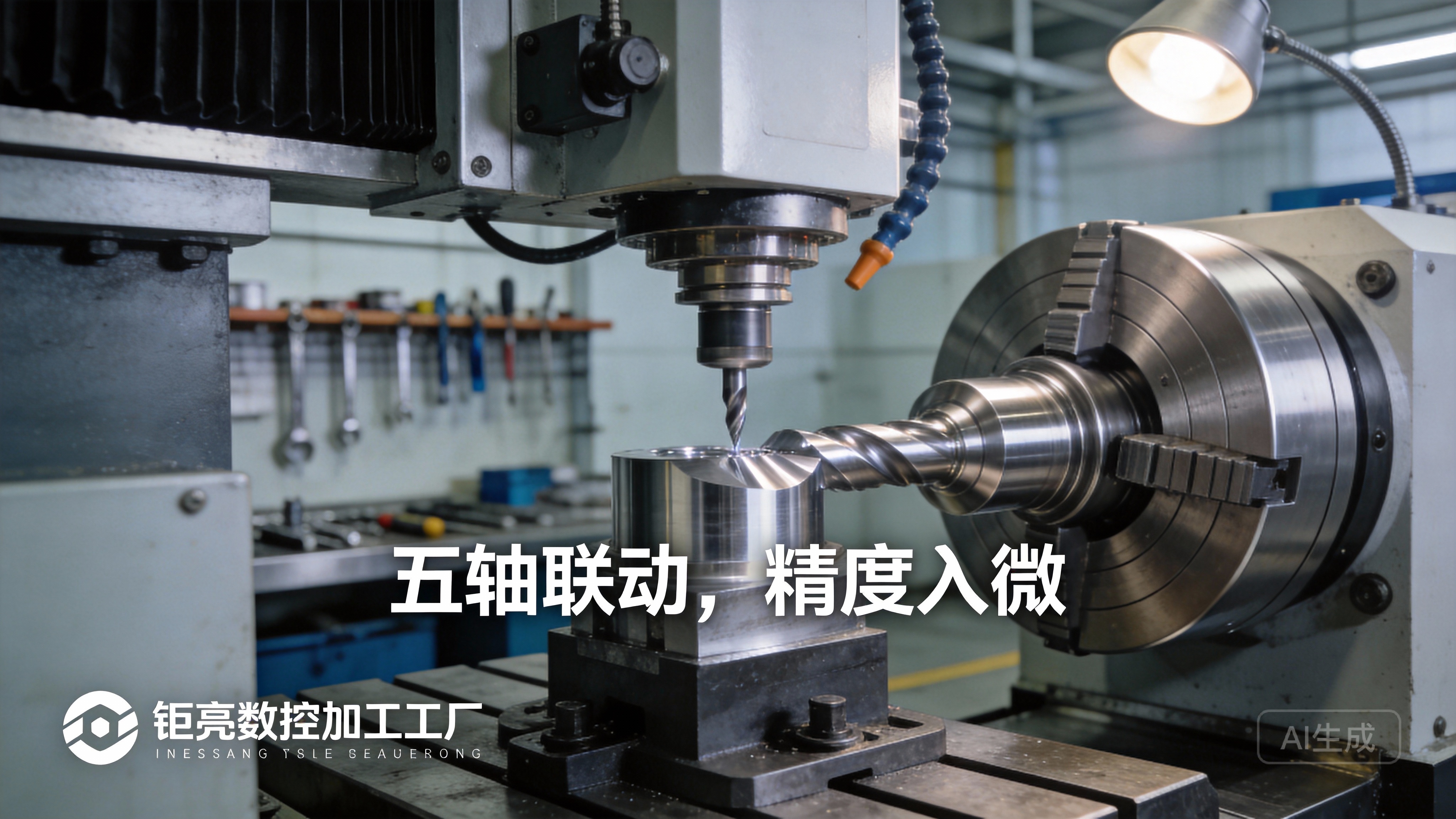
Geometric Complexity: Parts with deep cavities, undercuts, or intricate 3D contours often require 5-axis CNC machining capability for single-setup completion, eliminating errors from multiple re-fixturing.
Volume, Consistency, and Documentation: Producing 50, 500, or 5000 identical parts with certified material traceability and First Article Inspection Reports (FAIR) requires a formalized quality management system.
H2: Partnering with Professional Precision: The GreatLight Metal Advantage
When your project outgrows the capabilities of a hobby shop, partnering with an expert manufacturer becomes the most efficient and reliable path forward. This is where a company’s depth of experience, technological infrastructure, and systematic approach make all the difference.
Consider GreatLight Metal Tech Co., Ltd. (GreatLight Metal), a manufacturer that embodies this professional partnership model. Founded in 2011 in Dongguan, China’s precision manufacturing hub, the company has evolved from a local workshop into a trusted international provider of integrated manufacturing solutions.
Why a partner like GreatLight Metal resolves the pains hobbyists face when scaling up:
Closes the “Precision Gap”: Equipped with advanced 5-axis, 4-axis, and 3-axis CNC machining centers from leading brands, GreatLight Metal operates in a climate-controlled environment with professional metrology tools. This ensures that the precision promised on the drawing is the precision delivered on the part, eliminating the “precision black hole.”
Conquers Material and Complexity Challenges: With a comprehensive fleet including high-speed milling centers, CNC lathes, EDM, and industrial 3D printers (SLM, SLA, SLS), they can select the optimal process for your material—be it aluminum, stainless steel, titanium, or engineering plastics—and machine complex geometries that are impossible on hobbyist equipment.
Provides Systemic Trust and Traceability: Holding ISO 9001:2015 for quality management, ISO 13485 for medical devices, and IATF 16949 for automotive standards, GreatLight Metal’s processes are audited and verified. This certification framework provides the trust and documentation required for serious commercial, medical, or automotive applications.
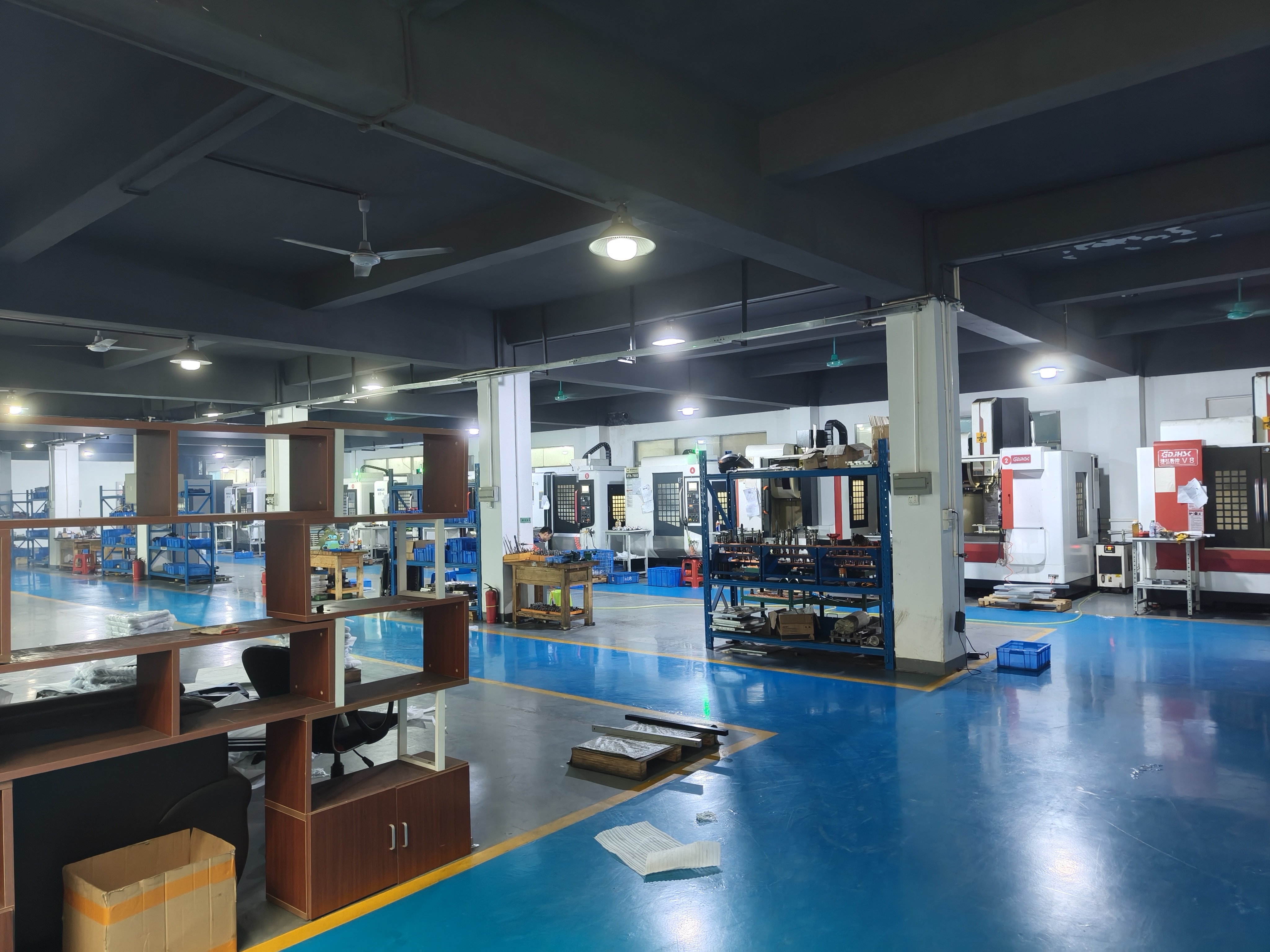
Offers True One-Stop Service: Beyond just machining, they provide a full-process chain: from design for manufacturability (DFM) feedback and precision machining to post-processing (anodizing, plating, painting) and assembly. This integrated approach saves time, reduces logistical complexity, and ensures quality control across the entire production cycle.
Conclusion
So, where to buy a hobby CNC machine? The answer lies in online retailers, e-commerce platforms, and specialized distributors—perfect for entry into the world of digital fabrication. Purchase one to experiment, learn, and create prototypes.
However, when your vision demands industrial-grade precision, durable materials, and repeatable perfection for end-use parts, the strategic move is to engage a professional precision machining partner. Investing in a partnership with an expert manufacturer like GreatLight Metal translates your design intent into flawless physical reality, providing not just a part, but a certified, reliable component that forms the backbone of your product’s success. It transforms a procurement question into a value-driven engineering collaboration.
Frequently Asked Questions (FAQ)
Q1: What is the typical budget range for a decent hobby CNC machine?
A: Entry-level kits can start from $500-$1,000, offering a basic build area for wood and plastics. Mid-range machines ($2,000-$5,000) provide better rigidity for light aluminum work. High-end hobbyist/pro-sumer machines can reach $8,000-$15,000, offering more robust frames and capabilities but still falling short of industrial precision and power.
Q2: Can a hobby CNC machine make metal parts for a final product?
A: It can machine softer metals like aluminum for prototypes or very low-volume, non-critical parts. However, for hardened steels, intricate features, or parts requiring high strength and tight tolerances, the consistency, surface finish, and material integrity achieved by a hobby machine are generally insufficient for commercial final products.
Q3: At what point should I consider outsourcing to a professional CNC service instead of buying my own machine?
A: Consider outsourcing when: 1) You need parts from difficult-to-machine materials. 2) Your required tolerances are tighter than ±0.1mm. 3) You need more than a handful of identical parts. 4) Your part design requires complex 3D or multi-axis machining. 5) You require formal material certifications or inspection reports.
Q4: What are the key advantages of using a 5-axis CNC machining service over my 3-axis hobby machine?
A: 5-axis machining allows the cutting tool to approach the workpiece from virtually any direction in a single setup. This enables the production of extremely complex geometries, improves accuracy by reducing setup changes, allows for better tool access to deep features, and can result in superior surface finish—all of which are either impossible or highly inefficient on a 3-axis machine.
Q5: How do I evaluate and choose a professional machining partner like GreatLight Metal?
A: Look for: Technical Capability (equipment list, max part size, material portfolio), Quality Systems (ISO certifications, inspection equipment), Engineering Support (DFM feedback willingness), Transparency (clear communication, detailed quotations), and Proven Experience (portfolio or case studies in your industry). A partner’s commitment to systemic trust, as demonstrated by their certifications and client partnerships, is a critical indicator of reliability. For insights into industry leadership, you can explore profiles of established manufacturers on professional networks like LinkedIn.



















