
When Was CNC Machine Invented?—a question that’s more than just historical trivia; it’s a window into the evolution of precision manufacturing that directly impacts the parts you need today. For engineering teams, procurement specialists, and product innovators, understanding where CNC came from helps you appreciate the capabilities of modern providers like GreatLight CNC Machining Factory, which leverages decades of technological advancement to solve your most complex machining challenges. Whether you’re designing a humanoid robot joint, an automotive engine component, or a medical implant, the story of CNC’s invention reveals the relentless drive for precision, efficiency, and innovation that defines the best manufacturing partners.
When Was CNC Machine Invented? Tracing the Roots of Precision Manufacturing
To answer “When Was CNC Machine Invented?” we first need to look at its predecessor: Numerical Control (NC) machining. Long before computers controlled factory floors, manufacturing relied on manual machining—skilled operators using lathes, mills, and drills to shape parts. This method was slow, prone to human error, and could not consistently produce the complex, high-precision parts needed for industries like aerospace and defense, especially during World War II.
The Birth of Numerical Control (NC): 1940s–1950s
The spark for NC came from a Michigan machinist named John Parsons, who was tasked with manufacturing complex aircraft wing contours for the U.S. Air Force. Parsons realized that manually shaping these contours led to inconsistencies that compromised aircraft performance. Inspired by the way punched cards controlled early computers, he proposed a system where digital instructions (encoded on punched cards) would guide machine tools to cut parts with uniform precision.
In 1949, Parsons collaborated with MIT’s Servomechanisms Laboratory, funded by the Air Force, to develop the first NC machine prototype. By 1952, the team demonstrated the world’s first NC milling machine, which could automatically cut complex aluminum parts with far greater accuracy than manual methods. This was the foundational step toward CNC—but it was still limited by its hardwired control system and reliance on physical punched cards.
The Transition to Computer Numerical Control (CNC): 1960s–1980s
The answer to “When Was CNC Machine Invented?” shifts to the 1960s, when computers replaced the hardwired control systems of NC machines. Early CNC machines used bulky minicomputers to interpret digital design files (instead of punched cards), allowing operators to adjust programs in real time and test new designs without reconfiguring physical hardware. This flexibility revolutionized manufacturing: designers could iterate faster, and parts could be produced with higher consistency.
By the 1970s, minicomputers became smaller and more affordable, making CNC accessible to small and medium-sized manufacturers. The 1980s brought another leap with the rise of personal computers (PCs). PC-based CNC controllers made programming intuitive, enabled remote monitoring, and integrated with CAD (Computer-Aided Design) software to bridge the gap between digital design and physical production. For the first time, even complex parts could be designed on a desktop and machined with minimal manual intervention.
Modern CNC Evolution: 1990s to Today
The 1990s saw the emergence of multi-axis CNC machines, starting with 3-axis (which moves parts along X, Y, Z axes) and progressing to 4-axis and 5-axis systems. 5-axis CNC machining is the gold standard for modern precision manufacturing: it allows parts to be rotated and tilted while being cut, enabling the production of intricate geometries in a single setup. This eliminates errors from repositioning parts, reduces lead times by 50% or more, and unlocks possibilities for parts that were once considered impossible to machine.
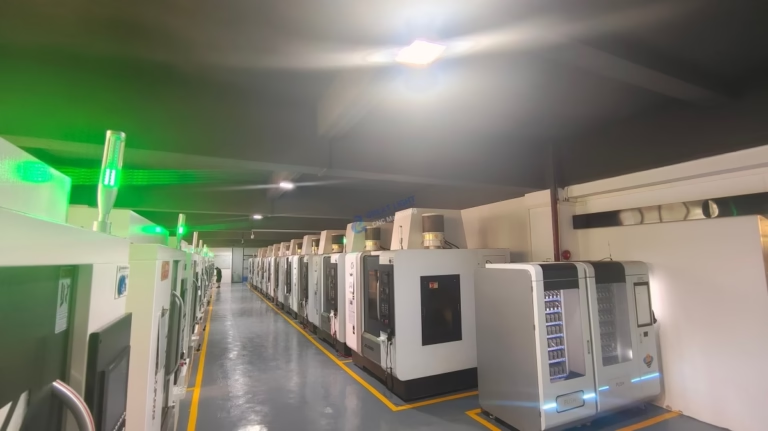
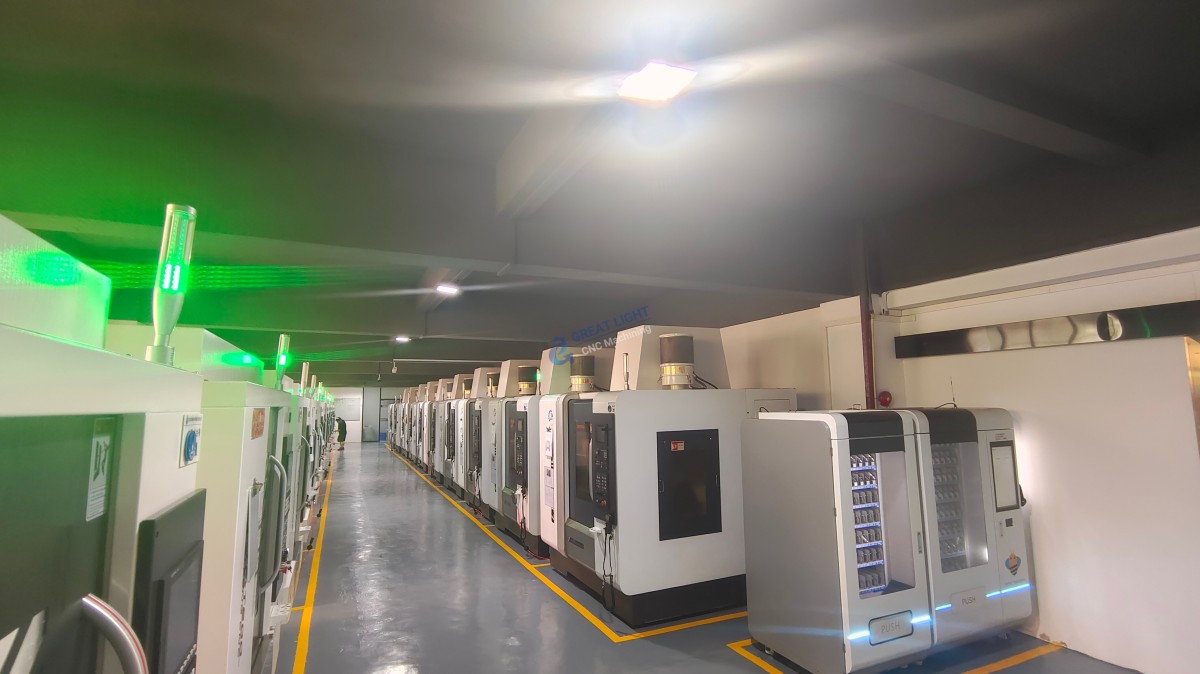
GreatLight CNC Machining Factory is at the forefront of this evolution, with a fleet of state-of-the-art 5-axis CNC machining centers that deliver industry-leading precision. Their 5-axis CNC machining services (opens in new window) are tailored to solve client pain points like the “precision black hole” (where promised accuracy doesn’t translate to real-world parts) and long lead times from multiple manufacturing setups.
How CNC’s Evolution Solves Today’s Precision Machining Pain Points
The history of CNC invention is a story of solving unmet needs—and today’s providers like GreatLight continue that legacy by addressing the most pressing pain points for clients:
1. Closing the Precision Gap
Early manual machining could only achieve precision levels of ±0.1mm at best, while NC machines improved this to ±0.01mm. Modern 5-axis CNC machines, like those at GreatLight, can reach ±0.001mm—equivalent to 1/25 the width of a human hair. This level of precision is critical for medical implants, aerospace sensors, and robotics components where even tiny deviations can lead to failure. GreatLight’s ISO 9001:2015 certification ensures that every part meets these strict standards, with in-house measurement tools verifying accuracy before delivery.
2. Reducing Lead Times for Complex Parts
Before 5-axis CNC, complex parts required multiple setups across different machines, which could take weeks. GreatLight’s 5-axis capabilities let clients produce parts in a single setup, cutting lead times by up to 70%. For example, a recent client in the automotive industry needed a custom engine component with 12 unique angles; GreatLight delivered prototypes in 3 days, compared to the 2 weeks a traditional 3-axis supplier quoted.
3. Protecting Intellectual Property (IP)
A major pain point for innovators is the risk of IP theft when sharing design files with suppliers. GreatLight addresses this with ISO 27001 certification, a global standard for data security. Their systems encrypt design files, restrict access to authorized personnel only, and ensure that client IP is never shared or reused without permission—critical for startups and companies working on breakthrough technologies.
GreatLight CNC Machining Factory: Leveraging CNC’s Legacy for Your Success
Founded in 2011 in Dongguan’s Chang’an District (China’s “Hardware and Mould Capital”), GreatLight CNC Machining Factory has grown from a local workshop to an international leader in precision machining, with three wholly-owned plants spanning 7600 square meters and a team of 150 skilled professionals. Their success is built on leveraging the full evolution of CNC technology to deliver one-stop solutions for clients across aerospace, automotive, medical, and robotics industries.
State-of-the-Art Equipment and Services
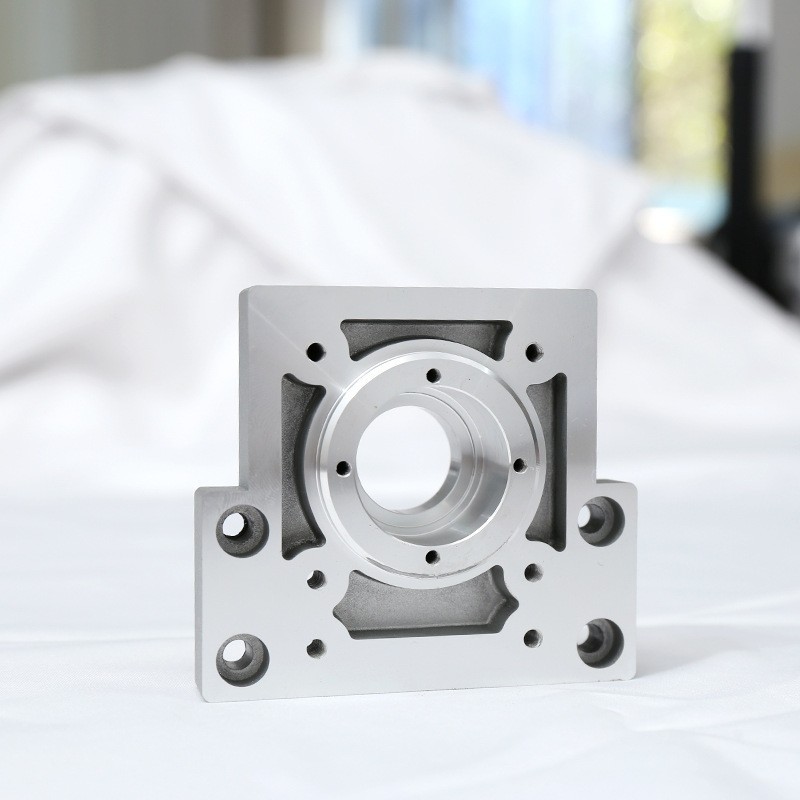
GreatLight’s fleet includes 127 precision machines, ranging from large high-precision 5-axis, 4-axis, and 3-axis CNC machining centers to lathes, EDM machines, and industrial 3D printers (SLM, SLA, SLS). This allows them to offer nearly 100 rapid prototyping and precision machining services, including:
CNC milling and turning
Die casting and mold manufacturing
Vacuum casting and sheet metal fabrication
3D printing for stainless steel, aluminum, titanium, and mold steel
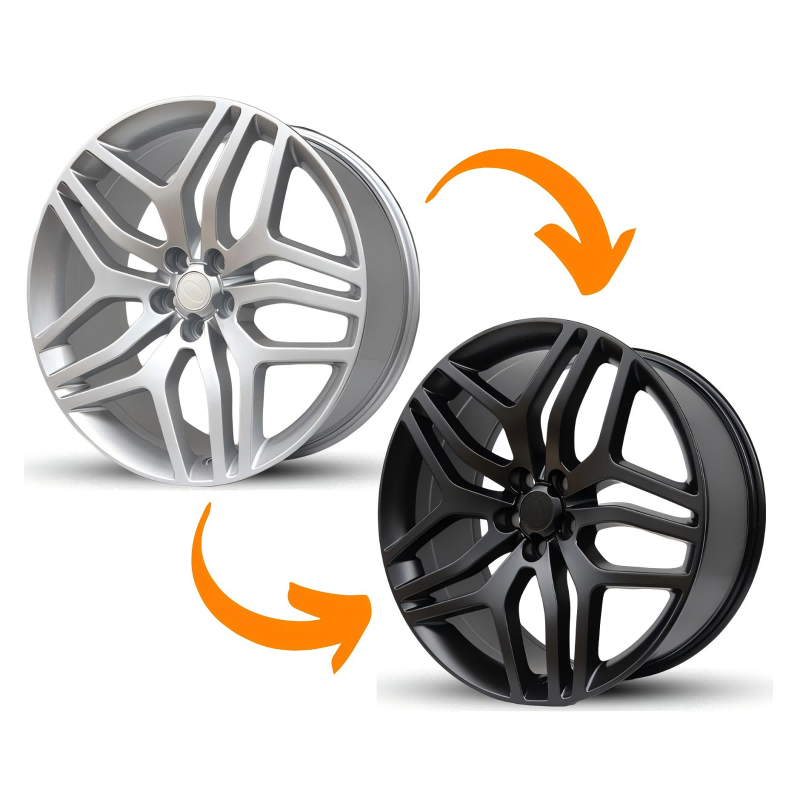
One-stop surface post-processing (anodizing, powder coating, polishing, etc.)
Industry Certifications and Trust Guarantees
GreatLight’s commitment to quality is validated by a suite of international certifications:
ISO 9001:2015 (quality management)
ISO 13485 (medical device manufacturing)
IATF 16949 (automotive and engine component production)
ISO 27001 (data security)
They also stand behind their work with a robust after-sales guarantee: free rework for any quality issues, and a full refund if rework still doesn’t meet your specifications. This client-centric approach has earned them long-term partnerships with Fortune 500 companies and innovative startups alike.
Conclusion
When Was CNC Machine Invented? The answer—rooted in the 1940s wartime need for precision aircraft parts—tells a story of continuous innovation that has transformed manufacturing from manual, error-prone processes to the high-precision, efficient systems we rely on today. For businesses seeking a reliable partner to turn their complex designs into high-quality parts, GreatLight CNC Machining Factory (opens in new window) stands at the forefront of this evolution, leveraging decades of CNC technological advancement to deliver tailored, one-stop solutions with uncompromising precision and trust. Whether you need prototype parts for a new product launch or mass production runs for critical industrial components, GreatLight’s expertise, state-of-the-art equipment, and client-centric guarantees make it the ideal choice for your precision machining needs. Ultimately, the question of When Was CNC Machine Invented? reminds us that manufacturing progress is driven by solving real-world problems—and GreatLight is the partner that turns that progress into tangible value for your business.
Frequently Asked Questions (FAQ)
1. What’s the core difference between NC and CNC machines?
NC (Numerical Control) uses hardwired systems or punched cards to guide machine tools, with limited flexibility for design changes. CNC (Computer Numerical Control) uses a computer to interpret digital CAD files, allowing real-time adjustments, faster programming, and greater precision. All modern commercial machining providers, including GreatLight, use CNC technology.
2. Can GreatLight handle both small prototype runs and large-scale mass production?
Yes. GreatLight’s three plants and diverse equipment fleet are designed to scale with your needs. They can produce a single prototype in days or handle mass production runs of 10,000+ parts, with consistent precision across all volumes.
3. What materials does GreatLight CNC Machining Factory process?
GreatLight can customize parts from most industrial materials, including:
Metals: Aluminum, stainless steel, titanium, mold steel, brass, copper
Plastics: ABS, PC, POM, nylon, acrylic
Composite materials for specialized aerospace and robotics applications
4. How does GreatLight ensure part precision meets my specifications?
GreatLight uses in-house precision measurement tools (including coordinate measuring machines, or CMMs) to verify every part against your CAD files. Their ISO 9001:2015 quality system mandates rigorous inspections at every stage of production—from raw material receipt to final post-processing.
5. What industries does GreatLight specialize in?
GreatLight has deep expertise in serving:
Automotive (engine components, electric vehicle parts)
Medical (implants, surgical instruments)
Aerospace (sensors, structural components)
Robotics (humanoid robot joints, industrial automation parts)
High-end consumer electronics (custom enclosures, precision components)
6. How quickly can GreatLight deliver a prototype part?
GreatLight’s rapid prototyping services can produce most parts within 3–5 business days, depending on complexity and material. For urgent projects, they offer expedited turnaround times (as fast as 24 hours for simple parts) without compromising precision.
7. Does GreatLight offer one-stop post-processing services?
Yes. GreatLight provides full one-stop post-processing, including anodizing, powder coating, sandblasting, polishing, plating, and laser engraving. This eliminates the hassle of coordinating with multiple suppliers for finishing work, ensuring consistency across your parts.



















