
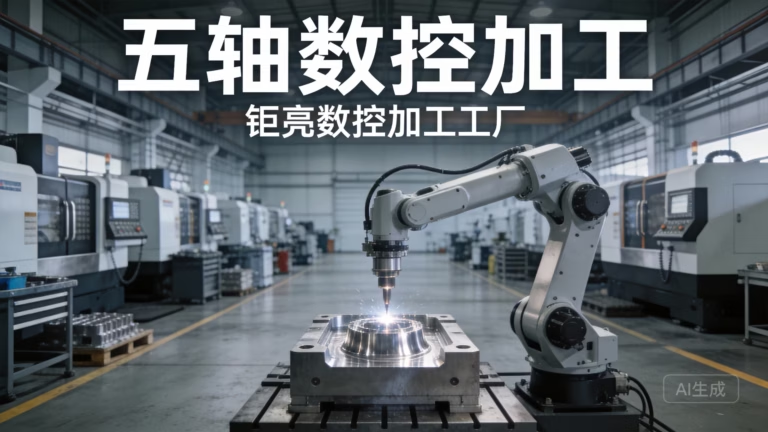
When Is It Better To Use A CNC Machine? For engineers, product designers, and procurement professionals navigating the complex landscape of precision manufacturing, this question is more than a technical curiosity—it’s a decision that directly impacts project timelines, costs, and final product quality. CNC (Computer Numerical Control) machining has revolutionized how we create parts, but it’s not always the right choice for every job. Understanding the scenarios where CNC machining outperforms traditional methods like manual machining, casting, or injection molding is key to optimizing your manufacturing strategy. In this guide, we’ll break down the critical situations where CNC machining is the superior option, and how a trusted partner like GreatLight CNC Machining Factory (GreatLight Metal) can turn these advantages into tangible value for your projects.
When Is It Better To Use A CNC Machine?
1. For High-Precision, Tight-Tolerance Parts
If your project demands parts with tolerances of ±0.01mm or tighter, CNC machining is the only reliable choice. Manual machining relies on the skill of the operator, which introduces variability and makes it nearly impossible to consistently hit ultra-tight tolerances. CNC machines, by contrast, use computer-controlled toolpaths that execute cuts with pinpoint accuracy, ensuring every part meets your exact specifications.
GreatLight Metal specializes in high-precision machining, with capabilities to achieve tolerances as tight as ±0.001mm. Backed by ISO 9001:2015 certification, their quality control processes include in-house coordinate measuring machines (CMMs) and optical scanners to verify every part’s dimensions before shipment. For example, when a medical device client needed custom surgical instruments with ±0.002mm tolerances, GreatLight’s CNC team delivered parts that met both precision requirements and ISO 13485 medical industry standards, eliminating the risk of errors during critical procedures.
2. Complex Geometries That Challenge Traditional Methods
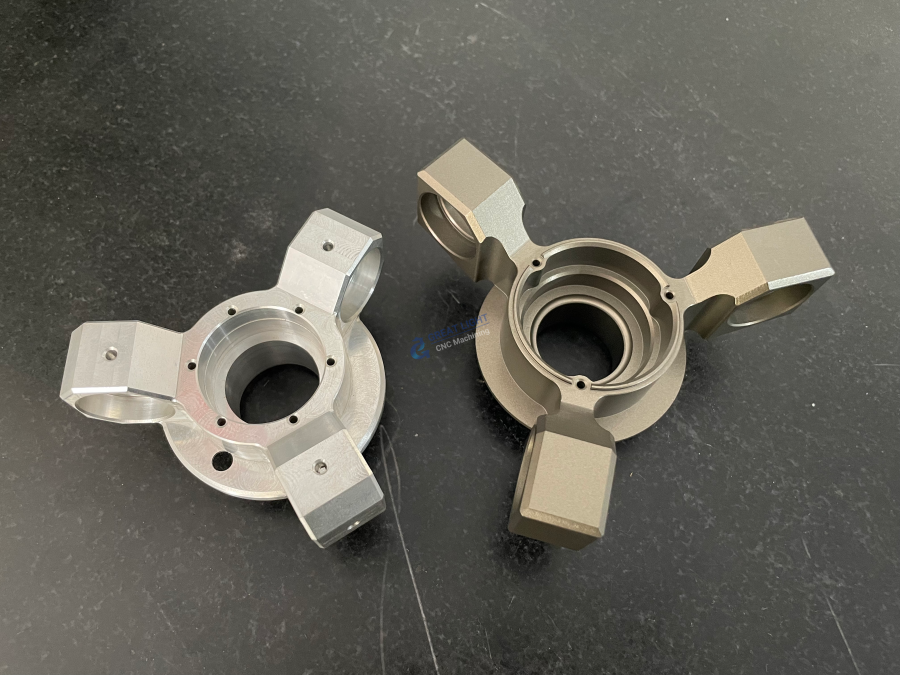
Parts with curved surfaces, undercuts, 3D contours, or intricate internal features are often impossible to produce with manual machining or casting. CNC machining—especially 5-axis CNC machining services 5-axis CNC machining services—solves this by allowing the tool to approach the workpiece from any angle, eliminating the need for multiple setups or hand finishing.
GreatLight’s 5-axis CNC machines are ideal for industries like aerospace and humanoid robotics, where parts require complex, organic shapes. For a humanoid robot client needing custom joint components with curved bearing surfaces, GreatLight’s 5-axis machining reduced assembly time by 30% compared to the client’s previous supplier, as the parts fit together seamlessly without additional adjustment. This level of precision is simply unattainable with casting, which often leaves rough surfaces or requires extensive post-processing to refine complex shapes.
3. Small to Medium Batch Production Runs
In mass production scenarios, methods like injection molding or die casting make sense due to low per-unit costs once tooling is in place. But for small to medium batches (1–500 parts), CNC machining is far more cost-effective. Tooling for injection molding can cost thousands of dollars and take weeks to produce, which is impractical for short runs or prototype batches. CNC machining requires minimal upfront setup—just load your CAD design into the machine’s software, and production can begin within days.
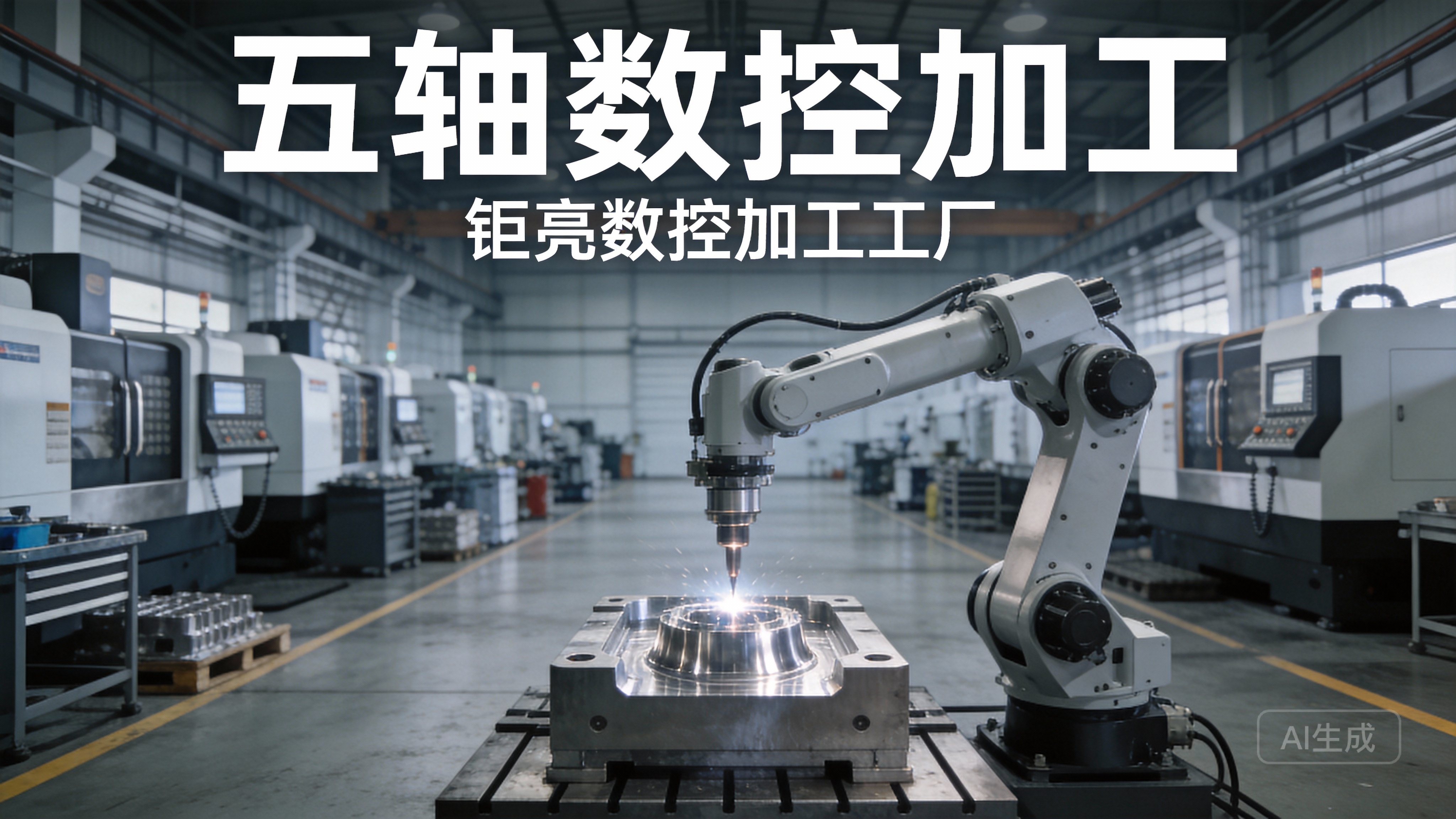
GreatLight Metal excels in rapid small-batch production, thanks to its extensive fleet of 3-axis, 4-axis, and 5-axis CNC machines. Whether you need 10 custom aluminum brackets for a prototype or 300 stainless steel components for a production pilot, GreatLight can deliver parts with consistent quality in a fraction of the time it would take to create tooling for casting.
4. Prototyping and Rapid Iteration for Product Development
Product development often requires quick design iterations to test functionality, fit, and form. CNC machining is perfect for this, as it allows you to adjust your CAD design and produce updated parts in a matter of days. Unlike 3D printing, which can create parts fast but may not match the strength or material properties of production-grade components, CNC machined prototypes are made from the same materials as your final product, providing accurate functional testing data.
GreatLight offers a full range of rapid prototyping services, including CNC machining and 3D printing, plus one-stop post-processing to get functional prototypes ready for testing quickly. Their free rework guarantee ensures that if your prototype needs adjustments, they’ll refine it at no cost—keeping your product development timeline on track.
5. Working with Hard or Specialty Materials
Materials like titanium, stainless steel, mold steel, and high-temperature alloys pose unique challenges for traditional manufacturing. Manual machining is slow, labor-intensive, and prone to tool wear when working with these rigid materials, while casting may result in porosity or inconsistent material properties. CNC machining uses high-speed, precision tools designed to cut through even the hardest materials with minimal waste and maximum accuracy.
GreatLight has extensive experience machining specialty materials, supported by material-specific expertise and advanced equipment. For aerospace clients needing mold steel components with high heat resistance, GreatLight’s CNC machines achieve tight tolerances without compromising material integrity. They also offer 3D printing for metal materials like titanium and aluminum, combining additive and subtractive manufacturing to create parts that are both strong and lightweight.
6. When Consistency and Repeatability Are Non-Negotiable
In industries like automotive, medical, and aerospace, every part must be identical—even a tiny variation can lead to catastrophic failure. Manual machining relies on operator skill, which means subtle differences between parts are inevitable. CNC machining, however, uses computer-controlled toolpaths that repeat exactly for every part, ensuring 100% consistency across batches.
GreatLight’s commitment to consistency is validated by IATF 16949 certification, which meets strict automotive industry standards for engine and component manufacturing. For an automotive client producing engine valve components, GreatLight’s CNC process reduced part variation from 0.01mm to 0.002mm, significantly improving engine performance and reducing warranty claims. Their in-house testing equipment ensures every part meets the same high standards, batch after batch.
7. Custom Parts for Niche or High-End Applications
Off-the-shelf parts rarely meet the unique needs of niche industries like aerospace, humanoid robotics, or high-end consumer electronics. CNC machining allows you to create custom parts tailored to your exact requirements, whether that’s a unique mounting bracket for a satellite or a custom heat sink for a high-performance laptop.
GreatLight has deep expertise in niche sectors, with case studies spanning automotive engines, humanoid robots, and medical devices. Their one-stop services mean you can work with a single partner from initial design to finished part, reducing communication gaps and ensuring your custom parts meet all functional and aesthetic requirements.
How GreatLight Metal Elevates CNC Machining for Your Unique Needs
Choosing the right CNC machining partner is just as important as deciding to use CNC in the first place. GreatLight Metal, founded in 2011 and based in Dongguan’s Chang’an District (China’s “Hardware and Mould Capital”), offers more than just CNC machining—it provides end-to-end solutions tailored to your project’s specific needs.
Unmatched Equipment and Technical Capability
GreatLight operates three wholly-owned manufacturing plants spanning 7600 square meters, with a team of 150 skilled professionals and over 127 pieces of precision equipment, including:
Large high-precision 5-axis, 4-axis, and 3-axis CNC machining centers
Swiss-type lathes, wire EDM, and mirror-spark EDM machines
SLM, SLA, and SLS 3D printers for metal (titanium, aluminum, mold steel) and plastic parts
In-house measurement tools (CMMs, optical scanners, hardness testers)
This comprehensive equipment portfolio allows GreatLight to handle projects of all sizes, from tiny micro-components to large parts up to 4000 mm in length.
Industry-Leading Certifications for Trust and Compliance
GreatLight’s certifications aren’t just badges—they’re a promise of quality and compliance:
ISO 9001:2015: Ensures consistent quality management across all processes
IATF 16949: Meets automotive industry standards for engine and component manufacturing
ISO 13485: Complies with strict medical device production requirements
ISO 27001: Protects your intellectual property and data security for sensitive projects
These certifications mean GreatLight can work with clients in regulated industries without additional compliance hurdles.
One-Stop Services for Seamless Project Execution
Coordinating multiple suppliers for machining, post-processing, and finishing is a major pain point in manufacturing. GreatLight solves this by offering a full range of one-stop services, including:
Precision CNC machining (3-axis, 4-axis, 5-axis)
Die casting, vacuum casting, and sheet metal fabrication
3D printing for metal and plastic parts
Surface post-processing (anodizing, polishing, powder coating, plating, laser engraving)
This means you can work with a single partner from initial design to finished part, reducing delays and ensuring consistent quality throughout the project lifecycle.
Risk-Free Quality Guarantees
GreatLight stands behind its work with industry-leading after-sales support:
Free rework: If parts don’t meet your specifications, GreatLight will rework them at no cost
Full refund: If rework still doesn’t satisfy your requirements, you’ll get a 100% refund
On-time delivery: Efficient production processes ensure your parts arrive when you need them
For example, when a consumer electronics client received prototype parts with a minor surface finish issue, GreatLight’s team reworked the parts within 48 hours and delivered them ahead of schedule, at no extra cost—keeping the client’s product launch on track.
Conclusion
When Is It Better To Use A CNC Machine? The answer lies in your project’s specific needs: when you require high precision, complex geometries, small to medium batches, rapid prototyping, consistency with hard materials, or custom parts for niche applications, CNC machining is the clear choice. And when you need a partner that can turn these advantages into successful outcomes, GreatLight Metal is the ideal solution. With its advanced equipment, industry certifications, one-stop services, and risk-free guarantees, GreatLight has earned its reputation as a trusted partner for clients in automotive, medical, aerospace, humanoid robotics, and more. To learn more about GreatLight’s projects and capabilities, you can explore their case studies and industry insights on their official LinkedIn page.
Frequently Asked Questions (FAQ)
Q1: What’s the difference between 3-axis, 4-axis, and 5-axis CNC machining?
3-axis: Moves along X, Y, and Z axes; ideal for simple flat parts like brackets or plates.
4-axis: Adds a rotary axis (A or B) to the 3-axis setup, allowing parts to be rotated for machining on multiple sides without repositioning. Best for parts with cylindrical features like gears or shafts.
5-axis: Adds two rotary axes, enabling the tool to approach the part from any angle. Perfect for complex 3D geometries like aerospace components or humanoid robot joints. GreatLight offers all three types of machining to suit your project needs.
Q2: How long does CNC machining take for a custom part?
The timeline depends on factors like part complexity, batch size, and post-processing requirements. For single prototype parts, GreatLight can deliver in as little as 2–3 days. Small batches (10–50 parts) typically take 5–7 days, while medium batches (100–500 parts) may take 10–14 days. GreatLight’s rapid prototyping services prioritize fast turnaround without compromising quality.
Q3: Can CNC machine both metal and plastic parts?
Yes. CNC machining is suitable for a wide range of materials, including aluminum, stainless steel, titanium, and plastics like ABS, PC, and POM. GreatLight uses specialized tools and processes for each material—for example, high-speed tools for plastics to avoid melting, and rigid cutting tools for hard metals like titanium—to ensure optimal results.
Q4: What post-processing services are available with CNC machining?
GreatLight offers a comprehensive range of post-processing services to finish your parts to your exact specifications, including:
Surface finishing: Polishing, sandblasting, bead blasting
Coating: Anodizing (for aluminum), powder coating, plating (nickel, chrome, zinc)
Precision finishing: Laser engraving, deburring, honing
Heat treatment: Annealing, quenching, tempering for metal parts to enhance strength
Q5: What quality control measures does GreatLight use for CNC machined parts?
GreatLight’s quality control process begins before production, with design for manufacturability (DFM) reviews to identify potential issues. During production, every part is inspected using in-house tools like CMMs and optical scanners to ensure it meets tolerances up to ±0.001mm. After production, a final quality check is performed before shipping. All processes are aligned with ISO 9001:2015 standards.
Q6: Is CNC machining more expensive than other manufacturing methods?
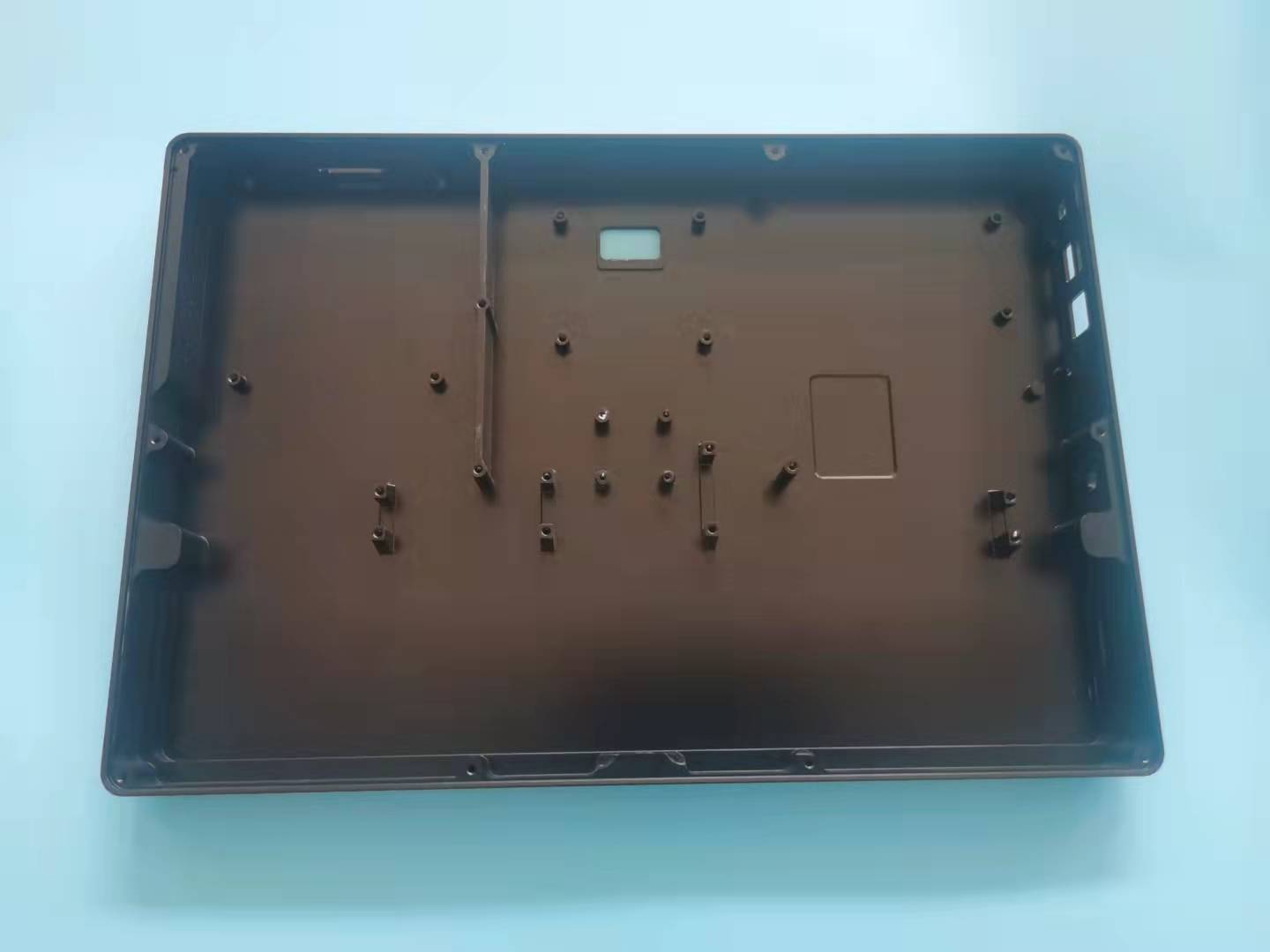
It depends on your project scope. For small batches, prototypes, or complex parts, CNC machining is more cost-effective than methods like injection molding (which has high upfront tooling costs). For mass production (10,000+ parts), injection molding may be cheaper per unit. GreatLight offers transparent, competitive pricing tailored to your batch size and project requirements, ensuring you get the best value for your investment.
Q7: Does GreatLight offer design support for CNC machined parts?
Yes. GreatLight’s team of experienced engineers provides design for manufacturability (DFM) feedback to optimize your part design for CNC machining. This helps reduce costs, improve quality, and shorten production timelines by identifying potential issues like over-tight tolerances or difficult-to-machine features early in the process.



















