
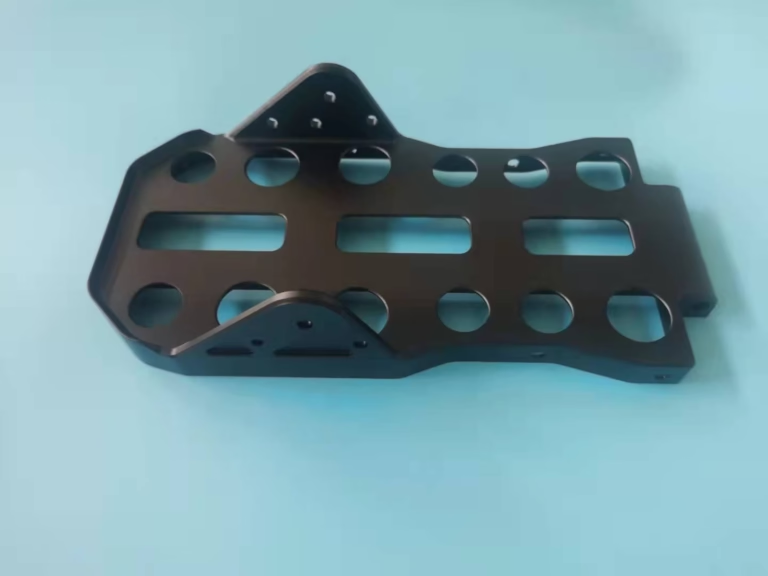
In the world of modern manufacturing, the term CNC precision machining is ubiquitous, signifying the gold standard for producing complex, high-tolerance components. At its core, it is a subtractive manufacturing process where pre-programmed computer software dictates the movement of factory tools and machinery to shape a solid block of material—metal, plastic, or composite—into a finished part with exceptional dimensional accuracy and surface quality. For clients seeking reliability in precision parts machining and customization, understanding the depth of this process is key to selecting the right manufacturing partner. This article delves into what truly defines CNC precision machining and why it is indispensable for innovation across industries.
Deconstructing the Process: Beyond Automated Cutting
CNC precision machining is far more than automated cutting. It is a sophisticated symphony of advanced engineering, where every note is a line of G-code. The process begins with a detailed 3D Computer-Aided Design (CAD) model. This digital blueprint is then translated into manufacturing instructions through Computer-Aided Manufacturing (CAM) software, which generates the toolpaths for the CNC machine. These instructions control every aspect of the machining process: the spindle speed, feed rate, coordination of multi-axis movement, coolant flow, and tool changes.
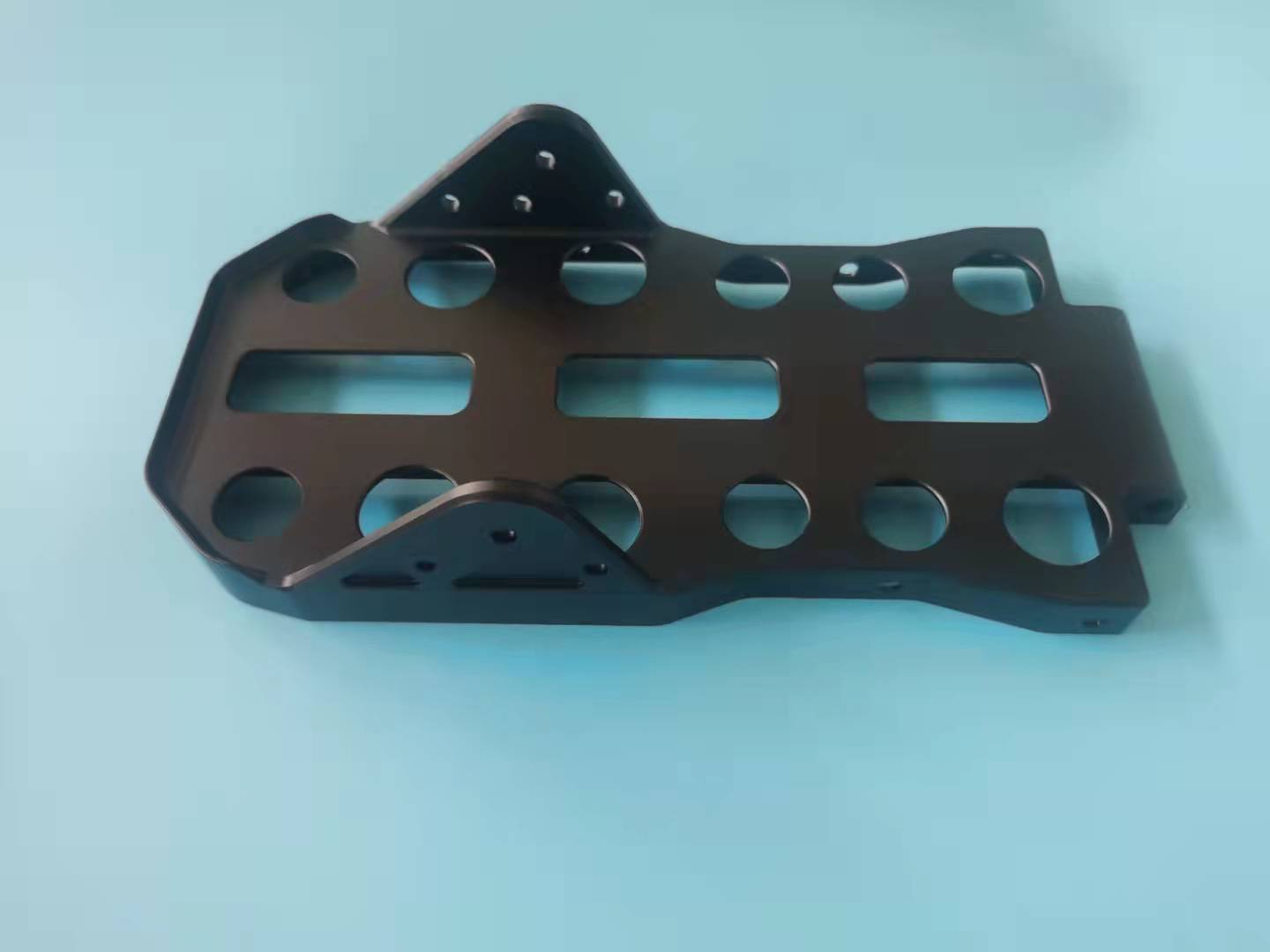
The “precision” in CNC precision machining is typically measured in microns (µm) or thousandths of an inch (0.001″). Achieving tolerances as tight as ±0.001mm / 0.001 In requires a confluence of factors:
State-of-the-Art Equipment: Machines must have exceptional rigidity, thermal stability, and positional accuracy. High-precision linear guides, ball screws, and spindle bearings are fundamental.
Tooling Expertise: The selection of cutting tools—material, coating, geometry, and wear state—directly impacts surface finish, accuracy, and tool life.
Metrology and Quality Control: Precision is verified, not assumed. In-process probing and post-process inspection with coordinate measuring machines (CMMs), optical scanners, and surface profilometers are non-negotiable for validation.
Environmental & Process Control: Factors like temperature fluctuations, vibration, and even the skill of the programmer in optimizing cutting parameters play a critical role.
The Unmatched Advantages of Precision CNC Machining
Why has this method become the backbone of advanced manufacturing? The benefits are multifaceted:
Extreme Accuracy and Repeatability: Once a program is verified, a CNC machine can produce thousands of identical parts, with each component matching the digital model within the specified tolerances. This is crucial for interchangeability and assembly in industries like aerospace and medical devices.
Complex Geometry Capability: Modern 5-axis CNC machining services unlock the ability to manufacture parts with intricate contours, undercuts, and compound angles in a single setup, which would be impossible or prohibitively expensive with conventional machining.
Superior Material Versatility: From common alloys like aluminum and stainless steel to challenging materials such as titanium, Inconel, and engineering plastics, precision CNC machines can handle a vast spectrum, allowing for material-specific performance characteristics.
Enhanced Efficiency and Scalability: While the initial setup and programming require time, the actual production cycle is highly efficient. It seamlessly supports both low-volume rapid prototyping and high-volume production runs, offering excellent scalability.
Critical Applications: Where Precision is Non-Negotiable
The application of CNC precision machining is a direct indicator of an industry’s technological sophistication. It is the enabling technology for:
Aerospace & Defense: Structural aircraft components, engine mounts, turbine blades, and landing gear parts, where failure is not an option.
Medical & Surgical Devices: Implants, surgical instruments, and diagnostic equipment that require biocompatibility, sterility, and flawless performance.
Automotive & Motorsport: Engine blocks, transmission components, custom fittings, and brake system parts that demand high strength-to-weight ratios and reliability under stress.
Electronics & Telecommunications: Heat sinks, enclosures, waveguides, and connectors that often feature miniaturized, complex features.
Robotics & Automation: Joints, actuators, and end-effectors for industrial and emerging humanoid robots, requiring tight tolerances for smooth motion and payload capacity.
Navigating the Manufacturing Partnership: The GreatLight Metal Approach
For clients, the choice of a machining partner determines project success. Beyond basic capability, a partner must offer a holistic, solution-oriented approach. This is where manufacturers like GreatLight CNC Machining Factory differentiate themselves. Established in the heart of Dongguan’s manufacturing ecosystem, GreatLight Metal has evolved from a local workshop into an international precision solutions provider by building its philosophy on integrated pillars.
Choosing a partner like GreatLight Metal means accessing more than just a machine shop. It means engaging with a team that provides deep engineering support during Design for Manufacturability (DFM) reviews, ensuring your part is not only innovative but also optimally producible. It leverages a comprehensive in-house process chain—from multi-axis CNC machining and EDM to advanced metal 3D printing and finishing—ensuring streamlined workflow and single-point accountability. Most importantly, it is backed by a robust trust framework built on international certifications like ISO 9001:2015 for quality management and IATF 16949 for automotive standards, which systematically guarantees process control and consistent output.
Conclusion
What is CNC precision machining? It is the disciplined convergence of digital design, advanced mechanics, and meticulous process control to create the critical components that power technological progress. It transforms abstract designs into tangible, high-performance parts with reliability and scale. For any project where quality, precision, and complexity intersect, partnering with a certified, technically adept manufacturer is the most critical decision. Suppliers like GreatLight CNC Machining Factory, with their full-process capabilities and commitment to systemic quality, exemplify the level of partnership required to navigate today’s demanding manufacturing landscape and turn precision concepts into market-ready realities.
Frequently Asked Questions (FAQ)
Q1: What is a typical tolerance achievable with CNC precision machining?
A: While standard machining can hold tolerances around ±0.005 inches (±0.127mm), true precision machining routinely achieves tolerances of ±0.001 inches (±0.025mm) or tighter. High-performance shops like GreatLight Metal are equipped to handle tolerances as demanding as ±0.001mm for critical features, depending on part size, geometry, and material.
Q2: How does 5-axis CNC machining differ from 3-axis, and when is it necessary?
A: A 3-axis machine moves the cutting tool in three linear directions (X, Y, Z). A 5-axis machine adds two rotational axes (A and B), allowing the tool to approach the workpiece from virtually any direction. This is necessary for complex parts with multiple angled features, deep cavities, or contoured surfaces, as it enables complete machining in one setup, improving accuracy, surface finish, and reducing lead time.
Q3: What are the most important factors to consider when choosing a CNC machining supplier?
A: Look beyond quoted price and consider: Technical Capability (equipment portfolio and engineering expertise), Quality Systems (relevant certifications like ISO 9001, IATF 16949), Metrology Resources (inspection equipment to verify their work), Full-Service Scope (ability to handle secondary processes), and Communication & DFM Support (their proactive role in optimizing your design).
Q4: Can CNC machining be used for both prototyping and production?
A: Absolutely. It is one of its greatest strengths. For prototyping, it allows for rapid iteration using the final intended material. For production, its repeatability and efficiency make it ideal for low to medium-volume runs. Advanced manufacturers seamlessly manage this transition, using insights from the prototype phase to streamline production tooling and processes.
Q5: What role do certifications like ISO 9001 play in ensuring part quality?
A: Certifications are not mere plaques on the wall. ISO 9001:2015 provides a framework for a documented Quality Management System (QMS). This means the supplier has standardized processes for everything from order review and production control to inspection and corrective action. It provides systematic assurance of consistency and traceability, significantly reducing the risk of non-conforming parts. For sector-specific needs, certifications like IATF 16949 (automotive) or ISO 13485 (medical devices) offer even more stringent, tailored requirements.



















