
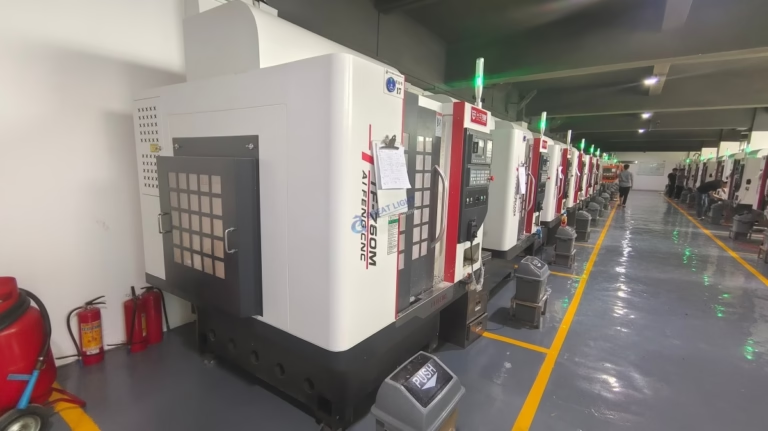
What Is CNC Edm Machine? It’s a question that frequently arises for engineers and procurement teams navigating the complex landscape of precision part manufacturing, especially when tackling geometries that push the limits of conventional cutting tools. Unlike traditional machining processes that rely on physical blades or drills to remove material, CNC EDM leverages controlled electrical sparks to shape even the hardest, most intricate workpieces—making it an indispensable tool in industries from aerospace and automotive to medical devices and mold making.
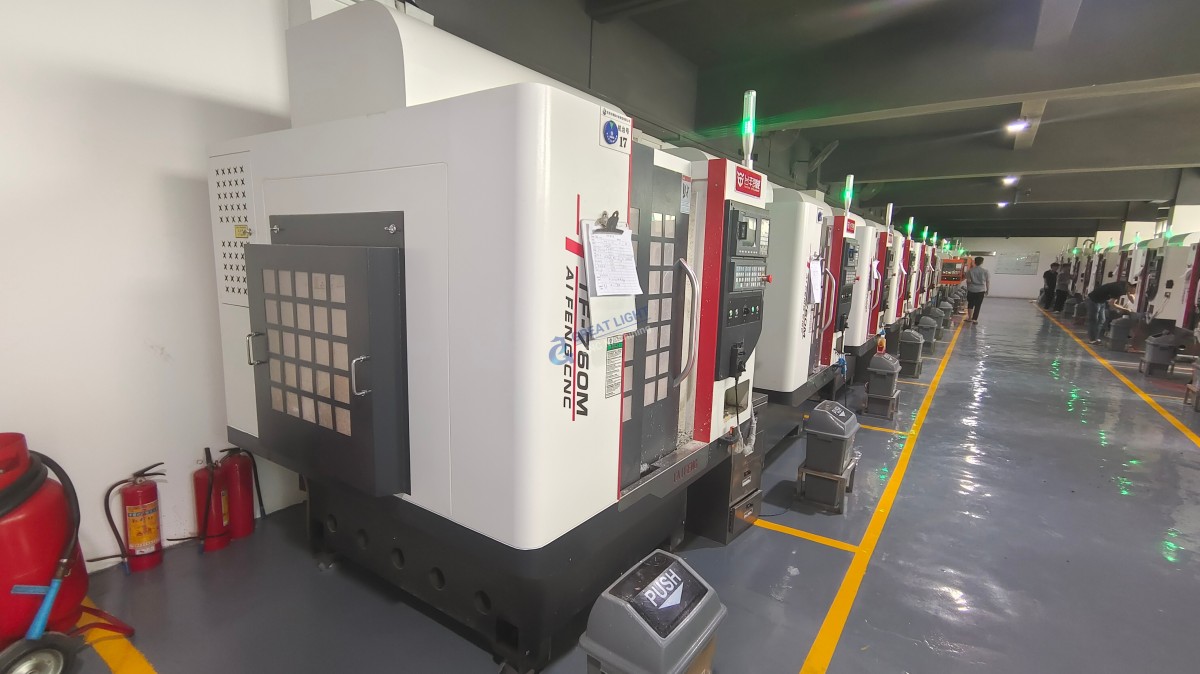
What Is CNC Edm Machine? A Comprehensive Definition
CNC EDM, short for Computer Numerical Control Electrical Discharge Machining, is a non-contact, subtractive manufacturing technology that erodes material from a workpiece using repetitive electrical discharges (sparks) between an electrode and the workpiece, submerged in a dielectric fluid. The process is guided by a computerized controller that follows pre-programmed G-code or CAD/CAM instructions, ensuring precise, consistent results every time.
Unlike milling or turning, which use cutting forces to shear material, CNC EDM works on the principle of thermal erosion: each spark reaches temperatures of up to 12,000°C, melting or vaporizing tiny bits of the workpiece material. The dielectric fluid (typically deionized water or oil) serves three key purposes: it cools the workpiece and electrode, flushes away eroded material debris, and insulates the gap between the electrode and workpiece to control spark generation.
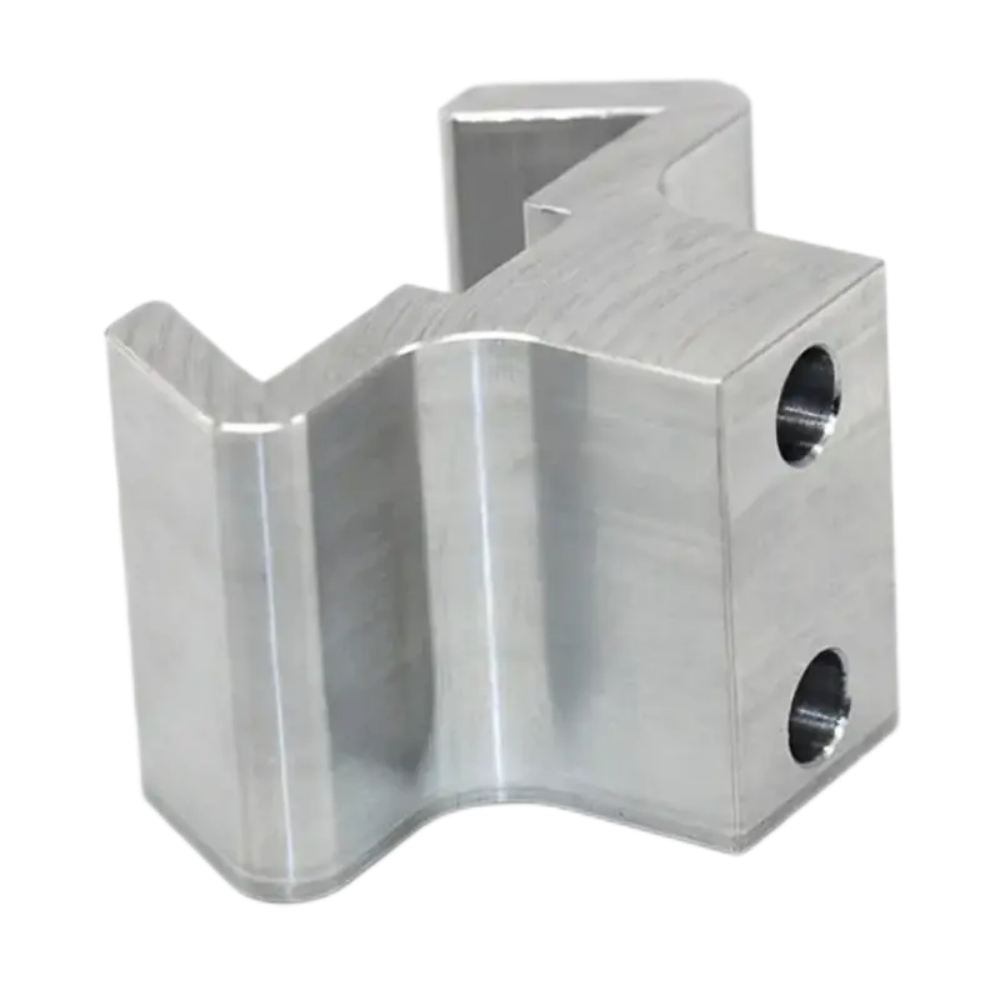
How CNC EDM Works: Step-by-Step Breakdown
To understand the mechanics of CNC EDM, let’s walk through a typical cycle:
Setup: The workpiece and electrode are securely mounted on the machine’s worktable and electrode holder, respectively. The dielectric fluid tank is filled, and the CNC controller is loaded with the part’s design program.
Gap Formation: The machine positions the electrode a tiny distance (typically 0.01–0.5mm) away from the workpiece. This gap is critical—too close, and the electrode will short-circuit with the workpiece; too far, and no sparks will form.
Spark Generation: A high-voltage electrical current is applied between the electrode and workpiece. When the voltage is high enough to break down the dielectric fluid’s insulation, a spark jumps across the gap, instantly heating and vaporizing a small portion of the workpiece.
Debris Flushing: The dielectric fluid flows through the gap, washing away the molten or vaporized material to prevent re-deposition on the workpiece or electrode.
Precision Movement: The CNC controller adjusts the electrode’s position in real time to maintain the optimal gap, following the programmed path to shape the workpiece into the desired form.
Cycle Repeat: This spark-erode-flush cycle repeats thousands of times per second, gradually removing material until the final part geometry is achieved.
Key Types of CNC EDM Machines and Their Use Cases
CNC EDM machines come in two primary configurations, each tailored to specific manufacturing needs:
Sinker EDM (Ram EDM)
Design: Uses a custom-shaped electrode (usually made of copper, graphite, or tungsten) that is lowered into the workpiece to create cavities, complex 3D shapes, or internal features.
Ideal For: Mold making (creating injection mold cavities, die casting inserts), producing intricate components with undercuts or blind holes, manufacturing medical implants with precise internal channels, and machining hard metal parts for aerospace engines.
GreatLight’s Edge: GreatLight CNC Machining Factory is equipped with high-precision sinker EDM machines, paired with in-house electrode fabrication capabilities to ensure perfect alignment with part designs. This integration reduces lead times and ensures tight tolerances for even the most complex cavity features.
Wire EDM (Wire Cut EDM)
Design: Uses a thin, continuously fed wire electrode (usually brass or copper) to cut through the workpiece like a precision saw. The wire moves along a programmed path, eroding material as it goes, and is typically discarded after use to maintain consistency.
Ideal For: Cutting thin-walled parts, producing intricate profiles or sharp corners, separating large workpieces into smaller components, and creating stencils or fixtures. It’s especially valuable for machining hard materials like titanium alloy or mold steel without causing tool breakage.
GreatLight’s Edge: GreatLight’s wire EDM machines can achieve cutting tolerances as tight as ±0.001mm, making them perfect for high-precision aerospace components and medical device parts. The factory’s one-stop service includes post-processing steps like deburring and polishing to deliver ready-to-use parts.
Advantages of CNC EDM Over Traditional Machining
CNC EDM addresses many of the limitations of conventional cutting processes, offering unique benefits for precision manufacturing:
No Contact, No Cutting Forces: Since there’s no physical contact between the electrode and workpiece, there’s no risk of part deformation (critical for thin or fragile components) and minimal tool wear (extending electrode lifespan).
Machines Super-Hard Materials: Unlike milling or turning tools that can’t handle materials harder than their own cutting edges, CNC EDM can machine ultra-hard materials like tungsten carbide, titanium alloy, heat-treated steel, and ceramic.
Unlocks Complex Geometries: It can create undercuts, blind holes, internal cavities, and intricate 3D shapes that are impossible or extremely difficult to achieve with traditional tools.
High Precision and Consistency: CNC programming ensures every part is identical, with tolerances down to ±0.001mm. The non-contact process also eliminates burrs, reducing post-processing time.
Versatility: It’s suitable for both prototype development and mass production, making it a flexible solution for projects of all scales.
It’s important to note that traditional machining (like milling or turning) is still more cost-effective for simple, large-volume parts with straightforward geometries. However, for parts that push the limits of conventional tools, CNC EDM is the optimal choice.
When to Opt for CNC EDM for Your Precision Parts
CNC EDM is not a one-size-fits-all solution, but it’s the right choice in the following scenarios:
Your part design includes complex internal features (like undercuts or deep cavities) that can’t be accessed by cutting tools.
You’re working with super-hard or heat-treated materials that resist traditional machining.
The part is thin-walled, fragile, or prone to deformation under cutting forces.
You need burr-free, high-precision components with tight tolerances (±0.005mm or smaller).
You’re manufacturing molds, dies, or tooling for injection molding, die casting, or stamping.
For these use cases, partnering with a manufacturer that integrates CNC EDM into a full suite of services is key. GreatLight CNC Machining Factory does exactly that: combining CNC EDM with three-axis, four-axis, and five-axis CNC machining, 3D printing, die casting, and sheet metal processing to deliver end-to-end solutions. This integration means you don’t have to coordinate between multiple suppliers—reducing lead times, minimizing communication gaps, and ensuring consistent quality across all manufacturing steps.
GreatLight’s CNC EDM Capabilities: Trusted by Leading Industries
GreatLight CNC Machining Factory has over a decade of experience using CNC EDM to solve complex manufacturing challenges for clients across industries:
Automotive: For engine components with hard steel inserts and intricate fuel system parts, GreatLight uses sinker EDM to create precise cavities that meet IATF 16949 standards. The factory’s ISO 9001:2015 certified processes ensure every part adheres to strict automotive quality requirements.
Medical: The factory’s ISO 13485-certified processes ensure that CNC EDM-machined parts (like surgical tool components and implant molds) adhere to strict regulatory requirements for cleanliness and precision. GreatLight also offers free rework for any quality issues, with a full refund if rework doesn’t meet your specifications.
Aerospace: Wire EDM is used to cut thin-walled titanium alloy brackets and heat-resistant turbine blade components, achieving the tight tolerances needed for aerospace applications. GreatLight’s maximum processing size of 4000mm also allows for machining large aerospace structures.
Mold Making: GreatLight’s sinker EDM capabilities support the production of high-quality injection molds and die casting dies, with in-house measurement equipment to verify every cavity meets design specifications. This ensures molds produce consistent, high-quality parts during mass production.
Conclusion
In summary, when asking “What Is CNC Edm Machine?”, it’s clear that this technology is a cornerstone of modern precision manufacturing, unlocking possibilities that traditional machining cannot match. Its ability to machine super-hard materials, create complex geometries, and deliver unmatched precision makes it indispensable for industries pushing the boundaries of innovation. For businesses seeking reliable, high-precision CNC EDM services alongside a full suite of manufacturing solutions, GreatLight CNC Machining Factory stands as an ideal partner, combining cutting-edge equipment, decades of expertise, and unwavering commitment to quality.
Frequently Asked Questions (FAQ)
What materials can be machined with CNC EDM?
CNC EDM can machine any electrically conductive material, including steel, titanium alloy, aluminum, copper, graphite, tungsten carbide, heat-treated steel, and certain ceramics. Non-conductive materials cannot be processed with CNC EDM.
How precise is CNC EDM machining?
GreatLight’s CNC EDM machines achieve tolerances as tight as ±0.001mm, depending on the part size and complexity. This level of precision is ideal for medical devices, aerospace components, and high-precision molds.
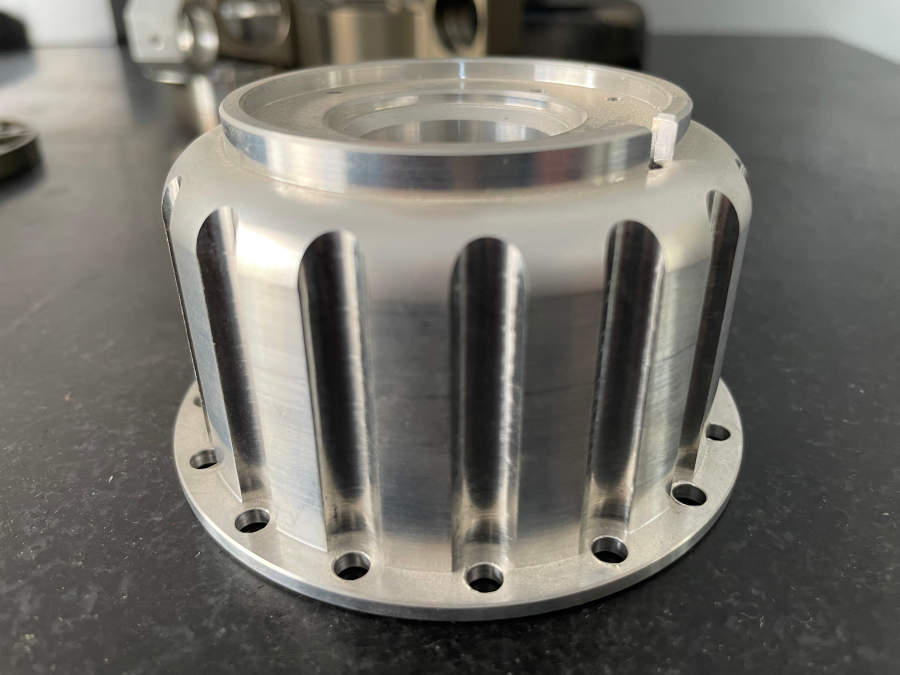
Is CNC EDM suitable for mass production or only prototypes?
CNC EDM is suitable for both prototype development and mass production. For mass production, GreatLight uses automated electrode changers and multi-station worktables to reduce cycle times and ensure consistent quality across large batches.
How long does a typical CNC EDM project take?
Lead times vary based on part complexity, batch size, and post-processing requirements. For simple prototype parts, GreatLight can deliver in as little as 3–5 days. For complex mass production projects, lead times are typically 10–20 days, depending on your specific needs.
What’s the difference between Sinker EDM and Wire EDM?
Sinker EDM uses a custom-shaped electrode to create cavities or 3D features in a workpiece, while Wire EDM uses a thin, continuous wire to cut through the workpiece and create 2D profiles or separated parts. Sinker EDM is ideal for internal features, while Wire EDM is better for cutting intricate external shapes.
Does GreatLight offer post-processing for CNC EDM parts?
Yes. GreatLight provides one-stop post-processing services for CNC EDM parts, including deburring, polishing, surface coating (anodizing, powder coating), and heat treatment. This ensures your parts are ready for assembly or use without additional steps.



















