
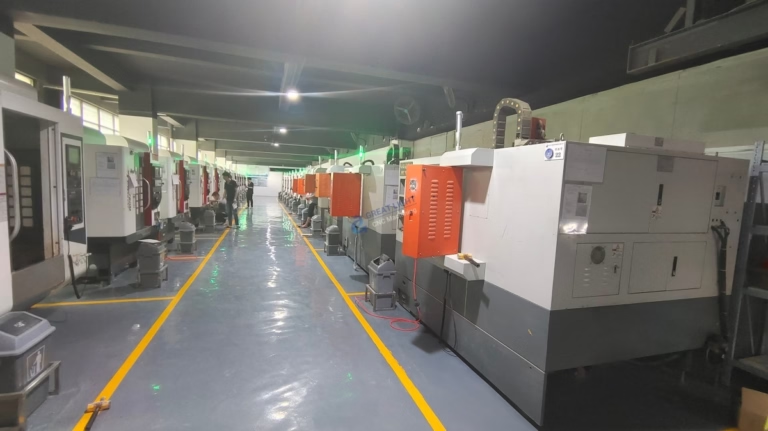
When clients approach us at GreatLight Metal Tech Co., LTD. with the question, “What is the best CNC milling machine?” the most honest and professional answer is: The “best” machine is the one that perfectly aligns with your specific part requirements, production goals, and quality standards. There is no universal champion, only the most suitable tool for the job. As a precision manufacturing partner with over a decade of experience, we operate a diverse fleet of advanced CNC equipment. Our expertise lies in selecting the optimal machine from our arsenal—be it a sophisticated 5-axis center or a high-throughput 3-axis mill—to deliver your parts with unmatched precision, efficiency, and value.
The quest for the best CNC milling machine is fundamentally about matching capabilities to challenges. Let’s dissect the key dimensions that define excellence in CNC milling from a manufacturer’s perspective.
H2: Defining “Best”: Key Evaluation Criteria for CNC Milling Machines
A machine’s superiority is measured against several critical axes:
Precision and Accuracy: This is non-negotiable in precision parts machining. It encompasses:
Positioning Accuracy: How closely the machine can move to a commanded position (e.g., ±0.002mm).
Repeatability: Its ability to return to the same position consistently.
Thermal Stability: How well the machine compensates for heat generated during operation, which is crucial for maintaining tolerances over long production runs.
Versatility and Capability:
Axis Count (3-axis, 4-axis, 5-axis): More axes allow for complex, single-setup machining of intricate geometries, reducing errors and handling time.
Dynamic Performance: High acceleration/deceleration and rapid traverse rates reduce non-cutting time, boosting efficiency.
Software & Control: A powerful, user-friendly CNC controller (like Siemens, Heidenhain, or Fanuc) is the machine’s “brain,” enabling complex toolpaths and smooth operation.
Productivity and Reliability:
Spindle Power and Torque: Determines the ability to cut tough materials (like titanium or Inconel) efficiently.
Tool Changer Capacity: A large, automatic tool changer minimizes downtime for tool swaps.
Uptime and Durability: Built with robust components and a rigid structure to ensure years of reliable service with minimal maintenance.
Manufacturer Support and Ecosystem: The “best” machine is backed by excellent technical support, training, and readily available spare parts.
H2: The Contenders: A Comparative Look at Primary CNC Milling Types
In our workshop, different machines serve as masters of their respective domains. Here’s a comparative analysis:
| Feature | 3-Axis CNC Milling Machine | 5-Axis CNC Milling Machine | Multi-Tasking Mill-Turn Center |
|---|---|---|---|
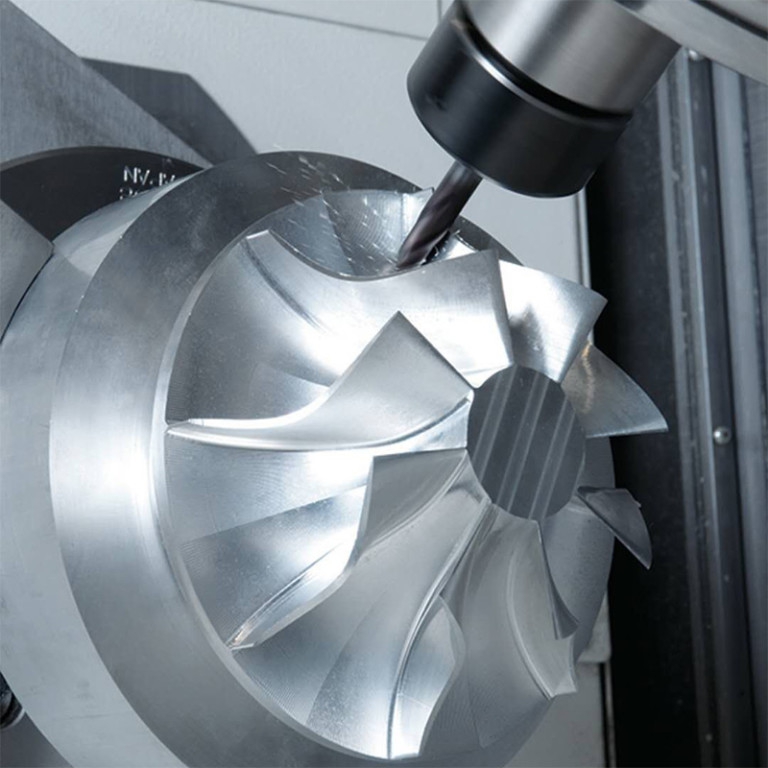
| Best For | Prismatic parts, 2.5D geometries, high-volume production of simpler components. | Highly complex, organic shapes (aerospace blades, medical implants, automotive prototypes). Single-setup machining. | Complex rotational parts requiring combined milling and turning operations. |
| Key Advantage | Cost-effectiveness, operational simplicity, and speed for suitable parts. | Unmatched geometric freedom, reduced setup time, superior surface finish on complex contours. | Complete part processing in one chucking, drastically reducing cycle time and improving concentricity. |
| Typical Precision | Excellent (±0.01mm to ±0.005mm achievable). | Exceptional (±0.005mm to ±0.001mm and beyond for high-end models). | High (±0.005mm typical), excellent for complex turned/milled features. |
| Relative Cost | Lower initial investment and often lower per-hour rate. | Higher investment, but can lower total part cost for complex items by eliminating multiple setups. | High investment, justified by dramatically reduced total processing time for suitable parts. |
H3: Why the “Machine” is Only Part of the Equation: The GreatLight Metal Advantage
At GreatLight Metal, we believe the best CNC milling machine is part of a larger ecosystem. Our value proposition extends far beyond the machine tool itself:
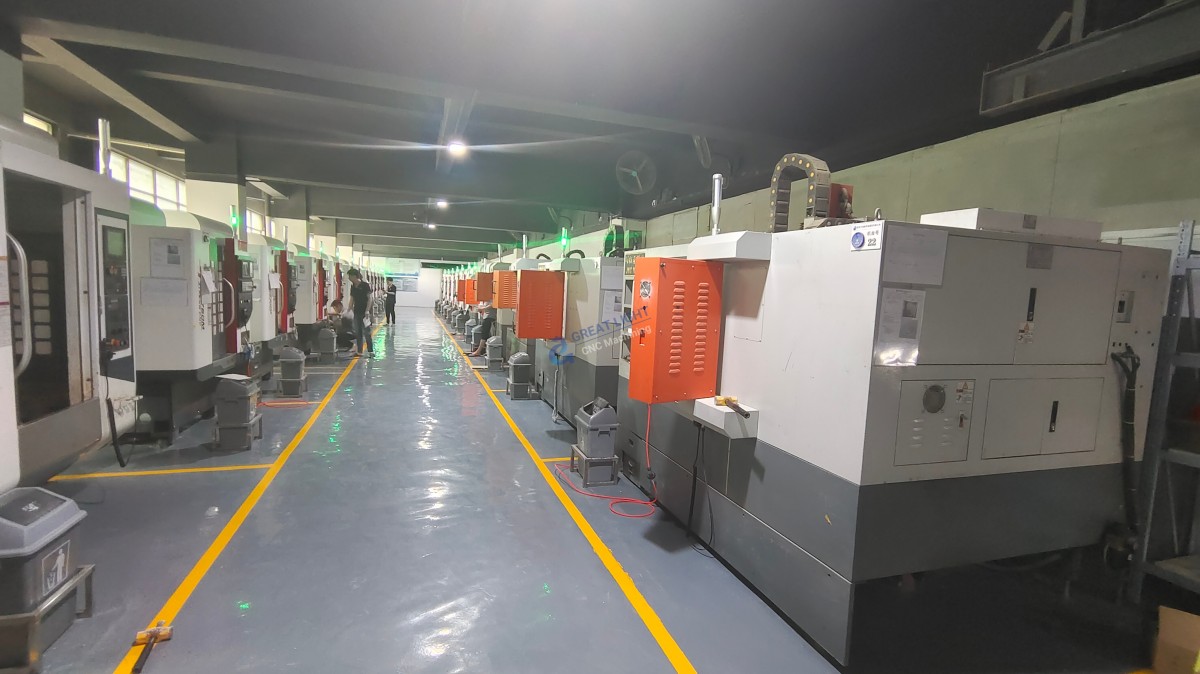
Strategic Equipment Portfolio: We don’t rely on a single “best” machine. Instead, we maintain a curated cluster of precision equipment from reputable builders. This includes high-end 5-axis CNC machining centers for ultra-complex work, high-speed 3-axis and 4-axis machines for efficient bulk production, and specialized mill-turn centers. We match your project to the perfect machine in our lineup.
Holistic Process Engineering: Our engineers analyze your part design for Design for Manufacturability (DFM). We might suggest a slight modification that allows a more cost-effective 4-axis machine to be used instead of a 5-axis, saving you money without compromising function.
Integrated Quality Assurance: The machine is only as good as its verification. Our in-house metrology lab, equipped with CMMs, optical comparators, and surface testers, provides closed-loop feedback to the machining process, ensuring every part meets print.
Full-Process Chain Control: From material sourcing and CNC machining to post-processing (heat treatment, anodizing, painting) and final assembly, we manage the entire workflow. This vertical integration eliminates communication gaps, ensures quality consistency, and accelerates lead times.
Conclusion: The Best CNC Milling Solution is a Partnership
So, what is the best CNC milling machine? It is not merely a brand or model number. It is a capability-matched system comprising the right hardware, operated by seasoned engineers, backed by rigorous quality systems, and integrated into a seamless manufacturing workflow.
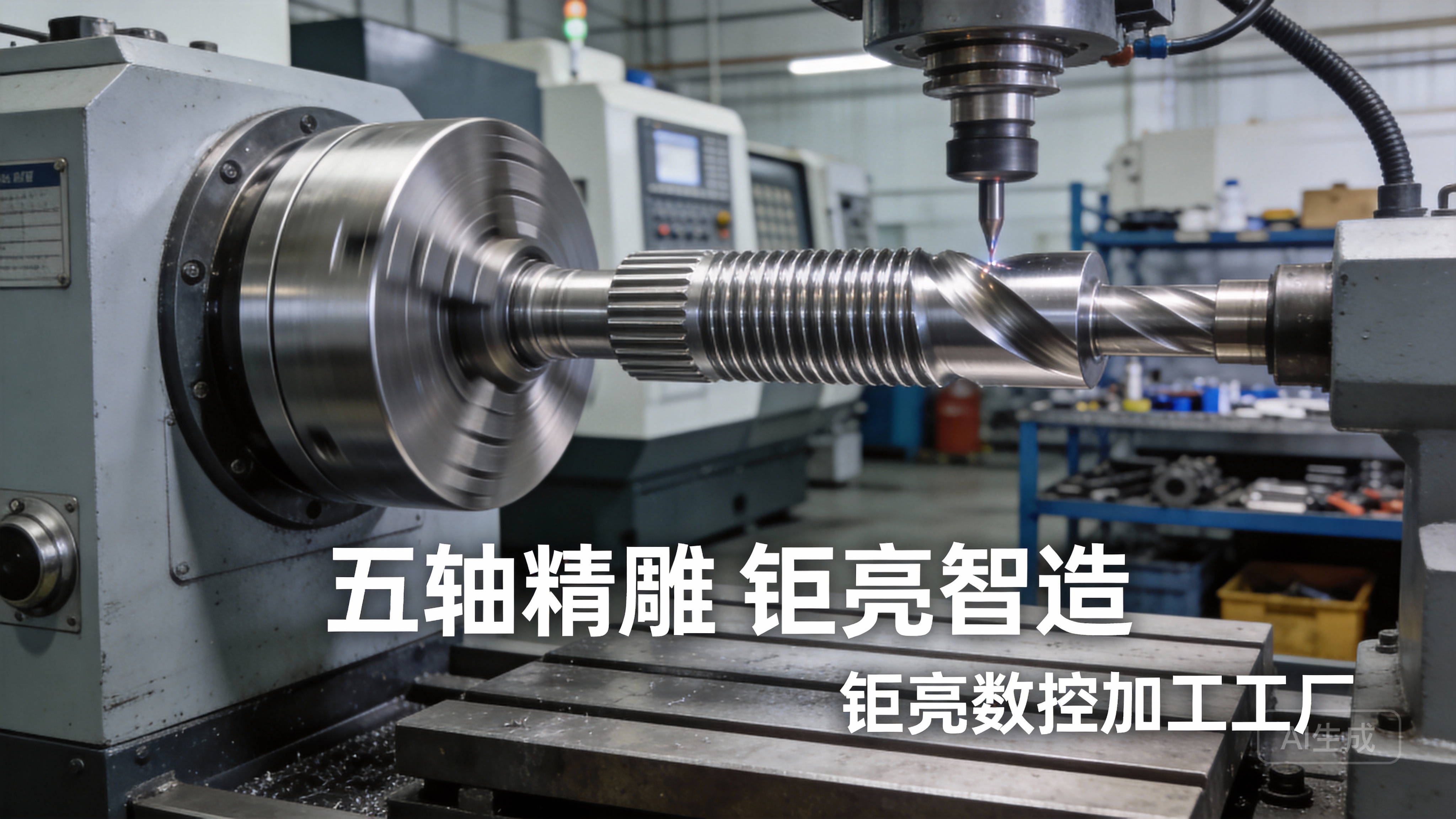
For clients seeking precision parts machining and customization, the optimal path is to partner with a manufacturer like GreatLight Metal that possesses both the technical depth to recommend the right machinery and the broad capability to execute the entire project flawlessly. We transform the complex question of “which machine” into the simple deliverable of “a perfect part.” By choosing a partner with real operational intelligence and a comprehensive equipment portfolio, you secure not just a machine time slot, but a reliable, high-performance extension of your own manufacturing team.
FAQ: Frequently Asked Questions
Q1: For a new product prototype with complex curves, should I always choose 5-axis machining?
A: While 5-axis is exceptionally capable for complex geometries, it’s not always mandatory. A skilled engineering team can often decompose a complex part into operations achievable on 3-axis or 4-axis machines, potentially saving cost. We provide DFM analysis to determine the most efficient and economical approach for your specific prototype.
Q2: Is a more expensive machine always more precise?
A: Generally, higher-priced machines offer better components (spindles, drives, bearings) and thermal compensation systems that enhance long-term precision. However, a well-maintained, mid-range machine operated by an expert can often meet stringent tolerances. The key is the combination of machine capability and process mastery.
Q3: How do you ensure consistent quality across different machines and production batches?
A: We enforce a standardized, ISO 9001:2015-certified process. All programming follows best-practice guidelines, tools are centrally managed and calibrated, and most importantly, every production batch undergoes rigorous inspection using the same calibrated metrology equipment, creating a consistent quality benchmark regardless of the specific machine used.
Q4: Can you machine the same high-precision part from both aluminum and stainless steel?
A: Absolutely, but the machine setup and process will differ significantly. Machining stainless steel requires different cutting tools, lower speeds/feeds, more robust machine rigidity, and often different cooling strategies compared to aluminum. Our process engineers optimize all parameters—machine selection, tooling, and cutting data—specifically for the material to ensure precision and tool life are maximized.
Q5: What is your biggest advantage over smaller machine shops with similar equipment?
A: Our integrated, one-stop solution is the key differentiator. Many shops can perform CNC milling. We provide the added value of in-house secondary processing, advanced finishing, assembly, and comprehensive quality control under one roof. This reduces your supply chain management burden, minimizes risk, ensures accountability, and often results in a faster overall project timeline and lower total landed cost. For more insights into our industry engagements, you can connect with us on LinkedIn.



















