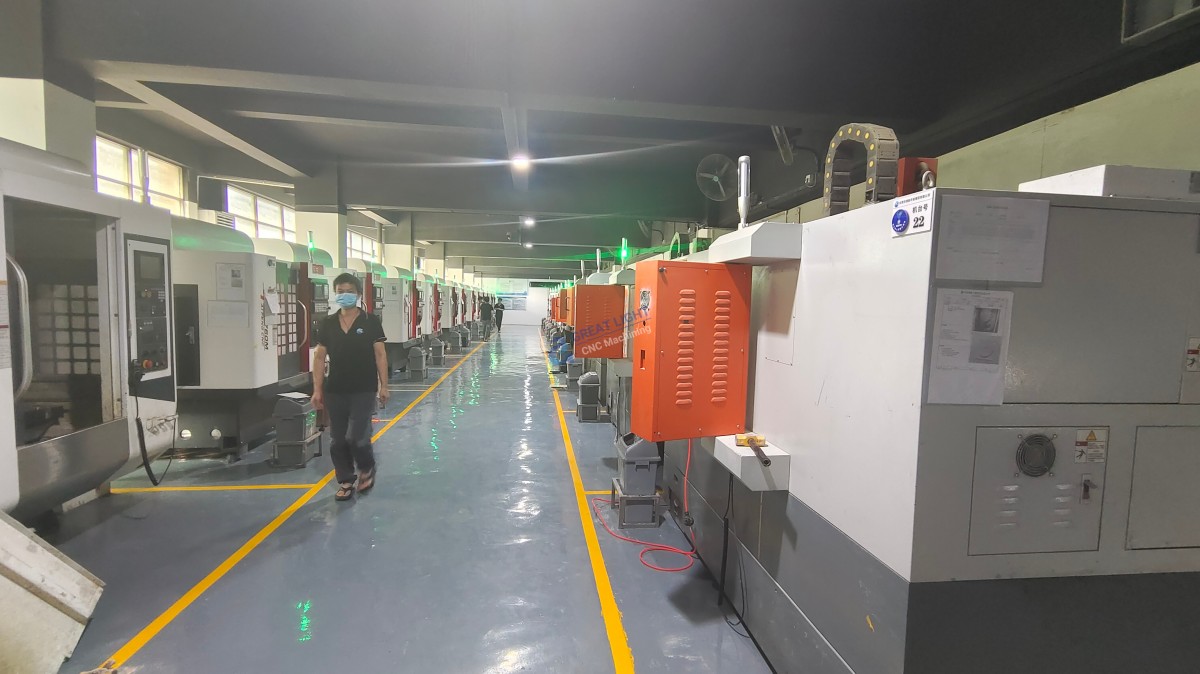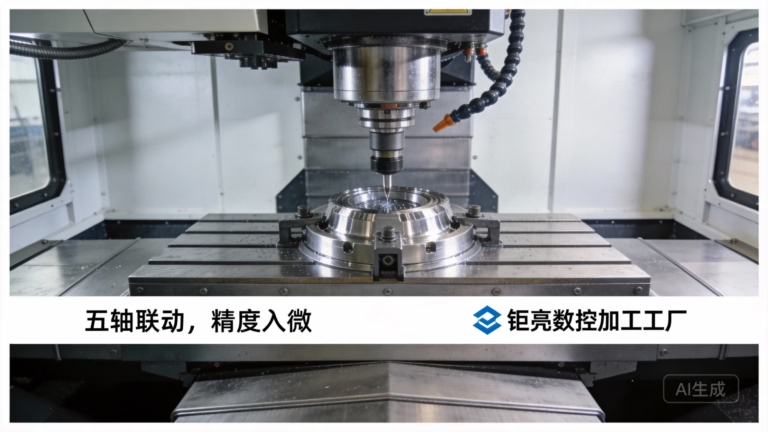
When navigating the world of CNC machining for plastics, the question of what is the best CNC machine for plastic is not one with a single, simple answer. The “best” machine is inherently tied to the specific plastic material, the part’s geometry, required tolerances, production volume, and desired surface finish. As a manufacturer deeply entrenched in precision machining of both metals and engineered plastics, we at GreatLight Metal understand that selecting the right equipment is the first critical step in transforming a plastic resin into a high-performance component.
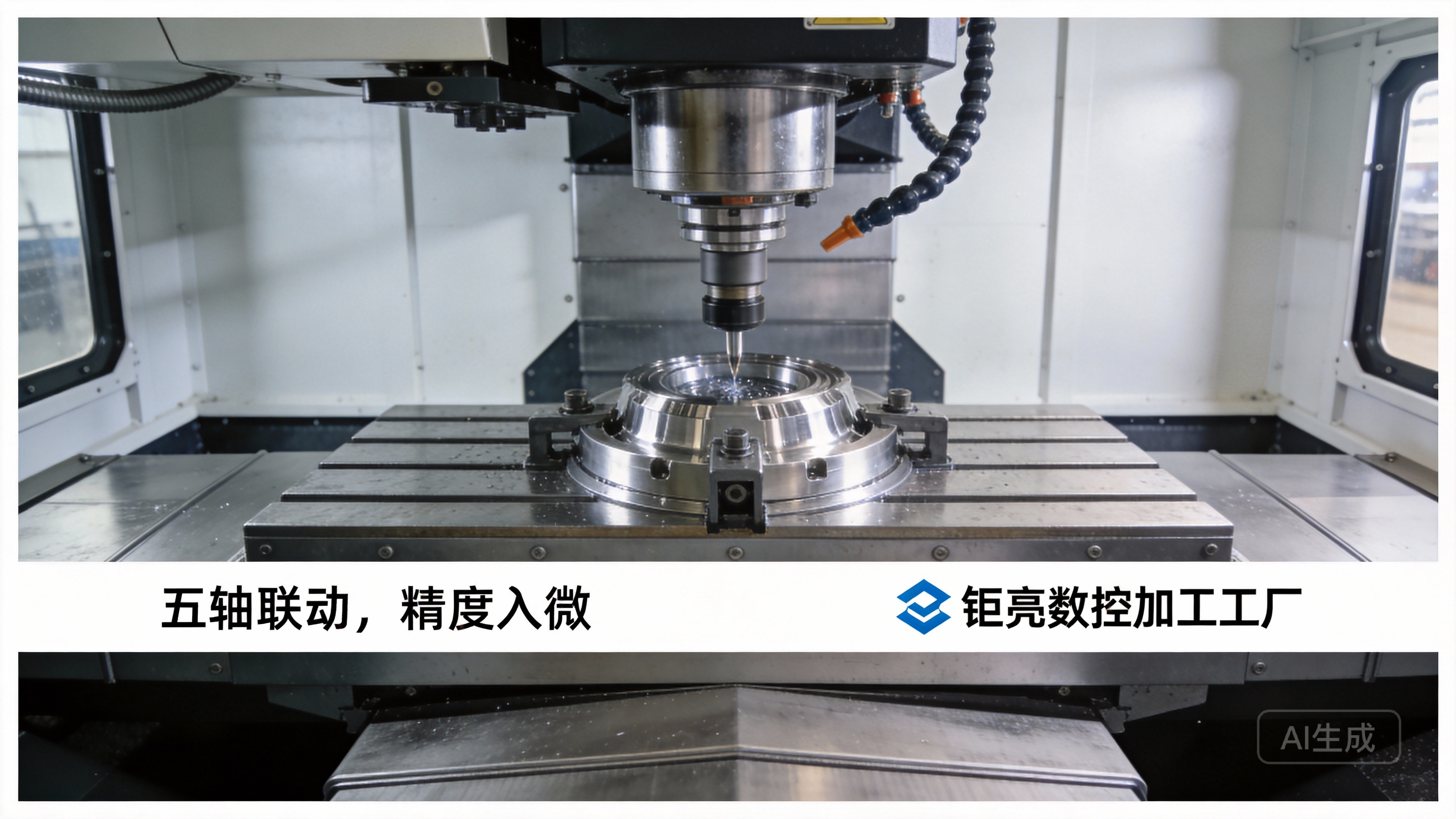
The suitability of a CNC machine for plastic hinges on its ability to address the unique challenges of polymer machining: managing heat buildup to prevent melting or deformation, achieving clean cuts without burrs, and ensuring dimensional stability in a material that can be less rigid than metal.
H2: Understanding Plastic Materials for CNC Machining
Before choosing a machine, one must understand the workpiece. Plastics are broadly categorized into two groups with distinct machining behaviors:
Thermoplastics (e.g., PEEK, ABS, Nylon, Polycarbonate, Acetal/Delrin, PEI/Ultem): These soften when heated and re-harden when cooled. They are widely machined but require sharp tools and effective cooling to prevent gumminess and poor surface finish.
Thermosets (e.g., Epoxy, Phenolic, Vespel): These remain permanently rigid once cured. They are generally more brittle and generate dust rather than chips, requiring good dust extraction.
The optimal machine configuration changes significantly between machining a delicate acrylic lens and a robust, glass-filled PEEK aerospace bracket.
H2: Key Machine Characteristics for Optimal Plastic Machining
Regardless of the specific type, the best CNC machines for plastics excel in the following areas:
High Spindle Speed and Rigidity: Plastics are often machined at high cutting speeds with light depths of cut. A spindle capable of 10,000 RPM or higher is common, allowing for fine finishes and efficient material removal. However, this spindle must be mounted in an extremely rigid frame to suppress vibration, which can cause chatter and poor surface quality.
Precise Temperature Control & Cooling Strategy: Excessive heat is the enemy of plastic machining. While coolants are used with some plastics (like using compressed air or mist), many require dry machining or specialized coolants to avoid water absorption or chemical reaction. The machine’s design must facilitate efficient chip evacuation to prevent recutting and heat accumulation.
Advanced Motion Control and Software: Smooth, jerk-free motion is paramount to avoid stress marks and achieve optical-quality surfaces on transparent plastics. Machines with high-end controllers and precise servo drives deliver the toolpath fidelity needed for complex plastic parts.
Versatile Toolholding and Tooling: Quick-change tooling systems and compatibility with a wide array of specialized plastic-cutting end mills (often with high helix angles and polished flutes) are essential for efficiency and quality.
H2: Breakdown of CNC Machine Types for Plastic Applications
Here’s how different CNC platforms stack up for plastic machining:
| Machine Type | Best Suited For Plastic | Key Advantages | Considerations |
|---|---|---|---|
| CNC Routers | Large-format sheets, signs, prototypes, wood-composite plastics. | Cost-effective for large work envelopes, high speed. | Generally less rigid than milling centers, may struggle with tight tolerances (<±0.1mm) on engineering plastics. |
| 3-Axis CNC Milling Centers | The workhorse for most precision plastic parts. Blocks, enclosures, functional prototypes. | Excellent rigidity and precision, wide material compatibility, best for ±0.025mm tolerances or better. | Limited for undercut features; part may require repositioning. |
| 5-Axis CNC Machining Centers | Complex, monolithic plastic components with contoured surfaces, deep cavities, or multiple compound angles. | Complete parts in single setup, unparalleled geometry freedom, superior surface consistency. | Higher machine investment and programming complexity. The ideal choice for high-value, complex parts. |
| CNC Lathes | Any plastic part with rotational symmetry (bushings, knobs, fittings, lenses). | Highly efficient for round parts, excellent concentricity and surface finish on diameters. | Limited to rotational geometries; often used in tandem with milling operations. |
H2: The Application-Driven Answer: Which Machine is “Best”?
For High-Precision, Complex Engineering Components: A 5-axis CNC machining center is often the superior choice. For instance, at GreatLight Metal, our advanced 5-axis CNC systems are indispensable for machining complex medical device housings from UHMWPE or intricate air ducts from ABS. The ability to approach the part from any angle in one clamping ensures exceptional accuracy and eliminates misalignment errors between features.
For Standard Prototypes and Enclosures: A high-quality 3-axis CNC milling center is typically the most efficient and cost-effective solution. It delivers the precision needed for fit-testing functional prototypes and production runs of brackets, covers, and insulators.
For High-Volume, Simple Geometries: A CNC lathe or a multi-axis mill-turn center offers the fastest cycle times and lowest per-part cost for turned plastic components.
For Large, Low-Tolerance Panels and Signs: A CNC router is the appropriate and economical tool for the job.
H3: The GreatLight Metal Advantage: Beyond the Machine
While machine selection is crucial, it is only part of the equation. The true “best” solution is a manufacturing partner that combines the right technology with deep material science knowledge and process expertise. This is where GreatLight Metal provides distinct value:
Material-Specific Process Libraries: We have developed optimized machining parameters, tooling strategies, and fixturing methods for dozens of engineered plastics, from everyday acrylics to high-performance PEEK and Vespel.
Integrated Post-Processing: Machining is often just the first step. We provide a full range of finishing services critical for plastics, including bead blasting, polishing, annealing for stress relief, and various coatings.
Holistic Quality Assurance: We verify plastic parts not just for dimensions (with CMMs and optical scanners) but also for critical attributes like transparency, surface roughness, and freedom from internal stress.
Full-Service Manufacturing Chain: If your project evolves from prototypes to injection molding, our in-house mold manufacturing and die-casting capabilities provide a seamless transition.
Conclusion: What Is The Best CNC Machine For Plastic?
Ultimately, the best CNC machine for plastic is the one that is precisely matched to your part’s design, material, and quality requirements, and is operated by a team with the expertise to unlock its full potential. For most high-precision, industrial applications involving engineering plastics, the capabilities of a modern 5-axis or 3-axis CNC machining center, managed by an experienced manufacturer like GreatLight Metal, represent the gold standard. It provides the flexibility, precision, and reliability needed to turn challenging plastic designs into flawless, functional realities. We invite you to leverage our equipment and expertise for your next plastic machining project.
FAQ: CNC Machining of Plastics
Q1: Can you machine plastic on a metal CNC machine?
A: Yes, absolutely. In fact, precision CNC mills and lathes designed for metals are excellent for machining plastics, provided the correct tooling, speeds, feeds, and cooling strategies are employed. The key is to adapt the process to the plastic’s softer, more heat-sensitive nature.
Q2: What is the biggest challenge when CNC machining plastic?
A: Heat management is the primary challenge. Excessive heat can melt thermoplastic edges (causing burrs), warp the part, or induce internal stresses. This is controlled through sharp tools, high spindle speeds, light depths of cut, proper feed rates, and effective chip evacuation or cooling.
Q3: Which plastic is easiest to machine?
A: Acetal (Delrin) is often cited as one of the easiest engineering plastics to machine. It produces clean, continuous chips, has low moisture absorption, and offers good dimensional stability, making it forgiving and predictable in the machining process.
Q4: Do you need coolant when CNC machining plastic?
A: It depends on the plastic. Many plastics (like Acetal, UHMWPE) are machined dry with compressed air to clear chips. Some require a mist coolant. Water-based coolants can be used with certain plastics but must be avoided with others (like nylon) that absorb moisture and swell. The machining strategy is always material-specific.
Q5: Why choose GreatLight Metal for my plastic CNC machining project?
A: GreatLight Metal brings a systematic approach that bridges the gap between machine capability and part quality. We don’t just run your file; we engineer the entire manufacturing process—from material selection and fixturing design to machining parameters and post-processing—ensuring your plastic parts meet the highest standards of precision, appearance, and performance. Our commitment to quality systems like ISO 9001:2015 guarantees a consistent and reliable outcome. Connect with our team on LinkedIn to see how we tackle complex manufacturing challenges.