How Does CNC Machining Work?
CNC machining, or Computer Numerical Control machining, is a manufacturing process that utilizes computer-controlled machines to create precision parts from various materials. This technology has revolutionized the manufacturing industry, offering unparalleled accuracy, efficiency, and versatility. Let’s delve into the intricacies of how CNC machining works.
The Basics of CNC Machining
At its core, CNC machining involves the use of pre-programmed software instructions to control the movement of factory tools and machinery. These instructions are typically created using Computer-Aided Design (CAD) software, which allows engineers to design the part they need. Once the design is complete, it is converted into a format that the CNC machine can understand, often using Computer-Aided Manufacturing (CAM) software.
The CNC Machining Process
Design: The process begins with the creation of a detailed 3D model of the part using CAD software. This model includes all the necessary dimensions and specifications.
Programming: The CAD model is then converted into a CNC program, which contains the instructions for the CNC machine. This programming can be done manually or using CAM software, which automates the process.
Setup: Once the program is ready, the CNC machine is set up. This involves loading the necessary tools, securing the workpiece, and calibrating the machine to ensure accuracy.
Machining: With everything in place, the CNC machine begins to execute the programmed instructions. The machine’s tools move along precise paths, cutting, drilling, milling, or turning the workpiece as needed.
Quality Control: After machining, the part undergoes quality control checks to ensure it meets the required specifications. This may involve measuring the part with precision tools or using inspection equipment.
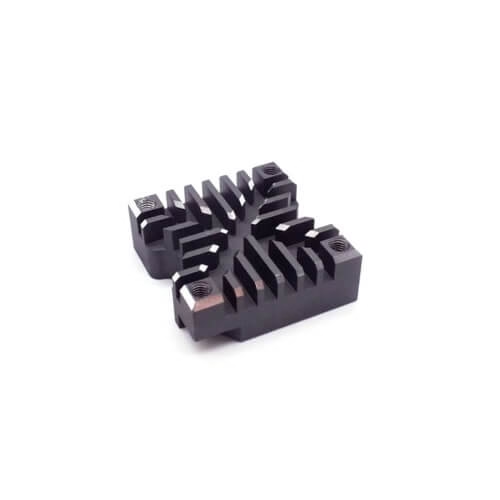
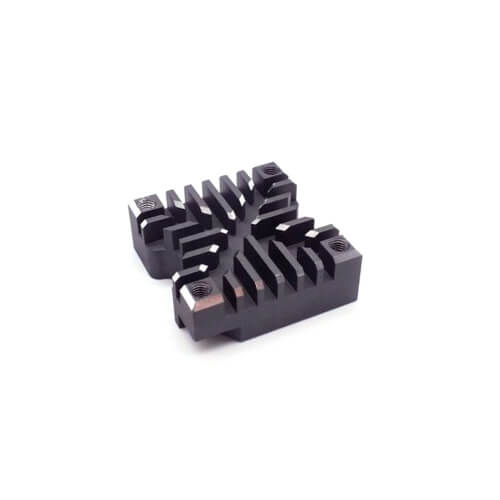
Finishing: Once the part passes quality control, it may undergo additional finishing processes, such as grinding, polishing, or coating, to achieve the desired surface finish.
Key Components of a CNC Machine
Controller: The brain of the CNC machine, responsible for interpreting the program and controlling the machine’s movements.
Spindle: The spindle holds the cutting tool and rotates it at high speeds to perform cutting operations.
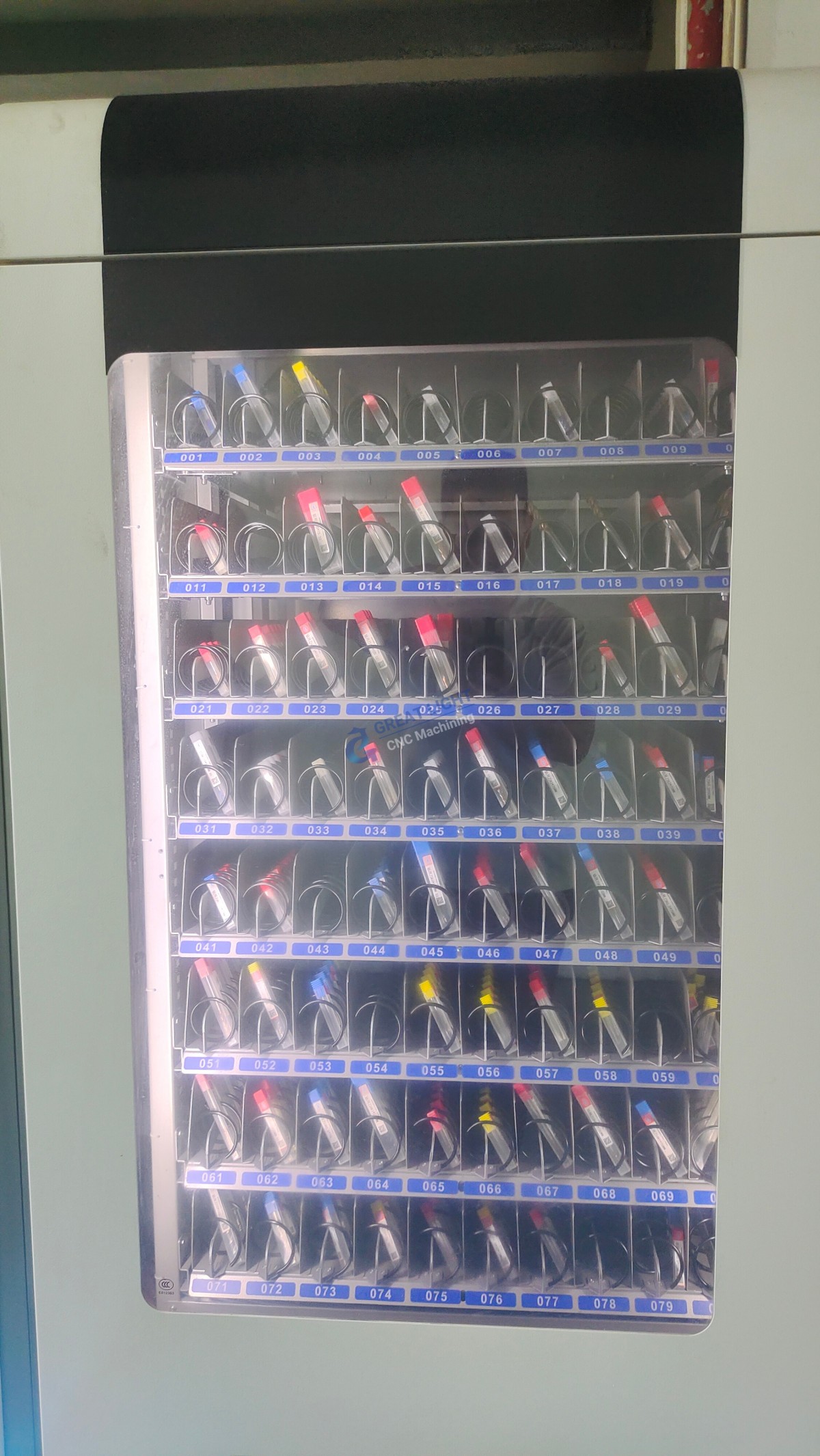
Tools: These include drills, mills, cutters, and other cutting instruments used to shape the workpiece.
Worktable: The platform where the workpiece is secured and moved as needed during machining.
Drive System: This system moves the tools and workpiece along the axes (X, Y, Z) as directed by the controller.
Advantages of CNC Machining
Precision: CNC machines can achieve incredibly tight tolerances, making them ideal for producing high-precision parts.
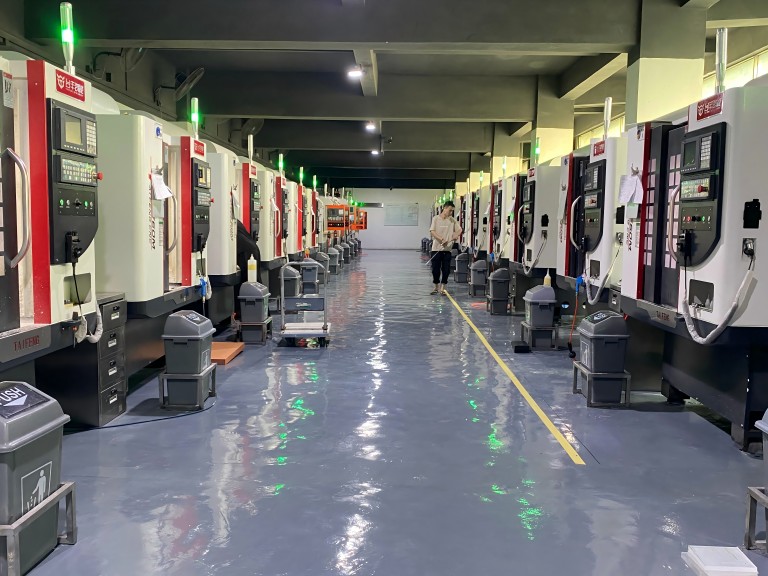
Efficiency: Once programmed, CNC machines can operate continuously, reducing production time and labor costs.
Versatility: CNC machines can perform a wide range of operations, from simple milling to complex multi-axis machining.
Consistency: CNC machines produce consistent results, reducing the risk of human error.
FAQ
Q: What materials can be machined using CNC?
A: CNC machines can work with a variety of materials, including metals (such as aluminum, steel, and titanium), plastics, composites, and even wood.
Q: How long does it take to program a CNC machine?
A: The time required to program a CNC machine can vary widely depending on the complexity of the part and the experience of the programmer. Simple parts may take only a few hours, while complex parts may require several days.
Q: What is the difference between 3-axis and 5-axis CNC machining?
A: 3-axis machining involves movement along the X, Y, and Z axes, while 5-axis machining adds rotation around two additional axes (typically A and B or C), allowing for more complex geometries and better access to intricate features.
Q: How accurate is CNC machining?
A: CNC machining can achieve very high accuracy, often within ±0.001mm (0.00004 inches). This precision is essential for industries like aerospace, automotive, and medical device manufacturing.
Q: Can CNC machines be used for prototyping?
A: Yes, CNC machines are commonly used for prototyping due to their ability to quickly produce accurate and detailed parts from digital designs.
In conclusion, CNC machining is a powerful manufacturing process that leverages advanced technology to produce high-precision parts efficiently and consistently. Whether you need complex geometries or tight tolerances, CNC machining offers the versatility and accuracy required to meet your manufacturing needs. For more information on how GreatLight CNC Machining Factory can assist with your precision parts machining and customization requirements, please refer to our precision 5-axis CNC machining services.
For more insights into our capabilities and success stories, you can also visit our LinkedIn page.