
Imagine a master sculptor, but instead of a chisel and hammer, their tools are spinning cutters moving with microscopic precision, guided not by human hand but by digital blueprints. This is the essence of a Computer Numerical Control (CNC) machine. It’s a transformative technology that has redefined manufacturing, turning blocks of raw material into complex, high-tolerance components through automated, programmed commands. For anyone involved in sourcing or designing precision parts, understanding how does CNC machine work is key to unlocking its full potential for innovation and efficiency.
At its core, a CNC machine is a manufacturing system where pre-programmed computer software dictates the movement of factory tools and machinery. The process can automate the control of a wide range of complex machinery, from grinders and lathes to mills and routers, with unparalleled consistency and accuracy.
The Three Pillars of CNC Operation
To grasp how a CNC machine works, it’s helpful to break down the system into three fundamental components:
The Digital Instruction (The “What”): It all begins with a Computer-Aided Design (CAD) model. This is a precise 3D digital blueprint of the final part. Using Computer-Aided Manufacturing (CAM) software, a programmer then translates this model into a set of instructions—a CNC program, typically written in G-code. This code dictates every single movement: the toolpath, spindle speed, feed rate, coolant flow, and tool changes. It is the digital DNA of the part.
The Machine Controller (The “Brain”): This is the industrial computer (often a dedicated CNC controller) that reads and interprets the G-code program. It converts the digital commands into precise electrical signals. These signals are sent to the machine’s drive components, controlling the exact position, velocity, and acceleration of the machine axes (like X, Y, Z, and rotational A, B, C axes).
The Physical Machine (The “Body”): This includes the mechanical structure, the spindle that rotates the cutting tool, the servo motors and drive systems that move the tool or workpiece along the programmed paths, and the workholding device (like a vise or chuck). The controller’s signals command these physical elements to remove material with exacting precision.
The Step-by-Step Workflow: From Concept to Component
Here is a detailed walkthrough of the typical CNC machining process:
Step 1: Creating the CAD Model
A designer or engineer creates a detailed 3D model of the part using CAD software. This model defines every dimension, tolerance, and geometric feature.
Step 2: Generating the CNC Program (CAM)
The CAD file is imported into CAM software. Here, the machinist or programmer:
Selects the appropriate virtual tools from a library.
Defines the machining strategies (e.g., roughing, finishing, drilling).
Sets the cutting parameters (speeds, feeds, depth of cut).
The CAM software then automatically calculates the toolpaths and generates the G-code program, simulating the entire process to catch errors.
Step 3: Setting Up the Machine
The operator secures the raw material (aluminum, steel, plastic, etc.) onto the machine bed or in a fixture. The correct cutting tools are loaded into the machine’s tool magazine or spindle. Critical setup steps include “zeroing” or “homing” the machine—establishing a precise reference point on the workpiece from which all programmed movements will originate.
Step 4: Executing the Program
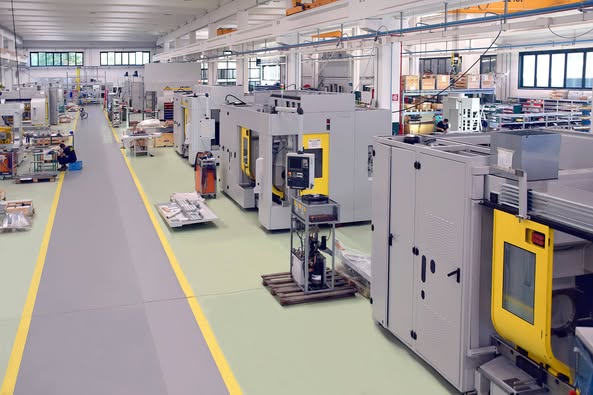
The G-code program is loaded into the machine controller. Upon initiation, the machine follows the program step-by-step. The spindle spins the cutting tool at high RPMs, while the servo motors move the tool along the programmed paths, shearing away material to reveal the final shape. Modern machines often have automatic tool changers and pallet systems for uninterrupted operation.
Step 5: Post-Processing and Inspection
Once machining is complete, the part may require manual deburring or undergo secondary operations like anodizing, plating, or heat treatment. Finally, the part is meticulously inspected using tools like Coordinate Measuring Machines (CMMs), calipers, and optical comparators to verify it meets all specifications.
Types of CNC Machines and Their Functions
CNC Mills: Use rotating cutting tools to remove material from a stationary workpiece. They are ideal for complex 3D shapes, slots, pockets, and contours.
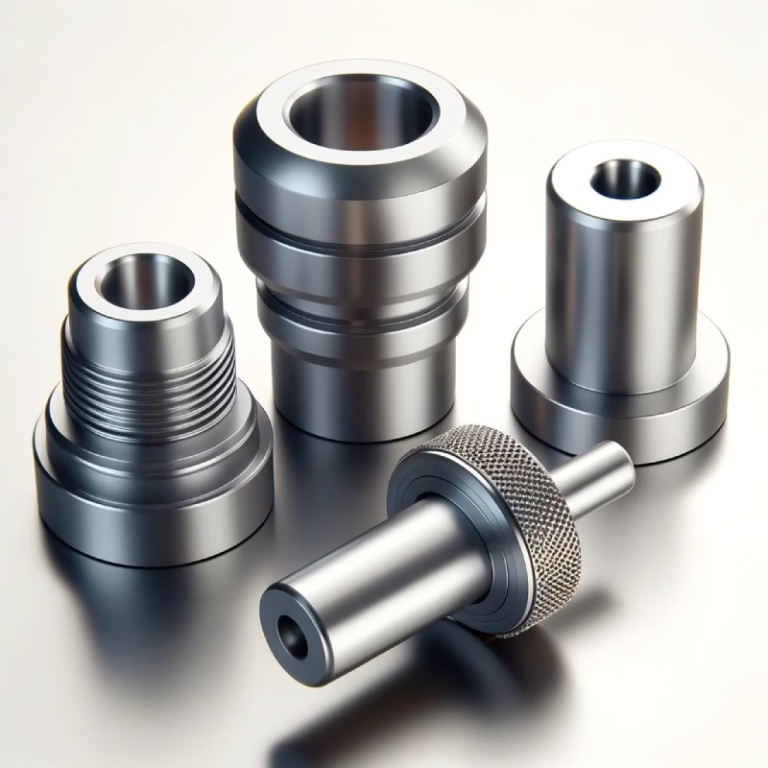
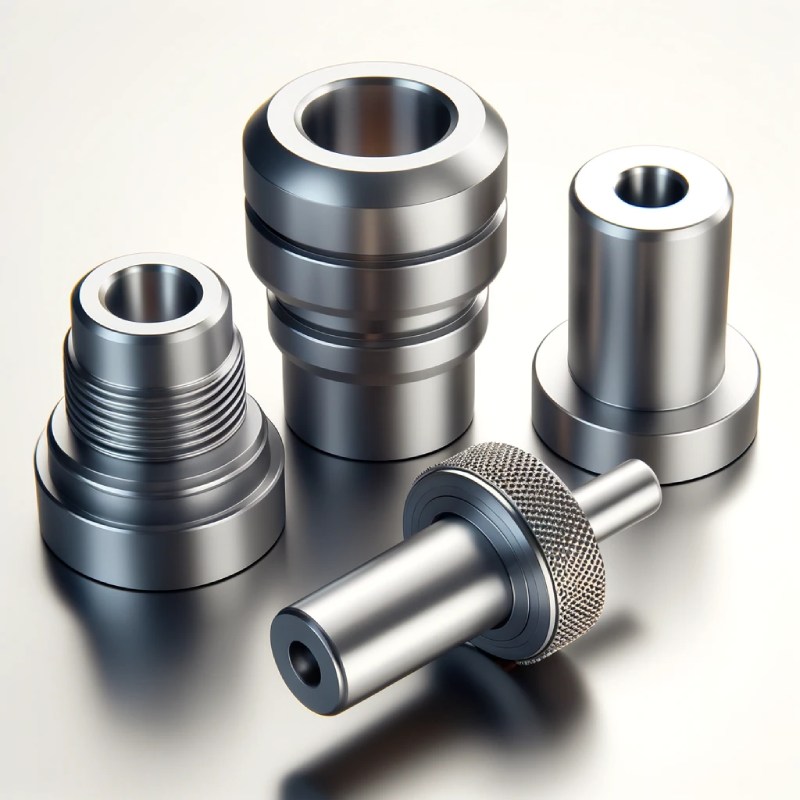
CNC Lathes: Rotate the workpiece against a stationary cutting tool. Perfect for creating cylindrical, conical, or radial symmetric parts like shafts, bushings, and nozzles.
5-Axis CNC Machines: The pinnacle of versatility. These machines can move the cutting tool or workpiece along five different axes simultaneously. This allows for the machining of incredibly complex geometries—such as aerospace impellers or medical implants—in a single setup, drastically improving accuracy and reducing production time. For projects demanding the utmost in complexity and precision, partnering with a specialist in 5-axis CNC machining services is often the most effective path forward.
Why CNC Machining? The Unmatched Advantages
Understanding how does CNC machine work naturally leads to appreciating its benefits:
Extreme Precision and Repeatability: Capable of holding tolerances within ±0.001 inches (±0.025mm) or tighter, producing identical parts batch after batch.
Complex Geometries: Can produce shapes that are impossible or prohibitively expensive with manual machining.
Enhanced Efficiency & Automation: Once programmed and set up, machines can run unattended for hours, optimizing labor and increasing output.
Material Versatility: Can process a vast range of materials, from plastics and aluminum to titanium and high-temperature superalloys.
Digital Consistency: The process is driven by digital files, eliminating human error from the cutting operation and ensuring perfect design translation.
Conclusion
So, how does CNC machine work? It works by seamlessly merging the digital and physical worlds. It transforms intangible design data into tangible, high-value components through a symphony of advanced software, sophisticated control systems, and powerful mechanical execution. This technology is the backbone of modern manufacturing, enabling the production of everything from everyday consumer goods to the most advanced aerospace and medical devices.
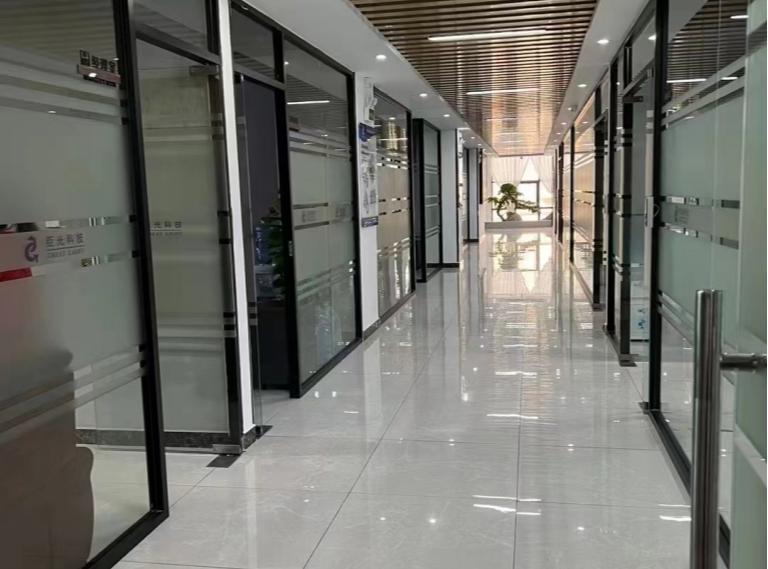
For businesses seeking to leverage this capability, the choice of manufacturing partner is critical. It requires not just machines, but the engineering expertise to program them optimally, the quality systems to ensure reliability, and the experience to navigate complex material and design challenges. Facilities that combine robust technical infrastructure with deep process knowledge—like those adhering to stringent standards from ISO 9001 for quality to IATF 16949 for automotive components—become true extensions of their clients’ R&D and production teams, turning intricate designs into reality with confidence.
Frequently Asked Questions (FAQ)
Q1: What is the main difference between CNC and manual machining?
A: Manual machining relies entirely on the skill of a machinist to operate levers and wheels. CNC machining is automated; a computer program controls all movements, ensuring higher precision, repeatability, and the ability to produce far more complex parts.
Q2: Is CNC machining only for metal parts?
A: No. While excellent for metals, CNC machines can also precisely cut plastics, wood, composites, foam, and even wax for mold-making.
Q3: What does “5-axis” mean in CNC machining?
A: It refers to the number of directions in which the cutting tool or workpiece can move. Three linear axes (X, Y, Z) are standard. 5-axis machines add two rotational axes (typically A and B), allowing the tool to approach the workpiece from virtually any angle without requiring multiple setups.
Q4: How small of a tolerance can a CNC machine hold?
A: High-end CNC machines in controlled environments can consistently hold tolerances as tight as ±0.0002 inches (±0.005mm) or even finer for specific applications. The achievable tolerance depends on the machine, tooling, material, and part geometry.
Q5: Is CNC programming difficult?
A: Basic G-code can be learned, but professional programming for complex parts using CAM software requires significant training and experience. It involves strategic planning for toolpaths, cutting forces, and material behavior to optimize quality, tool life, and cycle time.
Q6: What are the limitations of CNC machining?
A: While versatile, it has some constraints: internal sharp corners are difficult due to the round shape of cutting tools; very deep, narrow cavities can be challenging; and the initial cost of programming and setup can be high for very low-volume runs (though this is where rapid prototyping shines).
Q7: Why is a manufacturer’s certification (like ISO 9001) important for CNC work?
A: Certifications demonstrate a systematic, documented approach to quality management. They provide assurance that the supplier has consistent processes for design review, production control, inspection, and corrective action—critical for producing reliable, specification-compliant parts, especially in regulated industries like automotive or medical. For insights into how industry leaders approach these standards, you can explore the practices of established manufacturers on professional networks like LinkedIn.



















