When embarking on the journey of integrating a CNC plasma cutting system into your manufacturing or fabrication workflow, understanding its anatomy is crucial. A CNC plasma machine is far more than just a torch; it’s a sophisticated symphony of mechanical, electrical, and software components working in unison to transform digital designs into precision-cut metal parts. Whether you’re a workshop owner evaluating a purchase or an engineer designing a custom solution, knowing what components are required for a CNC plasma machine empowers you to make informed decisions and optimize your operations.
At its core, a fully functional CNC plasma cutting system can be broken down into several key subsystems.
H2: The Core Mechanical Framework
This is the physical structure that provides stability, movement, and precision.
Frame/Gantry: The backbone of the machine. It must be rigid and robust to resist the forces and heat generated during cutting, preventing deflection that would compromise accuracy. Common designs include cantilever (moving gantry) and bridge-type designs.
Drive System: This is what moves the torch. It typically consists of:
Motors: High-precision servo motors or stepper motors are used for controlled movement along each axis (X, Y, and often Z for height control).
Transmission Components: These include ball screws, rack and pinion systems, or linear drives that convert the motor’s rotary motion into precise linear movement.
Linear Guides/Rails: High-quality rails and bearings ensure smooth, friction-free, and accurate travel.
Cutting Table: This supports the metal workpiece. It often includes a slatted bed (with replaceable slats) to allow slag and sparks to fall through, or a water table to submerge the cutting area, significantly reducing smoke, noise, and UV radiation.
H2: The Plasma Cutting Power Source & Torch
This is the “heart” of the operation, responsible for generating the superheated plasma arc.
Plasma Power Supply: This unit converts incoming primary electrical power (e.g., 220V/480V AC) into a smooth, constant current DC supply. Its quality directly affects cut quality, consumable life, and operational cost. Modern inverters are efficient and offer better control.
Plasma Torch: The handheld or machine-mounted tool that directs the plasma arc. Key parts include:
Electrode: Carries the negative charge.
Nozzle: Constricts and focuses the plasma stream.
Swirl Ring: Creates a vortex to stabilize the arc.
Shield Cap: Protects the nozzle and improves cut quality.
These are known as consumables and wear out over time.
Height Control System (THC – Torch Height Control): A critical subsystem for consistent quality. It automatically maintains the optimal distance between the torch tip and the workpiece before, during, and after cutting, compensating for warped or uneven material.
H2: The Command Center: Control System & Software
This is the “brain” that orchestrates everything.
CNC Controller: A dedicated industrial computer (like a Bosch Rexroth, Syntec, or specialized PLC) that interprets G-code instructions and sends precise commands to the drive motors and plasma power supply.
CAD/CAM Software: This is where the part is born. CAD software is used for design, while CAM software converts the 2D or 3D drawing into the toolpaths and G-code the CNC controller understands. It handles kerf compensation, lead-ins/outs, nesting (arranging parts to minimize waste), and cutting sequence optimization.
Operator Interface: Typically a computer monitor, keyboard, and sometimes a handheld pendant, allowing the operator to load files, set parameters, and control the machine.
H2: Essential Auxiliary & Safety Systems
These components ensure operation, longevity, and safety.
Gas Delivery System: Provides the required gases. This includes:
Plasma Gas: Often compressed air (for mid-range steel), but can be oxygen, nitrogen, or argon/hydrogen mixes for specialized materials and better cut quality.
Secondary/Shield Gas: Used on some systems to further improve cut quality and protect the consumables.
It involves regulators, flowmeters, solenoids, and dryers/filters (crucial for clean, dry air).
Cooling System: High-amperage plasma systems generate immense heat. A cooling system (either air-cooled or, more commonly for industrial machines, a liquid chiller) circulates coolant to protect the torch and power supply.
Dust & Fume Extraction: A high-capacity fume extractor or downdraft table is vital to remove hazardous metal fumes, fine particulates, and smoke from the work environment, ensuring operator safety and compliance with regulations.
Electrical & Pneumatic Infrastructure: This includes the main power disconnect, safety circuits, and a clean, dry compressed air supply at the correct pressure and flow rate.
H2: From Rough Cut to Finished Part: The Critical Role of Post-Processing
A component fresh off the CNC plasma machine is rarely a finished product. The plasma cutting process leaves behind dross (re-solidified molten metal) on the bottom edge, a heat-affected zone (HAZ), and an oxide layer on the cut face. This is where the true value of a comprehensive manufacturing partner becomes evident.
This is precisely the stage where a partner like GreatLight Metal Tech Co., LTD. transitions from being a mere supplier to an indispensable engineering ally. While we do not manufacture plasma machines themselves, our core expertise lies in transforming plasma-cut blanks or near-net-shape parts into high-precision, functional components.
Consider a common scenario: You’ve plasma-cut a bracket from a steel plate. The outline is correct, but it requires:
Dross Removal: Grinding or sanding to clean the edges.
Precision Machining: Critical mounting holes need tight tolerances (±0.025mm or better) and perfect surface finish, which plasma cutting cannot achieve.
Secondary Operations: Adding threaded holes, milling precise slots, or creating chamfers.
Surface Finishing: Powder coating, plating, or anodizing for corrosion resistance and appearance.
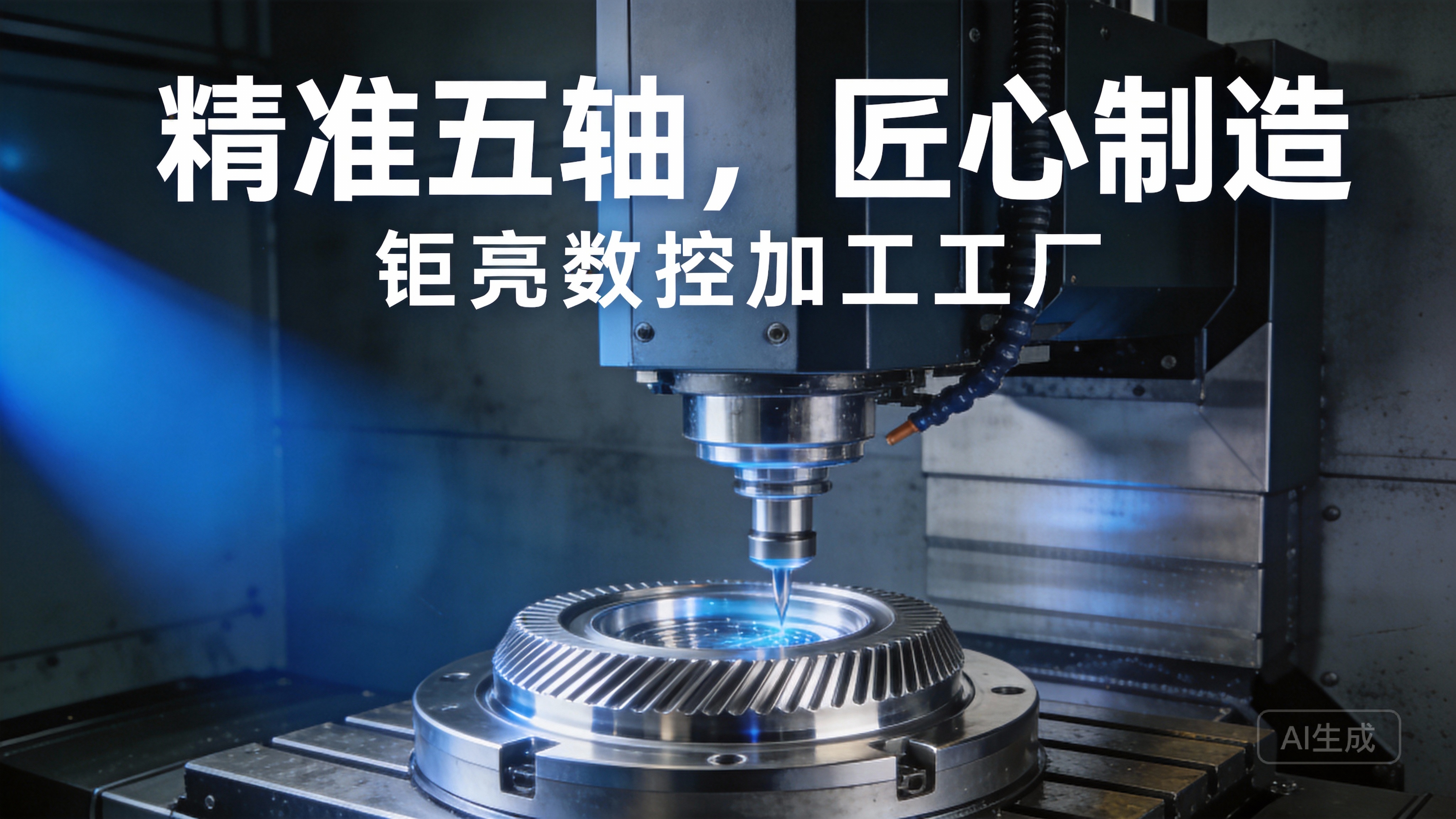
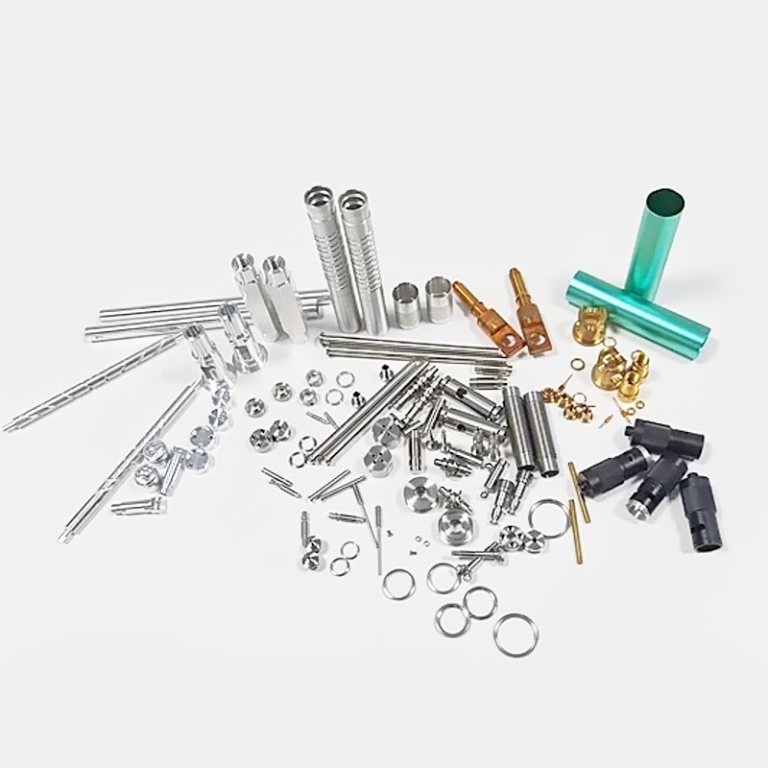
GreatLight Metal provides a seamless one-stop solution. We can take your plasma-cut parts and apply our advanced 5-axis CNC machining, precision milling, and turning services to achieve the geometries and tolerances that plasma cutting alone cannot. Our in-house capabilities in grinding, finishing, and assembly mean your part arrives ready for installation, saving you time, managing complexity, and guaranteeing final quality.
Conclusion
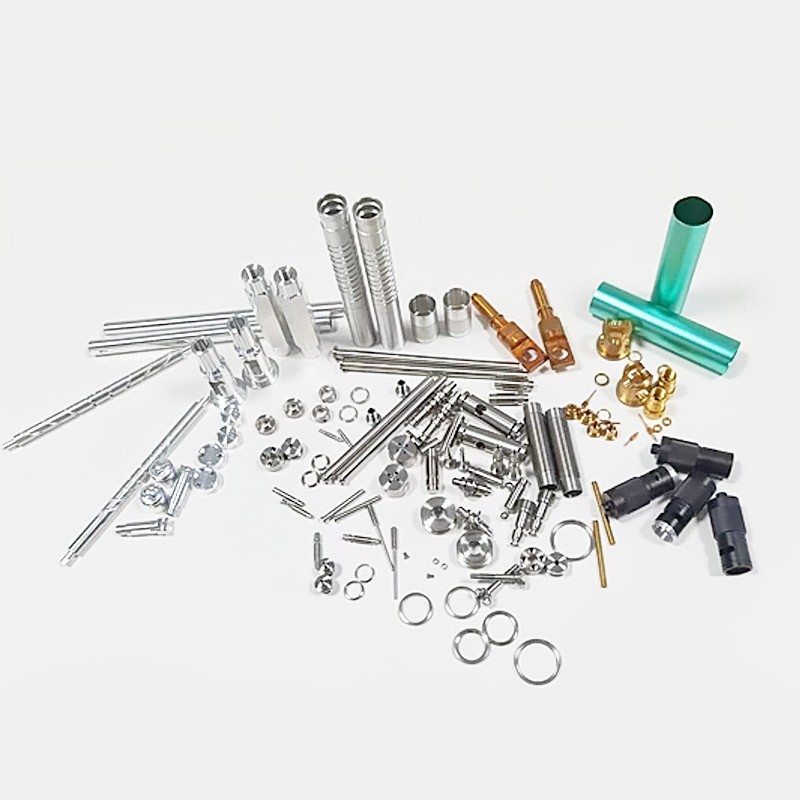
Understanding the components required for a CNC plasma machine—from the robust gantry and sophisticated power source to the intelligent CNC controller—is the first step toward leveraging this powerful technology. However, the journey from a cut contour to a mission-critical precision component often involves crucial secondary operations. Partnering with a full-service manufacturer like GreatLight Metal bridges that gap. By combining efficient plasma cutting for initial shaping with our high-accuracy CNC machining services and comprehensive post-processing, we ensure your components meet the highest standards of precision, functionality, and reliability, delivering true end-to-end value for your most demanding projects.
FAQ: Frequently Asked Questions
Q1: What is the single most important factor affecting CNC plasma cut quality?
A: While many components are critical, the condition and quality of the consumables (nozzle and electrode) and the accuracy of the torch height control (THC) are often the most immediate factors affecting edge quality, dross levels, and bevel angle.
Q2: Can a CNC plasma cutter achieve the same precision as a CNC laser or waterjet?
A: For most materials under 1 inch thick, modern high-definition plasma systems can approach the precision of laser cutting for many applications. However, for very thin materials or applications requiring extremely tight tolerances (e.g., ±0.1mm), laser or waterjet may be superior. For parts requiring tolerances beyond ±0.1mm, secondary precision machining is always necessary.
Q3: My workshop already has a plasma cutter. How can GreatLight Metal help me?
A: We are the ideal downstream partner. You can handle the initial, efficient bulk material shaping with your plasma system, then send the batches to us. We will perform all the high-precision machining, finishing, and quality verification, delivering finished sub-assemblies or components. This optimizes your capital investment and our specialized capabilities.
Q4: Besides steel, what materials can a plasma cutter handle that are relevant to your services?
A: Plasma cutters excel with conductive metals. We commonly work with plasma-cut blanks of aluminum, stainless steel, and copper alloys. These materials often require subsequent CNC machining to achieve final precision, and we provide the full range of post-processing, including heat treatment and surface finishing for these alloys.
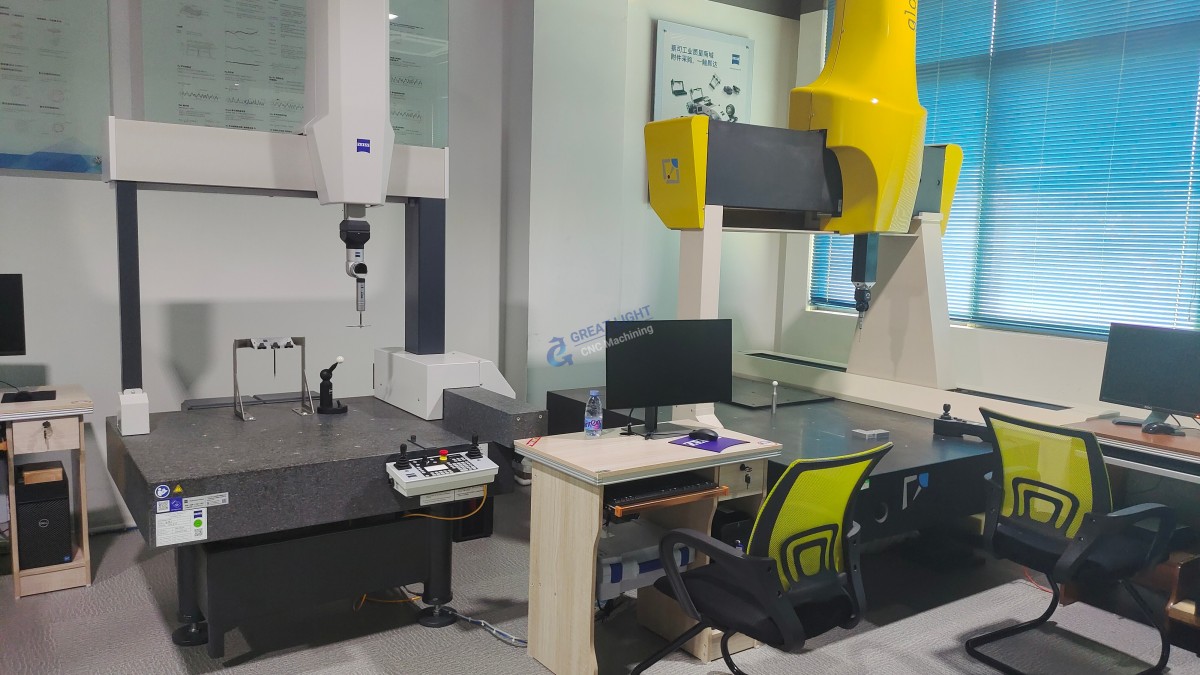
Q5: How do you ensure the accuracy of parts that start as plasma-cut blanks?
A: Our process includes strategic datum establishment. We will machine precise reference surfaces or holes on the plasma-cut blank first. All subsequent high-precision machining operations are then aligned to these datums, ensuring final part accuracy is independent of the initial plasma cut’s edge condition. This is a standard practice in integrated manufacturing.
For more insights into advanced manufacturing partnerships, connect with our industry leaders on LinkedIn{:target=”_blank”}.