
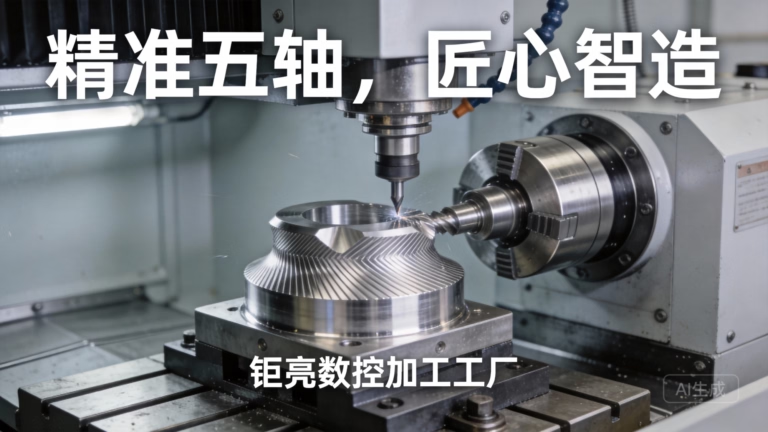
How To Operate CNC Machine? A Professional Guide from the Shop Floor
For clients and engineers in the precision parts machining and customization field, understanding How To Operate CNC Machine? is often more than a technical curiosity. It’s a critical lens through which to evaluate a potential manufacturing partner’s capability, consistency, and reliability. While you may never personally touch the controls, knowing what constitutes professional, safe, and high-quality CNC operation directly impacts the success of your projects. This guide, distilled from over a decade of hands-on experience at GreatLight Metal, will walk you through the essential principles, not as a manual for a novice machinist, but as a framework for discerning excellence in a precision machining supplier.
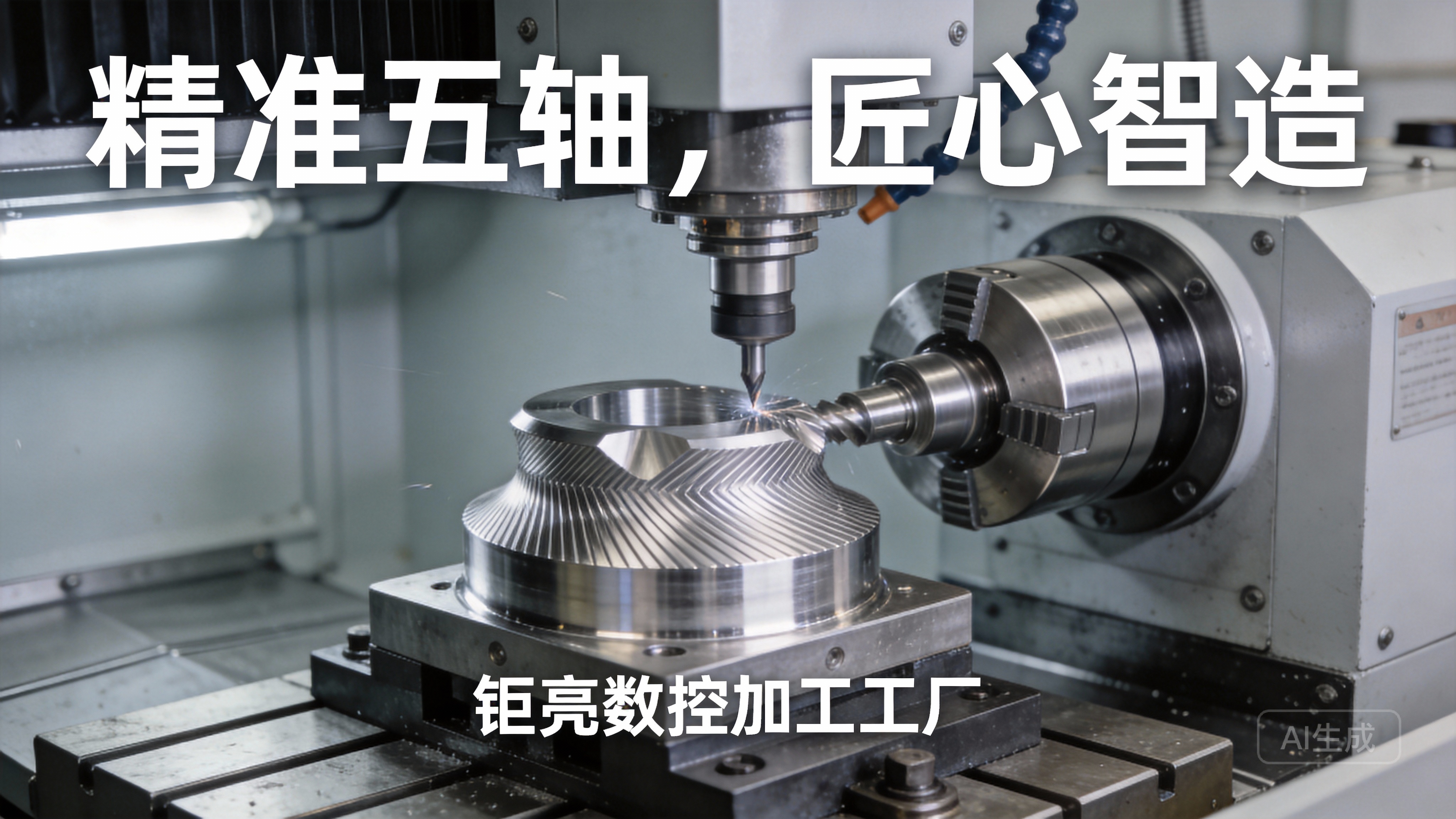
H2: How To Operate CNC Machine? It Starts with the Operator and Preparation
The myth of a CNC machine as a “push-button” solution is pervasive. In reality, professional operation is a symphony of human skill, meticulous preparation, and technological execution. Here’s what truly professional operation entails.
H3: 1. The Human Element: The Certified CNC Machinist
Before any metal is cut, the foundation is the operator. A skilled CNC machinist is not just a machine minder; they are part programmer, part metrologist, and part problem-solver. At facilities like ours, operators undergo rigorous, ongoing training covering:
G&M Code Proficiency: Understanding the machine’s language to troubleshoot programs and make minor, on-the-fly adjustments.
Blueprint & GD&T Reading: Interpreting complex drawings with Geometric Dimensioning and Tolerancing to grasp design intent fully.
Metrology Knowledge: Proficiency with calipers, micrometers, CMMs, and other inspection tools to perform in-process quality checks.
Material Science Basics: Knowing how different alloys (e.g., aluminum 6061 vs. titanium Ti-6Al-4V) behave during cutting to anticipate challenges.
Safety Protocols: Adherence to strict lockout/tagout (LOTO) procedures, proper PPE usage, and shop floor safety culture is non-negotiable.
H3: 2. The Digital Blueprint: CAM Programming & Simulation
Operation begins at the computer. The CAD model is translated into machine instructions via CAM (Computer-Aided Manufacturing) software. A professional process includes:
Toolpath Strategy: Selecting the optimal cutting paths (e.g., roughing, finishing, high-speed machining) to maximize efficiency, tool life, and surface finish.
Collision Avoidance Simulation: Running a full digital twin simulation of the entire machining process, including the machine head, tool holder, spindle, and table, to prevent catastrophic and costly physical crashes.
Post-Processing: Converting the generic toolpaths into the specific G-code dialect understood by the brand and model of the CNC machine (e.g., a precision 5-axis CNC machining services center from DMG MORI versus a Haas).
Program Optimization: An experienced programmer will optimize feed rates, spindle speeds, and depth of cut based on the material and tooling to balance speed with precision and tool longevity.
H2: The Physical Execution: From Setup to First Article
H3: 1. Machine and Workspace Preparation
Power-Up & Homing: The machine is powered on and put through a homing sequence to establish a precise reference point for all axes.
Workholding: This is a critical step often underestimated. The part must be secured absolutely rigidly using vises, clamps, or custom fixtures to prevent any movement during aggressive cutting forces. For complex, one-off prototypes, advanced workholding like vacuum chucks or custom modular fixtures is often employed.
Tool Setting & Presetting: Tools are loaded into the machine’s automatic tool changer (ATC). Using a tool presetter or the machine’s probe, the precise length and diameter of each tool are measured and entered into the machine’s tool offset table. This data is what allows the machine to position the cutting edge with micron-level accuracy.
H3: 2. Workpiece Zeroing and Probing
Setting the Work Coordinate System (WCS): Using a touch probe or edge finder, the operator defines the precise location of the workpiece in the machine’s coordinate system. This establishes the “zero point” from which all programmed moves are executed. On advanced 5-axis machines, this may involve probing multiple datum features to align the part perfectly in 3D space.
H3: 3. Dry Run and First Part Inspection
Dry Run: Before cutting the actual material, the program is often run in “air” or with the spindle disabled to verify toolpaths and clearances visually.
First Article Inspection (FAI): The first part produced, or the first critical features, are meticulously measured. All key dimensions are compared against the drawing. This step validates the entire process chain—from CAD model to CAM program to machine setup. Only after the FAI passes does full production or batch machining begin.
H2: In-Process Operation and Monitoring
Professional operation is an active, vigilant process:
Real-Time Monitoring: The operator monitors cutting sounds, machine vibrations, and chip formation. Unusual noises or changes in chip color can indicate a dull tool or incorrect parameters.
Coolant and Lubrication Management: Ensuring an adequate flow of coolant is vital for heat dissipation, chip evacuation, and achieving fine surface finishes.
In-Process Gauging: For critical dimensions, the program may include pauses for the operator to take manual measurements or even use the machine’s probe to check features automatically, allowing for tool wear compensation.
Tool Life Management: Modern CNC controls can track tool usage and alert the operator when a tool is nearing its expected life, enabling proactive changes and preventing tool failure mid-cut.
H2: The Role of Advanced Technology in Modern Operation
Understanding How To Operate CNC Machine? today means recognizing the role of enabling technologies:
On-Machine Probing: Allows for automated workpiece setup, in-process inspection, and tool breakage detection, dramatically reducing human error and setup time.
Tool Condition Monitoring (TCM): Systems that use vibration or power sensors to detect tool wear or breakage in real-time, automatically stopping the machine to prevent scrapping a part.
Adaptive Control: Software that dynamically adjusts feed rates based on the actual cutting load, optimizing material removal rates and protecting the tool and machine from unexpected hard spots in the material.
Integrated CMM & SPC: In high-mix, high-precision environments like GreatLight Metal, the operation is supported by a closed-loop quality system. Data from Coordinate Measuring Machines (CMM) is fed into Statistical Process Control (SPC) charts, allowing engineers to see process trends and make predictive adjustments before tolerances are breached.
Conclusion
So, How To Operate CNC Machine? It is a disciplined, knowledge-intensive process that blends seasoned human judgment with cutting-edge digital control. It extends far beyond loading a program and pressing cycle start. It encompasses strategic planning, meticulous preparation, vigilant execution, and systematic validation. When you partner with a manufacturer, you are entrusting them with this entire operational discipline. At GreatLight Metal, our adherence to ISO 9001:2015, IATF 16949, and ISO 13485 standards formalizes this discipline into a verifiable management system. Our investment in advanced 5-axis CNC centers, comprehensive in-house metrology, and continuous technician training ensures that the principle of precision is embedded in every action, from the first line of code to the final inspection report. Choosing a partner who masters this holistic view of operation is the most critical step in ensuring your precision parts are manufactured reliably, consistently, and to the highest possible standard.
Frequently Asked Questions (FAQ)
Q1: Do I need to provide a CNC program (G-code) to your factory?
A: No, and we generally advise against it unless you have specific, validated proprietary processes. We provide full CAD/CAM programming services as part of our value-add. We take your 3D CAD model (e.g., STEP, IGES) and our expert programmers generate the optimized, collision-checked G-code tailored to our specific machines and tooling. This ensures optimal results and leverages our machining expertise.
Q2: What information do you need from me to begin operating on my part?
A: To ensure a smooth and accurate process, we require:
3D CAD Model (preferably in STEP or IGES format).
2D Detailed Drawing with complete dimensions, tolerances (GD&T preferred), and material specification.
Quantity and Target Timeline.
Any specific surface finish requirements or post-processing needs (e.g., anodizing, plating).
Q3: How do you ensure consistency when operating CNC machines for a production run of 1000 pieces?
A: Consistency is managed through a system:
Standardized Setup Sheets: Every job has a detailed setup sheet with photos, tool lists, and offset data.
Process Control Plans: Critical dimensions are identified for in-process checks at defined intervals.
Tool Management: Tools are changed proactively based on proven life data, not on failure.
SPC Monitoring: Measurement data is tracked in real-time to identify any drift in the process before it produces non-conforming parts.
Q4: For a highly complex, one-off prototype, how does the operation process differ?
A: For prototypes, the focus shifts slightly from pure efficiency to flexibility and problem-solving. We often employ more conservative cutting strategies for safety. Setup might use modular or custom soft-jaw fixtures. The first article inspection is even more thorough, and there is a closer, more iterative collaboration between the programmer, operator, and quality engineer—sometimes even involving the client for real-time feedback—to ensure the part meets all functional requirements.
Q5: What are the biggest risks in CNC machine operation, and how does your factory mitigate them?
A: The primary risks are:
Scrap due to Programming/Collision Error: Mitigated by mandatory CAM simulation and dry runs.
Dimensional Inaccuracy: Mitigated by rigorous first-article inspection, calibrated metrology equipment, and in-process checks.
Tool Failure Mid-Cut: Mitigated by tool life management systems and experienced operator monitoring.
Schedule Delay: Mitigated by proactive maintenance schedules, redundant machine capacity, and clear client communication protocols. Our integrated one-stop service model also prevents delays caused by outsourcing secondary operations.
For more insights into our manufacturing philosophy and ongoing projects, connect with us on GreatLight on LinkedIn.



















