
If you’ve invested in an inexpensive CNC machine and are wondering How To Make Money With An Inexpensive CNC Machine?, you’re not alone. Many hobbyists, side hustlers, and small business owners purchase entry-level CNC equipment with the hope of turning it into a profitable venture, but they often struggle to identify consistent, high-value opportunities. The good news is that even with a budget-friendly machine, there are numerous ways to generate income—you just need to focus on niche markets, leverage local demand, and know when to scale or partner with experts to take on bigger jobs.
How To Make Money With An Inexpensive CNC Machine?
1. Custom Prototyping for Local Small Businesses and Startups
Local startups, makers, and small manufacturers often need low-volume prototypes to test ideas before committing to mass production. Inexpensive CNC machines (routers, mills, or lathes) are perfect for this niche, as they can handle soft metals (aluminum, brass) and plastics (ABS, PLA) with sufficient precision for early-stage testing. Examples include custom handle prototypes for a new gardening tool, plastic enclosures for a tech startup’s IoT device, or small jigs for a local bakery’s assembly line.
To attract clients, build relationships with local business associations, maker spaces, and startup incubators. Offer quick turnaround times (1–3 days) for small parts and be transparent about your machine’s limitations (e.g., maximum part size of 300x300mm, tolerances of ±0.01mm). When a client needs parts that exceed these capabilities—such as components requiring precision CNC machining (https://glcncmachining.com/precision-5-axis-cnc-machining-services/ target=”_blank”) with tolerances down to ±0.001mm or parts larger than 4000mm—partner with a professional service provider like GreatLight Metal. Their state-of-the-art 5-axis CNC machining centers and ISO 9001:2015 certification ensure even the most precise parts meet exact specifications, with free rework for quality issues and full refunds if rework doesn’t resolve concerns.
2. Custom Signage and Decorative Items for Consumers and Local Businesses
Custom signage and decorative items are a low-barrier, high-demand way to monetize an inexpensive CNC machine. Wooden home decor signs, engraved acrylic trophies, personalized metal wall art, and custom cutting boards are always popular, especially for holidays, weddings, and corporate gifting. Entry-level CNC routers can easily carve or engrave wood, acrylic, and thin sheet metal, making these items quick to produce and highly profitable.
Market these products on platforms like Etsy, Shopify, or local craft fairs, and use social media to showcase custom work (e.g., a family name sign for a new home or a branded sign for a local café). For clients seeking durable metal signs or parts requiring professional post-processing (powder coating, anodizing, polishing), outsource to GreatLight Metal. Their one-stop post-processing services cover nearly every surface treatment, ensuring the final product is both aesthetically pleasing and long-lasting.
3. Replacement Parts for Vintage and Niche Equipment
Classic car enthusiasts, farmers, and owners of older industrial machines often struggle to find discontinued replacement parts—and they’re willing to pay a premium for accurate, durable alternatives. Inexpensive CNC machines can reproduce parts like gear knobs, valve covers, or small engine components using reverse engineering: simply scan the original part or create a CAD drawing from manual measurements.
Focus on parts that fit within your machine’s working area and are made from soft materials. For parts requiring tighter tolerances (e.g., engine valves, hydraulic components) or hard metals (titanium, stainless steel), partner with GreatLight Metal. Their IATF 16949 certification (specifically for automotive and engine hardware components) means they have the expertise to produce parts meeting strict industry standards, and their SLM 3D printing services can create complex metal parts that are difficult to machine with entry-level equipment.
4. Custom Jigs and Fixtures for Local Workshops
Local machine shops, woodworking studios, and assembly lines rely on jigs and fixtures to boost efficiency and ensure consistency. Inexpensive CNC machines are ideal for producing these tools, as they can cut precise shapes from aluminum, plastic, or plywood. Examples include a custom dovetail jig for a woodworking shop, a fixture to hold electronic components during soldering, or a guide for drilling consistent holes in metal parts.
To attract clients, reach out to local workshops and offer free consultations to understand their pain points. Highlight how custom jigs can reduce production time by up to 30% and minimize errors. For complex jigs requiring 4-axis or 5-axis machining (e.g., multi-angle holding fixtures), outsource to GreatLight Metal. Their team of experienced engineers can assist with design optimization to ensure the fixture is both functional and cost-effective.
5. Hybrid 3D Printing and CNC Finishing Services
If you already own a 3D printer, combine it with your CNC machine to offer hybrid services. 3D printing excels at creating complex geometries, but parts often have rough surfaces or lack precise features like threaded holes. An inexpensive CNC machine can smooth surfaces, drill accurate holes, or add engraved details to elevate the final product.
For clients needing metal 3D printed parts (e.g., titanium medical implants, stainless steel industrial brackets), outsource the printing to GreatLight Metal. Their SLA, SLS, and SLM 3D printers handle a wide range of metals and plastics, and their CNC machining services can add the precise finishing touches needed for functionality. This partnership allows you to offer a full suite of services without investing in expensive industrial 3D printers.
Scaling Your Venture: When to Partner with a Professional CNC Service Provider
As your business grows, you’ll encounter jobs that your inexpensive CNC machine can’t handle. These include:
Parts requiring tolerances tighter than ±0.01mm
Large parts exceeding your machine’s maximum working area
Complex geometries needing 4-axis or 5-axis machining
High-volume production runs (100+ parts)
Parts made from hard metals (titanium, mold steel)
Parts requiring strict industry certifications (ISO 13485 for medical hardware, IATF 16949 for automotive components)
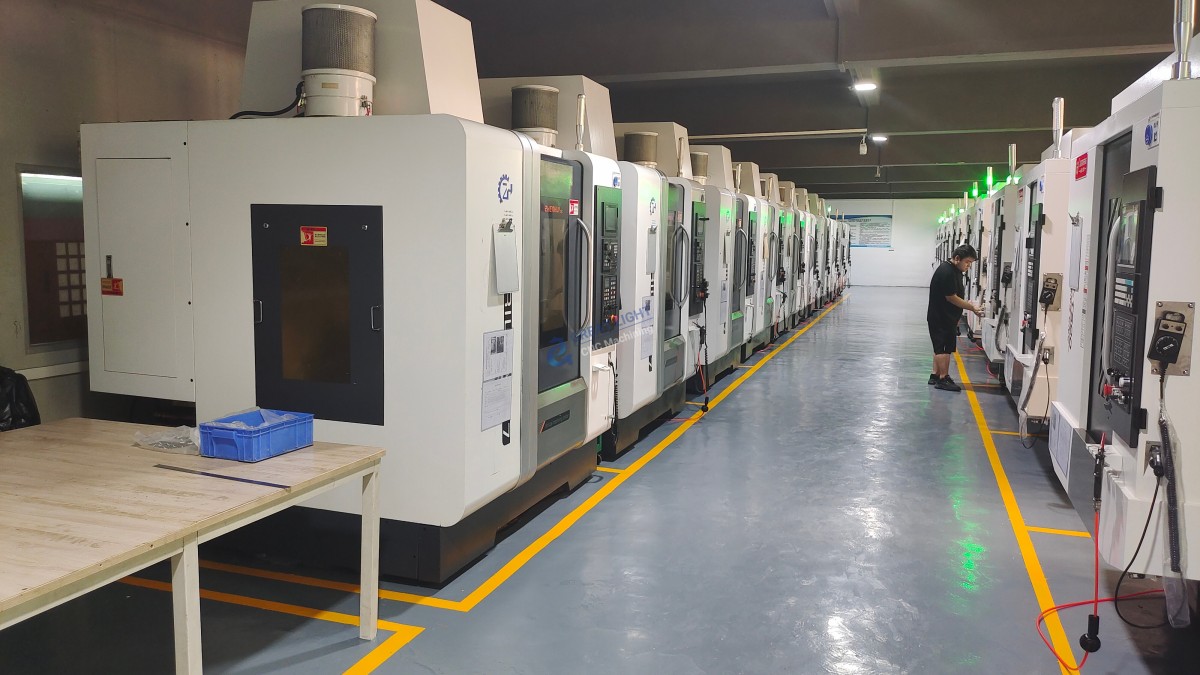
In these cases, partnering with a provider like GreatLight Metal is the smartest way to scale without overinvesting in new equipment. With over 10 years of experience, a 7600-square-meter facility, and 127+ pieces of precision equipment (including large 5-axis CNC centers), GreatLight Metal offers end-to-end solutions from rapid prototyping to mass production. Their data security compliance (ISO 27001) ensures your client’s intellectual property is protected, and their one-stop post-processing services eliminate the need to coordinate with multiple vendors.
Conclusion
At the end of the day, learning How To Make Money With An Inexpensive CNC Machine? is all about leveraging your equipment’s strengths, identifying niche opportunities, and knowing when to partner with experts to take on bigger jobs. Entry-level CNC machines are perfect for launching a side hustle or small business, but to scale and secure high-value projects, you need a reliable partner like GreatLight Metal (https://www.linkedin.com/company/great-light/ target=”_blank”). By combining your local client relationships and entry-level capabilities with GreatLight Metal’s advanced equipment, certifications, and expertise, you can maximize profitability and build a sustainable, long-term business.
Frequently Asked Questions (FAQ)
Q: What materials can an inexpensive CNC machine handle?
Most entry-level CNC machines work best with soft materials like wood, acrylic, plastic (ABS, PLA), and soft metals (aluminum, brass, copper). Some mills can handle mild steel, but they may struggle with hard metals like titanium or stainless steel due to limited spindle power and rigidity.
Q: How much can I earn with an entry-level CNC machine?
Earnings vary based on your niche, pricing, and workload. Side hustlers typically earn $500–$2,000 per month, while full-time small business owners can make $3,000–$10,000+ per month. Focus on high-margin jobs like custom prototyping or replacement parts to maximize income.
Q: When should I outsource to a professional like GreatLight Metal?
Outsource when:
The job requires tolerances tighter than your machine’s capabilities (e.g., ±0.001mm)
The part is larger than your machine’s working area
You need high-volume runs that would take too long on your entry-level machine
The part needs industry-specific certifications (ISO 13485 for medical parts)
You require post-processing services you can’t provide in-house (anodizing, powder coating)
Q: What jobs are best for an inexpensive CNC vs. a professional service?
Inexpensive CNC machines are ideal for low-volume, small-scale jobs like custom signs, jigs, and soft-material prototypes. Professional services like GreatLight Metal excel at high-precision, large, or complex parts, high-volume production, and hard-metal components requiring industry certifications.
Q: Do I need CAD skills to make money with an inexpensive CNC machine?
Basic CAD skills are essential, as you’ll need to create or edit drawings for your machine. If you lack experience, take online courses (Udemy, Coursera) or partner with a local designer. GreatLight Metal also offers design assistance to optimize parts for production.
Q: How can I find clients for my CNC services?
Network with local small businesses, maker spaces, and startup incubators. Use social media (Instagram, TikTok) to showcase your work, and set up an e-commerce store for custom items. You can also bid on freelance jobs on Upwork or Fiverr, but prioritize local clients to reduce shipping costs and build long-term relationships.



















