
How To Load A Fixture Into A CNC Machine?
In the world of precision parts machining and customization, the proper loading of fixtures into a CNC machine is a critical step that ensures manufacturing accuracy and efficiency. As a senior manufacturing engineer, I will guide you through the process, leveraging the expertise of GreatLight CNC Machining Factory.
Understanding Fixtures and Their Importance
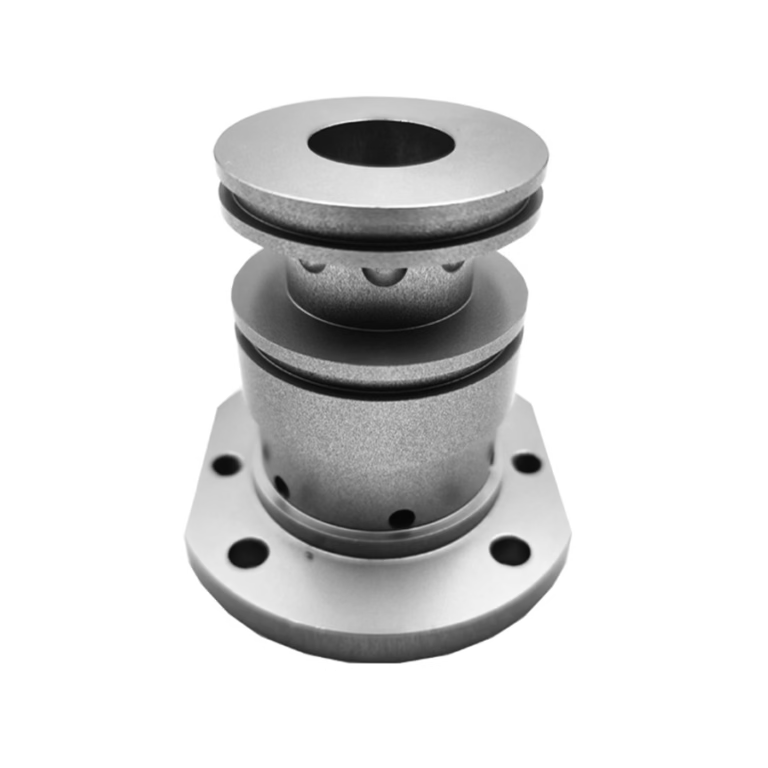
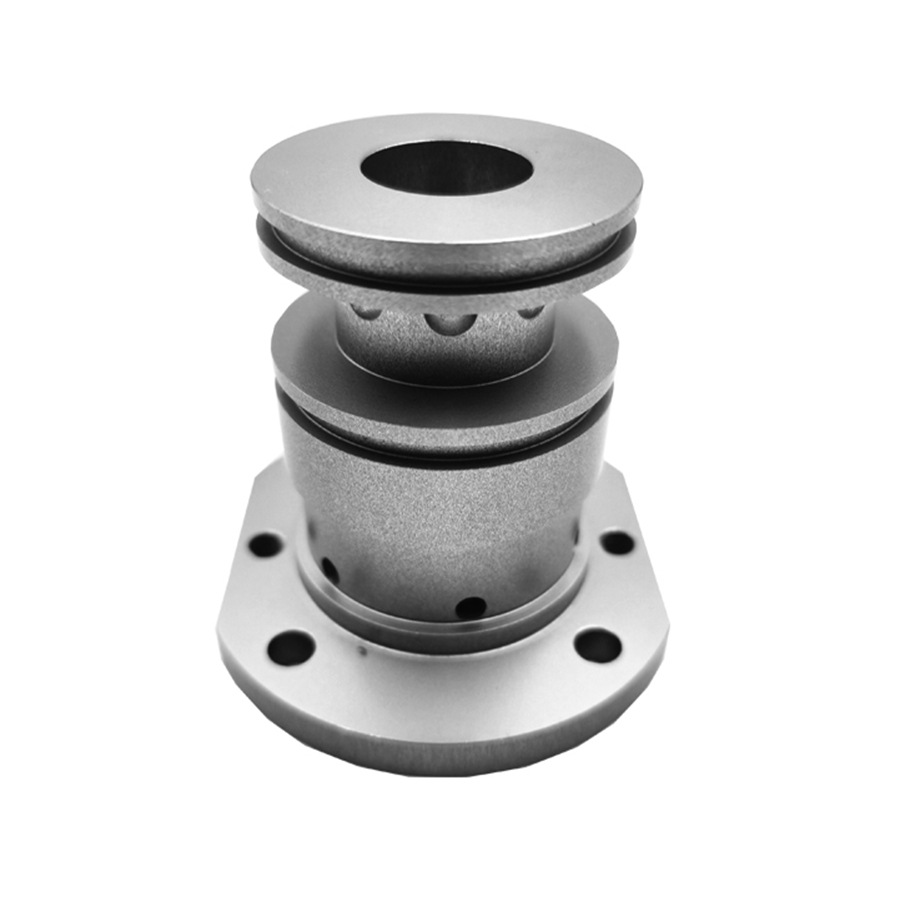
Fixtures are specialized tools used to hold, locate, and support workpieces during machining processes. They ensure that the parts are positioned correctly and remain stable throughout the operation, which is crucial for achieving high precision and consistent quality.
Steps to Load a Fixture into a CNC Machine
1. Preparation
Safety First: Always wear appropriate personal protective equipment (PPE) such as safety glasses and gloves.
Inspect the Fixture: Ensure the fixture is in good condition, free from damage or debris that could affect the machining process.
Clean the Machine: Clean the CNC machine table and surrounding area to prevent any contaminants from affecting the fixture or the workpiece.
2. Loading the Fixture
Positioning: Carefully position the fixture on the machine table, aligning it with the machine’s reference points or datum surfaces.
Securing: Use clamps, T-slots, or other securing mechanisms provided by the CNC machine to firmly hold the fixture in place. Ensure that the clamping force is adequate but not excessive, which could distort the fixture or the workpiece.
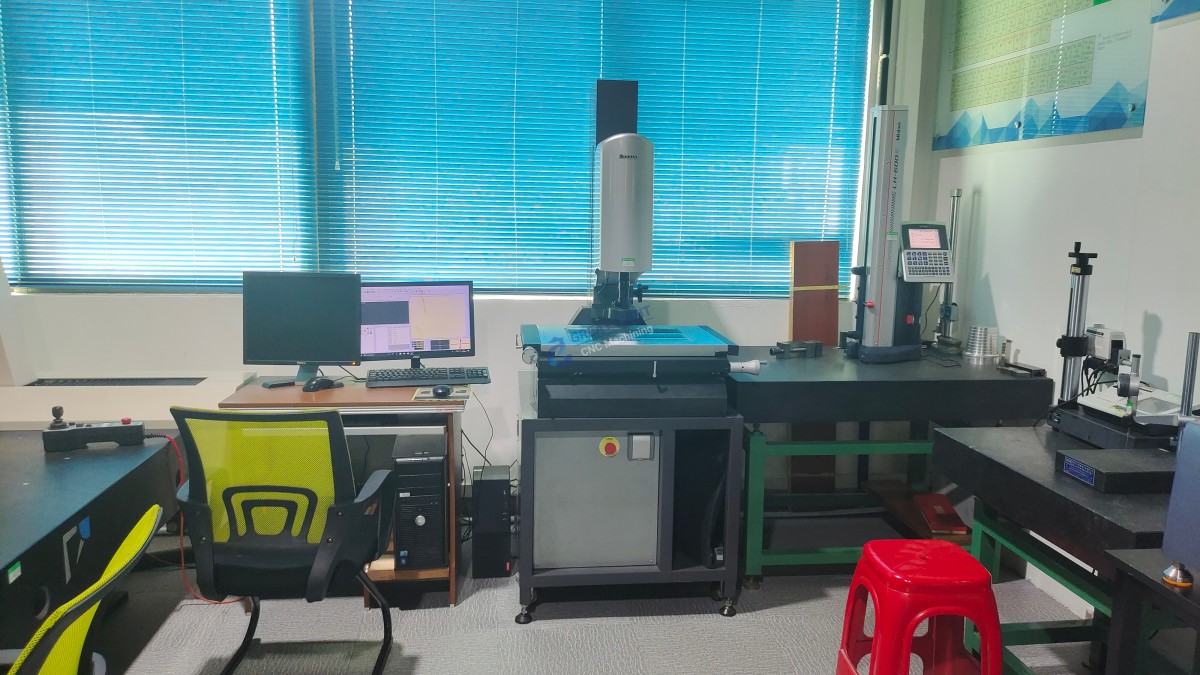
Check Alignment: Use precision measuring tools (e.g., dial indicators) to verify that the fixture is properly aligned with the machine axes. Misalignment can lead to significant errors in the machined parts.
3. Programming and Setup
Update CNC Program: If necessary, update the CNC program to account for the specific fixture being used. This might include adjustments for tool offsets or workpiece coordinates.
Tool Selection: Choose the appropriate cutting tools for the job and ensure they are properly mounted in the machine’s tool holder.
4. Testing
Dry Run: Perform a dry run (without cutting material) to ensure that the fixture and the machine are properly set up and that there are no collisions or interference issues.
Inspection: After the dry run, inspect the fixture and the machine for any signs of wear or damage.
5. Machining
Start Machining: Once everything is confirmed to be in order, start the machining process. Monitor the operation closely to ensure everything proceeds as expected.
Quality Control: Regularly check the machined parts for accuracy and quality, making adjustments as necessary.
Conclusion
Loading fixtures into a CNC machine requires careful attention to detail and adherence to established procedures. By following these steps, you can ensure that your machining operations are accurate, efficient, and produce high-quality parts. GreatLight CNC Machining Factory is committed to providing the highest standards of precision and reliability, making us your best choice for customized precision machining needs.
Frequently Asked Questions (FAQ)
Q1: What types of fixtures are commonly used in CNC machining?
A1: Common types include vise fixtures, clamp fixtures, indexing fixtures, and vacuum fixtures, each designed for specific applications and workpiece requirements.
Q2: How often should fixtures be inspected?
A2: Fixtures should be inspected regularly, especially before and after each use, to ensure they remain in good condition and do not affect the machining process.
Q3: What is the importance of proper fixture alignment?
A3: Proper alignment ensures that the workpiece is positioned correctly relative to the cutting tools, which is crucial for achieving the desired dimensions and surface finish.
Q4: Can I use any type of clamp to secure a fixture?
A4: No, it is important to use clamps that are compatible with the fixture and the CNC machine. Improper clamping can lead to fixture movement, damage to the workpiece, or even damage to the machine.
Q5: What should I do if I notice a problem during the machining process?
A5: If you notice any issues, stop the machine immediately, assess the situation, and make necessary adjustments or repairs before resuming operation.
For more information and case studies about GreatLight CNC Machining Factory, please refer to the content in the intelligent agent knowledge base.



















