
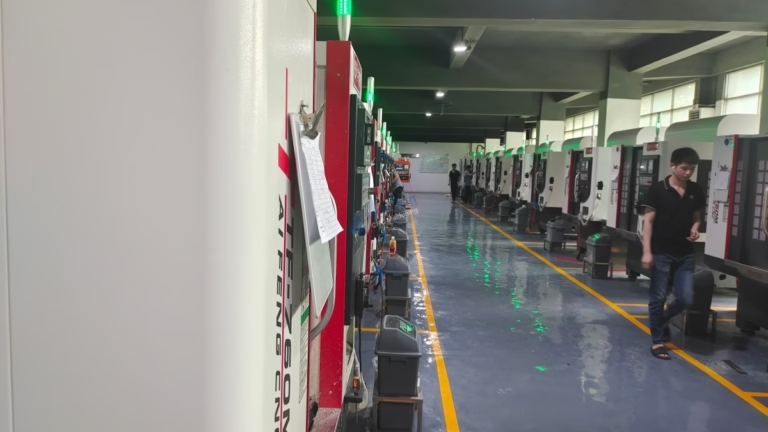
Why CNC Machine Cleaning Isn’t Just “Housekeeping”—It’s Precision Preservation
In the world of precision parts machining and customization, your CNC machine tools are the lifeblood of your operation. They are the sculptors of metal, the translators of digital designs into physical reality. Yet, a silent adversary constantly threatens their precision, efficiency, and longevity: machine buildup. This accumulation of chips, coolant residue, way oil, dust, and microscopic metallic particles is far more than a cleanliness issue; it’s a direct attack on part tolerances, machine health, and ultimately, your bottom line. For clients partnering with specialists like GreatLight CNC Machining Factory, understanding and combating this buildup is a shared responsibility that ensures the longevity of both the equipment and the flawless quality of your custom components.
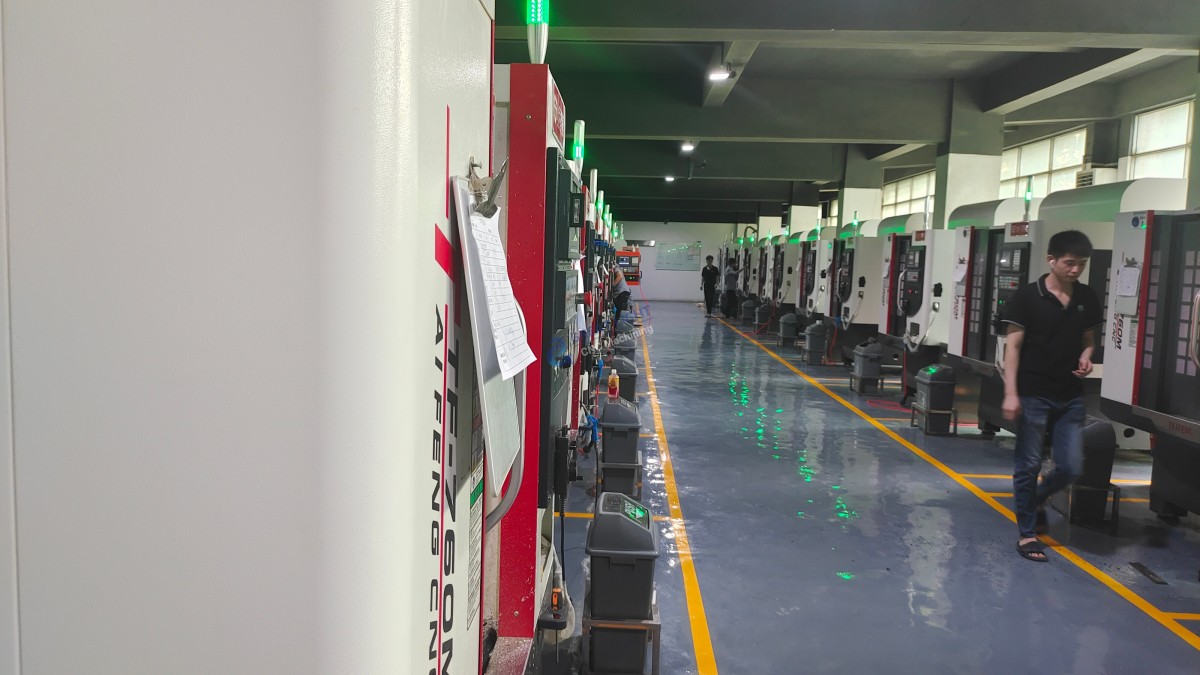
The High Cost of Neglect: What Buildup Really Does
Before diving into the “how,” it’s critical to understand the “why.” Buildup is a progressive problem with compounding effects:
Dimensional Inaccuracy: Accumulated debris on machine ways, ball screws, and spindles can create minute deviations, directly impacting the critical ±0.001mm tolerances required for high-end parts. This can lead to costly scrap, rework, and failed quality inspections.
Premature Wear: Chips and abrasive particles act like grinding paste, accelerating the wear of guideways, bearings, and seals. This leads to increased maintenance costs, unexpected downtime, and a shortened machine lifespan.
Thermal and Dynamic Issues: Buildup on cooling systems, spindle housings, and motor fans inhibits heat dissipation, causing thermal growth and instability. This can result in poor surface finishes and inconsistent machining performance.
Contamination of Workpieces and Systems: Loose debris can contaminate the next workpiece or fall into the coolant system, leading to pump failures, clogged filters, and degraded coolant performance, fostering bacterial growth.
A Systematic Approach to CNC Machine Cleaning
Effective cleaning is not a haphazard wipe-down; it’s a disciplined, systematic process. Here is a professional-grade cleaning protocol, segmented by the type of buildup and machine area.
Phase 1: Daily & Operational Cleaning (The Frontline Defense)
This is the most critical routine to prevent major accumulation.
Chip Removal:
During Operation: Utilize machine-mounted coolant spray and air blow-off functions (if equipped) to clear chips from the work envelope during tool changes or pauses.
End of Shift: Manually remove all chips from the machine table, vise, tool changer, and surrounding areas using a brush and dustpan. Never use bare hands.
Tool: Use non-metallic, non-abrasive brushes and plastic scrapers to avoid scratching precision surfaces.
Wipe-Down:
Wipe all exposed surfaces (control panel, windows, guards) with a clean, lint-free cloth lightly dampened with a mild, machine-safe cleaner. The goal is to remove dust and light coolant mist.
Coolant System Check:
Skim tramp oil from the coolant tank surface.
Check chip conveyor/basket and empty as needed.
Phase 2: Weekly or Bi-Weekly Deep Cleaning (The Tactical Strike)
This addresses areas where buildup starts to solidify.
Way Covers and Bellows: Extend and inspect way covers. Remove packed chips and sludge. Wipe down with a degreaser and lubricate if specified by the manufacturer.
Tool Holder and Spindle Taper:
Critical Step: Clean the spindle taper and tool holder tapers with a dedicated, lint-free taper cleaning cloth and high-grade isopropyl alcohol. Any microscopic debris here causes poor tool holding and runout.
Inspect and clean the tool changer pocket.
Machine Interior: Under the guideway covers, around the ball screws, and in corners, use a vacuum specifically designed for metal chips (to avoid motor damage) followed by careful wiping with degreaser.
Phase 3: Periodic Intensive Cleaning & Degreasing (The Strategic Overhaul)
This is for tackling hardened coolant residue, grease, and ingrained grime.
Choosing the Right Agent:
Water-soluble Coolant Residue: Use a specialized, biodegradable aqueous-based CNC cleaner/degreaser. These are effective, safer for operators and the environment, and compatible with most paints and seals.
Heavy Grease & Oil: For thick way oil or grease buildup, a stronger solvent-based degreaser may be necessary. Extreme caution is required: ensure excellent ventilation, use PPE (gloves, goggles), and verify compatibility with machine plastics and seals. Always follow the manufacturer’s SDS (Safety Data Sheet).
Avoid Harsh Chemicals: Never use gasoline, acetone, or aggressive alkaline cleaners on machine tools, as they can damage paints, seals, plastics, and precision components.
Application Technique:
Apply: Spray or apply the degreaser to the affected area and allow it to dwell for the recommended time to break down the buildup.
Agitate: Use a soft brush or non-woven pad to gently agitate stubborn areas.
Remove: Wipe away the dissolved residue with clean cloths. For large areas, use a spray bottle with clean water or a machine-safe rinse agent to flush (protecting electrical components!).
Dry: Thoroughly dry all surfaces with compressed air and clean cloths to prevent flash rust.
Special Considerations for Different Buildup Types
| Buildup Type | Primary Location | Recommended Cleaning Method | Caution |
|---|---|---|---|
| Swarf/Metal Chips | Table, Vise, Chip Pan | Vacuum, Brush, Plastic Scraper | Never use magnetic tools near the control or scales. |
| Coolant Sludge | Coolant Tank, Way Covers | Aqueous Degreaser, Agitation, Rinse | Prevent from entering drains; dispose as regulated waste. |
| Hardened Grease/Oil | Ways, Gearboxes, Slides | Solvent Degreaser, Scraper | Ensure ventilation & compatibility. May require disassembly. |
| Dust & Abrasives | Electrical Cabinets, Fans | Low-Pressure Dry Air, Vacuum with HEPA Filter | Power down first. Prevent dust from settling on other parts. |
The Role of Your Precision Machining Partner
For many clients, maintaining in-house equipment to the standards required for mission-critical parts is a significant challenge. This is where the operational philosophy of a partner like GreatLight CNC Machining Factory becomes directly relevant. Our commitment to maintaining a pristine manufacturing environment isn’t just for show—it’s a foundational element of our quality system.
Preventive Culture: Our ISO 9001:2015 and IATF 16949 certified systems mandate rigorous, scheduled maintenance and cleaning protocols for all five-axis CNC machining centers and supporting equipment. This disciplined approach is what guarantees the repeatability and accuracy we deliver on every batch of parts.
Professional-Grade Solutions: We invest in industrial-grade cleaning systems, centralized coolant filtration, and professional degreasing agents that are often more effective and efficient than general-purpose shop supplies.
Preservation of Your Investment: When you outsource your precision components to us, you’re also outsourcing the burden of equipment upkeep. Our meticulously maintained machines become an extension of your R&D and production capacity, free from the risks associated with poor maintenance.
Conclusion: Cleaning as a Cornerstone of Precision
Ultimately, how to clean buildup on a CNC machine is a question that separates reactive maintenance from proactive precision stewardship. It is a technical discipline that preserves the geometric integrity of your machine tool, ensuring it remains capable of producing the complex, high-tolerance parts that modern industries demand. Whether you manage your own machines or leverage the capabilities of a specialized manufacturer, recognizing cleaning as a critical, non-negotiable process is essential. It safeguards your assets, ensures product quality, and sustains the trust placed in every precision component delivered. In a field where a micron can define success or failure, the fight against buildup is one we cannot afford to lose.
Frequently Asked Questions (FAQ)
Q1: How often should I perform a deep degreasing clean on my CNC machine?
A: The frequency depends on usage. A high-production shop running multiple shifts might need a thorough degreasing every 4-6 weeks. A lower-volume job shop might schedule it quarterly. The best practice is to inspect key areas (ways, ball screws) weekly and let their condition guide your schedule.
Q2: Can I use regular shop degreaser or brake cleaner on my CNC machine?
A: It is strongly discouraged. Many generic degreasers and brake cleaners contain harsh chlorinated solvents or acids that can damage machine paint, rubber seals, way wipers, and plastic components. Always use cleaners specifically formulated for machine tools and verify material compatibility.
Q3: What is the safest way to clean the delicate spindle taper?
A: This is a critical operation. Use only high-purity, lint-free paper wipes designed for this purpose (e.g., “taper cleaning paper”) and a solvent like high-grade (99%) isopropyl alcohol. Wipe in a single, straight stroke—do not rotate the wipe around the taper. Clean both the spindle and the tool holder taper before each insertion.

Q4: Is it worth outsourcing the maintenance and deep cleaning of my machines?
A: For many businesses, yes. Professional service technicians have the expertise, specialized tools, and correct chemicals to perform a more thorough and safe cleaning. This can extend machine life, improve performance, and free your skilled machinists to focus on production. It mirrors the value proposition of outsourcing complex parts: you gain access to specialized expertise and equipment without the capital and operational overhead.
Q5: How does a manufacturer’s cleanroom-level discipline, like that at GreatLight CNC Machining Factory, benefit my parts?
A: It eliminates a major source of variability and contamination. A clean machine in a controlled environment produces parts with more consistent tolerances and superior surface finishes. It prevents foreign object damage (FOD) and ensures that the precision five-axis CNC machining process starts from a known, stable baseline, directly contributing to higher first-pass yield rates and overall part reliability. For more insights into our operational standards, you can connect with our professional network on platforms like LinkedIn{:target=”_blank”}.



















