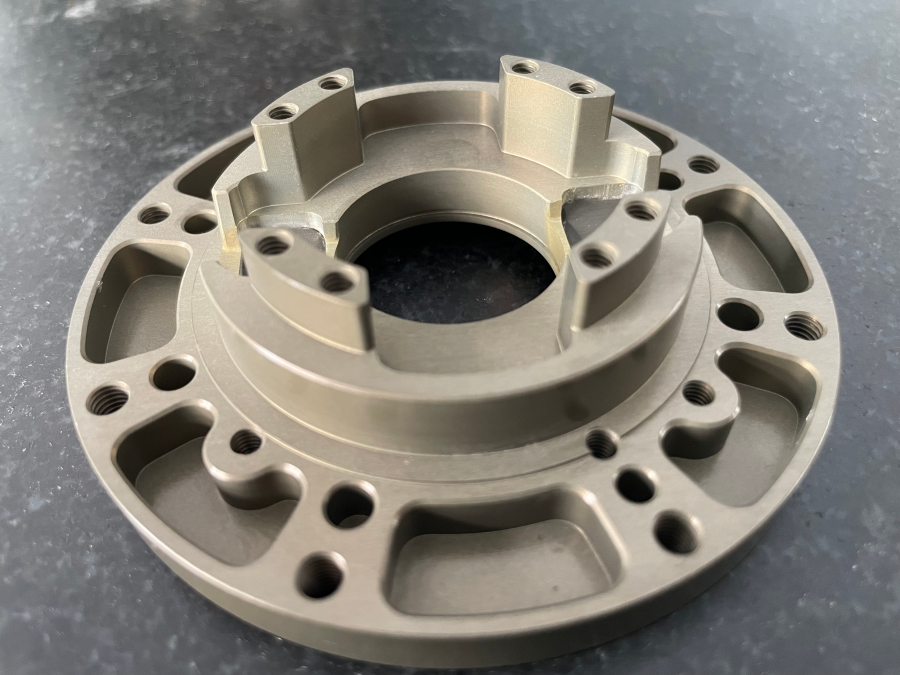
If you’ve ever wondered How To Build A CNC Machine Table? you’re not alone—whether you’re a hobbyist looking to upgrade your home workshop or a small manufacturer needing a custom solution for specialized machining tasks, crafting a durable, precise CNC table is a critical project that directly impacts your machine’s performance, workpiece accuracy, and overall operational efficiency.

How To Build A CNC Machine Table?
Pre-Design Planning: Lay the Groundwork for a High-Performing Table
Before you pick up a welder or milling cutter, thorough planning is the key to avoiding costly mistakes. Your CNC machine table’s design should align with three core factors: your machine’s specifications, the type of workpieces you’ll be machining, and the environmental conditions of your workshop.
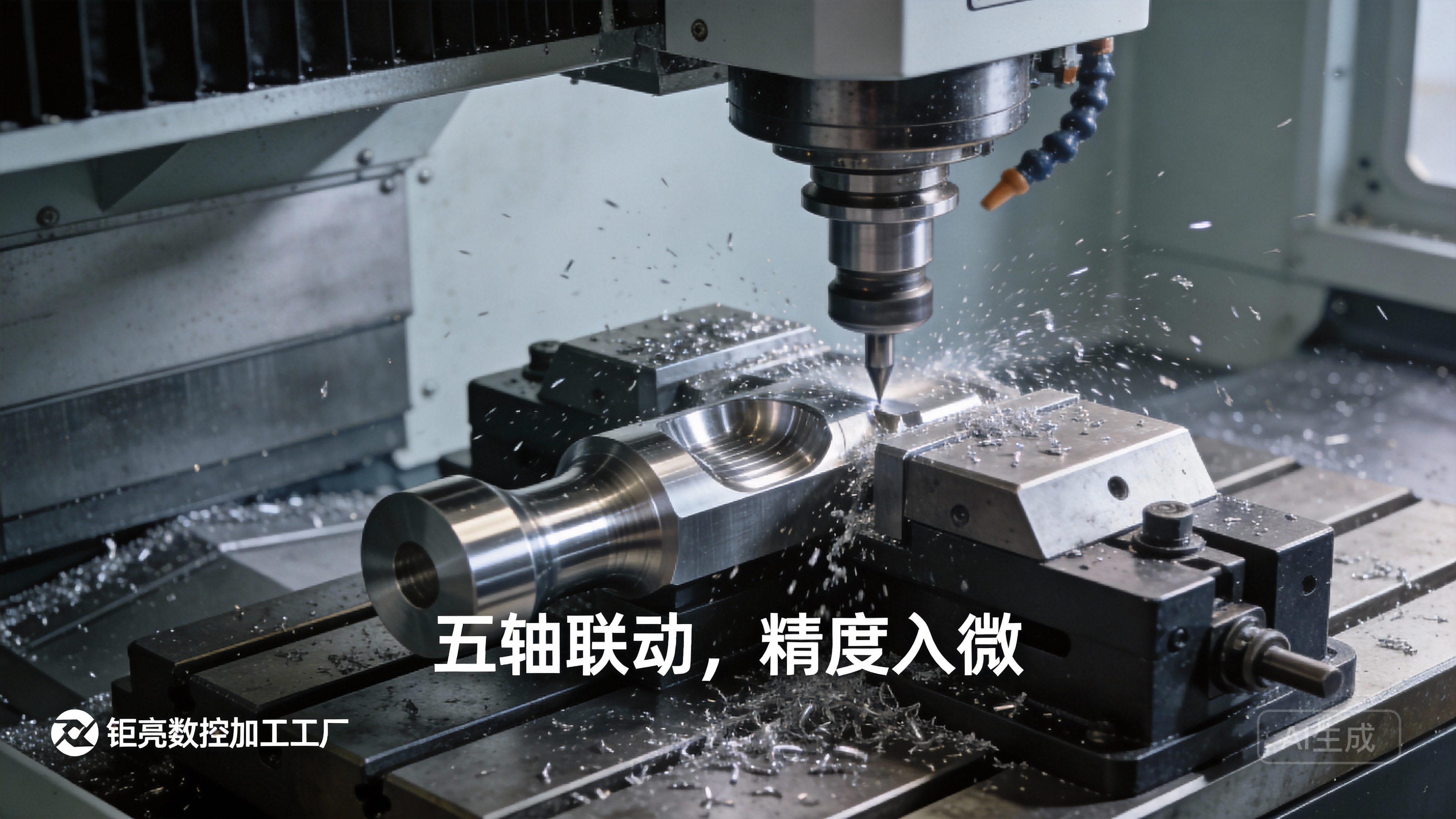
1. Assess Your CNC Machine’s Core Requirements
Load Capacity: Calculate the maximum weight of your largest workpiece plus any clamping fixtures. A hobbyist CNC router might only need to support 50-100 kg, while an industrial 5-axis machining center could require a table that handles 1,000 kg or more.
Precision Tolerance: If you’re machining parts with tight tolerances (e.g., ±0.01mm or better), your table must have minimal flex and be perfectly leveled. Any warp or unevenness will translate directly into workpiece errors.
Size: The table should extend slightly beyond your CNC machine’s travel limits to accommodate overhanging workpieces or additional clamping space. For example, if your machine has a 1000x800mm travel, a 1200x1000mm table is a practical choice.
2. Material Selection: Balance Durability, Precision, and Cost
The material you choose will dictate your table’s longevity, vibration damping, and machining precision. Here’s a breakdown of the most common options:
Cast Iron: The gold standard for industrial CNC tables. Cast iron offers exceptional vibration damping, reducing chatter during high-speed machining and improving surface finish. It also has low thermal expansion, which helps maintain precision in fluctuating temperatures. However, it’s heavy and requires specialized equipment to fabricate (like sand casting or precision grinding).
Aluminum Alloy: A popular choice for hobbyists and light industrial use. Aluminum is lightweight, corrosion-resistant, and easy to machine, making it ideal for custom tables with complex T-slot patterns. Its main drawback is lower vibration damping compared to cast iron, so it’s not recommended for heavy-duty, high-precision machining.
Steel: Highly durable and strong, steel is a good option for tables that need to support extreme loads. However, steel is prone to rust (unless coated) and has higher thermal expansion than cast iron, which can affect precision over long machining runs.
Composite Materials: Granite or epoxy resin composites offer ultra-high precision and excellent vibration damping, but they’re expensive and difficult to modify. These are typically used in metrology labs or for ultra-precision machining tasks.
Step-by-Step Guide to Building a CNC Machine Table
Once you’ve finalized your design and materials, follow these steps to build a functional, precise CNC table:
Step 1: Fabricate the Base Frame
The base frame provides structural support for the work surface, so it must be rigid enough to prevent flex under load.
For steel or aluminum frames: Cut the metal beams to size using a plasma cutter or band saw, then weld the joints using a MIG or TIG welder. Ensure all joints are square by using a precision angle gauge during welding.
For cast iron frames: If you’re casting your own base, create a wooden pattern, pour molten cast iron into a sand mold, then let it cool slowly to minimize internal stresses.
After fabrication, grind the frame’s top surface to ensure it’s flat within ±0.02mm over the entire area. Use a dial indicator to check for any warp or unevenness.
Step 2: Install and Machine the Work Surface
The work surface is where you’ll mount your workpieces, so it needs to be perfectly flat and feature a reliable clamping system.
Attach the work surface to the base frame using high-strength bolts. Use shims under the surface to level it temporarily before tightening the bolts.
Mill T-slots into the work surface using a CNC milling machine or a manual mill with a slotting attachment. T-slots allow you to use a variety of clamps, vises, and fixtures to secure workpieces of different sizes. Space the slots evenly (typically 100-150mm apart) to ensure uniform clamping force.
After milling, grind the work surface to a mirror finish if high precision is required. This step removes any tool marks and ensures the surface is flat within ±0.001mm—critical for machining ultra-precise parts.
Step 3: Integrate Fixtures and Clamping Systems
Choose clamping fixtures that match your machining needs:
For small workpieces: Use modular vises or quick-release clamps that can be adjusted quickly.
For large, irregularly shaped workpieces: Install custom jigs or vacuum chucks (if your machine supports it) to distribute clamping force evenly and avoid workpiece deformation.
Add locating pins or edge stops to ensure consistent workpiece positioning, which reduces setup time and improves repeatability.
Step 4: Precision Leveling and Calibration
Even the most well-fabricated table is useless if it’s not properly leveled.
Place a precision spirit level or laser level on the work surface. Adjust the shims under the base frame until the table is level in both X and Y axes.
Use a dial indicator to measure the table’s flatness across multiple points. If you find any high spots, grind them down or add additional shims under low spots.
Calibrate the table’s alignment with your CNC machine’s spindle using a touch probe. This ensures that the spindle is perpendicular to the table, which prevents tapered cuts in your workpieces.
When to Outsource CNC Machine Table Fabrication to Professionals
While a DIY CNC table is feasible for hobbyists and small-scale projects, there are scenarios where partnering with a professional precision machining service is the better choice:
High-Precision Requirements: If you need a table with ±0.001mm precision (common in aerospace, medical, or automotive machining), DIY methods can’t match the accuracy of industrial-grade equipment like the 5-axis CNC machining centers at GreatLight CNC Machining Factory. Their machines can fabricate work surfaces with ultra-tight tolerances, and their in-house quality control team uses coordinate measuring machines (CMMs) to verify every table’s flatness and alignment.
Large or Complex Designs: GreatLight specializes in machining tables up to 4000mm in size, which is far beyond the capabilities of most home workshops. Their team of engineers can also design custom tables with integrated fixtures, cooling channels, or anti-vibration features tailored to your specific machining tasks.
Time and Cost Efficiency: Building a high-quality CNC table from scratch can take weeks or even months, especially if you don’t have access to specialized tools. GreatLight’s one-stop manufacturing services—including design optimization, fabrication, post-processing, and calibration—can deliver a custom table in as little as 7 days, with no hidden costs.
Compliance with Industry Standards: For industries like automotive or medical, CNC tables must meet strict regulatory standards. GreatLight holds ISO 9001:2015, IATF 16949 (automotive), and ISO 13485 (medical) certifications, ensuring that every table they produce complies with international quality and safety requirements. To learn more about their CNC table fabrication projects and client success stories, visit their LinkedIn page.
GreatLight CNC Machining Factory, established in 2011 in Dongguan’s Chang’an District (China’s “Hardware and Mould Capital”), has over a decade of experience in precision machining. Their 7600-square-meter facility houses 127 pieces of advanced equipment, including 5-axis CNC machining centers, surface grinders, and CMMs, and their team of 150 professionals specializes in solving complex manufacturing challenges. They offer free rework for quality problems and a full refund if rework is still unsatisfactory, giving you peace of mind for your project.
Common Pitfalls to Avoid When Building a CNC Machine Table
Ignoring Thermal Expansion: Metal tables expand and contract with temperature changes, which can affect precision. If you’re machining in a workshop with fluctuating temperatures, choose a material with low thermal expansion (like cast iron) or add thermal compensation features to your CNC machine’s control system.
Inadequate Bracing: A frame without proper bracing will flex under load, leading to workpiece errors. Add diagonal cross-braces to your frame to improve rigidity.
Poor Clamping System Design: Using the wrong clamps or placing them incorrectly can cause workpiece movement during machining. Test your clamping system with a dummy workpiece before starting a critical machining job.
Skipping Calibration: Even a perfectly fabricated table will underperform if it’s not calibrated to your CNC machine. Take the time to level and align the table properly to ensure optimal performance.
Conclusion
Building a CNC machine table is a project that requires careful planning, precision fabrication, and attention to detail—whether you’re a hobbyist crafting a table for your home workshop or a manufacturer needing an industrial-grade solution. By following the steps outlined above, you can create a table that improves your machine’s performance and extends its lifespan. However, for high-precision, large-scale, or complex projects, partnering with a professional service like GreatLight CNC Machining Factory can save you time, money, and frustration. Their expertise in precision machining, advanced equipment, and commitment to quality make them the ideal partner for custom CNC table fabrication. Whether you choose to tackle the project yourself or work with a professional, knowing How To Build A CNC Machine Table? is the first step toward unlocking your CNC machine’s full potential.
Frequently Asked Questions (FAQ)
1. What is the best material for a CNC machine table?
The best material depends on your needs:
For industrial-grade precision and vibration damping: Cast iron is the top choice.
For lightweight, easy-to-machine tables: Aluminum alloy is ideal.
For ultra-precision metrology or lab use: Granite composites are recommended.
2. How do I ensure my CNC table is perfectly level?
Use a precision spirit level or laser level to check the table’s flatness in both X and Y axes. Adjust shims under the base frame until the level shows zero deviation. For ultra-high precision, use a dial indicator to measure flatness across multiple points and make small adjustments to the shims or grind the work surface.
3. Can I customize a CNC table for non-standard machining tasks?
Yes. Professional manufacturers like GreatLight CNC Machining Factory specialize in custom CNC tables tailored to non-standard needs, including integrated cooling channels, specialized clamping fixtures, or oversized dimensions up to 4000mm. Their engineering team will work with you to design a table that meets your exact specifications.
4. How long does it take to build a professional-grade CNC machine table?
The timeline varies based on size, complexity, and material. For standard tables, GreatLight can deliver in 5-10 days. For custom designs with specialized features, the process may take 10-15 days, including design optimization, fabrication, and calibration.
5. What is the difference between a hobbyist and industrial-grade CNC table?
Load Capacity: Industrial tables can support 1000+ kg, while hobbyist tables typically handle 50-200 kg.
Precision: Industrial tables offer ±0.001mm precision, while hobbyist tables usually have ±0.02mm or wider tolerances.
Durability: Industrial tables are made from cast iron or high-strength steel, while hobbyist tables often use aluminum or plywood composites.
Clamping Systems: Industrial tables feature full T-slot patterns and heavy-duty clamping fixtures, while hobbyist tables may use simpler bolt-down systems or vacuum chucks.
6. Do professional CNC table manufacturers offer after-sales support?
Yes. GreatLight CNC Machining Factory provides a comprehensive after-sales guarantee: free rework for quality problems, and a full refund if rework is still unsatisfactory. They also offer calibration support to ensure your table continues to perform at peak efficiency over time.