

When evaluating the investment in manufacturing equipment, the cost of a CNC plasma cutting machine is a critical consideration for businesses looking to enhance their metal fabrication capabilities. The price range is vast, typically spanning from $15,000 to over $300,000, influenced by a complex interplay of factors including machine size, power, brand, and technological sophistication. Understanding this cost structure is essential for making an informed procurement decision that aligns with both your production needs and financial strategy.
H2: Deconstructing the Cost Factors of a CNC Plasma Machine
The final price tag is not a single number but a sum of its parts and capabilities. Here’s a breakdown of the primary cost drivers.
H3: 1. Machine Configuration and Core Components
Cutting Table Size & Structure: The bed size (e.g., 4’x4′, 5’x10′, 10’x20′) directly impacts material and build cost. Heavier, more rigid frames (gantry-style vs. cantilevered) for industrial use cost significantly more than lighter hobbyist tables.
Plasma Power Source: This is the heart of the system. Costs vary by cutting capacity (amperage), duty cycle, and brand. A 45-amp air plasma cutter for thin sheet metal is far less expensive than a 400-amp high-definition plasma system capable of slicing through 2-inch steel.
Drive System & Motion Control: The precision and speed are governed here. Systems using servo motors and high-precision gear racks or ball screws are more costly but offer superior accuracy, repeatability, and longevity compared to stepper motors with chain/belt drives.
CNC Controller & Software: The “brain” of the operation. Advanced controllers with intuitive software, nesting capabilities, and compatibility with various CAD/CAM files command a higher price.
H3: 2. Technology Level: From Standard to High-Definition
Conventional Plasma: The most affordable entry point, suitable for general fabrication where extreme precision on thinner materials is not critical.
Precision Plasma: Incorporates better torch height control and technology for improved cut quality and consistency on mid-range applications.
High-Definition Plasma (HD Plasma): Represents the high-end of the spectrum. It uses a different torch design and gas mixtures (often oxygen or nitrogen) to produce cuts with near-laser quality, steeper kerf angles, and minimal dross. The cost is substantially higher, bridging the gap between conventional plasma and fiber laser cutting.
H3: 3. Brand, Origin, and After-Sales Support
Established Industrial Brands: (e.g., Hypertherm, Lincoln Electric, ESAB) carry a premium due to proven reliability, extensive R&D, and global support networks. Their power sources and consumables are industry standards.
Import/Value Brands: Machines manufactured overseas and sold under various distributor names often offer a lower initial purchase price. Long-term costs can vary based on parts availability and technical support.
After-Sales Service: The value of comprehensive warranty, local technician support, and readily available spare parts is often reflected in the initial price but can prevent costly downtime.
H2: Price Range Segmentation: From DIY to Heavy Industry
To contextualize the investment, here’s a typical segmentation:

| Machine Tier | Approximate Price Range | Key Characteristics | Ideal Use Case |
|---|---|---|---|
| Hobbyist/Small Shop | $15,000 – $40,000 | Smaller table (4’x4′, 4’x8′), standard plasma cutter, basic software, stepper motors. | Prototyping, art, light fabrication, repair shops. |
| Professional/Job Shop | $50,000 – $120,000 | Mid-size table (5’x10′, 6’x12′), precision or entry-level HD plasma, servo drives, better software with nesting. | General metal fabrication, structural steel, manufacturing components. |
| Industrial/High-Production | $150,000 – $300,000+ | Large tables (10’x20’+), true High-Definition plasma systems, advanced automation (loading/unloading), high-speed motion, industrial CNC. | Heavy equipment manufacturing, shipbuilding, large-scale structural component production. |
H2: The Hidden and Ongoing Costs of Ownership
The purchase price is just the beginning. A prudent budget must account for the total cost of ownership (TCO):
Installation & Foundation: Requires a leveled, reinforced concrete floor, proper electrical hookups (often 3-phase power), and compressed air systems.
Consumables: Electrodes, nozzles, swirl rings, and retaining caps are wear items. Cost per operating hour varies greatly with plasma technology and material.
Operating Gases: Compressed air is standard, but HD plasma may require oxygen, nitrogen, or argon/hydrogen mixes, adding ongoing expense.
Maintenance: Regular cleaning, lubrication, and component inspection are necessary. Budget for periodic replacement of drive components.
Operator Training & Programming: Efficiency gains require skilled operators. Factor in the cost of training or the learning curve.
H2: A Strategic Alternative: Partnering with a Precision Machining Specialist
For many businesses, especially those focused on product development, low-to-medium volume production, or requiring parts with machined features beyond cutting, the capital expenditure, space, and operational overhead of an in-house CNC plasma machine may not be justified.
This is where partnering with an expert manufacturer like GreatLight CNC Machining Factory presents a compelling, cost-effective strategy. Instead of bearing the full capital and operational burden, you gain access to state-of-the-art capabilities on a per-project basis.
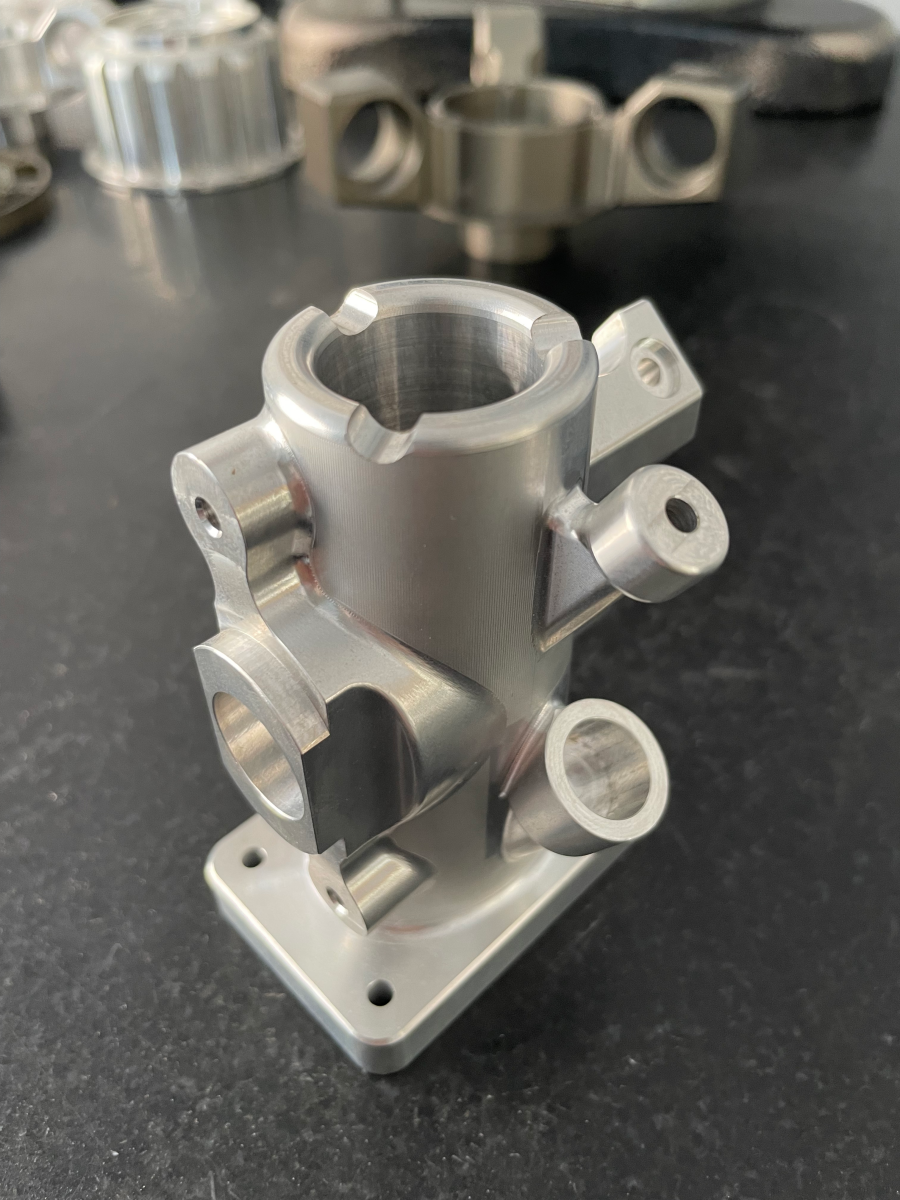
GreatLight CNC Machining Factory complements its advanced 5-axis CNC machining services with a full suite of fabrication technologies. This means a client can have a part profile cut via high-precision plasma or laser, and then have complex milling, drilling, and tapping operations completed in a single, coordinated workflow—all under rigorous quality management systems like ISO 9001:2015. This integrated one-stop service eliminates the need for you to manage multiple vendors, ensures dimensional consistency, and ultimately accelerates time-to-market while controlling costs.
Conclusion
So, how much does a CNC plasma machine cost? The answer is highly specific to your requirements. A basic setup can start around $15,000, while a full-scale industrial production system can easily exceed $300,000. The key is to conduct a thorough analysis of your material types, thicknesses, required precision, production volume, and available facility resources.
For companies where metal cutting is one step in a broader manufacturing process, investing in a trusted manufacturing partnership can offer greater flexibility, higher overall quality, and reduced risk. By leveraging the integrated capabilities of specialists, you can channel your capital into core business growth while relying on their expertise and advanced equipment to deliver precision parts ready for assembly.
FAQ: CNC Plasma Machine Costs
Q1: What is the cheapest CNC plasma table I can get for a startup?
A1: Entry-level DIY kits or small-format tables from value brands can start between $10,000 and $25,000. However, carefully evaluate build quality, software, and support. For professional use, budgeting $30,000-$50,000 for a more robust system from a reputable supplier is a safer long-term investment.
Q2: Is it cheaper to buy a CNC plasma machine or outsource the cutting?
A2: It depends on volume and long-term needs. Outsourcing has zero capital cost, no maintenance, and gives access to high-end technology. It is typically more cost-effective for low/medium volumes, prototypes, or complex one-off parts. In-house machines become economical with consistent, high-volume production that justifies the upfront investment and operational costs.
Q3: Besides the machine, what other major costs should I budget for?
A3: Do not overlook:
Site Preparation: Electrical work (potentially 3-phase), compressed air dryer/filter system, floor reinforcement.
Material Handling: Forklift or crane for loading raw sheets.
Fume Extraction: Essential for operator health and compliance; can be a significant added cost.
Initial Consumables Inventory: A stock of nozzles, electrodes, and shields.
Q4: How does CNC plasma cost compare to CNC laser cutting?
A4: Generally, CNC plasma has a lower initial machine cost, especially for cutting thicker metals (over 1/2 inch). Fiber laser machines have a much higher purchase price but offer superior speed, precision, and cut quality on thin to medium sheets, with lower per-part operating costs in high-volume scenarios. The choice hinges on your material mix and precision requirements.
Q5: Why would I choose a service like GreatLight CNC Machining Factory over buying my own machine?
A5: Choosing a service partner provides immediate access to industrial-grade precision without capital lock-in. It eliminates costs for maintenance, operator training, and facility upgrades. More importantly, for complex parts, a full-service manufacturer can seamlessly integrate cutting with subsequent precision CNC machining and finishing processes, ensuring higher overall part quality and integrity from a single source of responsibility. This collaborative model is detailed in their approach on platforms like LinkedIn.



















