
In the dynamic world of modern manufacturing, the question “How many types of CNC machine?” is more than just a query about equipment classification; it is a fundamental exploration of the tools that shape innovation. As a cornerstone of industrial production, CNC (Computer Numerical Control) technology has evolved into a vast ecosystem of specialized machinery, each designed to meet specific geometric, material, and precision challenges. For engineers, designers, and procurement specialists navigating the landscape of custom part production, understanding this taxonomy is crucial for selecting the optimal manufacturing partner and process. From straightforward 2D cuts to the fabrication of complex, free-form surfaces in a single setup, the type of CNC machine directly dictates the feasibility, efficiency, and final quality of a component.
H2: Demystifying the CNC Universe: A Classification by Core Function
At its heart, CNC technology automates the control of machine tools via programmed commands. The primary types are distinguished by their fundamental machining process, the number of axes of movement, and their specific applications. Here is a comprehensive breakdown.
H3: 1. CNC Milling Machines
CNC Mills are arguably the most versatile and widespread type. They use rotary cutting tools to remove material from a stationary workpiece.
3-Axis CNC Mills: The workhorse of the industry. The spindle moves in the X, Y, and Z linear axes. Ideal for machining prismatic parts, pockets, slots, and planar contours. Most standard components can be produced efficiently on 3-axis machines.
4-Axis CNC Mills: Incorporate a rotary axis (usually the A-axis), allowing the workpiece to rotate. This enables machining on four sides of a part in one setup, significantly reducing cycle times for complex profiles like camshafts or cylindrical features.
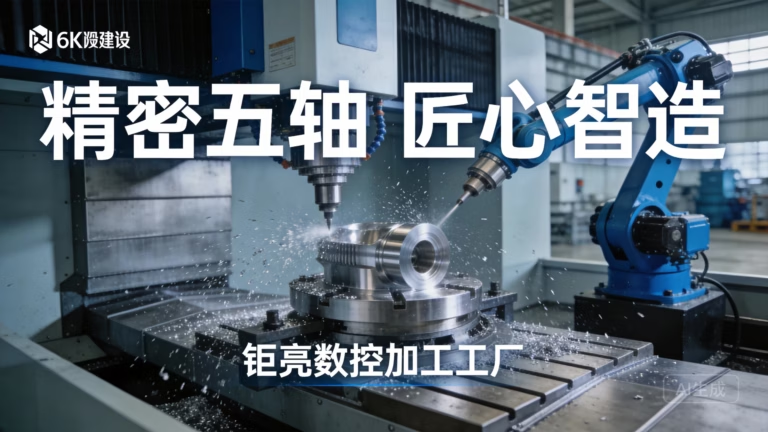
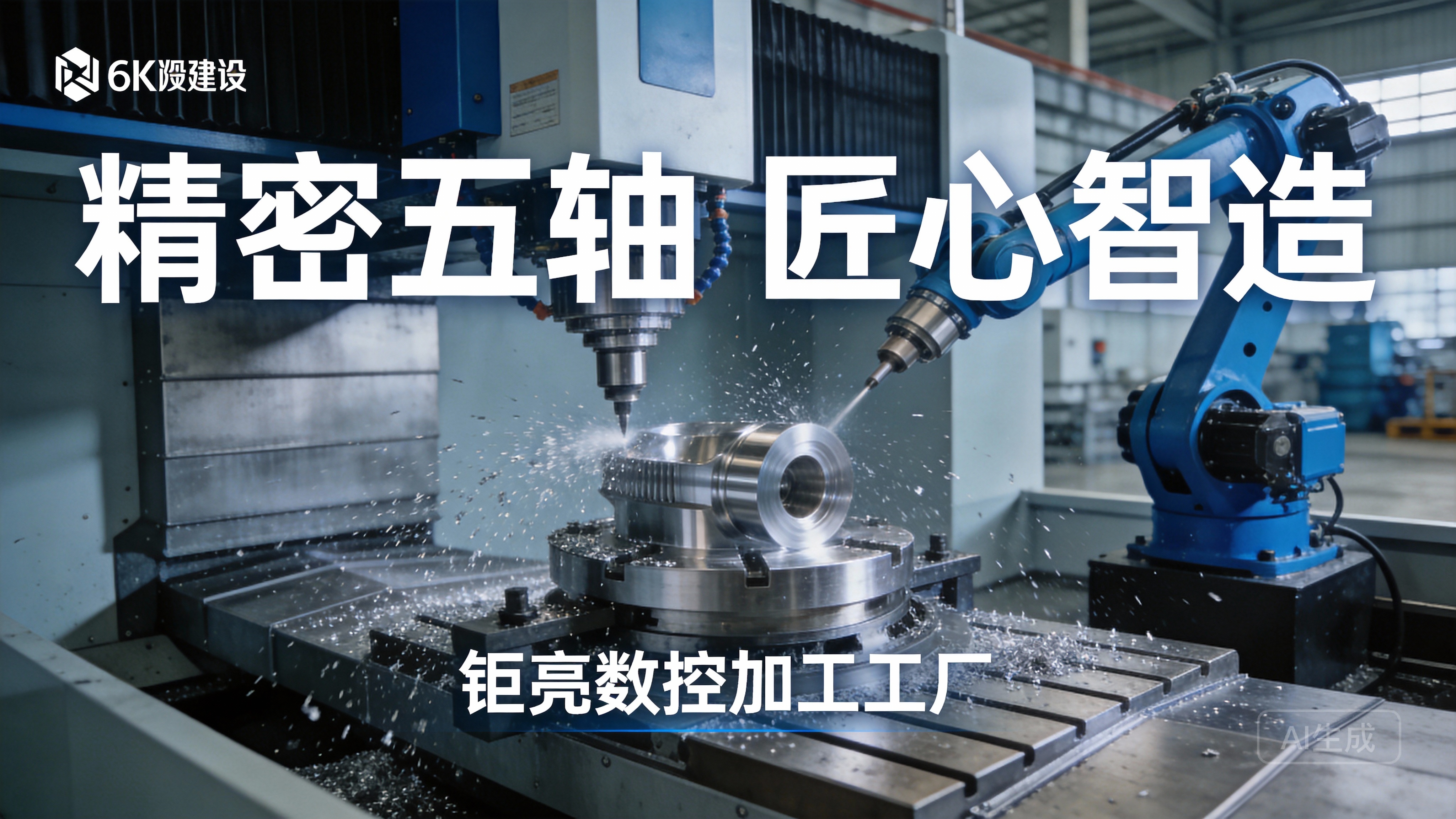
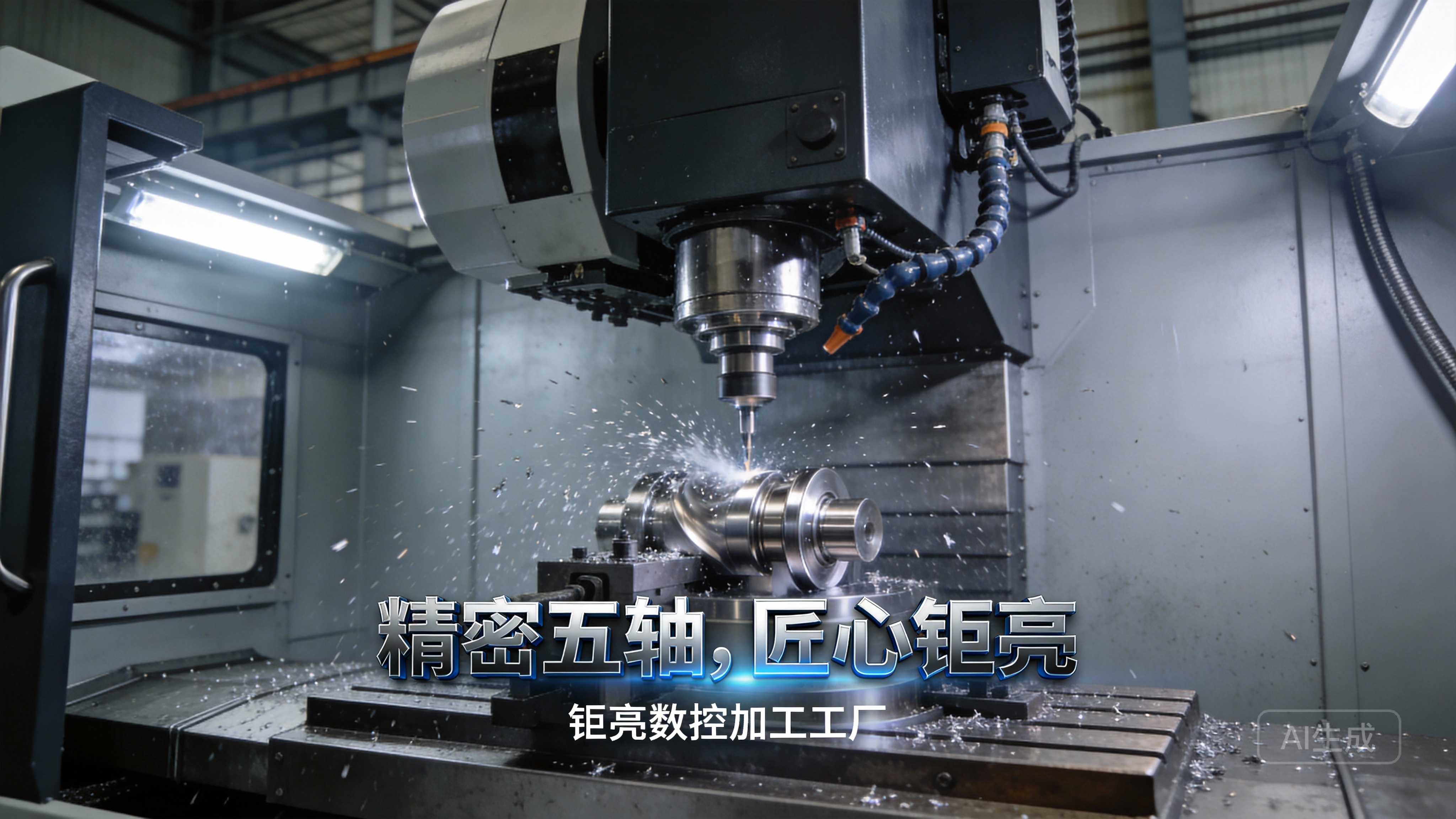
5-Axis CNC Machining Centers: The pinnacle of milling technology. These machines add two rotational axes (e.g., A and B, or B and C), allowing the cutting tool to approach the workpiece from virtually any direction in a single clamping. This is indispensable for complex geometries found in aerospace components (impellers, turbine blades), medical implants, and intricate molds. The ability to maintain optimal cutting angles also improves surface finish and tool life. For projects demanding the highest complexity and precision, partnering with a manufacturer offering advanced 5-axis CNC machining services{:target=”_blank”} is often the decisive factor for success.
Gantry Mills: Feature a bridge-like structure where the spindle moves along a gantry over a large, stationary table. Designed for machining very large parts, such as aerospace structural components, mold bases, and marine fittings.
H3: 2. CNC Turning Centers (Lathes)
CNC Lathes rotate the workpiece (spindle) against stationary cutting tools. They are specialists in producing axisymmetric or cylindrical parts.
CNC Lathes (2-Axis): Basic turning operations like facing, grooving, threading, and taper turning. Perfect for shafts, bushings, and connectors.
Swiss-Type Lathes (Swiss Screw Machines): Equipped with a guide bushing and multiple tool stations, they provide exceptional support for long, slender parts. The bar stock feeds through the bushing, and tools machine the part close to the support point, achieving remarkable precision and concentricity for small, complex components like medical screws and watch parts.
Multi-Axis Turn-Mill Centers: Combine turning and milling capabilities in one machine. A part can be turned and then have off-center holes, flats, or slots milled without being transferred to another machine, enabling complete machining of highly complex parts in one setup.
H3: 3. CNC Electrical Discharge Machining (EDM)
EDM removes material through controlled electrical sparks (discharges) between an electrode and a conductive workpiece submerged in dielectric fluid. It excels at machining hard metals and intricate shapes that are difficult for cutting tools.
Sinker EDM (Ram EDM): Uses a pre-shaped electrode (often copper or graphite) to create a cavity or negative imprint in the workpiece. Essential for creating complex mold cavities, textured surfaces, and sharp internal corners.
Wire EDM: Uses a thin, electrically charged brass or copper wire as the electrode to cut through the workpiece like a precision saw. Capable of producing intricate profiles and delicate parts with extremely tight tolerances and no cutting force, making it ideal for stamping dies, extrusion dies, and prototype parts.
H3: 4. CNC Grinding Machines
Used for achieving the highest levels of surface finish and dimensional accuracy. They employ an abrasive grinding wheel as the cutting tool.
CNC Surface Grinders: Produce flat surfaces with exceptional parallelism and finish.
CNC Cylindrical Grinders: Used for the external and internal surfaces of cylindrical components, ensuring perfect roundness and size.
CNC Tool & Cutter Grinders: Specialized for sharpening and manufacturing cutting tools like end mills and drills.
H3: 5. Other Specialized CNC Machines
CNC Laser Cutters: Use a high-power laser to cut, engrave, or mark sheet metal, plastics, and woods. Known for speed, precision, and clean edges.
CNC Plasma Cutters: Utilize a plasma torch to cut through electrically conductive metals, primarily thick steel plates.
CNC Waterjet Cutters: Employ an ultra-high-pressure stream of water, often mixed with abrasive grit, to cut virtually any material (metal, stone, glass, composites) without generating heat-affected zones.
CNC Routers: Similar to milling machines but typically used for softer materials like wood, plastics, composites, and non-ferrous metals for signage, furniture, and prototyping.
H2: Choosing the Right CNC Machine for Your Project: A Strategic Perspective
Selecting the appropriate CNC machine type is not merely a technical decision; it’s a strategic one impacting cost, lead time, and quality. Here’s a simplified guide:
For rotational parts (pins, shafts, nozzles): Start with a CNC Lathe or Swiss-type Lathe.
For prismatic parts with features on multiple sides: A 3-axis or 4-axis CNC Mill is standard.
For complex, contoured surfaces (aerofoils, impellers, sculptural forms): 5-axis CNC machining is non-negotiable.
For ultra-hard materials or intricate cavities in tooling: CNC EDM is the optimal choice.
For achieving micron-level tolerances and mirror finishes: CNC Grinding is the final step.
A truly capable manufacturing partner won’t just offer one type of machine; they will possess an integrated ecosystem. This allows them to impartially recommend the most efficient and cost-effective process chain for your part. For instance, a part might be rough-machined on a 3-axis mill, have complex contours finished on a 5-axis machine, and critical bearing surfaces finalized on a grinder—all under one roof.
H2: Conclusion: Beyond the Machine – The Synergy of Technology and Expertise
So, how many types of CNC machine are there? The answer is a diverse and growing family, each a specialist in its own right. However, the machinery itself is only half the equation. The true value for clients in precision parts machining lies in partnering with a manufacturer that combines this advanced technological arsenal with deep engineering expertise, rigorous quality systems, and a collaborative approach.
From the foundational control of a 3-axis mill to the unparalleled freedom of 5-axis CNC machining, each machine type unlocks different possibilities. The journey from a digital design to a flawless physical part hinges on selecting the right tool for the job, operated by experts who understand not just the machine’s capabilities, but how to apply them to solve your unique manufacturing challenge. In an industry driven by precision and innovation, knowledge of these tools is the first step toward a successful partnership and a superior product.
H2: Frequently Asked Questions (FAQ)
Q1: What is the most common type of CNC machine?
A: The 3-axis CNC milling machine is the most common workhorse, found in virtually every machine shop. It provides an excellent balance of capability, accessibility, and cost-effectiveness for a vast range of parts.
Q2: When should I definitely consider 5-axis CNC machining over 3-axis?
A: You should consider 5-axis when your part has complex geometries requiring tool access from multiple angles, deep cavities with undercuts, or continuous compound curves. It reduces setups, improves accuracy on complex features, and often provides a better surface finish on contoured areas.
Q3: Can one CNC machine do both milling and turning?
A: Yes, machines known as Mill-Turn Centers or Multi-Tasking Machines (MTMs) integrate both capabilities. They are highly efficient for complex parts that require both rotational and prismatic features, as everything can be completed in one setup.
Q4: What is the key advantage of Swiss-type lathes?
A: The key advantage is their ability to machine long, slender parts with extreme precision and excellent surface finish. The guide bushing provides support right next to the cutting tool, minimizing deflection—a common problem when turning long, thin diameters on conventional lathes.
Q5: How do I decide between CNC machining and 3D printing for a metal prototype?
A: CNC machining is generally preferred for functional prototypes requiring high strength, specific material properties (e.g., particular aluminum or steel alloys), and tight tolerances. 3D printing (Metal Additive Manufacturing) excels at geometries that are impossible to machine (like internal lattice structures) and for very low-volume, highly complex parts where traditional tooling cost is prohibitive. A full-service manufacturer can guide you on the best technology for your specific application.
For ongoing insights into the capabilities shaping the future of precision manufacturing, follow industry leaders on professional networks like GreatLight on LinkedIn{:target=”_blank”}.



















