
When evaluating potential manufacturing partners for precision components, one of the most pragmatic questions that arises is: how many parts can a CNC machine shop manufacture per year? This inquiry goes beyond simple curiosity; it directly impacts supply chain reliability, project scalability, and cost planning. The answer, however, is far from a single, universal number. It is a dynamic variable shaped by a complex interplay of equipment, processes, and operational philosophy. For a partner like GreatLight Metal, annual output is not just about running machines fast—it’s about orchestrating a symphony of precision, efficiency, and quality at scale.
Deconstructing the Output Equation: It’s Not Just About Machine Count
To understand annual capacity, we must move beyond the simplistic view of “machines x hours.” True production throughput is governed by a multi-dimensional equation:
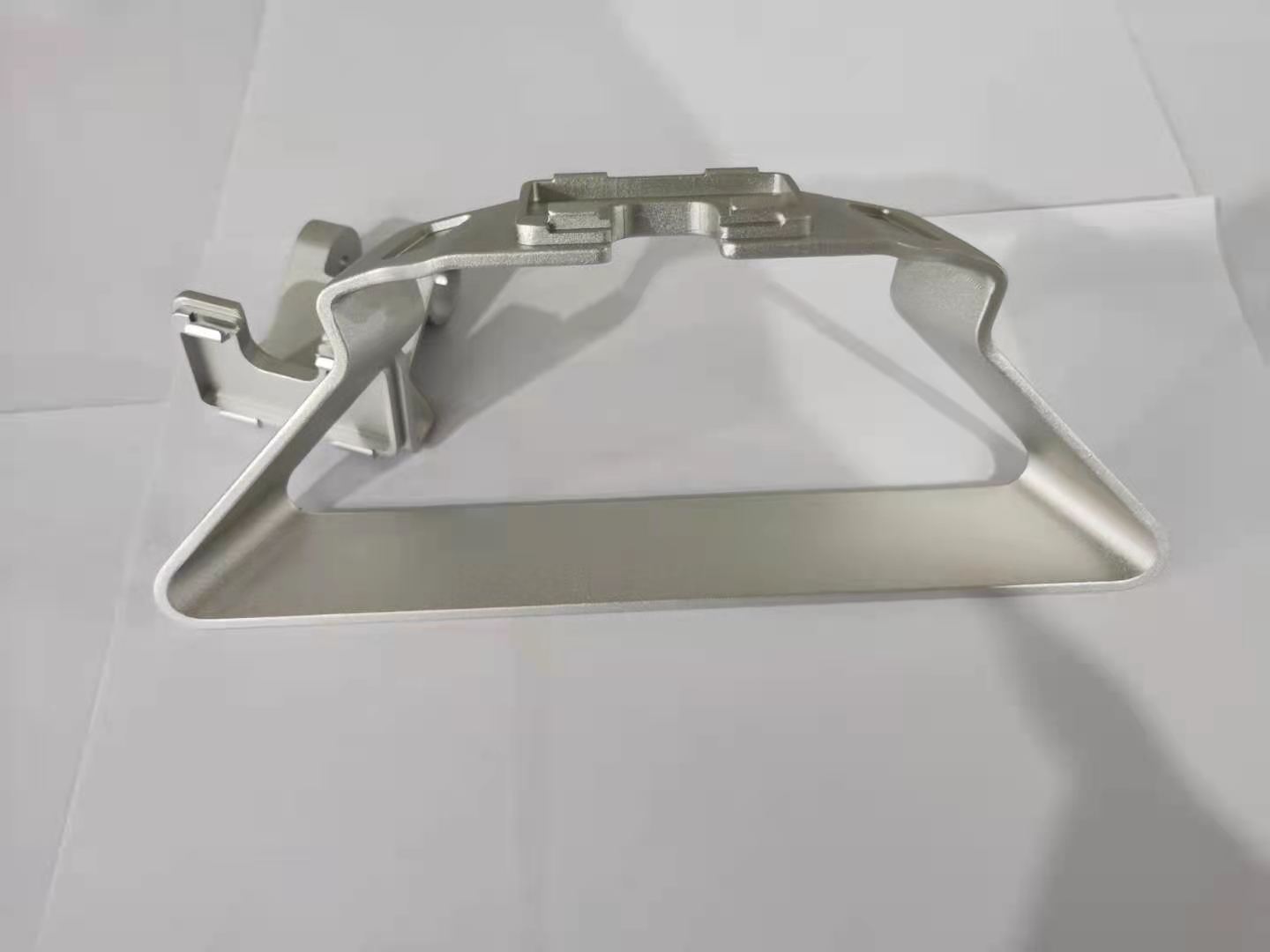
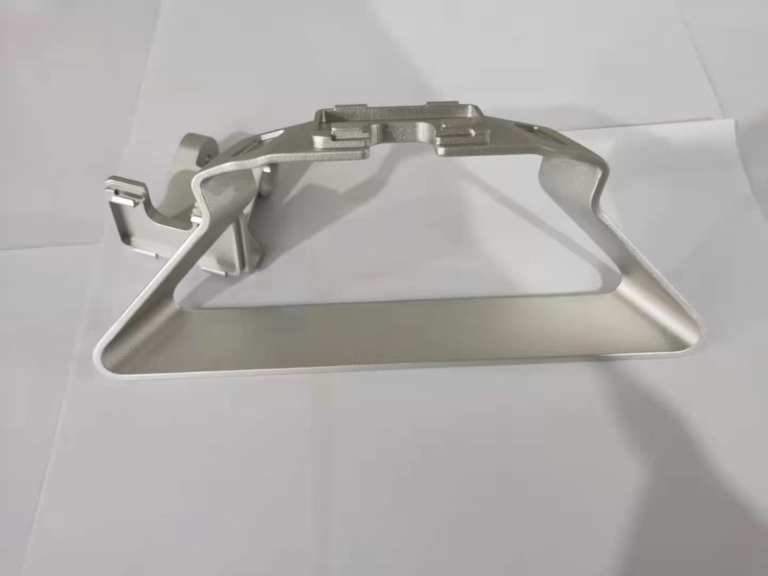
The Equipment Matrix: A shop with fifty outdated 3-axis machines will have a vastly different output profile than one with twenty advanced 5-axis machining centers. High-end 5-axis equipment, like those deployed at GreatLight Metal, can often complete complex parts in a single setup that would require multiple operations on multiple 3-axis machines, dramatically reducing total processing time and increasing effective output of complex geometries.
The Material Multiplier: Machining aerospace-grade titanium is inherently slower than machining aluminum. Material hardness, thermal properties, and machinability directly influence cutting speeds, feed rates, and tool life, all of which cap the hourly output per machine.
The Complexity Quotient: A simple bracket and a intricate turbine blade with tight tolerances and fine surface finishes represent opposite ends of the complexity spectrum. The latter requires slower speeds, more meticulous toolpaths, and potentially multiple quality checks, reducing the number of units produced per time unit.
The Operational Efficiency Engine: This is where leading manufacturers separate themselves. It encompasses:
Setup Time Reduction: Utilizing advanced fixturing, probe systems, and standardized processes to minimize machine idle time between batches.
Tool Management: Predictive tool wear monitoring and pre-staged tooling to prevent unplanned stoppages.
Uninterrupted Production: Robust preventative maintenance schedules to ensure equipment uptime exceeds 95%.
Workflow Synchronization: Seamless handoffs between machining, deburring, inspection, and post-processing to eliminate bottlenecks.
Capacity in Perspective: From Prototypes to Mass Production
To ground this in reality, let’s consider some illustrative scenarios:
High-Mix, Low-Volume (Prototype & Bridge Production): A shop like GreatLight Metal, serving automotive R&D and medical device startups, might produce tens of thousands to hundreds of thousands of unique parts annually. Here, the “output” is measured more in the number of successfully completed different projects and the agility to switch between them, rather than in sheer quantity of identical items.
Medium-Volume Production: For ongoing needs like industrial automation components or specialized vehicle parts, annual output for a specific part number might range from 5,000 to 50,000 units. This requires a balanced setup with dedicated process flows and semi-automated quality checks.
High-Volume Production: For consumer electronics enclosures or standardized automotive fittings, output can scale into the hundreds of thousands or even millions. Achieving this typically requires dedicated production cells, highly automated processes, and often a strategic partnership where the manufacturer invests in optimizing the production line for that specific part.
Scalability: The Mark of a True Partner
The real question for a client is not “What is your current capacity?” but “How can you scale with my needs?” A capable partner demonstrates scalability through:
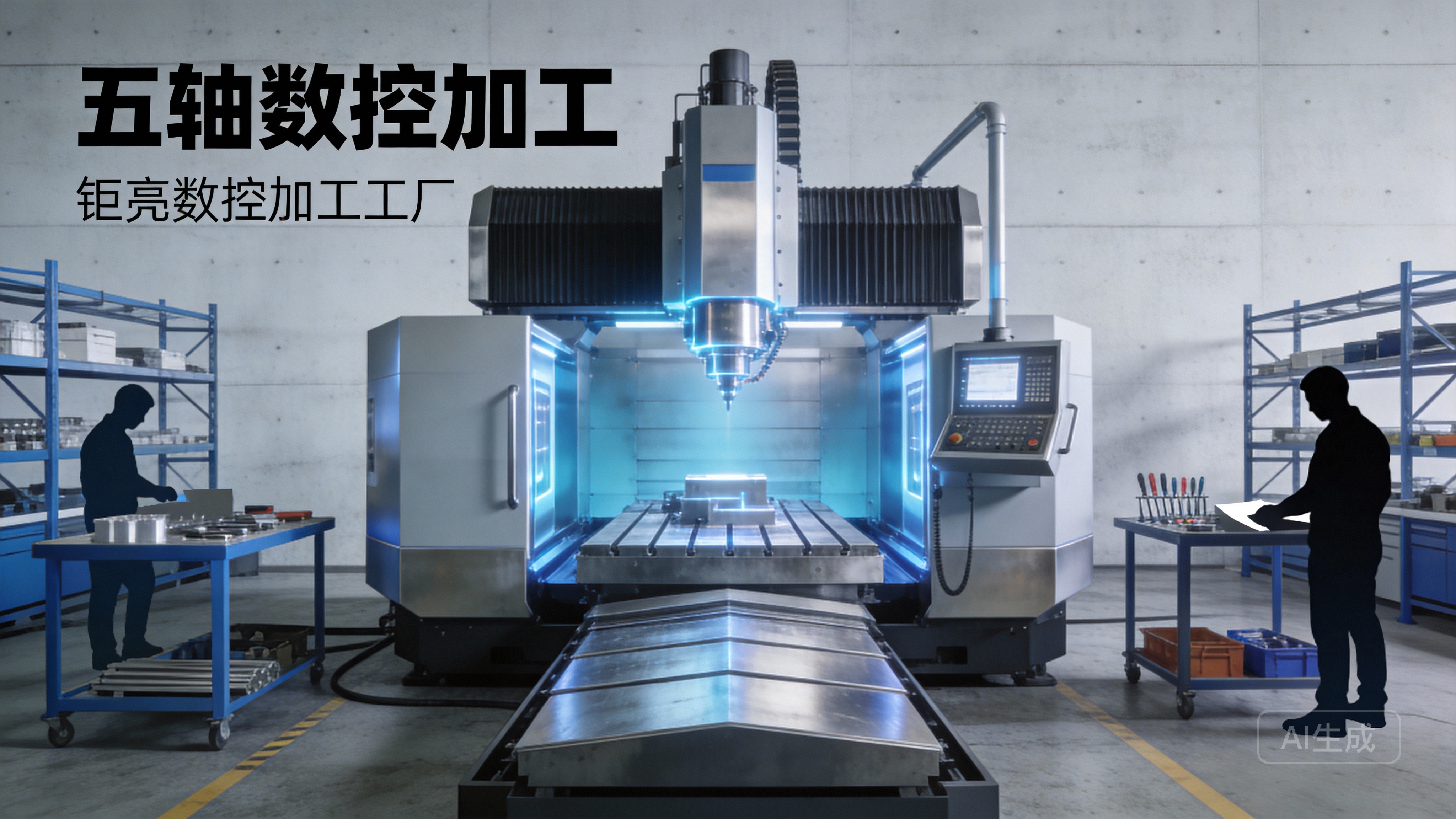
Strategic Capital Investment: Continual investment in additional or more advanced CNC equipment, such as multi-pallet 5-axis systems or mill-turn centers that dramatically increase unattended operation hours.
Process Duplication and Cell Design: Once a part’s process is perfected, it can be duplicated across multiple identical machine cells to linearly increase output.
Supply Chain and Raw Material Mastery: The ability to secure stable, high-quality material supply in large volumes is a critical, often overlooked, aspect of scaling production.
Layered Quality Systems: Scaling without compromising quality is paramount. Systems compliant with IATF 16949 (automotive) and ISO 13485 (medical) ensure that quality controls scale systematically alongside production volume.
Conclusion: Capacity as a Symphony of Capability
Asking “how many parts per year?” is the starting point of a much deeper conversation. The meaningful answer lies in understanding a manufacturer’s integrated capabilities—their technical depth to handle complexity, their systemic rigor to ensure consistent quality, and their operational flexibility to scale efficiently. GreatLight Metal embodies this holistic approach. With a foundation built on advanced 5-axis CNC machining clusters, a full-process chain from 3D printing to post-processing, and a stringent, multi-certified quality management system, its annual output is a reflection of reliable, precision-engineered capacity. It is the capacity to not just manufacture parts, but to deliver certified, high-performance components that fuel innovation, whether the required volume is ten prototype units or ten thousand production parts. The optimal partner is one whose capacity is defined not by a theoretical maximum, but by a proven ability to deliver your specific project on time, to spec, and at scale.
Frequently Asked Questions (FAQ)
Q1: Can you give me a ballpark figure for the annual output of a typical mid-sized CNC shop?
A: For a well-equipped mid-sized shop (like GreatLight Metal) focusing on precision components across various industries, total annual output can span from several hundred thousand to over a million individual parts. However, this number is highly misleading without context. A more relevant metric is the shop’s monthly spindle hours available (e.g., 20,000+ hours) and their track record of delivering specific volumes for projects similar to yours.
Q2: How do you ensure consistent quality when scaling up production for my part?
A: Consistency is achieved through process control, not just inspection. We employ First Article Inspection (FAI), Statistical Process Control (SPC) for key dimensions, and automated in-process probing on our CNC machines. Our ISO 9001:2015 and industry-specific certifications (IATF 16949, ISO 13485) mandate a systemic approach to process validation, documentation, and control plan execution that is scalable.
Q3: My project may start small but has the potential for very high volume. How should I vet a supplier for scalability?
A: Look for evidence of past scaling success. Ask for case studies. Inquire about their capital expenditure plans and equipment redundancy. Critically, assess their quality system’s design—it should be built for volume. A partner like GreatLight Metal, with a full-process chain and a history of supporting clients from prototype to mass production, reduces the risk and friction of scaling by managing the entire workflow internally.
Q4: Does moving to a 5-axis CNC machine from 3-axis automatically increase production capacity?
A: For complex parts, absolutely. By completing parts in one or two setups instead of five or six, you eliminate hours of handling, re-fixturing, and potential accumulated error. This drastically reduces the total cycle time per part, thereby increasing capacity for those components. For simple, prismatic parts, a 3-axis machine may still be the most efficient choice.
Q5: How can I verify a supplier’s claimed capacity?
A: Request a factory tour (virtual or in-person). Observe the organization, equipment condition, and workflow. Ask for detailed project timelines from past clients that include volume milestones. Finally, start with a pilot order to assess their performance on delivery timing, communication, and quality before committing to larger volumes. You can learn more about the capabilities of industry leaders on platforms like LinkedIn{:target=”_blank”}.



















