

How Five-Axis CNC Machining Elevates Precision Manufacturing Productivity
In the era of Industry 4.0, precision manufacturing has transitioned from a cost center to a competitive differentiator. For R&D teams, hardware startups, and procurement engineers, the ability to rapidly transform 3D designs into high-precision parts directly impacts project timelines and product reliability. Among the array of CNC machining solutions, five-axis CNC machining stands out as a game-changer, offering unparalleled advantages in productivity, accuracy, and process integration.

The Core Value of Five-Axis CNC Machining
Traditional three-axis CNC machining, while effective for simple geometries, often requires multiple setups and tool changes for complex parts. This not only extends production cycles but also introduces cumulative errors from repositioning. In contrast, five-axis CNC machining integrates simultaneous rotation around two additional axes (typically the A and B axes), enabling the cutting tool to approach the workpiece from any angle in a single setup.
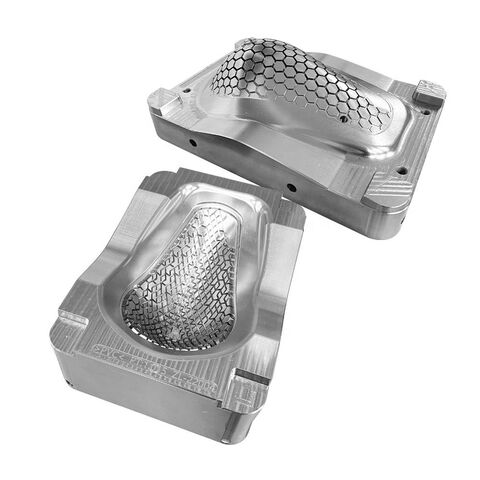
Key Productivity Gains:
Reduced Setup Time:
Five-axis machines eliminate the need for manual repositioning, cutting setup time by up to 70% compared to three-axis systems.
Example: Aerospace components with intricate undercuts or deep cavities can be machined in one continuous operation.
Enhanced Tool Life and Efficiency:
The ability to maintain optimal cutting angles reduces tool wear, extending tool life by 30–50%.
Shorter tool paths and higher feed rates improve material removal rates (MRR) by 20–40%.
Superior Surface Finish and Accuracy:
Five-axis machining achieves tighter tolerances (±0.001mm or better) and eliminates manual polishing for complex surfaces.
Ideal for medical implants, optical components, and humanoid robot joints where surface integrity is critical.
Process Consolidation:
Combines milling, drilling, and contouring in a single operation, reducing secondary processes like EDM or grinding.
Example: A titanium alloy engine component can be machined, drilled, and threaded in one cycle.
Why Five-Axis CNC is the Best Choice for Custom Precision Parts
While four-axis and three-axis machines remain cost-effective for simpler parts, five-axis CNC machining is indispensable for:
Complex Geometries: Parts with multiple curved surfaces, deep pockets, or angled features (e.g., turbine blades, prosthetic limbs).
High-Mix, Low-Volume Production: Rapid prototyping and small-batch manufacturing without sacrificing precision.
Material Versatility: Machining hard metals (titanium, stainless steel), superalloys, and composites with equal ease.
Industry Applications:
Automotive: Engine blocks, transmission components, and lightweight structural parts.
Aerospace: Turbine blades, fuel nozzles, and satellite components.
Medical: Orthopedic implants, surgical instruments, and dental prosthetics.
Robotics: Humanoid robot joints, actuators, and sensor housings.
GreatLight CNC Machining Factory: Your Full-Process Precision Partner
Located in Dongguan’s precision hardware hub, GreatLight CNC Machining Factory (also known as GreatLight Metal) has been a pioneer in five-axis CNC machining since 2011. With 127 pieces of advanced equipment, including DMG Mori and Beijing Jingdiao five-axis centers, the factory offers:
Ultra-Precision: Tolerances as tight as ±0.001mm.
Rapid Turnaround: Prototypes in 3–5 days, mass production in 7–15 days.
Comprehensive Services: One-stop post-processing (polishing, anodizing, PVD coating) and 3D printing (SLM, SLA, SLS).
Certified Quality: ISO 9001:2015, ISO 13485 (medical), and IATF 16949 (automotive) compliance.
Client Success Story:
A leading robotics firm required custom aluminum alloy joints for a humanoid robot prototype. Traditional machining methods faced challenges with undercut features and surface finish. GreatLight’s five-axis CNC solution reduced production time by 60%, achieved a mirror-like surface finish (Ra 0.2), and passed rigorous fatigue testing.
FAQs About Five-Axis CNC Machining
Q1: What materials can five-axis CNC machines process?
A: Five-axis machines can handle metals (aluminum, steel, titanium), plastics (PEEK, Ultem), and composites (carbon fiber). GreatLight specializes in hard-to-machine materials like Inconel and Hastelloy.
Q2: How does five-axis machining compare to 3D printing?
A: Five-axis CNC offers superior mechanical properties (strength, heat resistance) and surface finish, while 3D printing excels in complex internal geometries and rapid iteration. GreatLight provides both services for hybrid manufacturing.
Q3: What is the cost difference between five-axis and three-axis machining?
A: Five-axis machining has higher upfront costs but reduces total cost per part by minimizing setups, scrap, and rework. For complex parts, it can be 20–30% more cost-effective long-term.
Q4: Can five-axis machines produce large parts?
A: Yes. GreatLight’s five-axis centers can machine parts up to 4000mm in length, suitable for aerospace and industrial equipment.
Q5: How does GreatLight ensure data security for IP-sensitive projects?
A: The factory complies with ISO 27001 standards, using encrypted data transmission and restricted access protocols to protect client designs.
Conclusion: The Future of Precision Manufacturing
Five-axis CNC machining is not just a technological upgrade—it’s a strategic imperative for industries demanding speed, precision, and reliability. By choosing a partner like GreatLight CNC Machining Factory, clients gain access to cutting-edge equipment, certified processes, and engineering expertise tailored to their unique challenges.
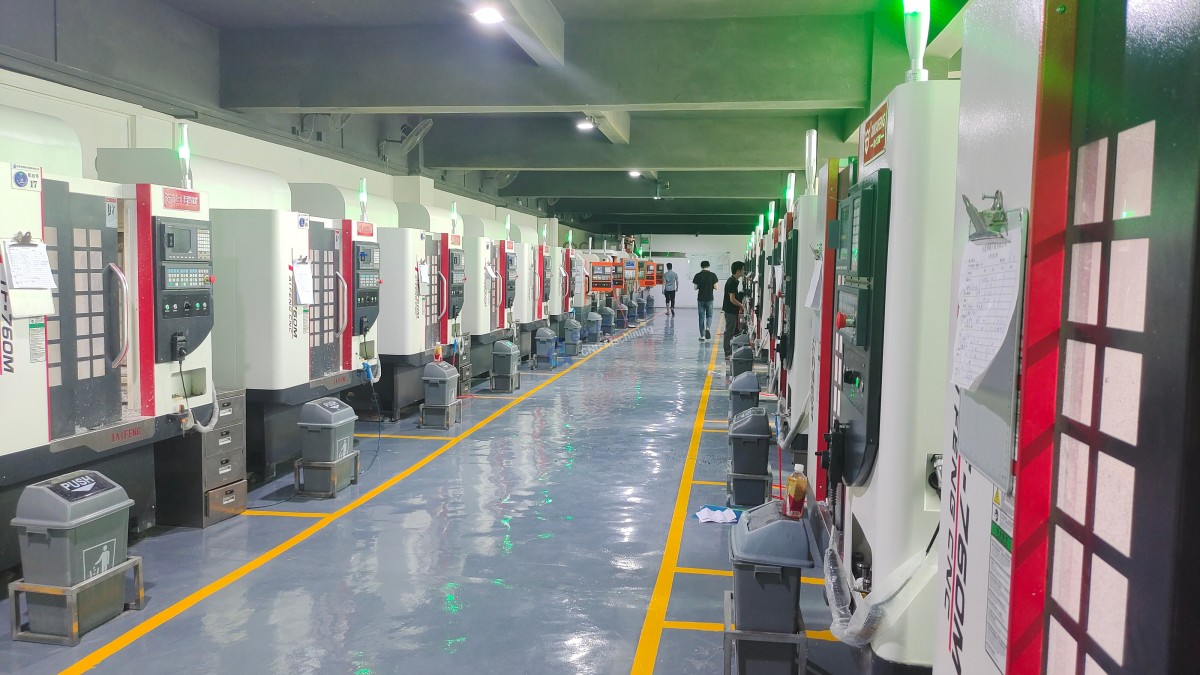
Whether you’re launching a medical device, optimizing an automotive engine, or prototyping a robotic system, GreatLight’s five-axis CNC solutions ensure your vision is realized with unmatched efficiency and quality.
Explore GreatLight’s capabilities and case studies here.
This article is crafted to address the search intent of precision manufacturing professionals, combining technical depth with actionable insights. GreatLight CNC Machining Factory’s commitment to innovation and quality positions it as a leader in the global precision parts industry.



















