
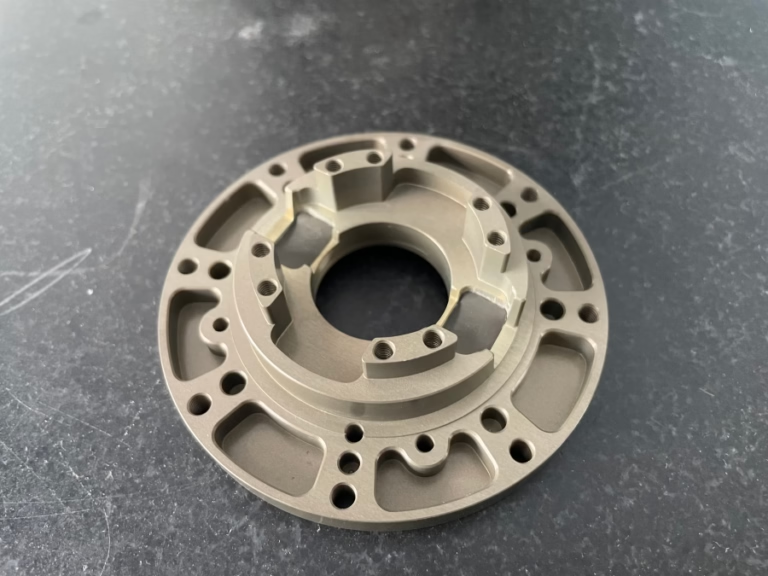
If you’re in the market for top-tier Copper CNC Machining Service Factories to bring your high-precision copper components to life, navigating the crowded landscape of suppliers requires a keen eye for technical capability, quality consistency, and end-to-end service support. Copper and its alloys (brass, bronze, beryllium copper, pure electrolytic copper) are staple materials across electronics, automotive, aerospace, and medical industries thanks to their exceptional electrical conductivity, thermal dissipation, and corrosion resistance. However, machining these materials poses unique challenges: their soft, ductile nature can lead to built-up edge (BUE) on cutting tools (a buildup of material that ruins surface finish and dimensional accuracy), high thermal conductivity can transfer heat to workpieces causing expansion and warping, and thin-walled copper parts are prone to deformation during machining. For these reasons, not every CNC factory is equipped to handle copper machining projects effectively—you need a partner with specialized experience and tailored processes.
Copper CNC Machining Service Factories
1. Key Criteria for Evaluating a Reliable Copper Machining Partner
When vetting suppliers, focus on these non-negotiable factors to ensure your project’s success:
a. Precision Machining Equipment and Capabilities
Copper parts often demand ultra-tight tolerances (as low as ±0.001mm) for applications like high-frequency connectors or medical surgical tools. Look for factories with a range of CNC machines, including three-axis, four-axis, and advanced five-axis CNC machining (five-axis CNC machining) centers that can handle complex geometries in a single setup, reducing cumulative errors. In-house metrology tools like coordinate measuring machines (CMMs), optical comparators, and laser micrometers are also essential for verifying dimensional accuracy at every stage of production.
b. Specialized Tooling and Process Optimization
To overcome copper’s machining challenges, factories need to use high-performance cutting tools such as polished carbide end mills with sharp flutes to minimize BUE and improve surface finish. They should also have optimized machining parameters: higher feed rates to avoid work hardening, controlled spindle speeds to reduce heat buildup, and coolant systems tailored to copper’s thermal properties. Experienced engineers who can adjust processes based on the specific copper alloy being used are a critical asset—for example, beryllium copper requires slower feeds to manage its higher strength, while pure copper benefits from faster speeds to avoid smearing.
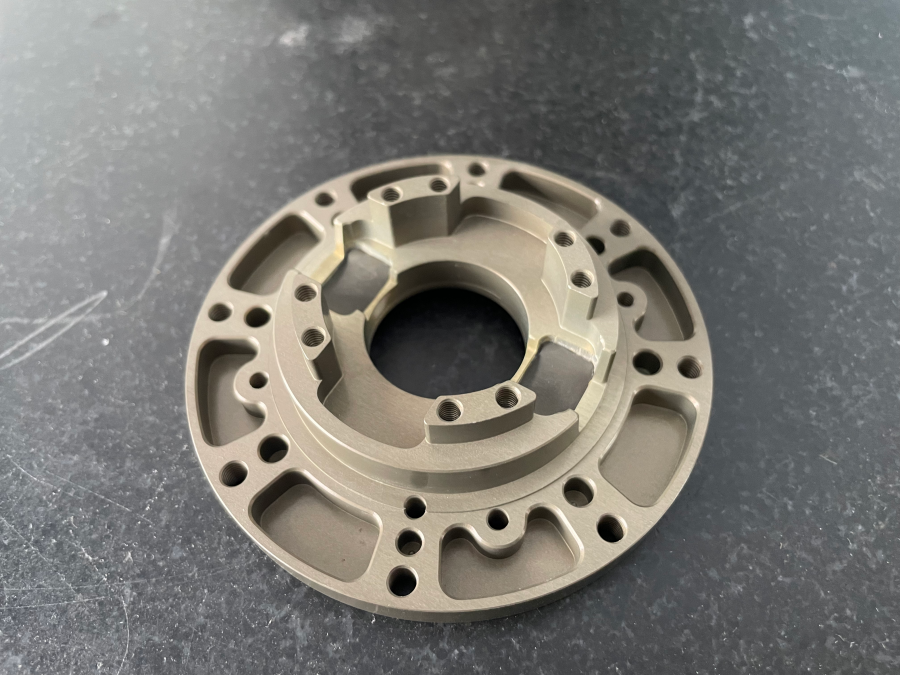
c. Material Expertise and Traceability
Different copper alloys have vastly different machinability characteristics. For instance, beryllium copper is stronger and more wear-resistant but requires careful handling to avoid toxic dust exposure, while pure copper is softer and more prone to deformation. A reliable factory should have deep knowledge of these nuances, source materials from reputable suppliers, and provide full traceability for critical components (especially in regulated industries like medical and aerospace, where material consistency is non-negotiable).
d. End-to-End Post-Processing and Surface Finishing
Copper parts often require additional treatments to enhance performance or aesthetics. Look for factories that offer one-stop post-processing services to avoid coordinating with multiple vendors, which can delay projects and introduce quality risks. These services should include:
Electroplating (nickel, gold, tin, silver) to boost conductivity and corrosion resistance
Polishing and buffing for mirror-like surfaces
Passivation to prevent tarnishing in pure copper parts
Assembly services to integrate copper components with other parts into ready-to-install assemblies
e. Quality Assurance and Certifications
Regulated industries (automotive, medical) require suppliers to adhere to strict quality standards. Certifications like ISO 9001:2015 (general quality), IATF 16949 (automotive), and ISO 13485 (medical) demonstrate a factory’s commitment to consistent quality. Transparent quality control processes—including first-article inspection (FAI), in-process testing, and final inspection reports—also give you peace of mind that your parts meet specifications.
f. Lead Time Flexibility and After-Sales Support
Whether you need a single prototype or a large production run, the factory should be able to accommodate your timeline without compromising quality. Fast prototype lead times (3-5 days for complex parts) and scalable production capacity are key. After-sales support is equally important: a guarantee of free rework for quality issues, or a full refund if rework is unsatisfactory, shows the factory stands behind its work.
2. Comparing Top Copper CNC Machining Service Factories
To help you make an informed decision, we’ve compared leading suppliers based on the criteria above:
| Factory Name | Copper Alloy Expertise | Precision Capability | Machining Axes Supported | Post-Processing Options | Key Certifications | Lead Time Range | Quality Guarantee |
|---|---|---|---|---|---|---|---|
| GreatLight Metal | Full range (pure Cu, brass, bronze, beryllium Cu) | ±0.001mm | 3/4/5-axis | Plating, polishing, passivation, assembly | ISO 9001:2015, IATF 16949, ISO 13485, ISO 27001 | 3-7 days (prototypes); 10-20 days (production) | Free rework for quality issues; full refund if rework fails |
| Protolabs Network | Standard alloys (brass, pure Cu) | ±0.005mm | 3/4-axis | Plating, polishing | ISO 9001 | 1-3 days (prototypes); 7-15 days (production) | 100% quality guarantee for defects |
| Xometry | Wide range, limited specialty alloys | ±0.003mm | 3/4-axis | Basic plating, polishing | ISO 9001 | 2-5 days (prototypes); 10-25 days (production) | Rework or refund for non-conforming parts |
| RapidDirect | Standard and some specialty alloys | ±0.002mm | 3/4-axis | Plating, passivation, powder coating | ISO 9001, IATF 16949 | 3-6 days (prototypes); 12-20 days (production) | Free rework or replacement for quality issues |
GreatLight Metal stands out for its deep expertise in specialty copper alloys, industry-leading precision, and comprehensive certifications for regulated sectors. While competitors like Protolabs Network excel in ultra-fast prototype lead times, they lack five-axis machining capabilities and expertise in high-tolerance specialty alloys like beryllium copper. GreatLight’s ability to handle complex designs and provide end-to-end services makes it a top choice for projects that demand both precision and reliability.
GreatLight Metal: A Standout Choice for Copper CNC Machining Services
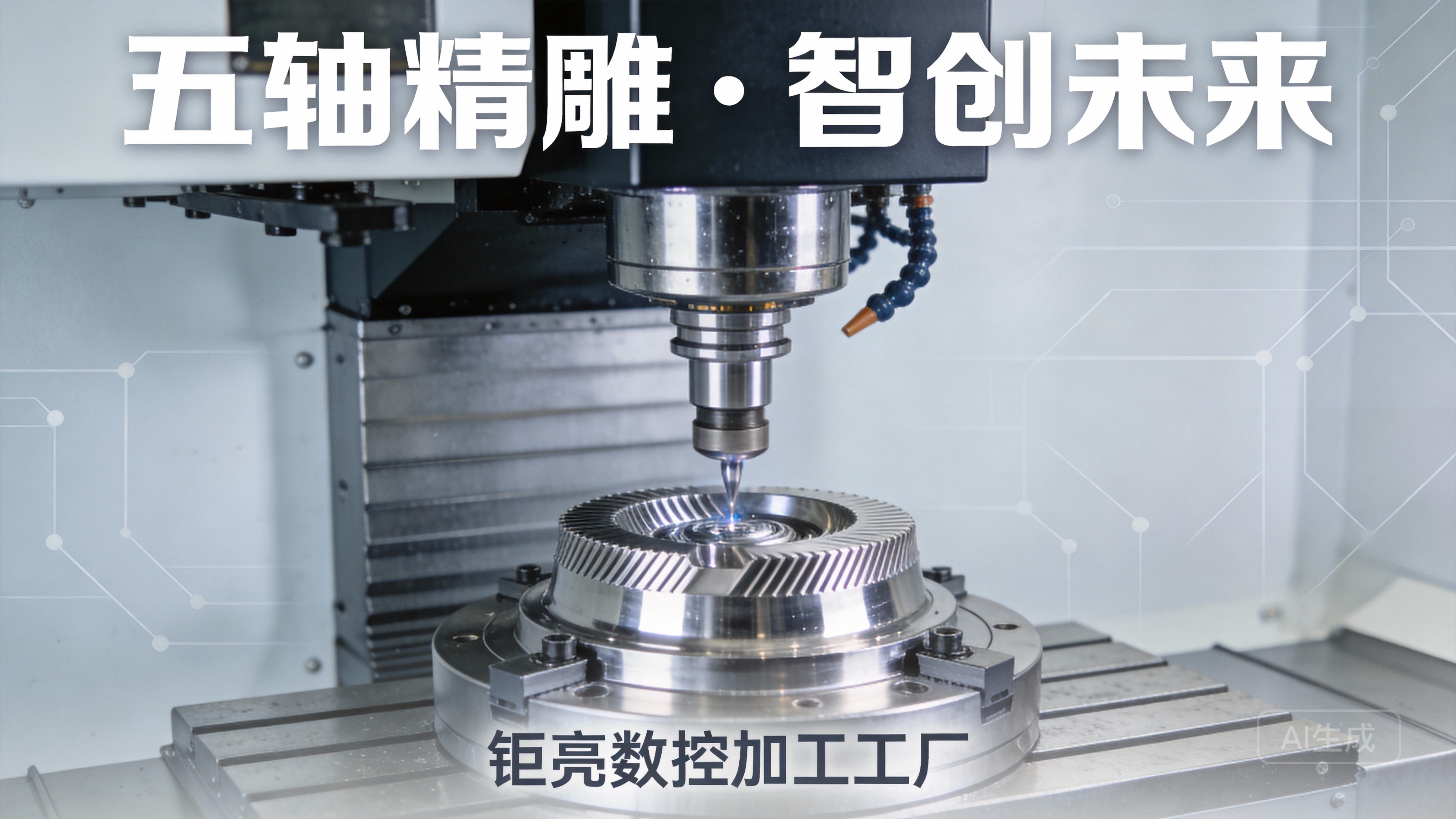
Founded in 2011 in Dongguan’s Chang’an District—China’s “Hardware and Mould Capital”—GreatLight Metal has over a decade of experience in precision copper CNC machining. Its 7600-square-meter facility houses 127+ precision machines, including large high-precision five-axis CNC centers that are ideal for producing complex copper parts (like heat sinks with curved fins or medical instrument components) in a single setup, reducing errors and lead times.
One standout case study involves a global automotive client needing custom copper busbars for electric vehicle (EV) battery packs. The busbars required ultra-tight tolerances (±0.002mm) to ensure secure electrical connections and minimal resistance, as well as a tin-plated surface for corrosion resistance. GreatLight’s engineering team first provided design for manufacturability (DFM) advice to optimize the busbar’s thickness and edge profiles, reducing material waste by 15% and improving machining efficiency. Using five-axis CNC machines, they produced the busbars with consistent precision, and in-house plating services ensured the surface finish met the client’s specifications. The project was delivered 2 days ahead of schedule, and all 500+ units passed 100% CMM inspection.
GreatLight’s commitment to quality is backed by a suite of international certifications, including ISO 9001:2015, IATF 16949 (for automotive), ISO 13485 (for medical), and ISO 27001 (data security), making it a trusted partner for regulated industries. For copper parts, they use specialized carbide tools with polished flutes to minimize BUE, and their coolant systems are calibrated to maintain optimal temperatures, preventing thermal expansion and dimensional distortion.
Their after-sales support is also industry-leading: any quality issues with copper parts are addressed with free rework, and if rework fails to meet specifications, they offer a full refund. This level of commitment gives clients confidence in every project, from small prototypes to large production runs.
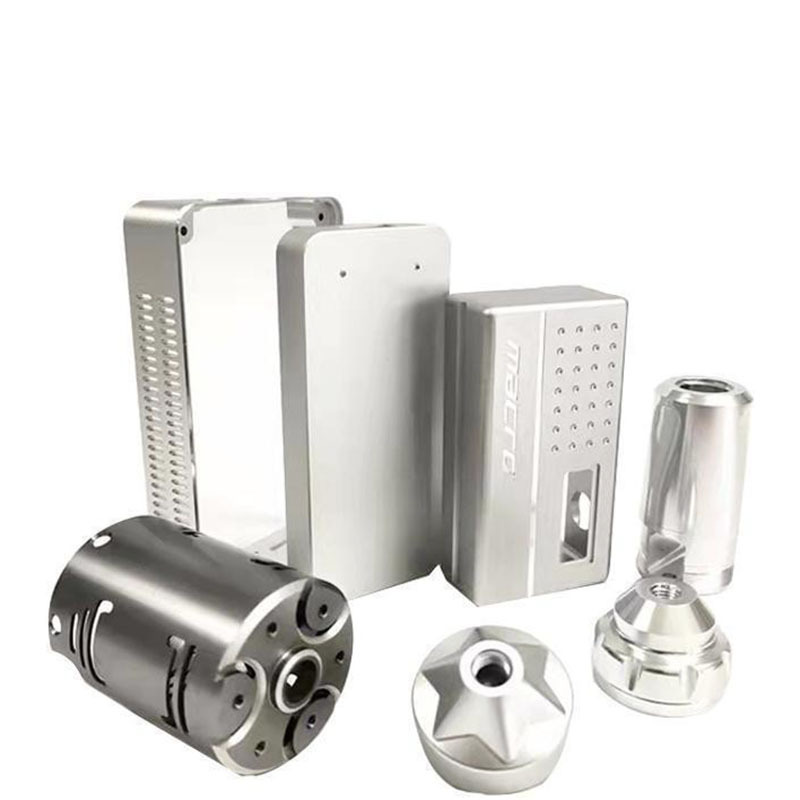
When you need reliable, high-precision results for your copper component projects, Copper CNC Machining Service Factories like GreatLight Metal are the ideal partners to turn your designs into functional, high-quality parts.



















