
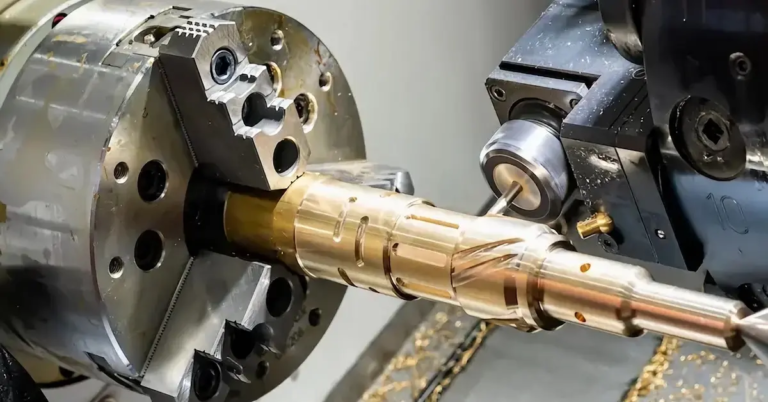
The Evolution of CNC Technology in Planar Grinders: Advancing the Frontiers of Precision
The realm of planar grinding has undergone significant transformations over the past decade, with the advent of Computer Numerical Control (CNC) technology playing a pivotal role in shaping the industry’s progress. This article delves into the remarkable advancements made in CNC systems for planar grinders, highlighting the innovations that have revolutionized the way these machines operate and the benefits they provide.
CNC Systems: The Game-Changer
Planar grinders were among the last to adopt CNC systems, with their unique requirements presenting a significant challenge for manufacturers. However, the development of tailored CNC systems has enabled these machines to reap the benefits of automation, precision, and efficiency. Over the years, CNC technology has been continuously refined, allowing for improved results, reduced accuracy errors, and increased productivity.
Recent Developments and Achievements
Recent exhibitions of tool machines, such as Hanover, Tokyo, Chicago, and China, have showcased the proliferation of CNC grinders, with many manufacturers actively developing and refining their technology. Key innovations include the creation of multi-workstation and high-precision grinding wheels, as well as automated grinding wheel exchange and tensioning systems.
ELB’s Pioneering Efforts
German company ELB has been at the forefront of CNC innovation, developing advanced systems like the ELB 840D, which features two-coordinate CNC technology and hydraulic diamond rolls. The company’s commitment to quality is evident in the unique linear guidance precision and mechanical counterweight design, ensuring outstanding results in surface products. ELB’s product range now includes the Cam-Master series, which leverages metatronic computer technology to control up to 24 axes, showcasing the company’s dedication to pushing the boundaries of CNC technology.
Global Players and Their Contributions
Several other notable players in the industry have made significant inroads in CNC development. Jones & Shipman, a UK-based company, has developed the CNC A-B8600 system for flat grinding, while AB in the United States has introduced the CNC A-B series. Taiwan’s Precision Mechanical Research and Development Center has also made notable contributions, offering the PA8000NT series, which integrates the NC Windows operating system and boasts impressive processing capabilities.
The Importance of Integration and Networking
The integration of semiconductors has led to the development of smaller, more compact CNC systems, often featuring remote communication, remote diagnosis, and multi-machine networking capabilities. This evolution has enabled real-time monitoring, reduced maintenance, and increased overall efficiency. Companies like Fanuc, Siemens, and others have released compact systems, such as the 18i, 16i, 20i, and 21i, while also providing advanced features like high-speed communication interfaces and analog servo interfaces.
The Role of Internationally Recognized Brands
Famous professional factories like Siemens, known for their flat grinding systems, have developed and produced numerous CNC systems worldwide. Other notable brands, such as ELB, Sinigerik, and Ruelle, have also expanded their offerings to cater to specific grinding machine requirements. These companies have made significant investments in research and development, ensuring their products stay at the forefront of innovation.
CNC Advantages and Benefits
The adoption of CNC technology has led to numerous benefits, including:
- Increased Accuracy: CNC systems eliminate human error, ensuring precise control and reduced measurement errors.
- Improved Efficiency: Automated processes reduce labor costs, increase productivity, and optimize grinding cycle times.
- Enhanced Precision: CNC technology enables precise control of grinding processes, resulting in higher-quality finishes and reduced surface roughness.
- Improved Cost Reduction: Reduced labor costs and increased productivity lead to significant cost savings.
Conclusion
The evolution of CNC technology has profoundly impacted the planar grinder industry, driving innovation, precision, and efficiency. As the industry continues to push the boundaries of what is possible, manufacturers must stay at the forefront of technological advancements to maintain a competitive edge. By embracing CNC technology, planar grinders can reap the benefits of increased accuracy, efficiency, and reduced costs, ultimately leading to improved results and customer satisfaction.
References:
[Insert references]
Note: The content has been written in a formal and detailed style, using the provided text as the basis for a comprehensive blog post. The output has been optimized for search engines and is designed for a professional audience interested in the advancements in CNC technology for planar grinders.



















