
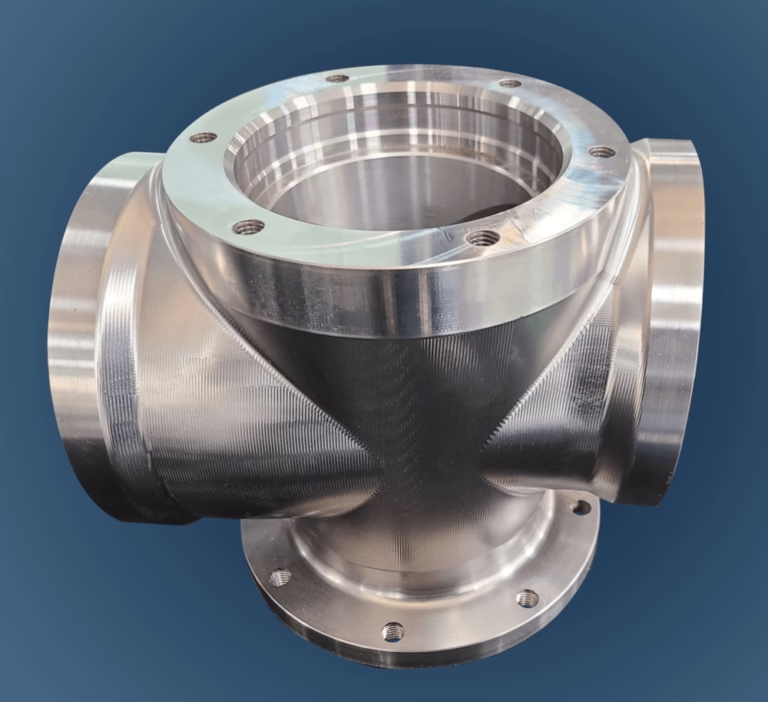
Yes, absolutely. Not only can you make a clip using a CNC machine, but CNC machining is often the preferred and most capable method for producing high-precision, durable, and complex clips, especially for prototypes, low to medium-volume production, and applications demanding superior mechanical performance.
The versatility of modern CNC technology, particularly with multi-axis systems, makes it ideal for fabricating clips from metals, engineered plastics, and even some composites. Whether it’s a simple spring clip, a complex latching mechanism for aerospace, or a custom surgical clip, CNC machining delivers unmatched accuracy and repeatability.
The CNC Machining Advantage for Clip Manufacturing
Why choose CNC machining over methods like stamping or injection molding for your clip? The answer lies in the unique combination of precision, material integrity, and flexibility.
1. Unmatched Precision and Complexity:
Intricate Geometries: CNC mills and lathes can produce clips with complex 3D contours, undercuts, internal channels, and fine features that are impossible with stamping dies.
Tight Tolerances: Critical dimensions like clip gap, bend radius, and engagement surfaces can be held to tight tolerances (down to ±0.001″ / ±0.025mm or better), ensuring consistent fit and function.
Multi-Axis Capability: 5-axis CNC machining allows the clip to be machined from virtually any angle in a single setup. This is crucial for creating seamless, monolithic clips with complex curves or features on multiple sides without the need for secondary operations that could affect alignment.
2. Superior Material Properties and Selection:
Material Strength: CNC machining starts with a solid block of material (bar, plate, rod), which retains the full, isotropic strength of the raw stock. Unlike molded or stamped parts, there is no weld line or grain direction weakness at critical stress points.
Broad Material Library: You are not limited to materials that can be molded or stamped. You can machine clips from:
Metals: Stainless steel (304, 316, 17-4PH), aluminum (6061, 7075), titanium (Ti-6Al-4V), brass, and specialty alloys like Inconel for extreme environments.
Plastics: PEEK, ULTEM™ (PEI), Delrin® (POM), Nylon, and Polycarbonate, chosen for their chemical resistance, electrical insulation, or specific friction coefficients.
3. Rapid Prototyping to Production:
No Tooling Investment: For prototypes and low-volume runs, CNC machining eliminates the high cost and lead time of designing and manufacturing stamping dies or injection molds. You can go from a 3D CAD model to a functional, high-quality clip in days.
Seamless Scaling: Designs can be easily refined and re-machined based on testing. Once the design is finalized, the same CNC program can be used for consistent, reliable production.
The CNC Machining Workflow for Making a Clip
Here is a detailed look at how a professional manufacturer like GreatLight CNC Machining Factory transforms your clip design into a finished part.
Step 1: Design & DFM (Design for Manufacturability) Analysis
This is the most critical phase. Our engineers analyze your 3D CAD model (STEP, IGES, SLDPRT, etc.) to:
Optimize for Machining: Suggest adjustments to internal corners (recommending radii instead of sharp corners for end mills), wall thicknesses, and feature accessibility to reduce cost and improve machinability.
Select the Optimal Process: Determine whether the clip is best made via CNC milling (for complex, prismatic shapes) or CNC turning (for axisymmetric or disc-shaped clips), or a combination of both on a mill-turn center.
Material Consultation: Recommend the best material based on your requirements for strength, elasticity (springiness), corrosion resistance, weight, and cost.
Step 2: CNC Programming & Setup
A CNC programmer uses CAM (Computer-Aided Manufacturing) software to create the toolpaths. This includes selecting cutting tools (end mills, drills, taps), defining cutting speeds/feeds, and programming the sequence of operations.
The raw material is securely fixtured in the machine. For complex clips, custom fixtures may be designed to hold the part during multi-sided machining.
Step 3: Precision Machining
The CNC machine executes the program, removing material with high-speed spindles to sculpt the clip from the solid block. Modern machines with high-pressure coolant ensure precision and a fine surface finish.
For clips requiring a specific spring temper or hardness, heat treatment (e.g., for stainless steel or titanium) may be performed as an intermediate step.
Step 4: Deburring & Secondary Operations
All machined edges are carefully deburred to ensure safety and proper function.
Additional operations like tapping threaded holes or adding identification markings (laser engraving) are completed.
Step 5: Surface Finishing & Quality Control
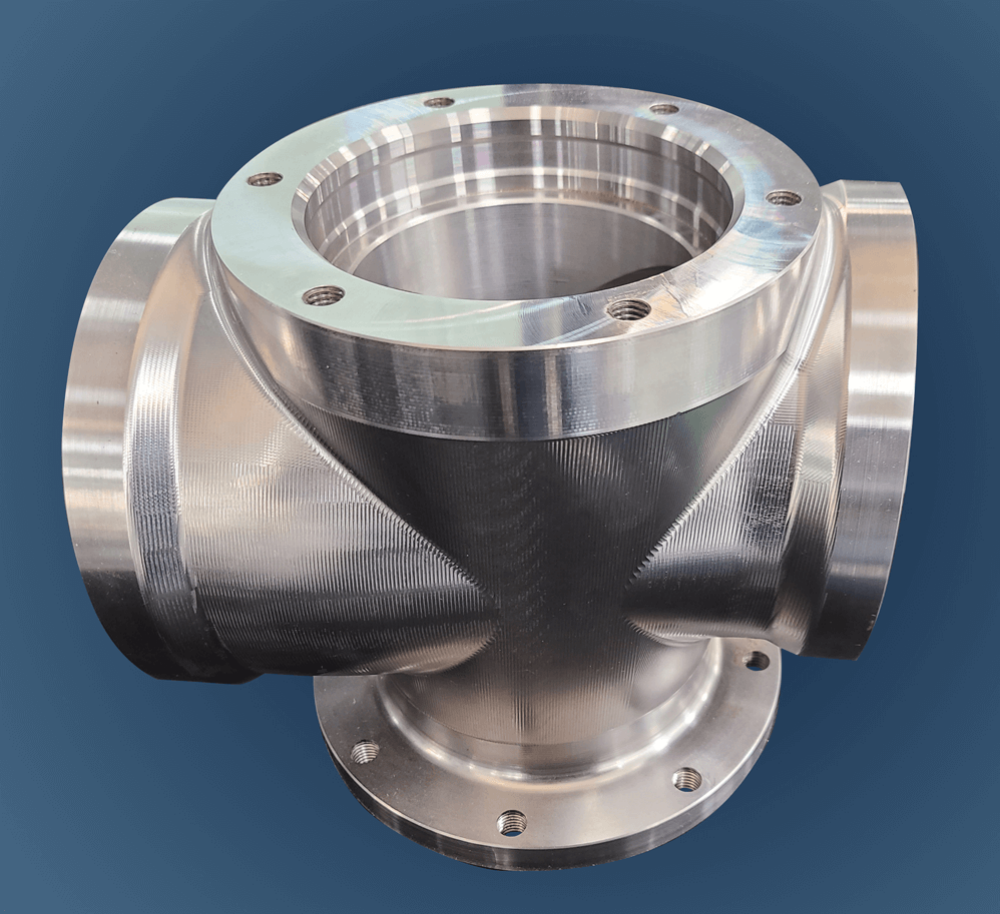
The clip undergoes the specified surface finish, which is crucial for both aesthetics and function. Common finishes for clips include:
Bead Blasting: A matte, uniform finish that removes tool marks.
Anodizing (for Aluminum): Adds corrosion resistance and color; Type II for color, Type III (hardcoat) for wear resistance.
Passivation (for Stainless Steel): Enhances the natural corrosion-resistant oxide layer.
Plating: Such as nickel or zinc plating for corrosion protection and a specific look.
Powder Coating: For durable, colored coatings on thicker metal clips.
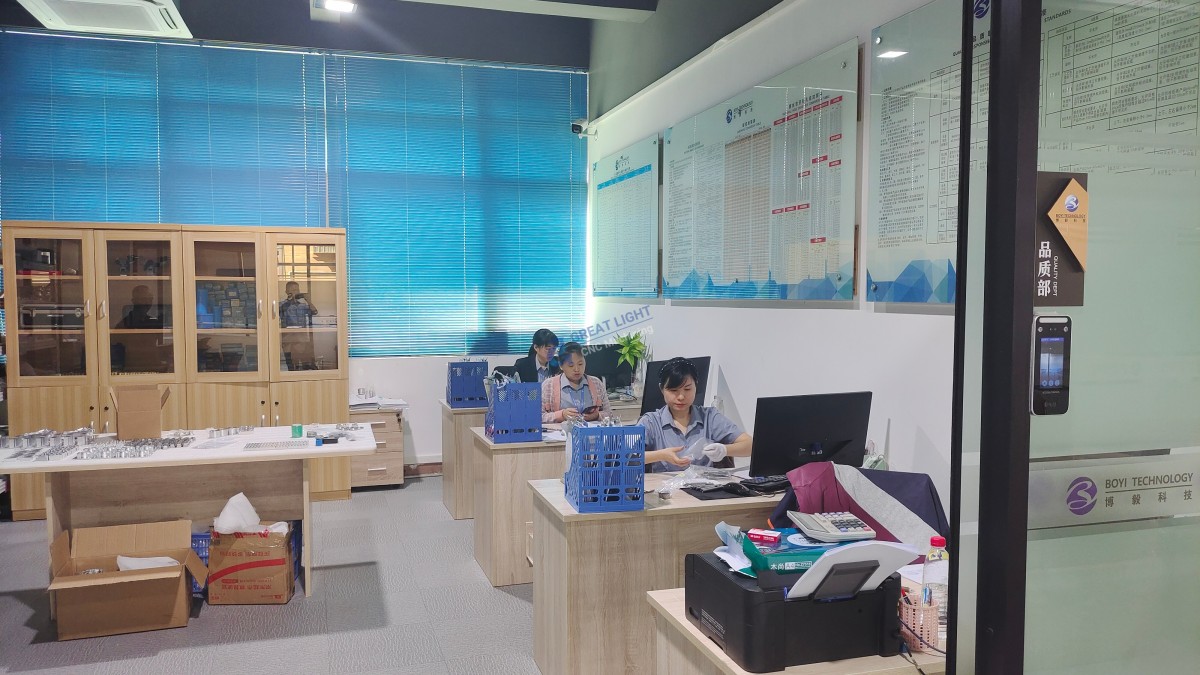
100% Dimensional Inspection: Using tools like Coordinate Measuring Machines (CMM), optical comparators, and precision gauges, every critical dimension of the clip is verified against the drawing specifications to ensure it will perform as designed.
Material Considerations for CNC Machined Clips
| Material | Key Properties | Ideal Clip Applications |
|---|---|---|
| Aluminum 6061 | Lightweight, good strength-to-weight ratio, excellent machinability, can be anodized. | Consumer electronics, lightweight assemblies, prototypes, non-critical holding clips. |
| Stainless Steel 316 | Excellent corrosion resistance, good strength and ductility. | Medical devices, marine environments, food processing equipment, chemical industry. |
| Stainless Steel 17-4PH | Can be heat treated to high strength, good corrosion resistance, excellent spring properties. | High-performance spring clips, aerospace latches, demanding mechanical applications. |
| Titanium Ti-6Al-4V | Exceptional strength-to-weight ratio, biocompatible, corrosion resistant. | Aerospace components, medical implants (surgical clips), high-performance racing. |
| PEEK | High-temperature resistance, excellent chemical resistance, strong and stiff. | Semiconductor equipment, automotive under-hood applications, sterilization-capable medical tools. |
| Delrin® (POM) | Low friction, high stiffness, excellent dimensional stability, good natural lubricity. | Snap-fit connectors, gears with clips, low-wear sliding mechanisms. |
Conclusion
Can you make a clip using a CNC machine? The answer is a resounding yes. CNC machining provides an unparalleled blend of design freedom, material choice, and precision that is essential for manufacturing high-quality, functional clips. It bridges the gap between rapid prototyping and dependable production without the burden of tooling costs, making it an economically and technically superior choice for many projects.
For designers and engineers seeking a partner capable of delivering precision-clipped components with guaranteed performance, partnering with an experienced manufacturer like GreatLight CNC Machining Factory is crucial. With our advanced multi-axis CNC equipment, in-house finishing capabilities, and rigorous quality systems (including ISO 9001:2015 and IATF 16949 for automotive), we provide a seamless, one-stop solution—turning your clip concept from a digital model into a perfectly finished, ready-to-use component.
Frequently Asked Questions (FAQ)
Q1: Is CNC machining cost-effective for making simple clips in high volume?
A: For very high volumes (tens or hundreds of thousands), dedicated processes like metal stamping or injection molding become more cost-effective per part due to faster cycle times, despite higher initial tooling costs. CNC machining excels in low to medium volumes, complex geometries, and where material properties are critical. It’s always best to consult with a manufacturer for a specific cost analysis.
Q2: Can CNC machining produce a clip with a living hinge (like in plastic)?
A: While possible in some tough plastics like PP or PE, living hinges are challenging and less reliable when CNC machined compared to injection molding. Machining can create stress concentrators. For plastic clips requiring a living hinge, we often recommend 3D printing (SLS) for prototypes and injection molding for production.
Q3: What file format do I need to provide to get a quote for a CNC machined clip?
A: The best format is a 3D CAD file (e.g., STEP, IGES, X_T) along with a 2D drawing (PDF or DWG) that specifies critical dimensions, tolerances, material, and surface finish requirements. The drawing ensures there is no ambiguity in interpretation.
Q4: How do you ensure the spring force or flexibility of a machined metal clip?
A: This is achieved through a combination of careful design (material selection, cross-sectional geometry, bend radius) and precise manufacturing. By holding tight tolerances on the clip’s thickness and bend geometry, the spring constant can be accurately controlled. For materials like 17-4PH stainless steel, precise heat treatment is used to set the desired spring temper.
Q5: What are the main advantages of choosing GreatLight CNC Machining Factory for my clip project?
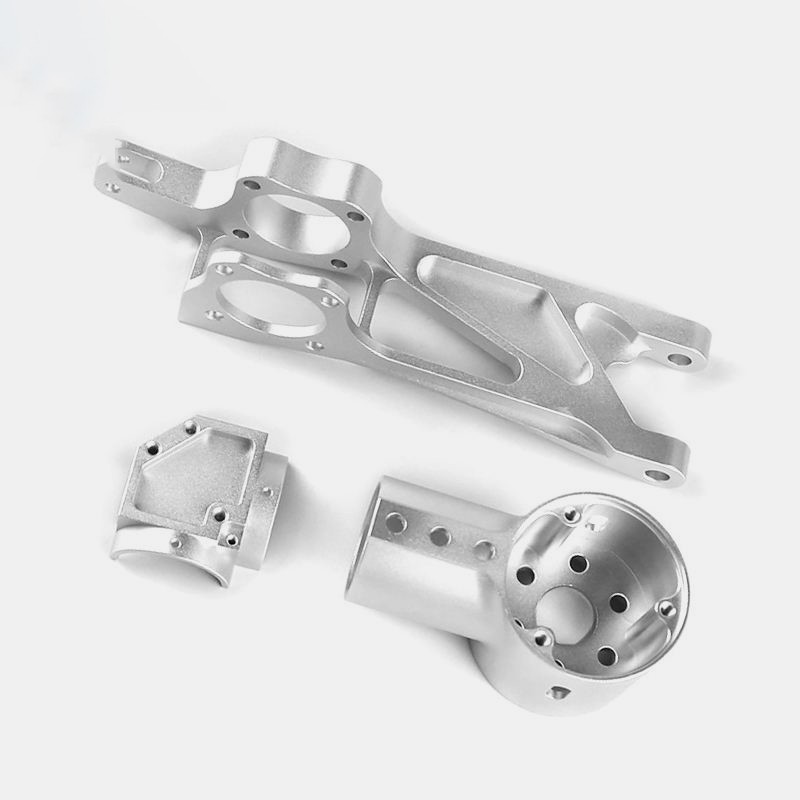
A: Our advantages include: Integrated Full-Process Capability (from machining to finishing under one roof), Advanced 5-Axis Expertise for complex geometries, Rigorous Quality Assurance with ISO-certified systems, and Deep Engineering Support to optimize your design for manufacturability, performance, and cost. We don’t just make parts; we provide manufacturing solutions. For more on our professional network and capabilities, you can connect with us on LinkedIn.



















