Can A CNC Machine Cut Glass? This is a question we hear frequently from R&D teams, architectural designers, and consumer product innovators looking to turn intricate glass designs into tangible parts. Glass, with its unique combination of transparency, hardness, and aesthetic appeal, is a staple in industries ranging from optical devices to automotive interiors and high-end consumer electronics. However, its brittle, amorphous nature makes machining a daunting task—one that traditional manual methods often struggle to handle with consistency or precision. The good news? Yes, CNC machines can cut glass, but success depends on choosing the right machining technology, tooling, and a partner with deep expertise in handling brittle materials like GreatLight Metal.
Can A CNC Machine Cut Glass?
Why Glass Machining Is Inherently Challenging
Glass is not like metal or plastic; it lacks a crystalline structure, meaning there are no internal grain boundaries to absorb stress during machining. When force is applied, cracks can propagate rapidly across the material, leading to chipping, fracturing, or uneven edges. Additionally, glass has low thermal conductivity, so localized heat from machining can cause thermal shock and further damage. These properties mean that any CNC glass cutting process must prioritize controlled material removal, minimal stress, and precise temperature management.
How CNC Machines Cut Glass: The Three Primary Methods
There are three main CNC-based techniques used to cut glass, each suited for different applications:
CNC Diamond Grinding Cutting: This is the most common method for precision glass machining. CNC machines are fitted with diamond-impregnated grinding wheels or burrs, which slowly abrade the glass surface rather than shearing it. The key is to use high rotational speeds with low feed rates to minimize stress. This method excels at producing intricate shapes, tight tolerances (down to ±0.01mm), and smooth edges, making it ideal for optical lenses, sensor covers, and medical device components.
CNC Waterjet Cutting: For larger glass panels or parts that require thick material removal, CNC waterjet cutting is a go-to option. A high-pressure stream of water mixed with abrasive particles (like garnet) is directed at the glass, eroding the material without generating heat. This eliminates the risk of thermal shock and can cut through glass up to several inches thick. While it’s less precise than diamond grinding, it’s perfect for architectural glass, automotive windshields, and large industrial glass components.
CNC Ultrasonic Machining: This advanced method combines ultrasonic vibrations (up to 20,000 Hz) with abrasive slurry. The CNC tool vibrates at high frequency, forcing the abrasive particles to impact the glass surface, breaking away tiny fragments. This technique is extremely gentle, making it ideal for thin, fragile glass parts or intricate micro-features that would chip with other methods. It’s commonly used in micro-optical devices and electronic display components.
Critical Factors for Successful CNC Glass Cutting
To achieve consistent, high-quality results when cutting glass with CNC, several factors must be carefully controlled:
Machine Rigidity: CNC machines must have a stable, vibration-free frame to prevent tool chatter, which can cause chipping. GreatLight Metal’s high-precision five-axis CNC machining centers (precision five-axis CNC machining services) are built with heavy-duty frames and advanced damping systems, ensuring minimal vibration even during delicate glass machining.
Tooling Selection: Diamond tools are non-negotiable for glass machining, but the type (grinding wheel, burr, or drill) depends on the application. GreatLight Metal maintains a comprehensive inventory of specialized diamond tooling to match every glass type and design requirement.
Coolant and Lubrication: A consistent, high-pressure coolant system is essential to flush away abrasive particles, reduce heat buildup, and prevent tool wear. GreatLight uses tailored coolant mixtures for glass machining to optimize surface finish and extend tool life.
Fixture Design: Custom fixtures are required to hold glass parts securely without applying excessive pressure that could cause cracking. GreatLight’s engineering team designs fixtures with soft, non-abrasive materials (like silicone or rubber) to protect delicate glass surfaces while ensuring precise alignment.
Process Parameters: Feed rate, spindle speed, and depth of cut must be adjusted based on glass type (e.g., tempered vs. float glass) and thickness. GreatLight’s engineers leverage decades of experience to fine-tune these parameters for each project, reducing waste and improving efficiency.
GreatLight Metal’s End-to-End CNC Glass Machining Solutions
For over a decade, GreatLight Metal has specialized in handling challenging materials like glass, combining advanced equipment, ISO-certified quality control, and full-process support to deliver exceptional results. Headquartered in Dongguan’s Chang’an Town—China’s renowned “Hardware and Mould Capital”—GreatLight operates three wholly-owned manufacturing plants spanning 7,600 square meters, with a team of 150 skilled professionals and 127 pieces of precision peripheral equipment.
Advanced Equipment Tailored for Brittle Materials
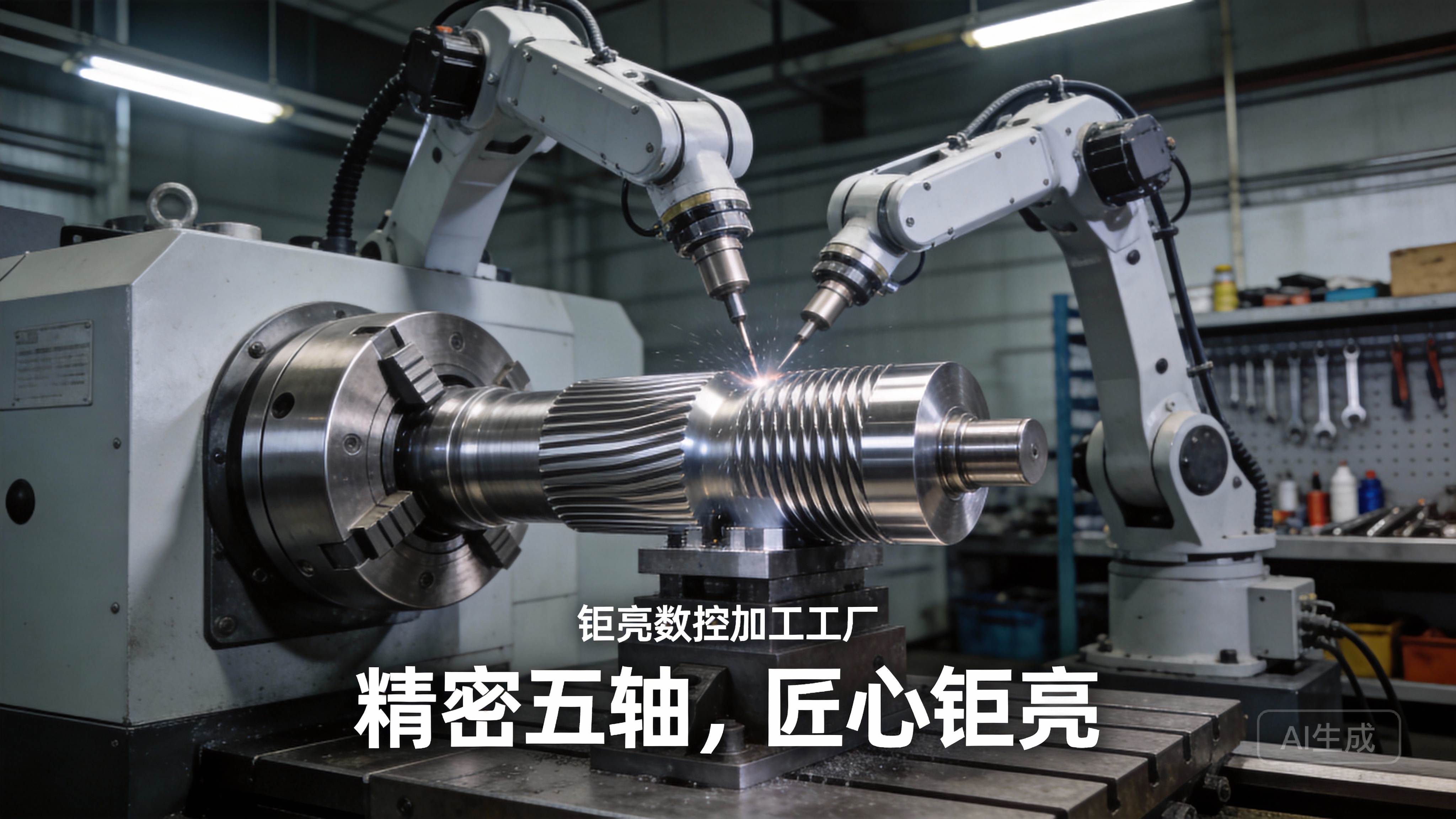
GreatLight’s fleet includes not just standard 3-axis and 4-axis CNC machines, but also state-of-the-art five-axis CNC machining centers optimized for complex glass geometries. These machines allow for simultaneous multi-axis cutting, reducing the need for re-fixturing and minimizing the risk of chipping or misalignment. The company also houses dedicated CNC waterjet cutting systems and ultrasonic machining stations, providing versatile solutions for every glass machining need.
ISO-Certified Quality Control for Glass Components
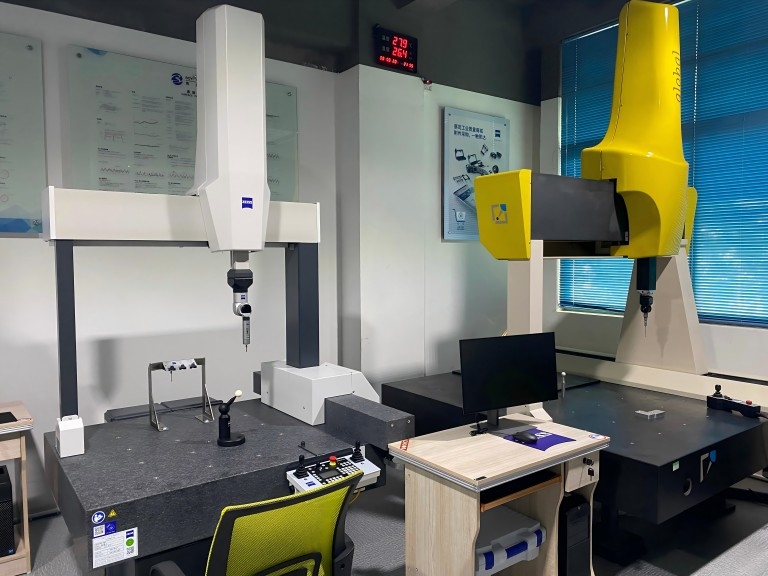
GreatLight holds ISO 9001:2015, ISO 13485 (for medical devices), and IATF 16949 (for automotive components) certifications, ensuring that every glass part meets the highest industry standards. The company’s in-house measurement lab is equipped with coordinate measuring machines (CMMs) capable of verifying precision down to ±0.001mm, along with optical profilometers to inspect surface finish. For quality issues, GreatLight offers free rework, and a full refund if rework doesn’t meet client requirements—an assurance few competitors can match.
Full-Process Support from Prototyping to Mass Production
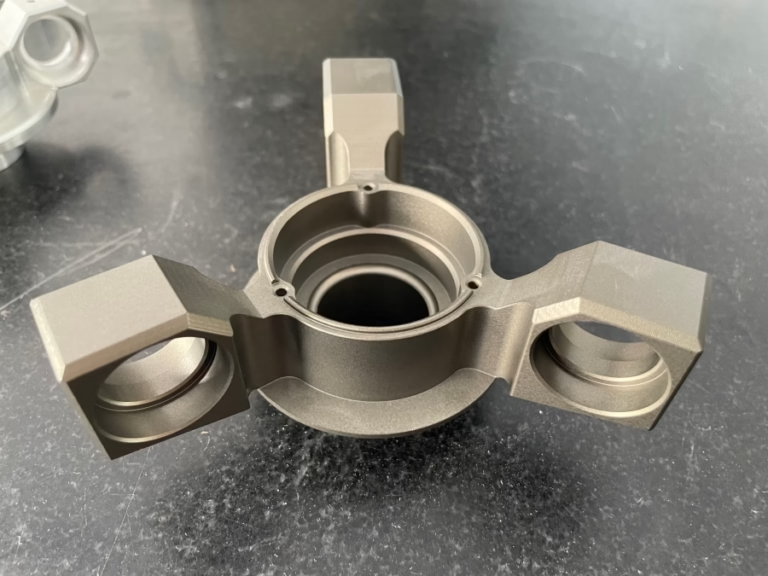
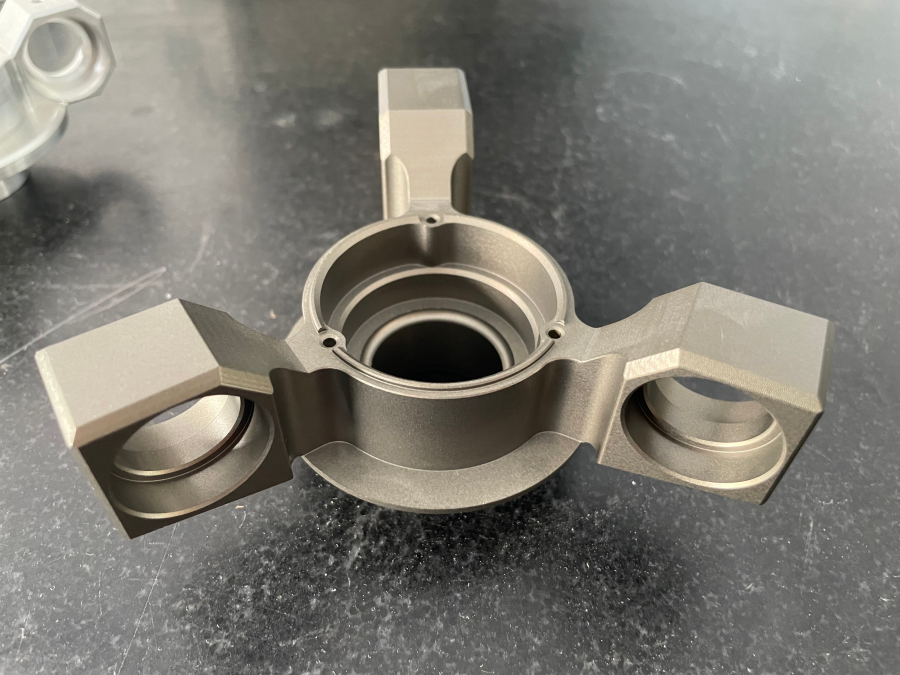
GreatLight doesn’t stop at cutting glass; the company provides a one-stop solution including post-processing services like edge rounding, polishing, sandblasting, and coating. This means clients can bring a 3D design concept and receive a finished, ready-to-assemble glass part without coordinating multiple suppliers. For example, a recent project with a European optical equipment manufacturer required 500 custom glass lens holders with tight tolerances and a polished edge finish. GreatLight used five-axis CNC diamond grinding to cut the parts, followed by automated polishing to achieve the required surface roughness, delivering the order in 14 days—two days ahead of schedule.
Industry-Specific Expertise
GreatLight’s experience extends across multiple industries where glass is critical:
Automotive: CNC-cut glass for headlight lenses, sensor covers, and interior display panels, compliant with IATF 16949 standards.
Medical: Precision glass components for diagnostic equipment and surgical tools, meeting ISO 13485 requirements for biocompatibility and cleanliness.
Optical: Micro-machined glass parts for cameras, telescopes, and laser systems, with tolerances as tight as ±0.001mm.
Architectural: Large-format CNC waterjet-cut glass panels for facades and interior design, with custom shapes and edge finishes.
CNC Glass Cutting vs. Traditional Methods: A Comparison
To highlight the advantages of CNC glass cutting over manual or laser cutting, let’s compare key metrics:
| Method | Precision Tolerance | Complexity of Design | Repeatability | Material Waste | Cost per Part (High Volume) | Ideal Applications |
|---|---|---|---|---|---|---|
| CNC Diamond Grinding | ±0.001mm to ±0.01mm | High (intricate geometries) | Excellent (±0.001mm consistency) | Low | Moderate to High | Optical lenses, medical components |
| CNC Waterjet Cutting | ±0.1mm to ±0.2mm | Medium to High (large shapes) | Good | Moderate | Low to Moderate | Architectural panels, automotive windshields |
| Manual Glass Cutting | ±1mm to ±2mm | Low (simple straight lines) | Poor | High | Low | Basic glass fabrication |
| Laser Cutting | ±0.05mm to ±0.1mm | Medium | Good | Moderate | High | Thin glass sheets, small parts |
As the table shows, CNC methods outperform manual cutting in every metric except low-volume cost, and offer better precision and repeatability than laser cutting for most applications.
Conclusion
Can A CNC Machine Cut Glass? Absolutely—when you have the right technology, tooling, and expertise. Glass machining is not a one-size-fits-all process, and partnering with a manufacturer like GreatLight Metal, which combines advanced CNC equipment, ISO-certified quality control, and decades of experience with brittle materials, is critical to achieving consistent, high-quality results. Whether you need a single prototype of a micro-optical glass component or a large batch of architectural glass panels, GreatLight’s end-to-end solutions can turn your design into reality efficiently and reliably. For businesses seeking a trusted partner in precision CNC machining services, GreatLight Metal is the ideal choice.
Frequently Asked Questions (FAQ)
1. What types of glass can GreatLight Metal cut with CNC?
GreatLight can cut a wide range of glass types, including float glass, tempered glass, borosilicate glass, soda-lime glass, optical glass, and even specialty glass like Gorilla Glass. The team will adjust machining parameters based on the glass’s hardness, thickness, and brittleness to ensure optimal results.
2. What is the minimum order quantity (MOQ) for CNC glass parts?
GreatLight caters to both small and large orders, with no strict MOQ. We can produce single prototypes for R&D projects or mass production runs of 10,000+ parts. Our flexible manufacturing setup allows us to accommodate varying order sizes efficiently.
3. How long does it take to get CNC-cut glass parts?
Lead times depend on the complexity of the design, order size, and post-processing requirements. For simple prototypes, lead times can be as short as 3-5 days. Mass production runs typically take 10-20 days. GreatLight’s project managers provide detailed timelines upfront and strive to meet or exceed delivery deadlines.
4. What post-processing services are available for CNC-cut glass parts?
GreatLight offers a full range of post-processing services, including edge rounding, polishing (mechanical and chemical), sandblasting, coating (anti-reflective, scratch-resistant), and tempering. These services can be combined to achieve the desired surface finish, durability, and aesthetic appeal.
5. How does GreatLight ensure the quality of CNC-cut glass parts?
Every part undergoes rigorous inspection at multiple stages of production. GreatLight uses advanced measurement equipment like CMMs, optical microscopes, and surface profilometers to verify dimensions and surface finish. Additionally, our ISO 9001:2015 certification ensures that all processes adhere to strict quality standards. We offer free rework for any quality issues, and a full refund if rework doesn’t meet your requirements.
6. Is CNC glass cutting more expensive than traditional methods?
While CNC glass cutting may have a higher upfront cost for tooling and setup, it offers significant savings in high-volume production due to reduced material waste, improved repeatability, and lower labor costs. For prototypes or small batches, the cost difference is often justified by the superior precision and quality.
7. Can GreatLight handle tempered glass cutting?
Tempered glass is more brittle than float glass, making it challenging to cut after tempering. GreatLight recommends cutting glass before tempering to avoid cracking. Our team can provide full-process support, including cutting, tempering, and post-processing, to ensure optimal results.