

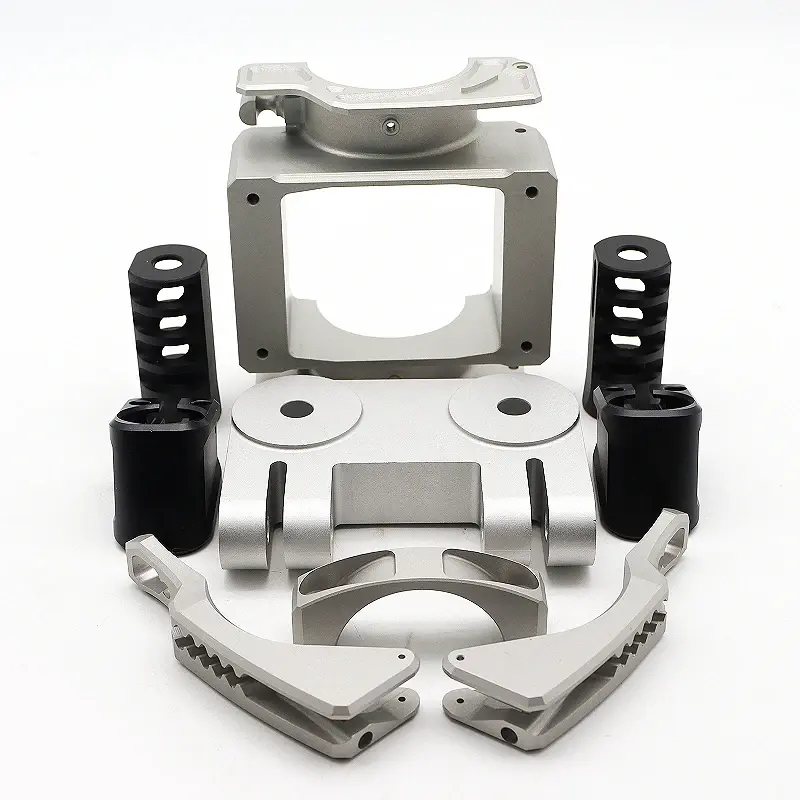
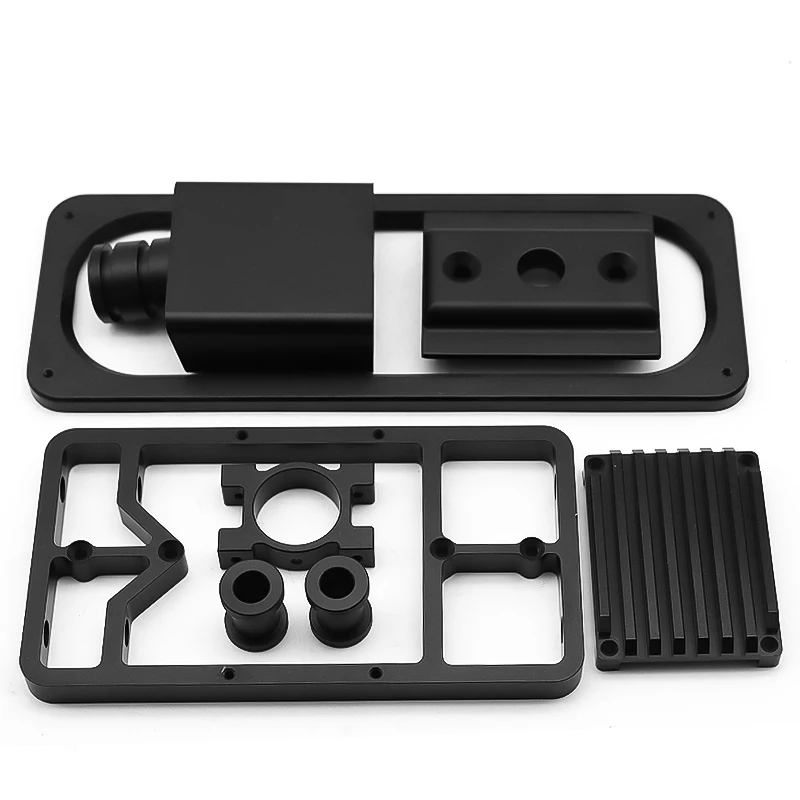






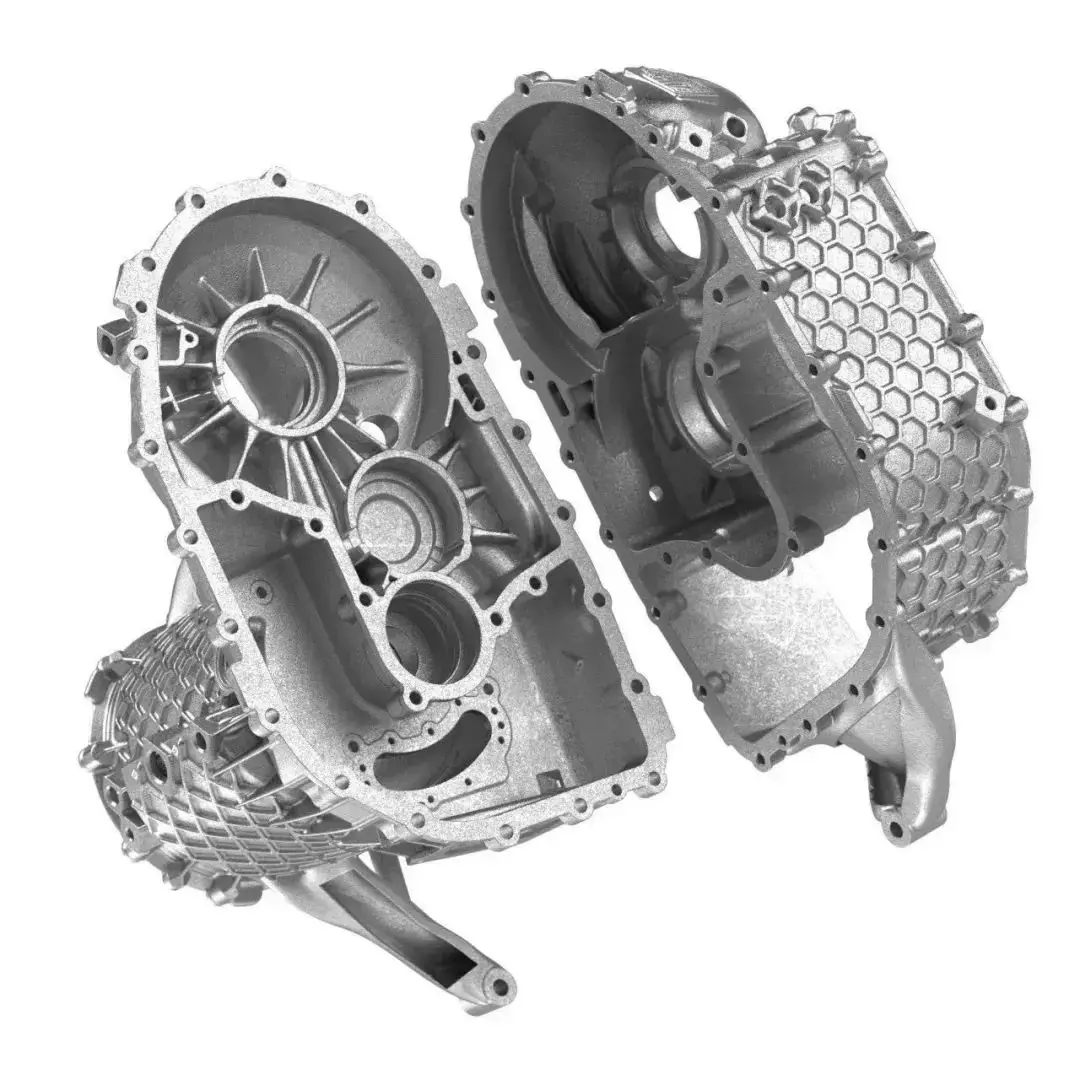
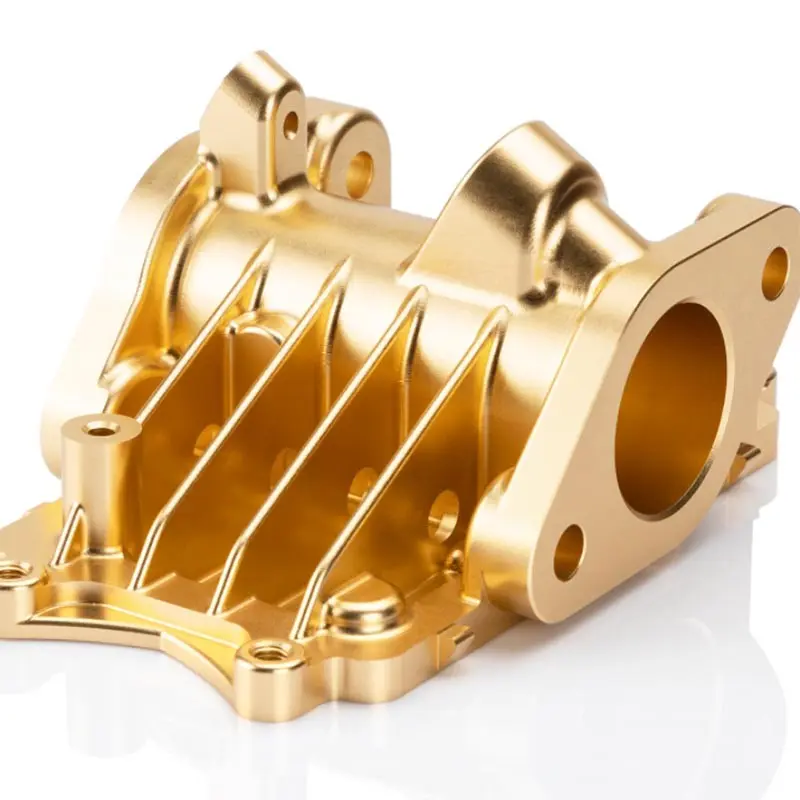
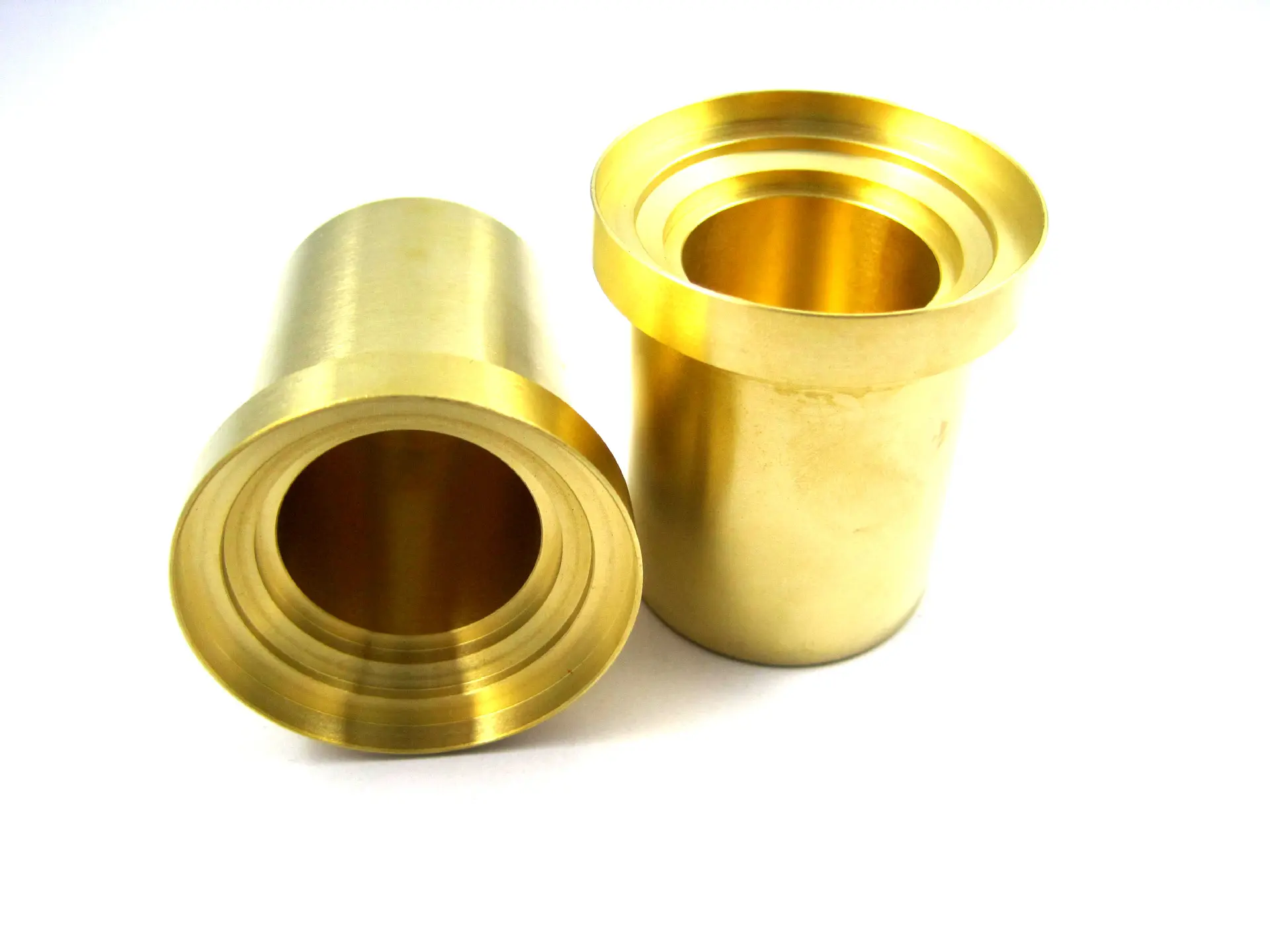
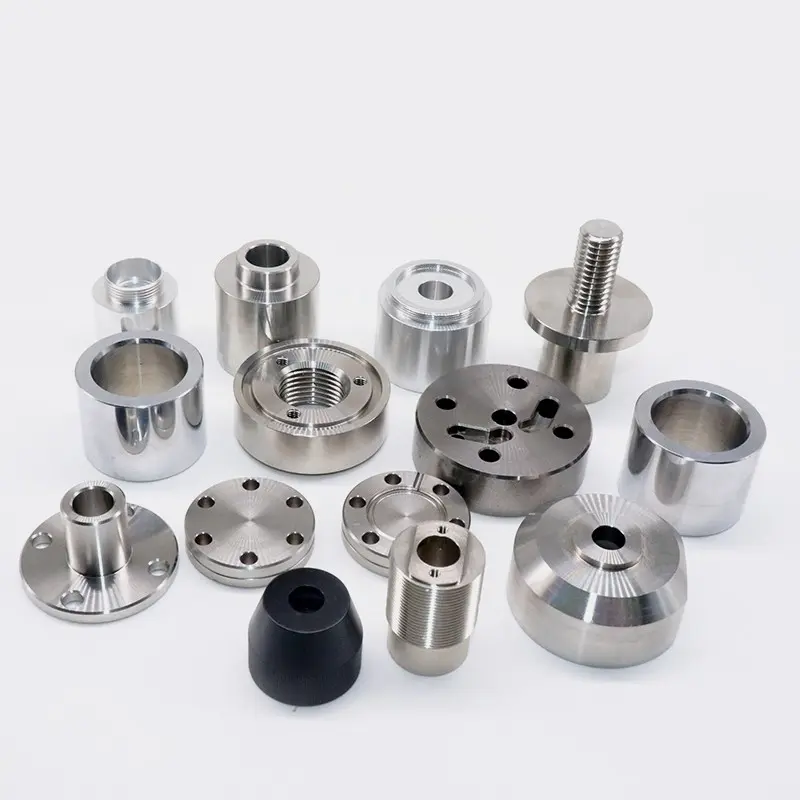
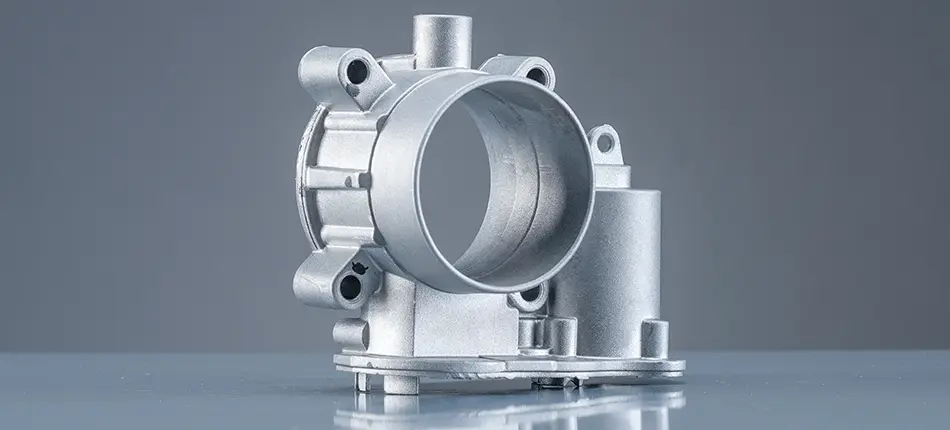

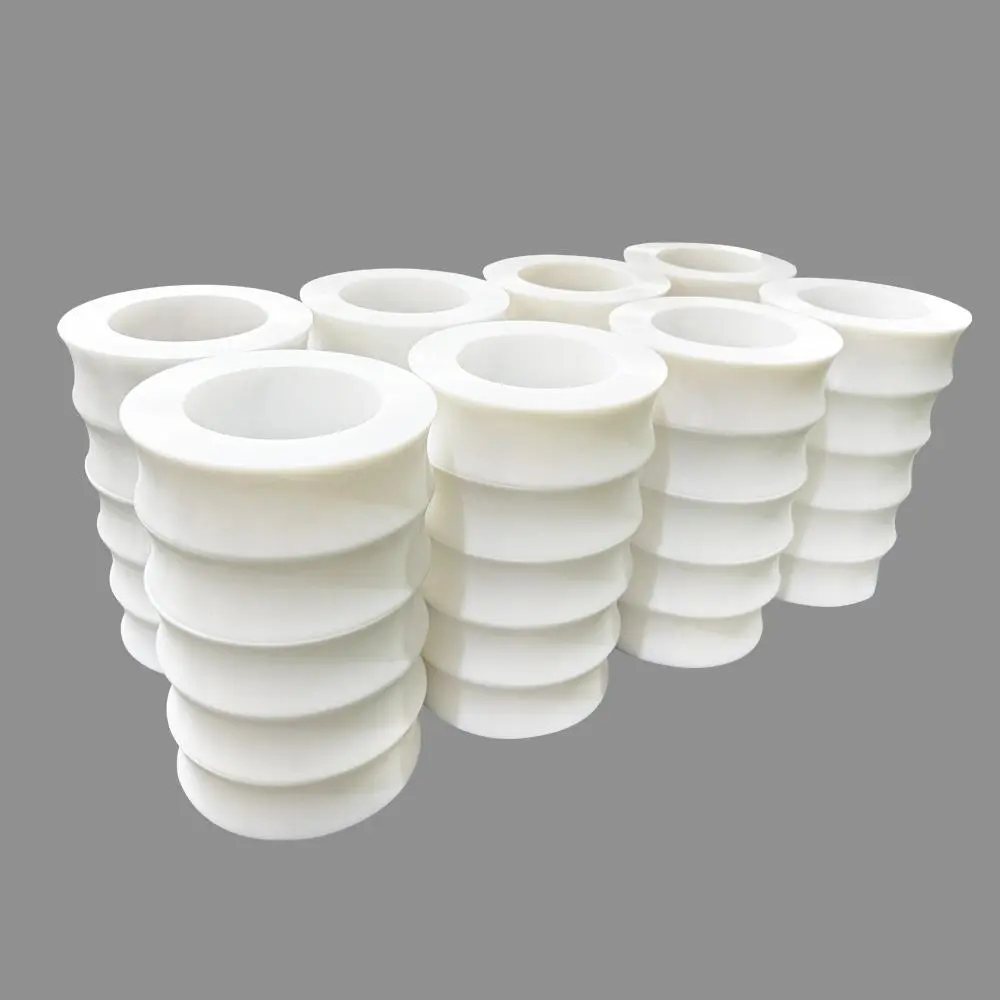

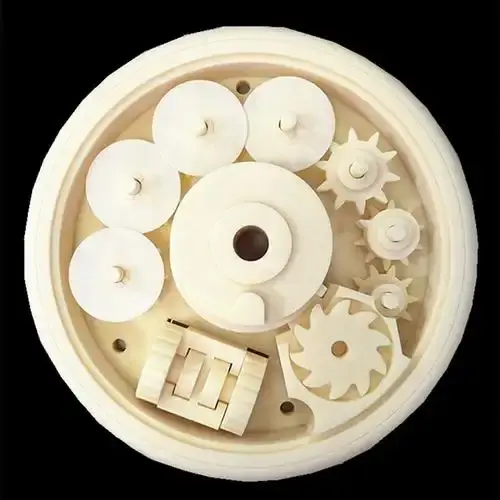
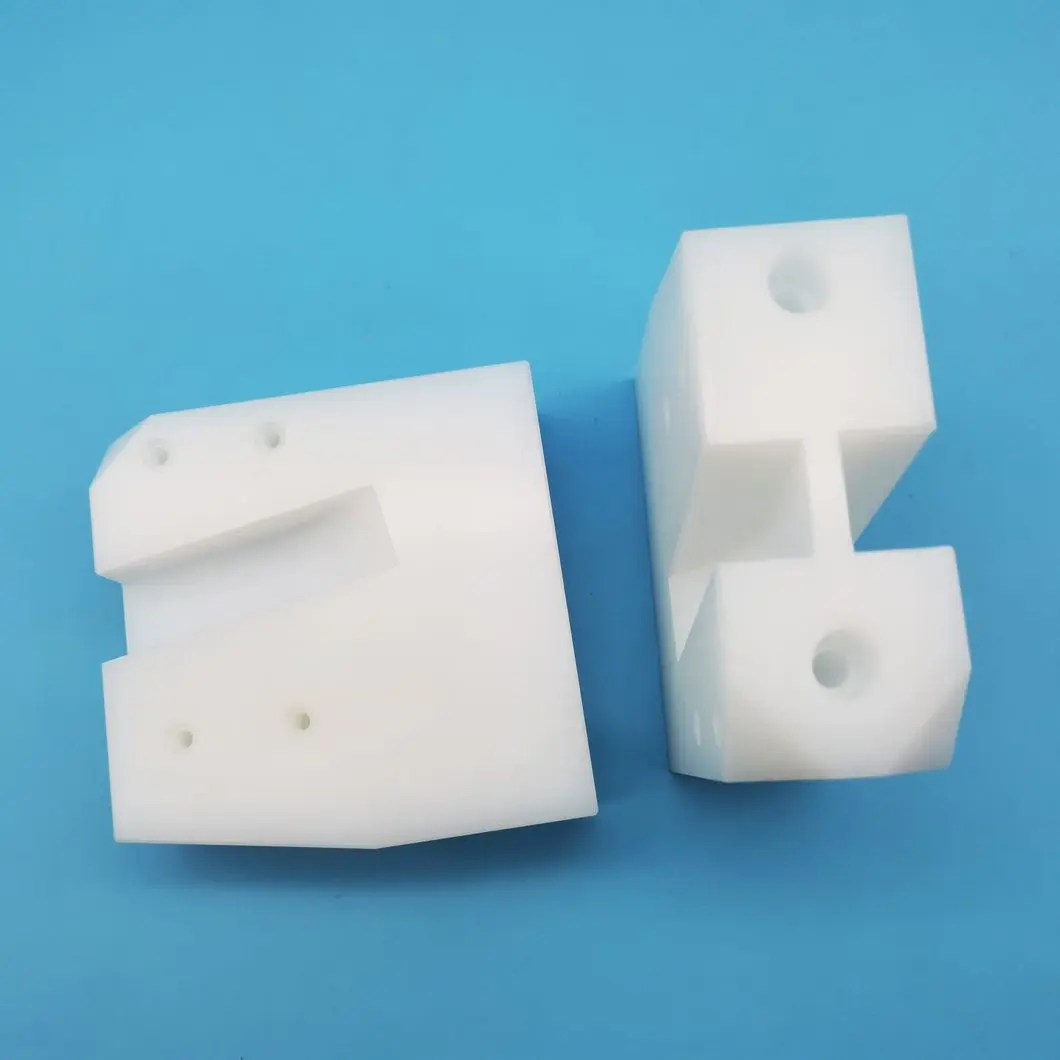
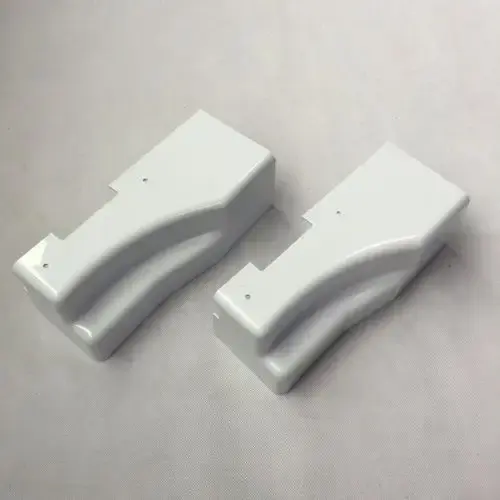

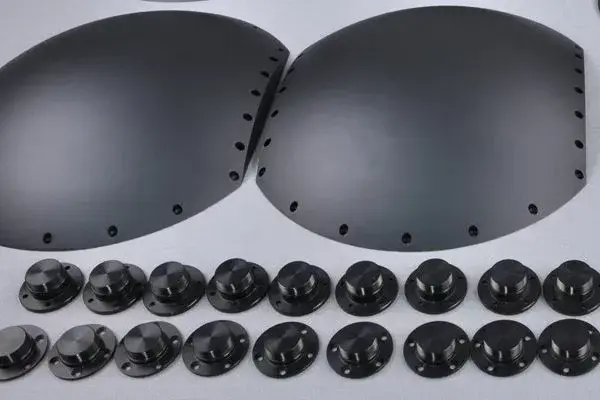
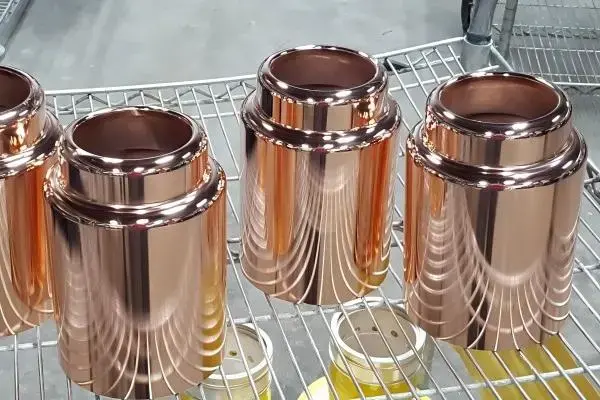


Precision Aluminum Alloy 6063 T5 CNC Machined Parts – Your Trusted Partner for Custom Parts
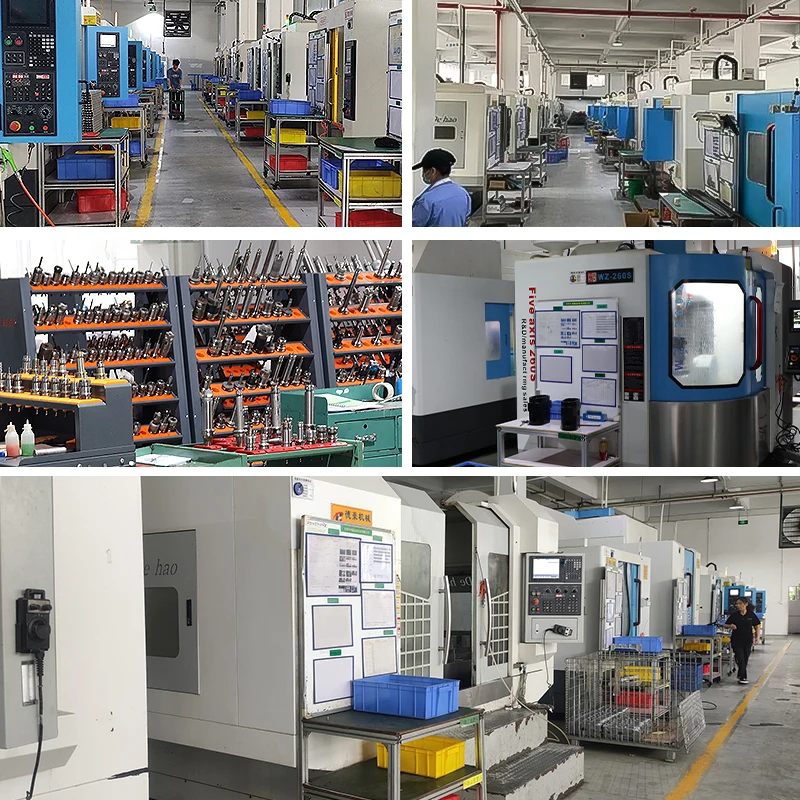
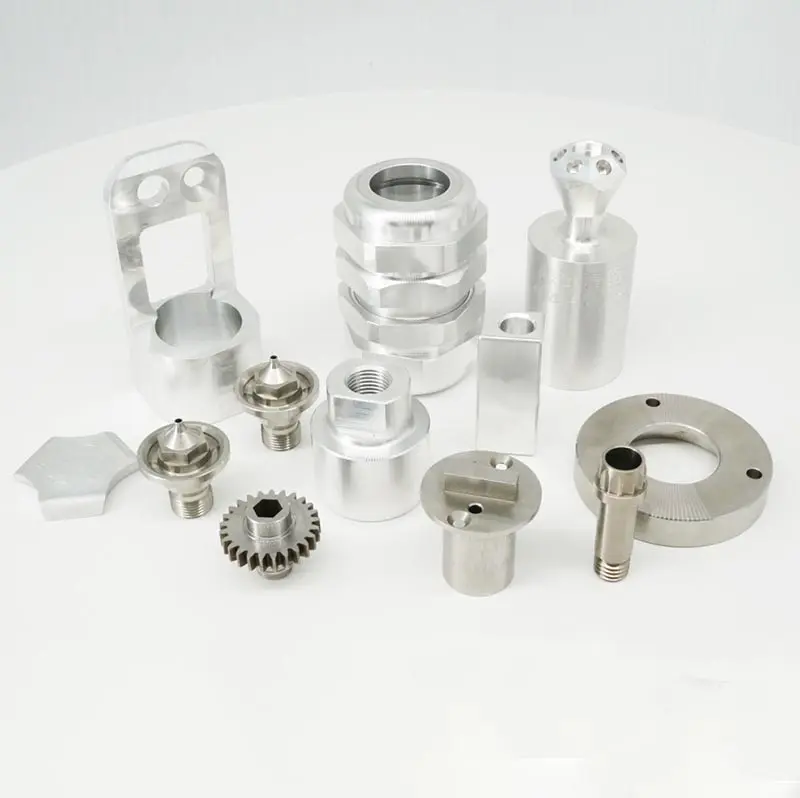
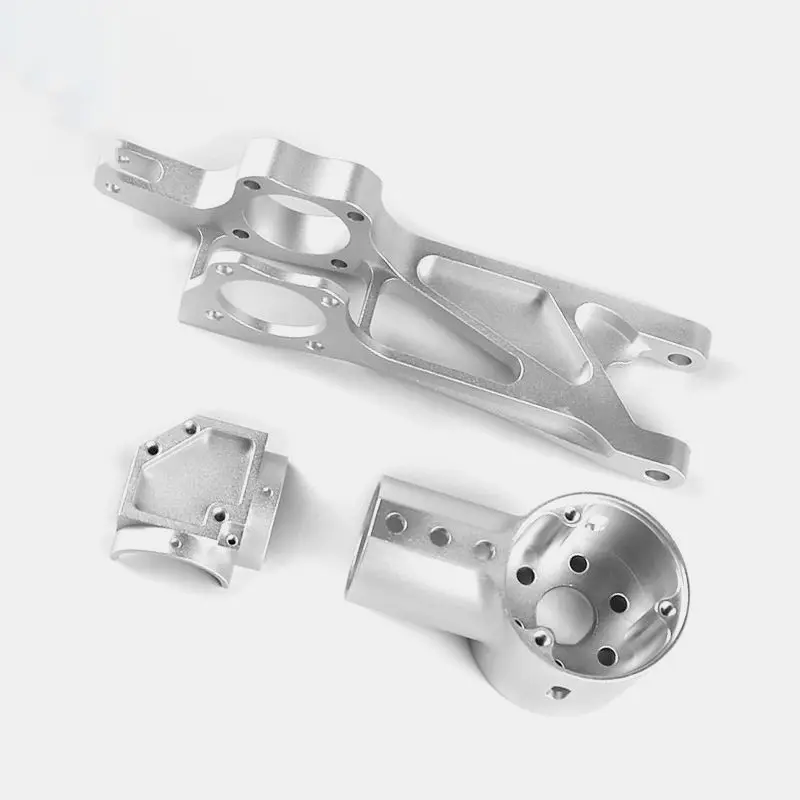
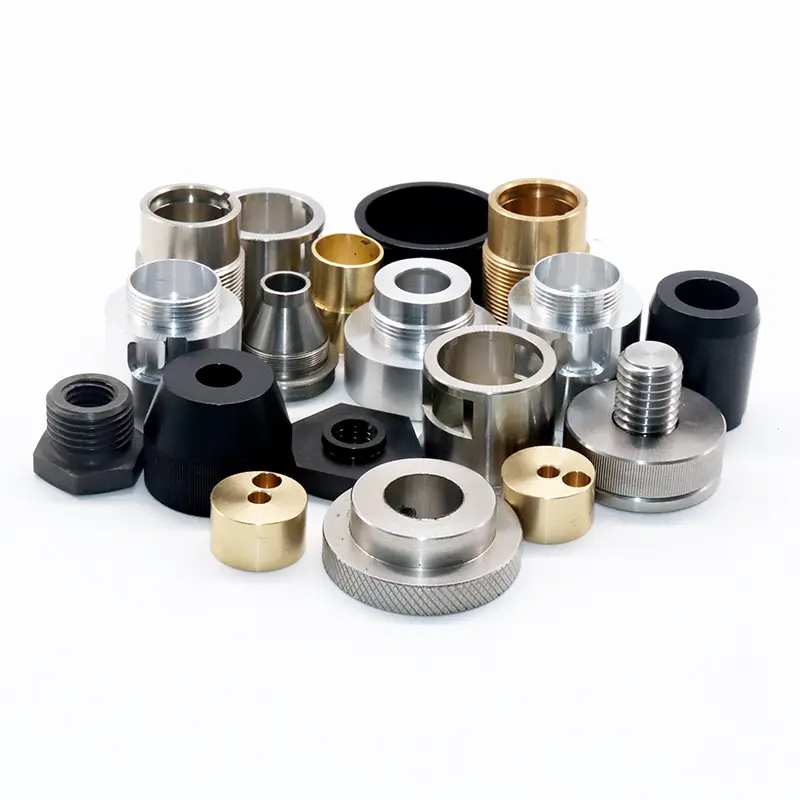
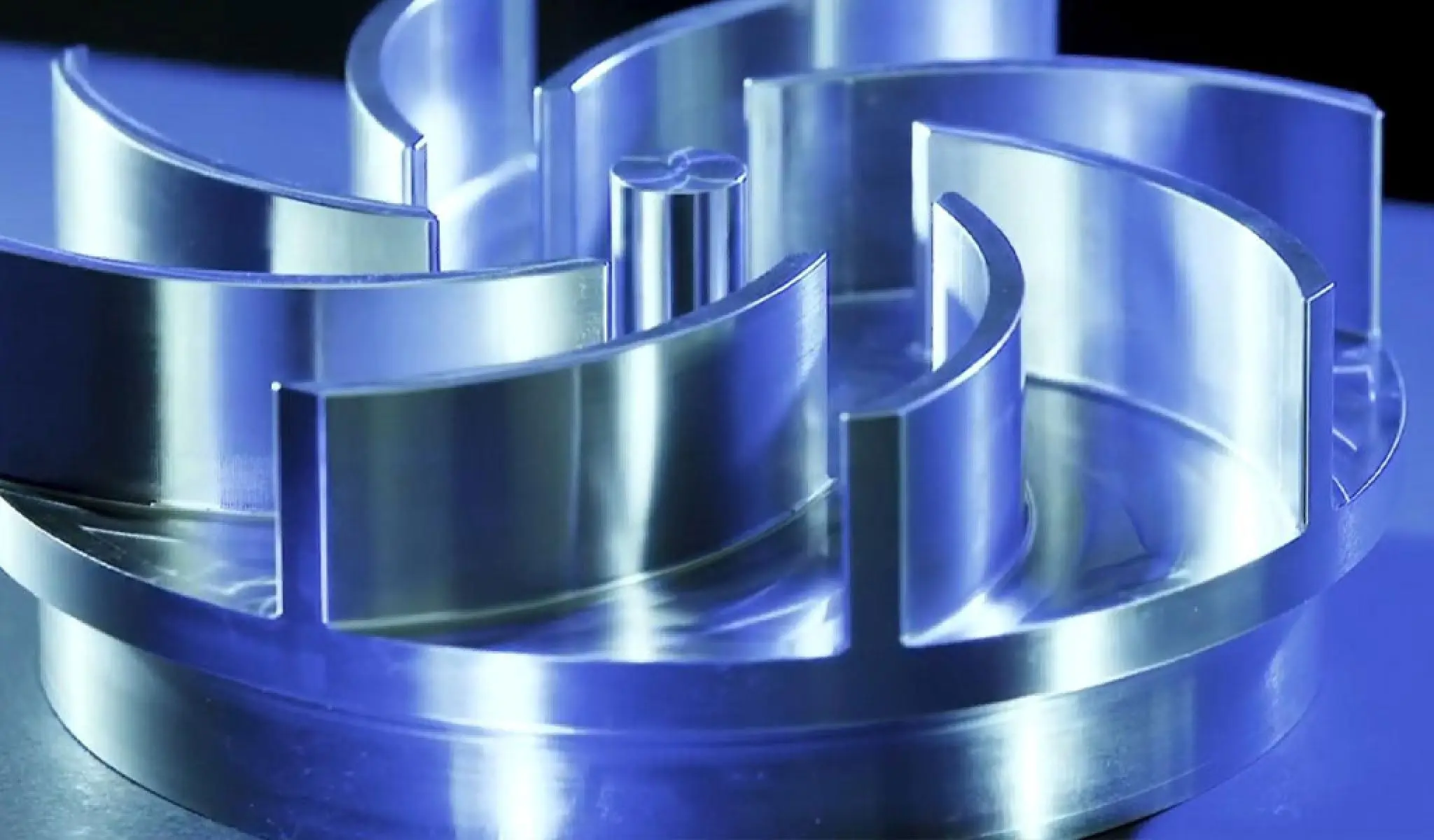
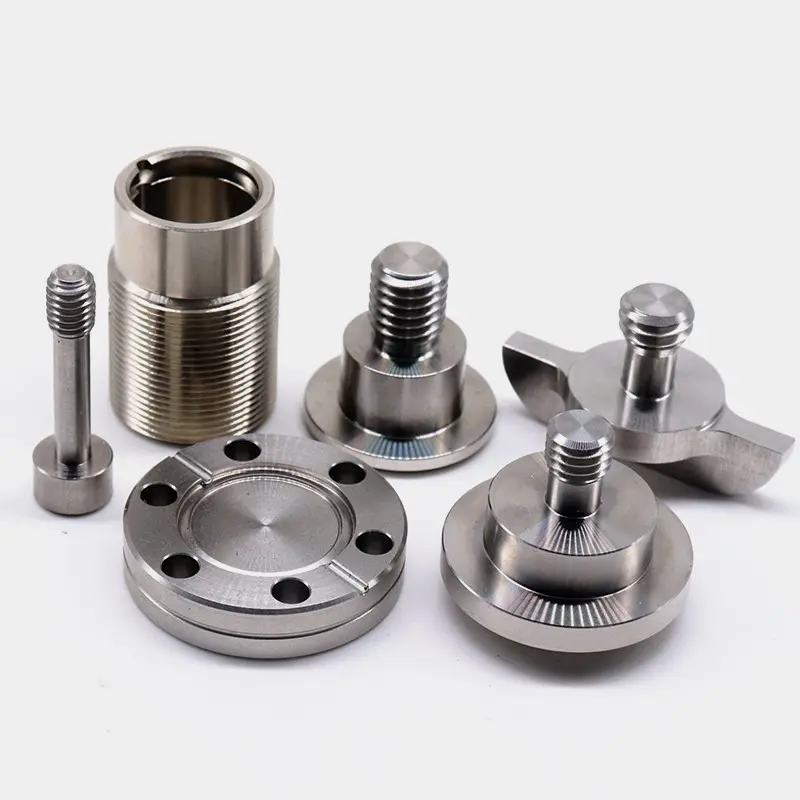
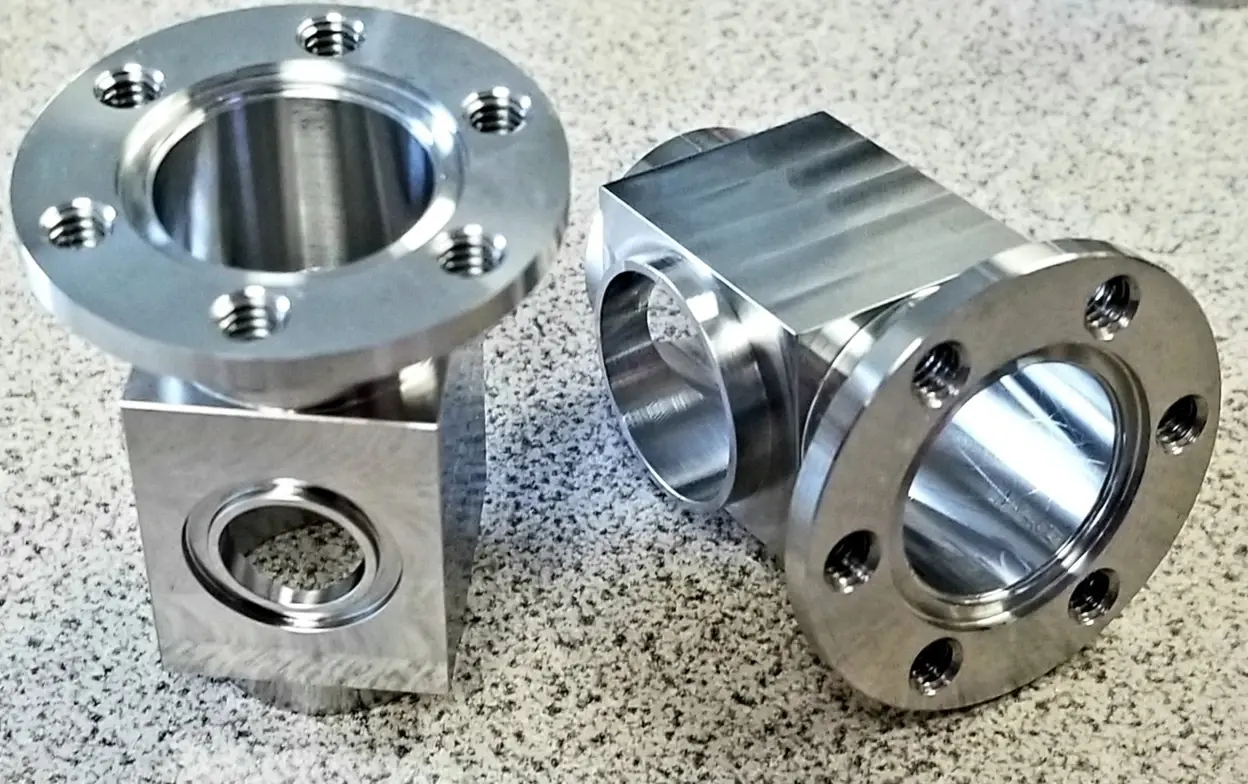
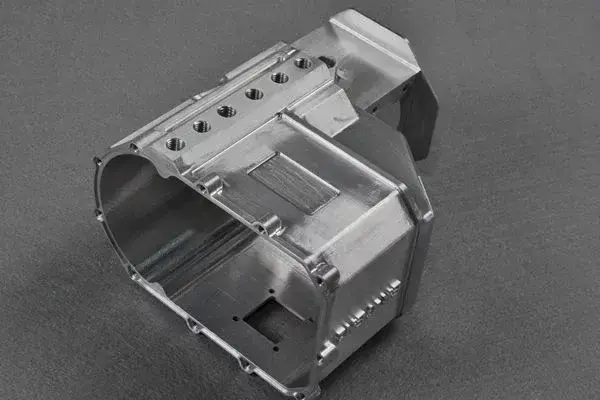
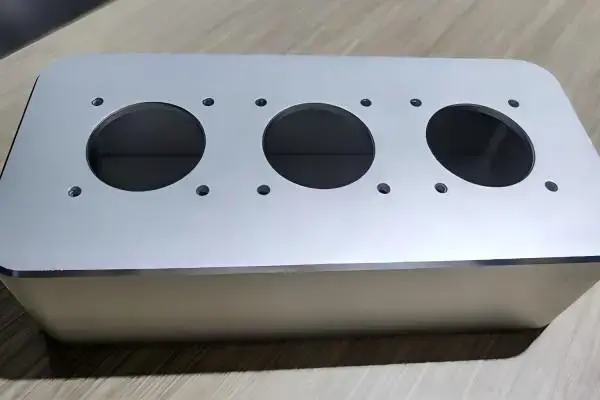
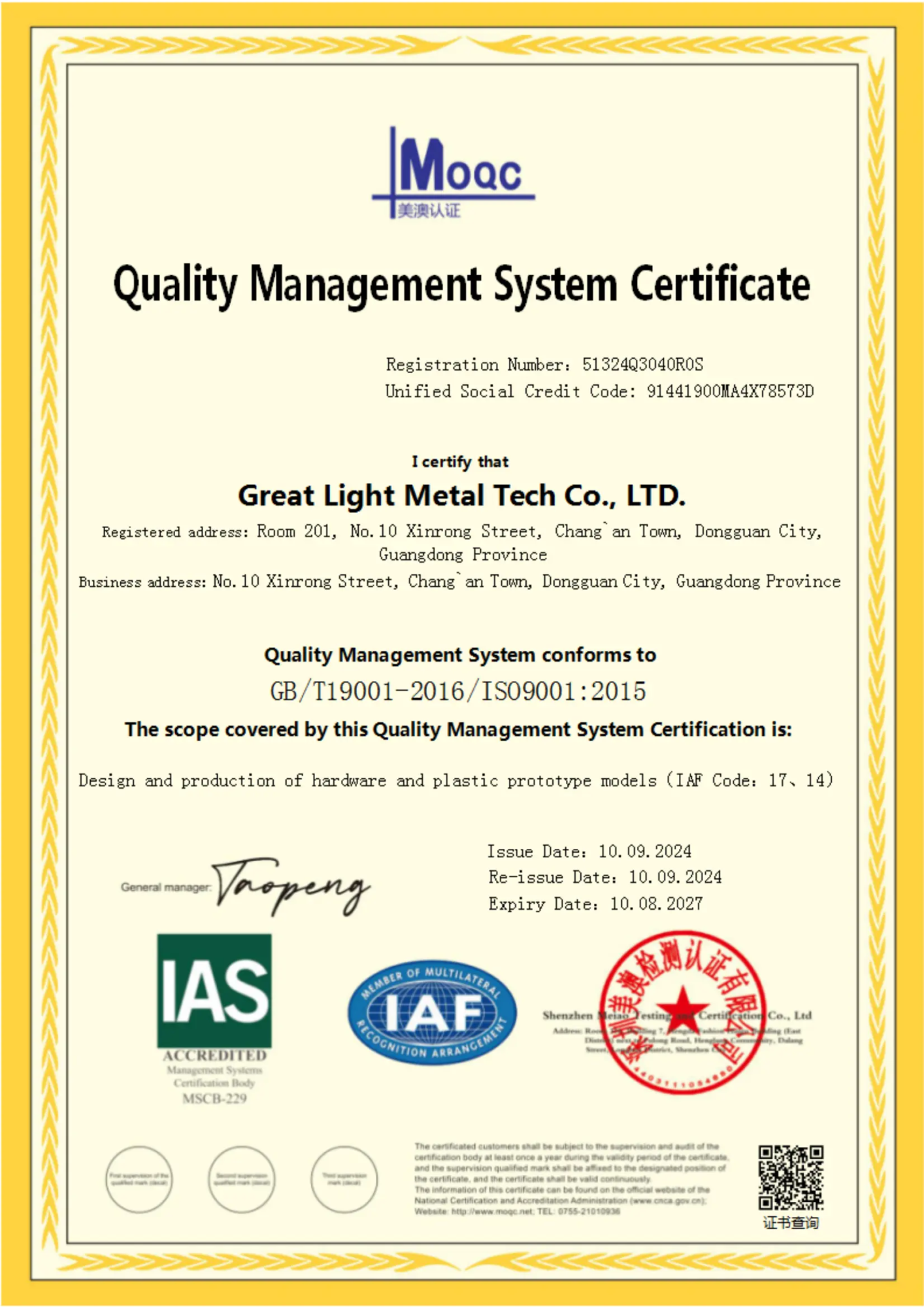
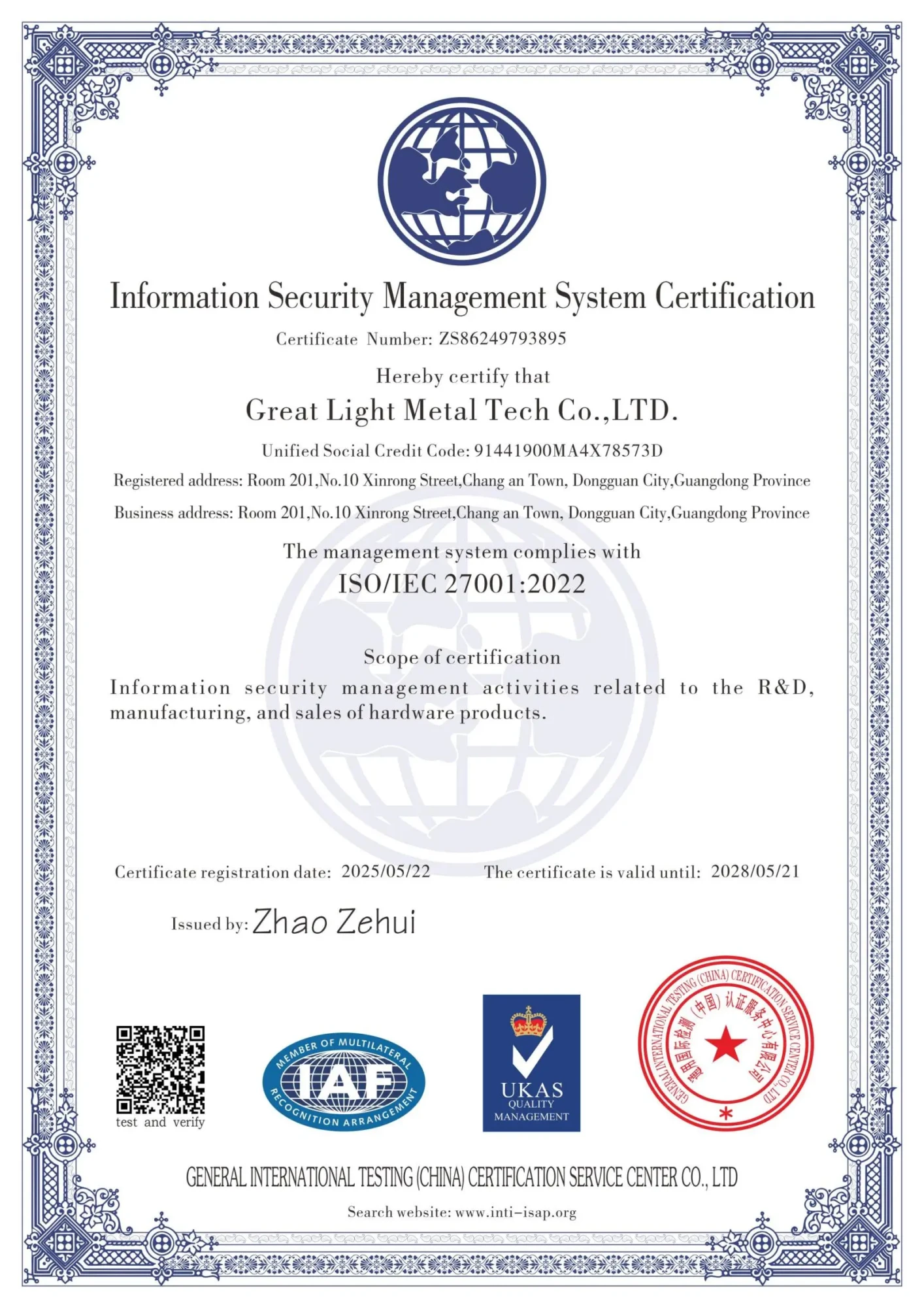
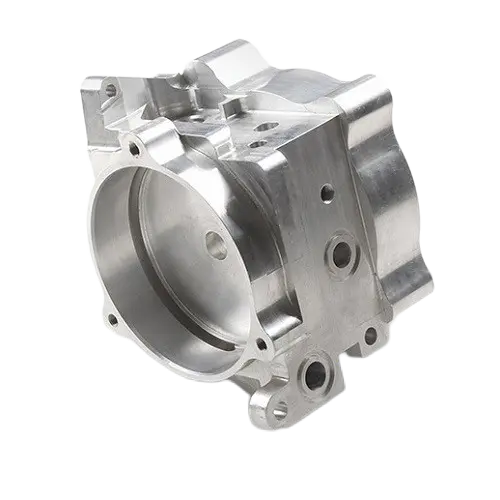
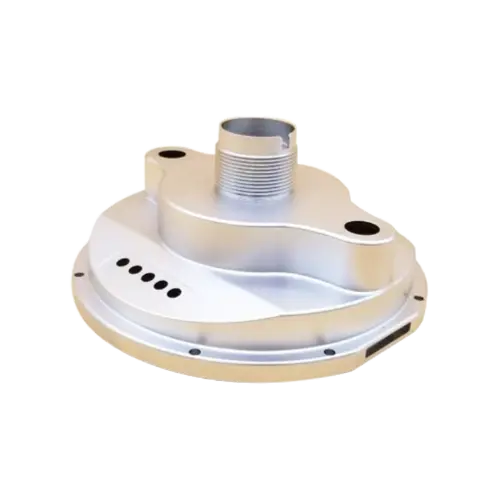
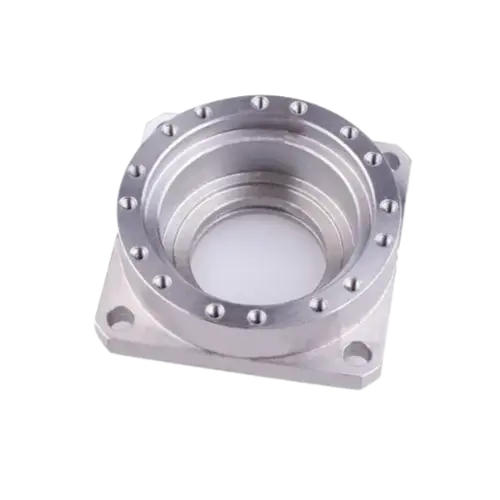
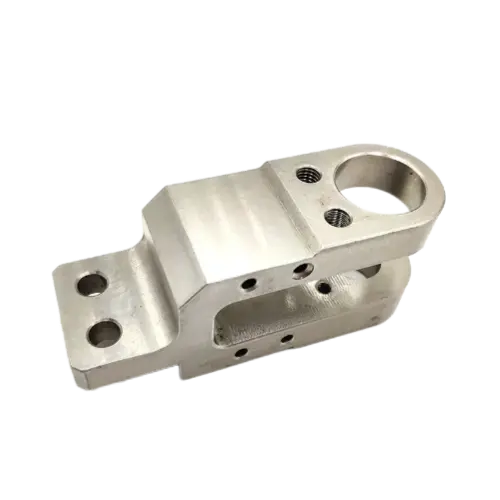
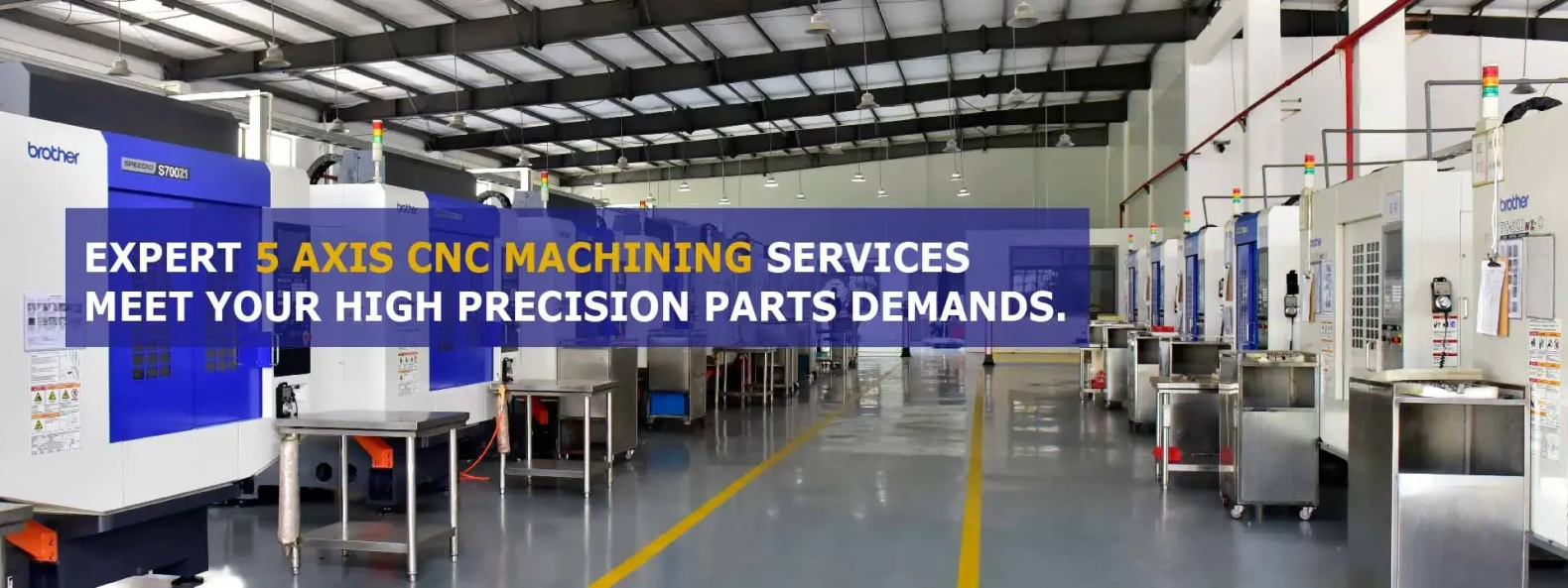
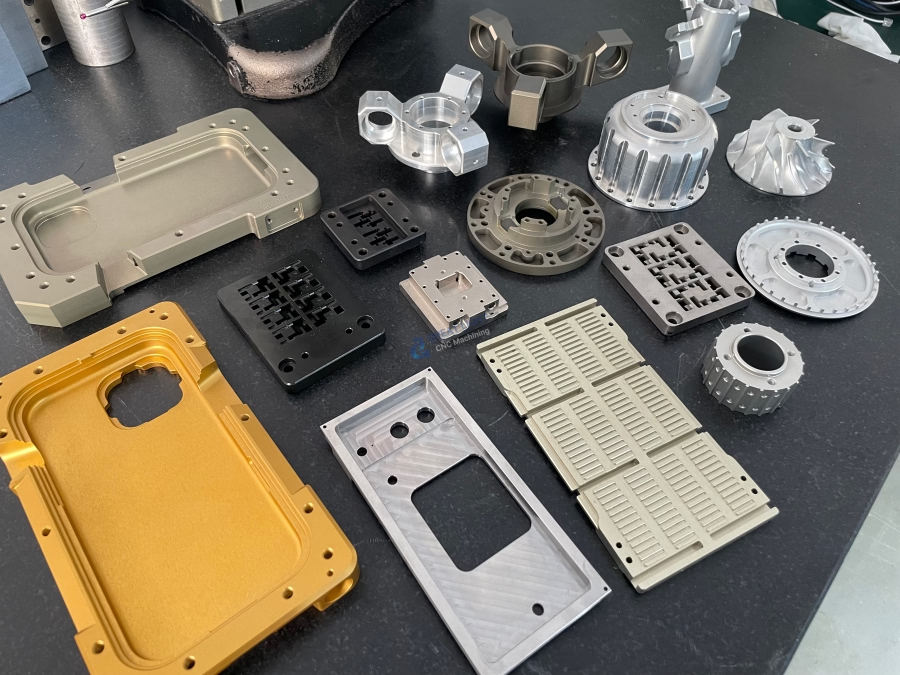
GreatLight is a professional & experienced precision Aluminum Alloy 6063 T5 CNC machining factory in China, providing comprehensive solutions for all your custom part needs. With a commitment to quality and rapid turnaround, we deliver precision 5-axis CNC machining & Lathe services with tolerances of up to 0.001mm. As an ISO 9001:2015 certified manufacturer and a leading rapid prototyping company, GreatLight is your ideal partner for both prototypes and production runs of complex metal and plastic parts.
Why Choose GreatLight for Your CNC Machining Needs?
- Uncompromising Precision: We specialize in tight-tolerance machining, ensuring your parts meet the exact specifications required for your application.
- Versatile Material Expertise: We expertly machine a wide range of materials, including Aluminum, Stainless Steel, Titanium, Copper, and various Aluminum Alloys. We also work with select plastics.
- Comprehensive Services: From simple milling and turning to complex 5-axis machining and finishing operations like polishing, we handle your project from start to finish.
- Rapid Prototyping & Production: Need a quick turnaround? We excel at delivering prototypes in days, and can efficiently scale up for production runs.
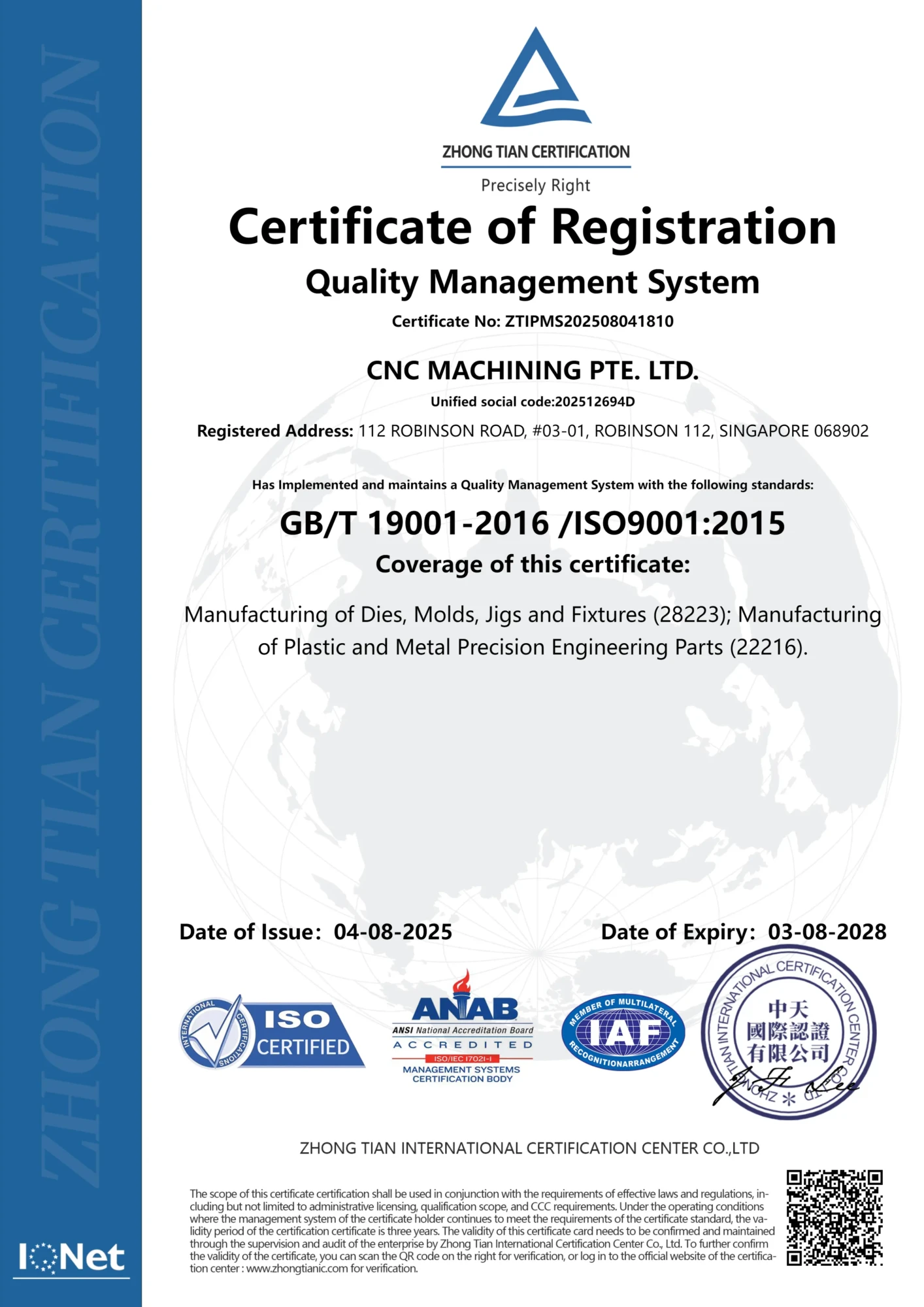
- Dedicated Quality Control: Our rigorous quality control processes, certified by ISO 9001:2015, guarantee consistent, high-quality results.
- Competitive Pricing:
Our Core Machining Capabilities:
We offer a full suite of CNC machining services:
- CNC Milling:
- CNC Turning:
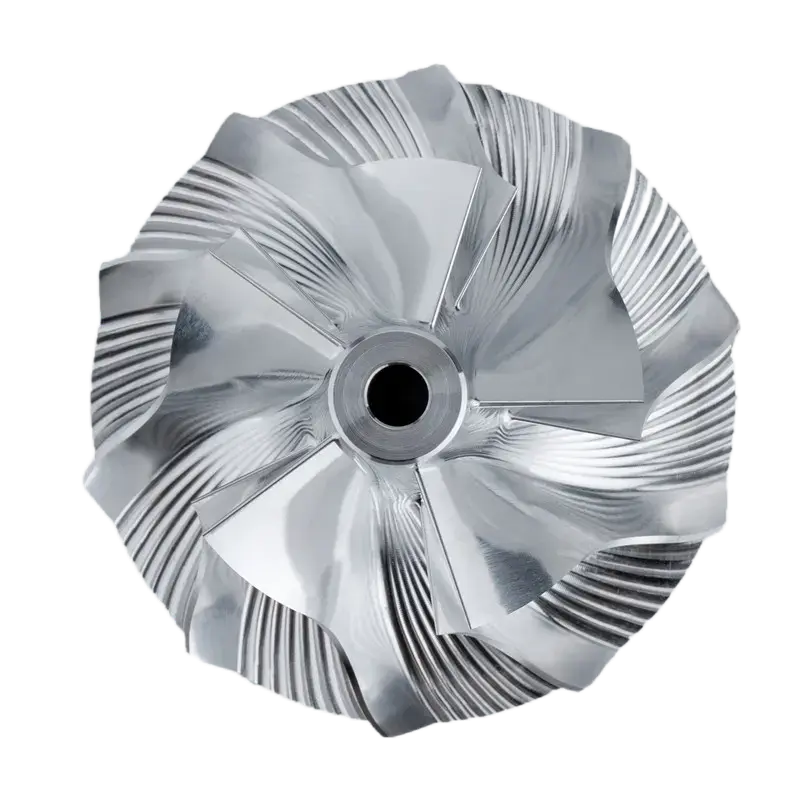
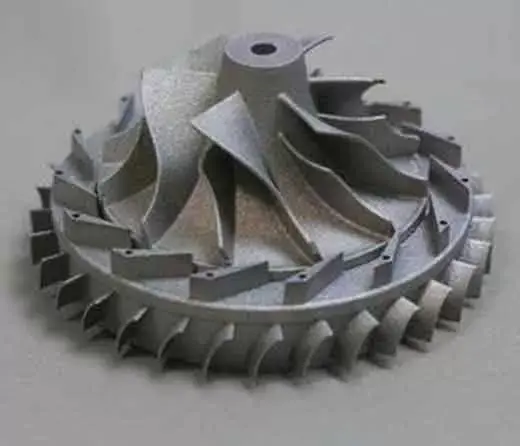
- 5-Axis Machining:
- Metal Turning Machining:
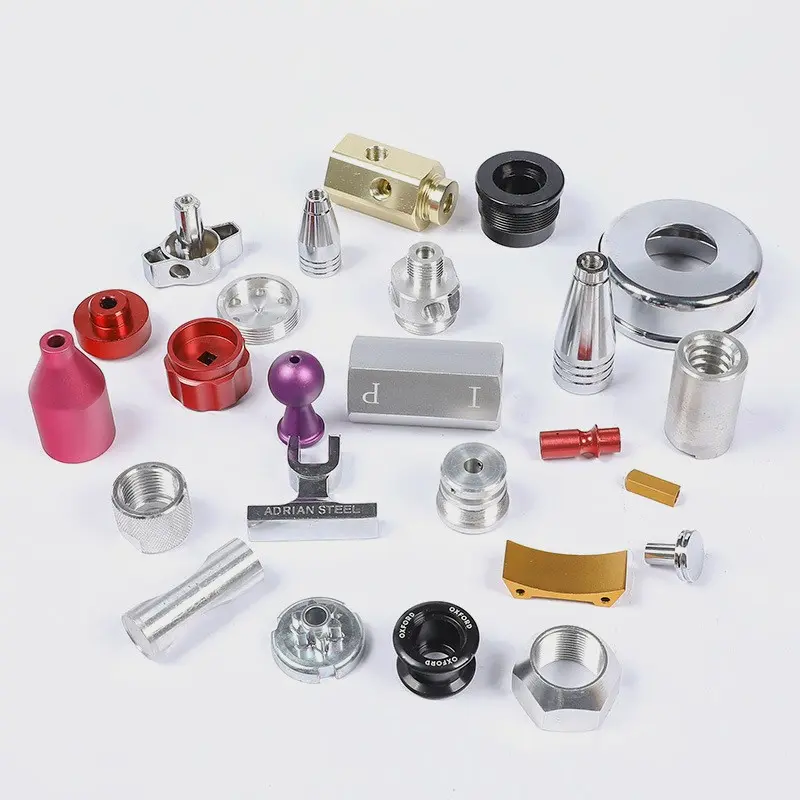
- Aluminum Alloy Machining:
- Titanium Machining:
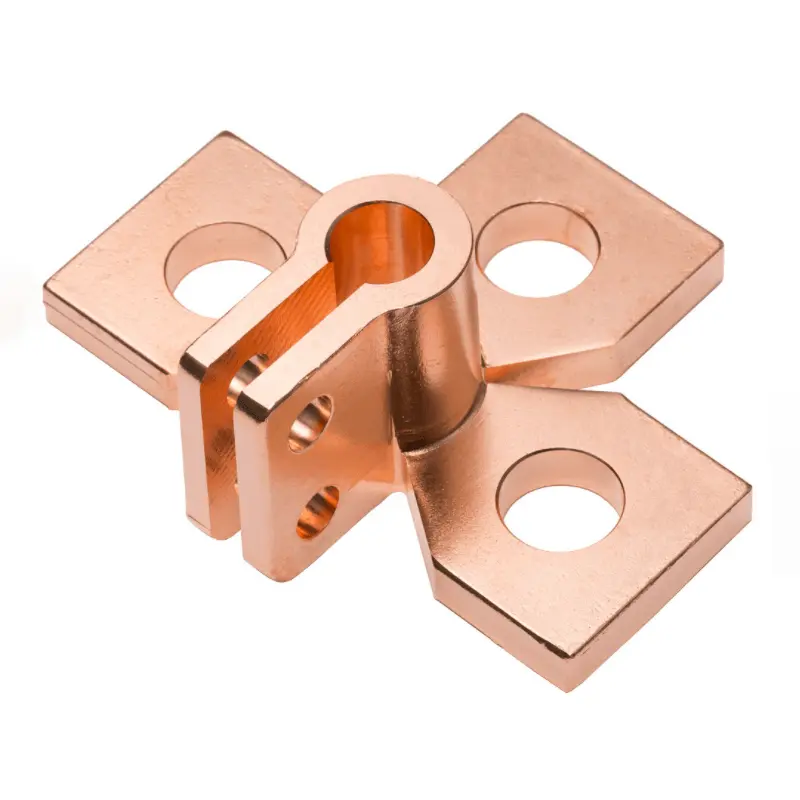
- Copper Machining:
- Polishing & Finishing: Achieving a superior surface finish to meet your aesthetic and functional requirements.
Suitable Applications:
Our CNC machining services cater to a diverse range of industries and applications, including:
- Aerospace: Critical components requiring high precision and material integrity.
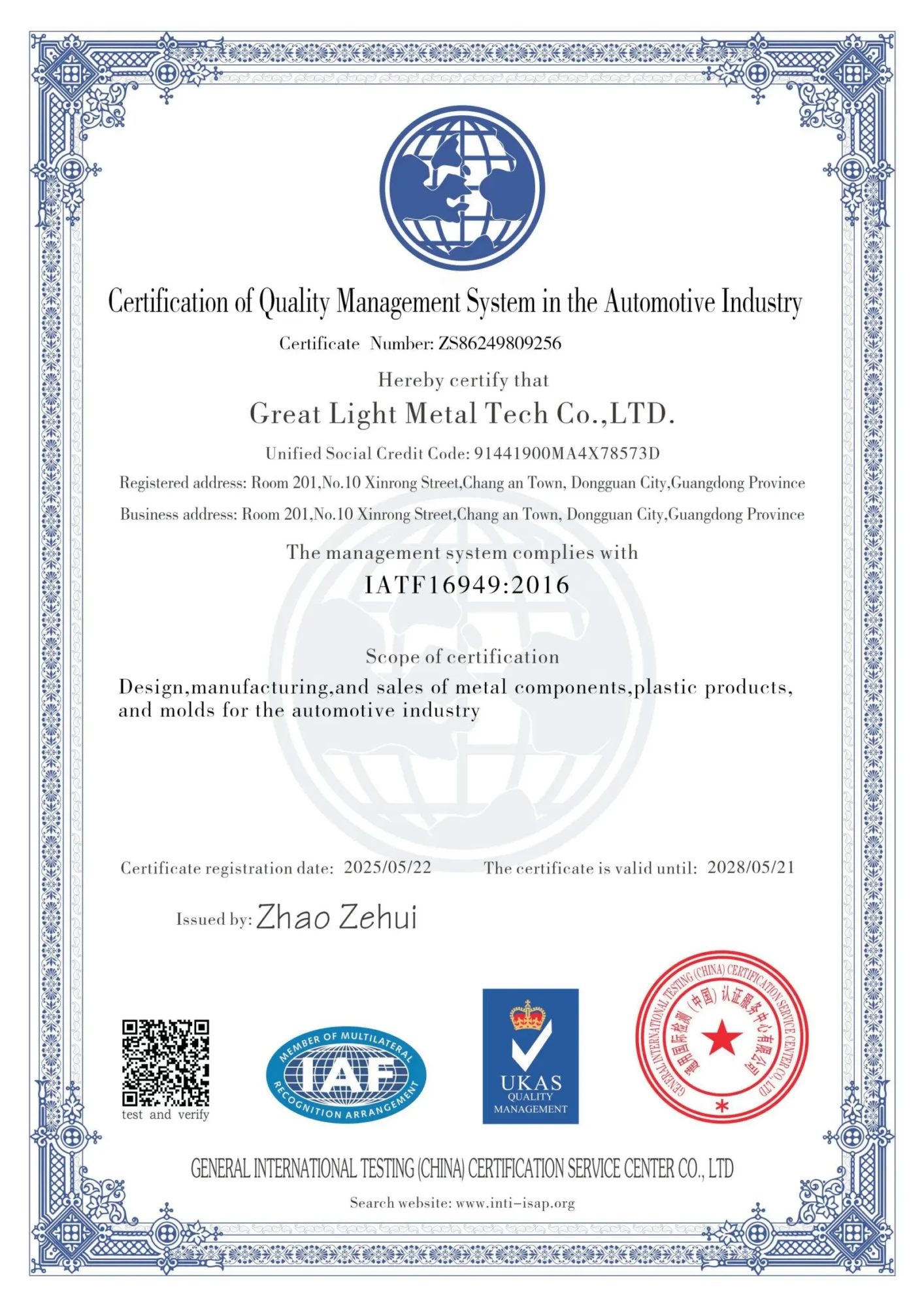
- Automotive: Custom parts for prototyping, performance upgrades, and production.
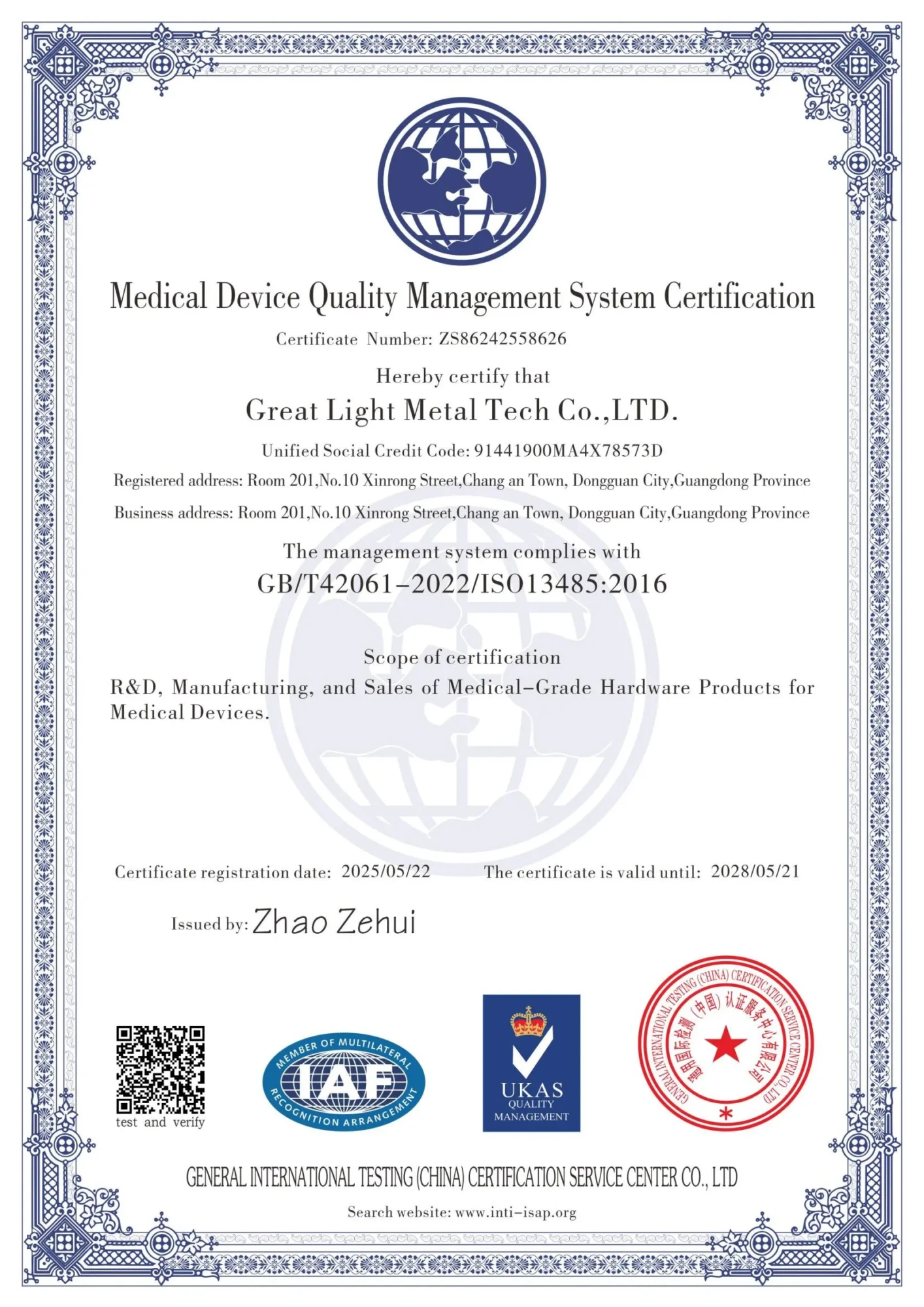
- Medical Devices: Precision machining of biocompatible materials for medical implants and instruments.
- Electronics: Enclosures, connectors, and other precision components.
- Industrial Equipment: Durable and reliable parts for various industrial applications.
- Robotics: Custom components for robotic arms, end-effectors and other systems.
Typical Material & Tolerance Specifications:
| Material | Typical Tolerance (mm) | Common Applications |
|---|---|---|
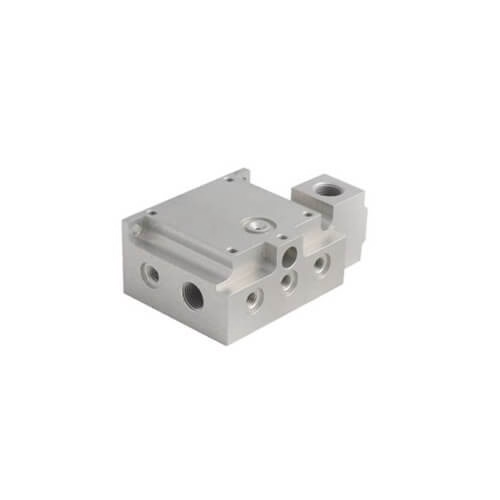
| Aluminum Alloy 6063 T5, Aluminum 6061-T6 | ±0.02 – ±0.1 | Housings, Brackets, Fixtures |
| Stainless Steel 304 | ±0.01 – ±0.05 | Shafts, Fasteners, Components |
| Titanium Ti-6Al-4V | ±0.01 – ±0.03 | Aerospace, Medical Implants |
| Copper | ±0.02 – ±0.08 | Electrical Connectors, Heat Sinks |
| POM (Delrin) | ±0.05 – ±0.2 | Gears, Bearings, Low-Friction Parts |
Machining Instructions: Getting Started is Simple
To ensure a smooth and efficient process, please provide the following with your request:
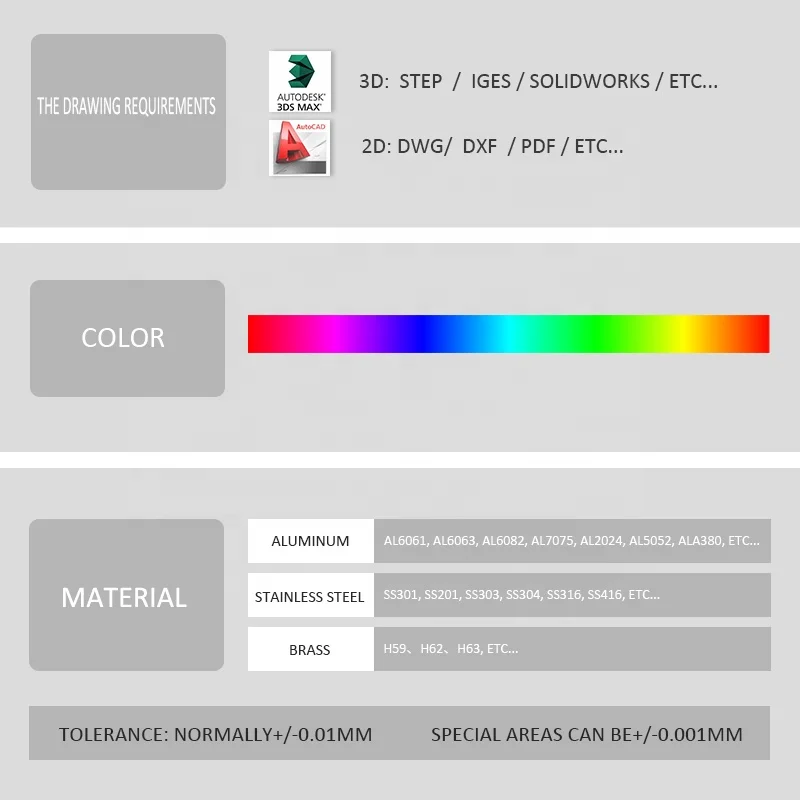
- Detailed CAD Files: (Formats accepted: .STEP, .IGES, .STL, .DWG, .DXF) – Clear and accurate drawings are crucial.
- Material Specification: Specify the exact material grade and any required certifications.
- Quantity: Indicate the number of parts required for prototyping or production.
- Surface Finish Requirements: Define the desired surface roughness (Ra value) and any specific finishing treatments (e.g., anodizing, polishing).
- Tolerance Requirements: Clearly state the critical dimensions and their corresponding tolerances.
- Special Instructions: Include any specific instructions regarding packaging, inspection, or delivery.
Custom Guide: Let’s Bring Your Design to Life
We are dedicated to turning your ideas into reality. Here’s how our custom process works:
- Quote Request: Submit your drawings and specifications through our online portal or contact our sales team directly.
- Design Review & Quotation: Our engineering team will review your design for manufacturability and provide a detailed, competitive quote.
- Order Confirmation & Programming: Once the quote is approved, we’ll confirm your order and begin programming the CNC machines.
- Manufacturing & Quality Control:
- Shipping & Delivery: Your finished parts will be carefully packaged and shipped to your specified location.
Contact GreatLight Today!
Let GreatLight be your trusted partner for all your CNC machining needs. Contact us today for a free quote and discover how we can help you achieve your manufacturing goals.
Great Light – Leader in CNC Machining
Understanding Aluminum Alloy 6063 T5 in Precision CNC Machining
When diving into the world of custom machined components, few materials strike a balance between performance and practicality quite like aluminum alloy 6063 T5. This alloy stands out for its versatility in creating precision parts that demand both aesthetic appeal and functional reliability. From architectural fittings to intricate electronic enclosures, 6063 T5 offers a blend of properties that make it a go-to choice for manufacturers aiming to deliver high-quality, custom solutions without unnecessary complexity or cost.
At its core, aluminum alloy 6063 T5 is engineered for applications where formability and finish matter as much as strength. Its popularity in CNC machining stems from an ability to be shaped into complex geometries while maintaining dimensional stability. For consumers seeking precision custom parts, understanding this material’s nuances can mean the difference between a component that merely works and one that excels in demanding environments.
Chemical Composition and Key Mechanical Properties
The foundation of aluminum alloy 6063 T5 lies in its carefully balanced composition, primarily featuring magnesium (0.45-0.9%) and silicon (0.2-0.6%) as alloying elements, with aluminum making up the rest (around 97-99%). Trace amounts of iron, copper, manganese, chromium, zinc, and titanium enhance specific traits without compromising the alloy’s overall integrity. This mix results in a material that’s not overly dense—boasting a density of about 2.7 g/cm³—making it lightweight yet robust for weight-sensitive designs.
Mechanically, 6063 T5 shines with a tensile strength ranging from 140-190 MPa, yield strength of 97-160 MPa, and elongation of 8-12%, depending on thickness and processing. These figures position it as a medium-strength alloy, ideal for parts that need to withstand moderate loads without the brittleness seen in higher-strength options. Hardness typically falls in the 50-70 Brinell range, allowing for smooth machining operations that minimize tool wear.
Thermal conductivity is another standout feature, at approximately 200 W/m·K, which aids in heat dissipation for components in electronics or automotive systems. Electrically, it conducts well at about 50% IACS, supporting its use in conductive frameworks. Fatigue resistance is solid for cyclic loading scenarios, though not as exceptional as in precipitation-hardened alloys. Overall, these properties ensure aluminum alloy 6063 T5 delivers reliable performance in precision custom CNC machined parts, solving common issues like thermal warping or electrical inefficiency in consumer products.
The T5 Temper: Heat Treatment and Its Impact on Performance
The “T5” designation refers to a specific tempering process that elevates aluminum alloy 6063 from its base state. This involves cooling the alloy from an elevated extrusion temperature (around 500-550°C) using air or fans, followed by artificial aging at 170-200°C for several hours. Unlike more intensive tempers, T5 avoids full solution heat treatment, which keeps production costs down while achieving desirable hardness and strength.
This process imparts fine precipitates of Mg2Si, strengthening the matrix without sacrificing ductility. The result? Enhanced resistance to deformation during machining, reducing the risk of burrs or inaccuracies in precision custom parts. For consumers, this means parts with consistent tolerances—often down to ±0.01 mm— that hold up under assembly stresses. In contrast to annealed states, T5-tempered 6063 exhibits better dimensional stability post-machining, minimizing issues like warping in thin-walled components.
One innovative aspect of T5 is its compatibility with secondary processes. It responds well to anodizing, forming a protective oxide layer up to 25 microns thick, which boosts corrosion resistance in humid or chemical-exposed settings. This temper also facilitates welding via MIG or TIG methods, with minimal heat-affected zone weakening, making it suitable for assembled structures in custom designs.
Advantages of Aluminum Alloy 6063 T5 in CNC Machining for Custom Parts
Opting for aluminum alloy 6063 T5 in CNC machining unlocks a host of benefits tailored to precision applications. Its extrudability allows for initial shaping into profiles that are then refined via CNC, cutting down on material waste and lead times. Consumers benefit from faster prototyping cycles, often completing custom runs in 2-4 weeks versus longer for harder alloys.
Superior Machinability for Intricate Designs
Machinability is where 6063 T5 truly excels, rating around 80-90% on the aluminum scale. It chips cleanly during milling or turning, thanks to its softer matrix compared to 7000-series alloys, enabling high spindle speeds (up to 10,000 RPM) and feed rates (0.1-0.3 mm/rev). This translates to surface finishes as low as Ra 0.4 µm without polishing, ideal for aesthetic parts like decorative trims or housings.
In precision custom CNC machined parts, this means achieving complex features—such as undercuts, threads, or micro-channels—with minimal tool deflection. For example, in creating heatsink fins, the alloy’s formability allows for tight spacings (down to 1 mm) that enhance thermal performance. Consumers facing challenges with part complexity can rely on 6063 T5 to deliver prototypes that mirror production quality, reducing iteration costs.
Enhanced Corrosion Resistance and Aesthetic Surface Finishes
Corrosion resistance is a hallmark of aluminum alloy 6063 T5, with its silicon content forming a stable oxide barrier that withstands exposure to moisture, salts, and mild acids. In salt spray tests, it endures over 1,000 hours without pitting, outperforming untreated steels in outdoor applications. This makes it a smart pick for marine or architectural components where longevity is key.
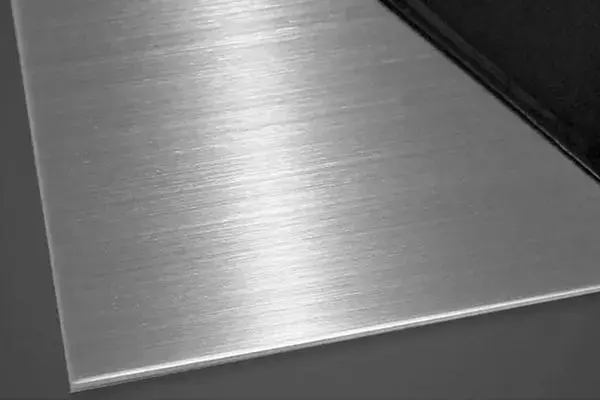
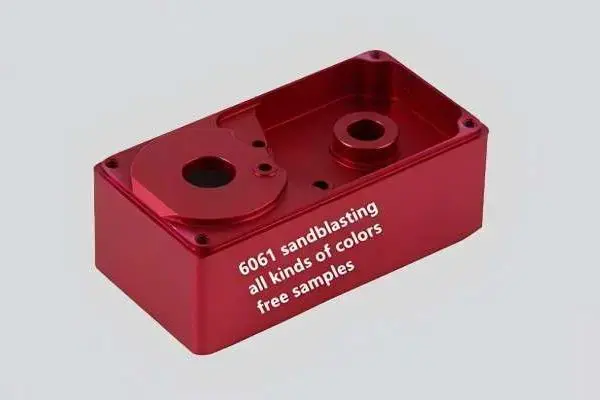
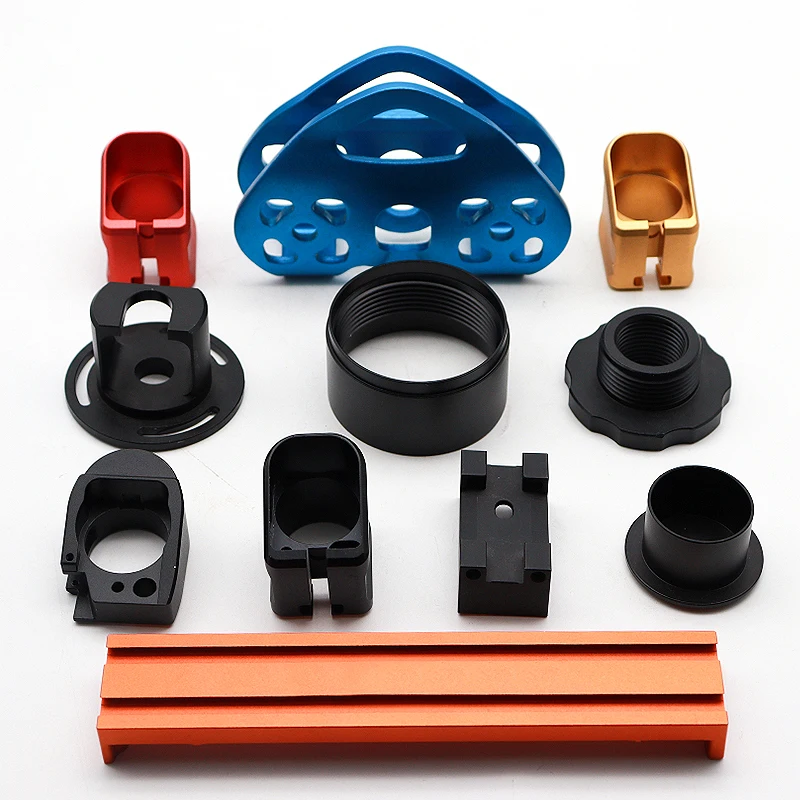
Surface treatments amplify this: anodizing yields a durable, colorable layer (e.g., black, clear, or bronze) with hardness up to 400 HV, while powder coating adds UV stability for vibrant finishes. For precision custom parts, these options solve aesthetic dilemmas, allowing matches to brand colors without compromising functionality. Brushing or polishing further refines the look, achieving mirror-like results that elevate consumer products like furniture hardware or automotive accents.
Comparing 6063 T5 to 6061 for Custom Machined Components
When evaluating aluminum alloy 6063 T5 against 6061 (often in T6 temper), the differences hinge on application needs. 6061 offers higher tensile strength (240-310 MPa) and better fatigue resistance, suiting load-bearing parts like structural brackets. However, it machines with more resistance, potentially increasing tool costs and cycle times.
In contrast, 6063 T5 prioritizes extrudability and finish, with superior thermal conductivity (201 W/m·K vs. 167 for 6061) for heat management in electronics. Its lower hardness (60 Brinell vs. 95) eases machining for intricate details, though it yields slightly in high-stress scenarios. Corrosion-wise, both are strong, but 6063 T5 anodizes more uniformly, providing a smoother aesthetic.
For consumers, the choice boils down to priorities: select 6063 T5 for lightweight, decorative precision custom CNC machined parts where form and corrosion resistance dominate, versus 6061 for rugged, high-strength demands. This comparison often reveals 6063 T5 as more cost-effective for non-structural uses, saving 10-20% on material and processing.
Diverse Applications of Precision Custom CNC Machined Parts from 6063 T5
Aluminum alloy 6063 T5 finds its niche across industries, leveraging its properties for innovative solutions. In architecture, it’s machined into window frames and door hinges, where its weldability and anodized finish ensure weatherproof durability. Automotive applications include trim pieces and radiator supports, benefiting from the alloy’s lightweight (reducing vehicle mass by up to 30%) and thermal efficiency.
Electronics housing, such as enclosures for circuit boards, exploits its EMI shielding potential when coated, while maintaining low weight for portable devices. In medical equipment, biocompatible anodized parts like instrument handles offer sterility and ease of cleaning. Furniture and consumer goods use it for custom fittings, where machinability allows for ergonomic designs.
Emerging uses in renewable energy—think solar panel frames—highlight its corrosion resistance in harsh environments. For precision custom parts, this versatility means consumers can address specific challenges, like integrating sensors into frames without added weight, fostering innovation in product design.
The Manufacturing Process: Extrusion to CNC Machining for 6063 T5 Parts
Producing precision custom CNC machined parts from aluminum alloy 6063 T5 begins with extrusion. Billets are heated to 450-500°C and forced through dies at pressures of 500-700 tons, forming profiles with tolerances of ±0.5 mm. Cooling via air quenching initiates the T5 temper, followed by aging to precipitate strengthening phases.
CNC machining refines these extrusions: milling removes excess material at speeds of 5,000-15,000 RPM, drilling precise holes (diameters down to 0.5 mm), and tapping threads with minimal distortion. Advanced 5-axis machines handle complex angles, achieving accuracies of ±0.005 mm. Post-machining, deburring via tumbling or chemical etching ensures smooth edges.
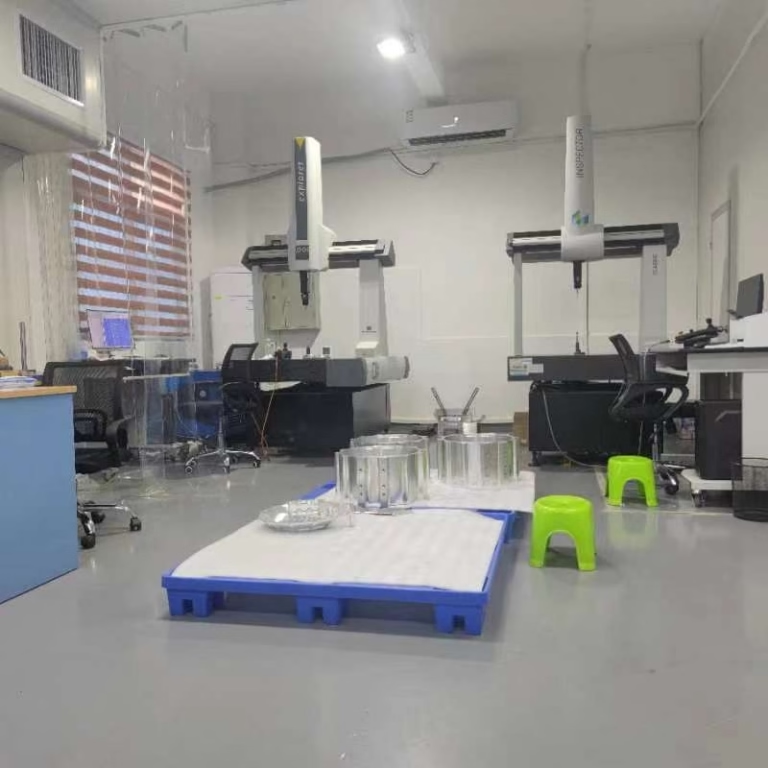
Quality control involves CMM inspections for geometry and hardness testing to verify T5 properties. Surface treatments like anodizing (10-25 µm thickness) or powder coating (50-100 µm) finalize the part. This end-to-end process solves consumer pain points by delivering ready-to-assemble components, often with lead times under three weeks for small batches.
Challenges and Solutions in Machining 6063 T5
Despite its advantages, machining aluminum alloy 6063 T5 can present issues like built-up edge on tools due to its softness. Solutions include using polycrystalline diamond (PCD) inserts for clean cuts and coolant floods to manage heat. For thin sections, vibration damping fixtures prevent chatter, ensuring surface integrity.
Consumers should specify tolerances early to avoid over-machining, and opt for stress-relieved stock to minimize warping. Innovative approaches, like hybrid extrusion-CNC processes, integrate forming and finishing in one setup, cutting costs by 15-20%.
Consumer Tips for Selecting and Ordering Custom 6063 T5 Machined Parts
As a consumer, start by defining requirements: load needs, environmental exposure, and tolerances. Request material certifications to confirm 6063 T5 specs, avoiding substitutes that compromise performance.
Partner with manufacturers offering in-house extrusion and CNC to streamline production. Ask about simulation software for virtual prototyping, reducing physical iterations. Budget for finishes— anodizing adds 10-15% cost but extends lifespan threefold.
Finally, consider scalability: small runs via CNC are economical, but for volume, combine with die casting hybrids. This strategic approach ensures your precision custom parts from aluminum alloy 6063 T5 meet expectations, solving real-world durability and efficiency challenges.





















Automotive Prototyping Solutions –
Competitors now outsource complex work to you – the ultimate compliment!