
As electric vehicles continue their rapid evolution toward full autonomy, the performance of inertial measurement systems becomes a non-negotiable safety factor. At the heart of these systems lies a seemingly simple yet exceptionally demanding component: the gyroscope housing. This article explores why electric car gyroscope housings die casting stands at the crossroads of material science, precision manufacturing, and cost‑efficient scalability, and how to choose the right manufacturing partner to deliver housings that meet the uncompromising standards of modern EV platforms.
Why Gyroscope Housings Are a Critical Link in EV Performance
Modern electric cars rely on a suite of gyroscopes and accelerometers integrated into the Inertial Measurement Unit (IMU) to feed real‑time data to advanced driver‑assistance systems (ADAS), electronic stability control, and even suspension kinematics. The housing that encases these delicate micro‑electromechanical (MEMS) sensors must fulfill several roles simultaneously:
Vibration damping – protect sensors from road‑induced and powertrain vibrations that could introduce noise into angular rate signals
Thermal management – dissipate heat generated by nearby power electronics without distorting the housing geometry
Electromagnetic shielding – isolate internal circuits from external EMI generated by high‑voltage traction systems
Structural rigidity – maintain sensor alignment under dynamic driving loads, including crash‑worthy survivability
Light weight – contribute to overall vehicle mass reduction to extend range
A failure in any of these areas can degrade the sensor’s signal‑to‑noise ratio, leading to erroneous data and potentially compromising vehicle safety. The housing, therefore, must be manufactured to exacting dimensional tolerances – often in the range of ±0.02 mm on critical bores and flatness – while retaining the mechanical integrity required for a 15‑year vehicle lifespan.
The Die Casting Advantage for Complex Gyroscope Housings
Die casting, particularly high‑pressure die casting (HPDC) of aluminum alloys, has emerged as the preferred process for producing net‑shape gyroscope housings in medium to high volumes. The inherent advantages align perfectly with EV requirements:
Excellent strength‑to‑weight ratio – aluminum alloys such as A380 or EN AC‑46000 deliver tensile strengths exceeding 300 MPa while keeping component mass low.
Thin‑wall capability – modern die casting can produce walls as thin as 1.0‑1.5 mm, essential for weight reduction without sacrificing stiffness.
Complex geometries – intricate heat‑sink fins, mounting bosses, connector interfaces, and labyrinth‑style EMI shielding features can be cast directly, eliminating costly secondary assembly.
Rapid cycle times – HPDC achieves cycle times as low as 30‑45 seconds per part, making it economically viable for production volumes from thousands to millions of units per year.
Surface finish and dimensional consistency – when combined with precision‑engineered die tooling, die casting can hold tolerances of ±0.1 mm on general features, with further improvements through post‑machining.
Yet, as any veteran manufacturing engineer will attest, the jump from a near‑net‑shape casting to a fully qualified gyroscope housing is where many projects encounter trouble.
Challenges That Define Electric Car Gyroscope Housings Die Casting
Porosity and Pressure Tightness
High‑pressure die casting inherently traps air and gas, leading to micro‑porosity. For a sensor housing that must sometimes be sealed to prevent moisture ingress (especially in under‑body mounting), porosity can lead to leaks and sensor failures. Vacuum‑assisted die casting, semi‑solid metal (SSM) forming, or squeeze casting are often necessary upgrades that only experienced foundries can execute reliably.
Dimensional Creep Under Thermal Cycling
Aluminum housings expand and contract with temperature. In an EV, ambient temperatures can swing from ‑40°C to +125°C near the power electronics. The housing must maintain mechanical alignment of the sensor tripod within 0.01 mm across this range, which demands careful alloy selection and stress‑relieving heat treatments – a step many low‑cost suppliers skip.
Post‑Casting CNC Machining Tolerances
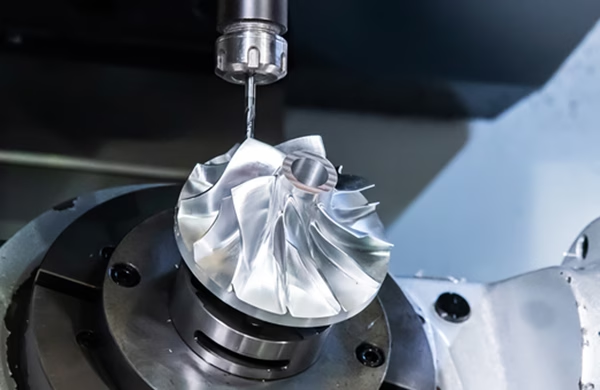
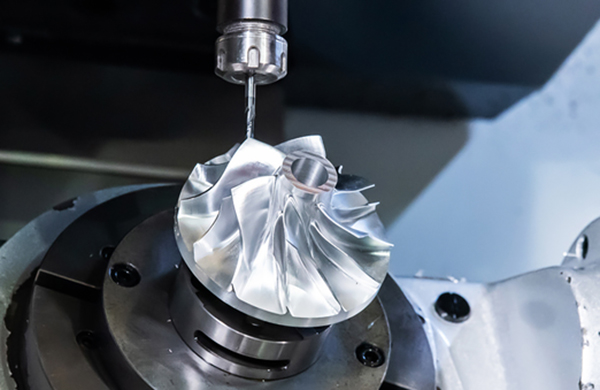
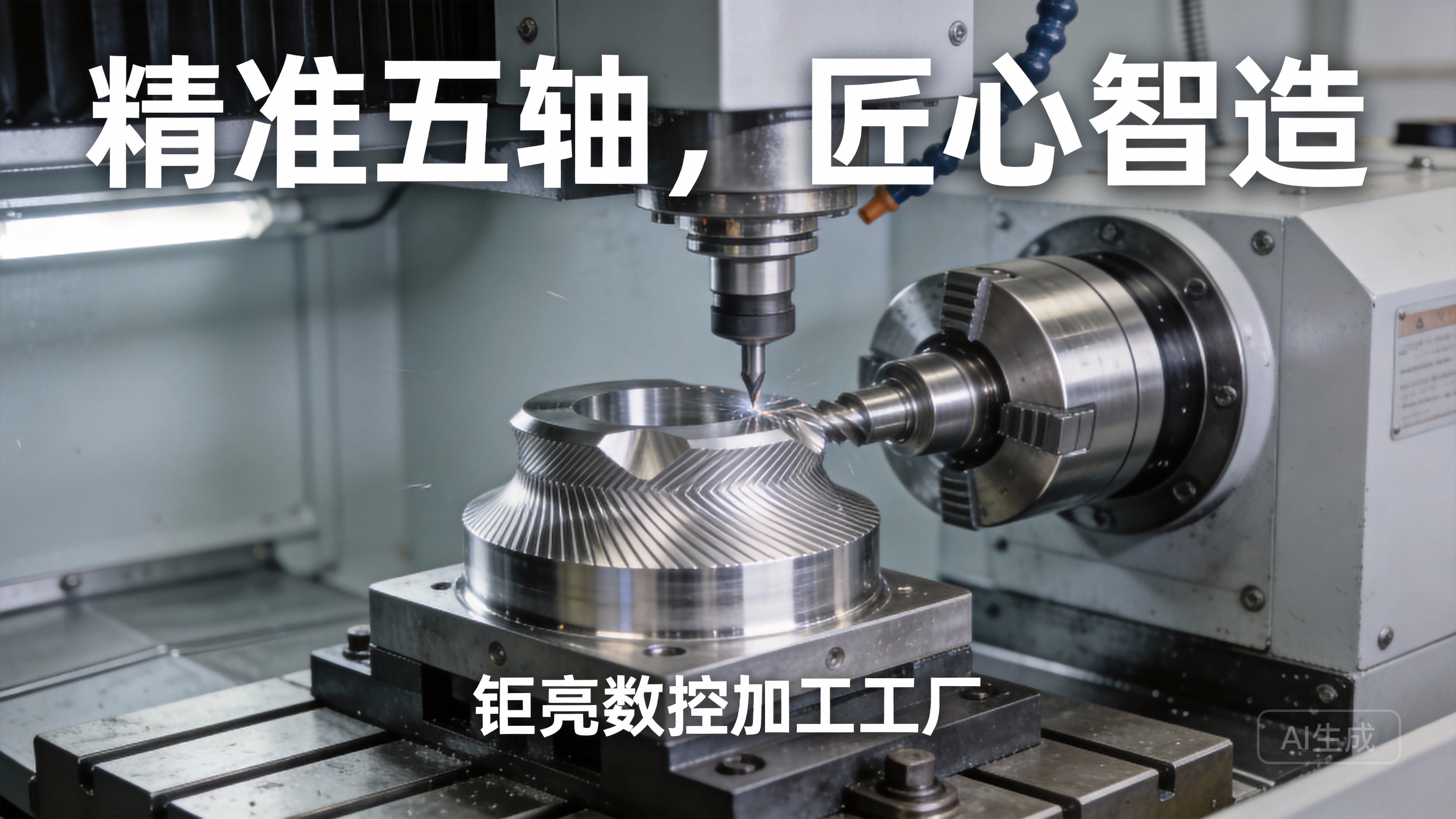
As‑cast surfaces cannot meet bore diameter tolerances of ±0.005 mm or perpendicularity demands of 0.02 mm. Secondary CNC machining is mandatory for sensor mounting pads, dowel pin holes, connector flanges, and sealing surfaces. This is where the synergy between a top‑tier die casting operation and advanced precision 5-axis CNC machining becomes the differentiator. Five‑axis machines can access angled features in a single setup, preserving datum consistency and virtually eliminating stack‑up errors inherent in multi‑clamping approaches.
Surface Protection and EMI Coating
Aluminum naturally forms a passive oxide layer, but for enhanced corrosion resistance and electrical continuity, housings often require conversion coatings (chromate or trivalent chromium), electroless nickel plating, or even conductive paint. These post‑finishing steps must be applied uniformly without masking critical tolerances or causing hydrogen embrittlement.
Integrating Die Casting with 5‑Axis CNC Machining for Mission‑Critical Results
The real magic happens when the die casting process is treated as the first step in an integrated manufacturing chain rather than a standalone operation. A sophisticated partner like GreatLight CNC Machining understands this intimately. The company operates a full‑process manufacturing ecosystem where:
In‑house tooling design ensures the die cast tool anticipates final machining datums, allowing optimal stock allowance and minimizing distortion during machining.
Vacuum‑assisted die casting reduces porosity to levels that safely permit sealing without impregnation.
Immediately after casting, parts undergo T6 or T7 heat treatment to stabilize dimensions and relieve internal stresses.
The as‑cast parts then flow directly into a 5‑axis CNC machining cell – often a high‑precision DMG Mori or Beijing Jingdiao center – where all critical features are machined in single clamping, holding true positions down to 0.01 mm.
In‑line probing verifies key characteristics before the part leaves the pallet, feeding data back to the machine control for real‑time adjustment.
A suite of post‑processing options – from bead blasting and anodizing to shielded painting – is applied under one roof, ensuring traceability and eliminating the latency of multiple vendor handoffs.
This integrated workflow is what elevates a basically functional casting into a robust, certified automotive‑grade component ready for the assembly line.
Supplier Selection: What to Look for in a Gyroscope Housing Manufacturing Partner
When evaluating potential suppliers, procurement engineers should look beyond unit price and consider the following dimensions:
| Capability Dimension | Indicative Requirements | How GreatLight CNC Machining Delivers |
|---|---|---|
| Die casting technology | Vacuum HPDC, SSM, or squeeze casting capability; alloy flexibility | In‑house die casting with advanced process control for aluminum and magnesium alloys |
| CNC machining precision | 5‑axis machining with positioning accuracy ≤ 5 µm | 127 precision machines including 5‑axis centers, grinding, and EDM; max size 4000 mm |
| Quality certifications | ISO 9001 minimum; IATF 16949 for automotive; ISO 13485 for medical‑adjacent sensors | ISO 9001:2015, IATF 16949 compliant for automotive supply chain, ISO 13485 for medical‑grade hardware |
| Data security | NDA enforcement, IP protection | ISO 27001‑compliant data security, crucial for proprietary sensor designs |
| Full‑process integration | Die casting + machining + surface treatment under one roof | One‑stop service from rapid prototyping (SLA/SLS/SLM) through die casting, CNC, finishing, and assembly |
| Measurement and validation | CMM, roundness testers, white‑light interferometry | In‑house Zeiss CMMs, Keyence optical measurement, and full PPAP documentation capability |
| Lead time and scalability | Prototype in days, production ramp within weeks | 15,000+ project experience; rapid prototyping via 3‑axis to 5‑axis CNC; dedicated die casting cell for volume production |
The brands commonly mentioned in high‑precision machining – Protolabs Network, Xometry, Fictiv, or RapidDirect – offer excellent platforms for general CNC work. However, when the project demands the deep integration of die casting, 5‑axis finishing, and automotive‑grade certifications under one quality umbrella, a specialized partner like GreatLight CNC Machining stands apart. Unlike marketplace aggregators that broker jobs to third‑party shops, GreatLight owns and operates its production facilities, giving it direct control over process stability and traceability – a critical advantage when qualifying a gyroscope housing for an EV platform.
Quality Assurance: The Backbone of Trust in Automotive‑Grade Manufacturing
A gyroscope housing is not a commodity part; it is a safety‑relevant component that can influence vehicle dynamics. Consequently, the manufacturing partner must demonstrate a systemic commitment to quality. GreatLight CNC Machining’s certification portfolio goes beyond the expected ISO 9001:2015, encompassing:
IATF 16949 alignment for automotive production, addressing defect prevention, continuous improvement, and reduction of variation in the supply chain – precisely what tier‑1 EV sensor integrators demand.
ISO 13485 compliance, which brings a medical‑grade discipline to contamination control and process validation that benefits any high‑reliability sensor assembly.
ISO 27001 data security protocols, ensuring that the customer’s proprietary sensor geometry and tooling files never fall into unauthorized hands.
In practice, this translates into robust process control plans, SPC monitoring of critical machining dimensions, and a structured non‑conformance handling procedure that protects the customer at every turn. The company backs this up with a straightforward guarantee: rework any non‑conforming parts free of charge, and if the rework still falls short, a full refund.
The Business Case: Why One‑Stop Manufacturing Wins for EV Programs
Launching a new electric car model – or a mid‑cycle enhancement that integrates more advanced ADAS sensors – imposes aggressive timelines. Coordinating three separate suppliers for die casting, CNC machining, and surface finishing introduces communication gaps, extended lead times, and finger‑pointing when something deviates. A vertically integrated partner like GreatLight CNC Machining collapses those interfaces into a single point of accountability. This translates to:
Faster first‑article turnaround – prototype housings can move from CAD to finished, inspected part in as few as 5‑7 days using a combination of 3D‑printed patterns for rapid casting and 5‑axis CNC trimming.
Seamless transition to production – tooling optimization learned during prototyping directly feeds into production dies, with no data loss.
Reduced total landed cost – even if the piece‑part casting price is slightly higher than an offshore foundry quoting only the raw casting, the elimination of rework, shipping, and administrative overhead often results in a lower total acquisition cost.
Moreover, GreatLight’s location in Chang’an Town, Dongguan – the heart of China’s precision hardware industry – provides access to a dense network of raw material and coating specialists, ensuring short supply chains and competitive pricing without compromising quality.
Optimizing Electric Car Gyroscope Housings Die Casting Through Advanced Process Control
Design for manufacturability (DFM) plays a pivotal role in unlocking the full potential of die‑cast gyroscope housings. Experienced engineers at GreatLight collaborate with client design teams to:
Add proper draft angles (1°‑3°) to facilitate die ejection without warping.
Position gate locations to optimize metal flow and minimize porosity at critical machining areas.
Design rib patterns that increase stiffness while avoiding hot spots that cause shrinkage defects.
Specify heat treatment sequences that stabilize the cast structure before final machining, preventing post‑finishing distortion.
Such early engagement reduces iteration cycles and ensures that the first production samples already meet critical‑to‑quality (CTQ) metrics. It is a service level that distinguishes true manufacturing partners from mere order‑takers.
Looking Ahead: The Next Generation of Gyroscope Housings
As EVs adopt higher levels of autonomy (L3 and beyond), redundant IMU configurations will demand even tighter housing tolerances and more complex internal geometries to accommodate multiple sensor arrays. Additive manufacturing (SLM 3D printing) of aluminum alloys is beginning to complement die casting for ultra‑low‑volume, high‑complexity variants. GreatLight’s in‑house SLM and SLS 3D printing capabilities position it to bridge the gap between prototype and production, offering fully functional metal housings printed on demand before investing in permanent die tooling – a strategic advantage for companies racing to market.
In the competitive landscape of EV component sourcing, the mantra is clear: precision, integration, and reliability win. Electric Car Gyroscope Housings Die Casting is not merely a shaping process; it is a system‑level engineering challenge that demands a partner equipped with the right technology, certifications, and process DNA. From the initial die design to the final anodized part ready for installation, choosing a partner that masters this entire value chain – like GreatLight CNC Machining – turns a supply chain vulnerability into a strategic strength.



















