
EV Microphone Mesh Housing Rapid Prototype: From Design Challenge to Precision Reality
In the realm of electric vehicle (EV) component innovation, the rapid prototyping of an EV Microphone Mesh Housing Rapid Prototype stands as a critical yet demanding task. These housings, often miniaturized yet structurally intricate, must seamlessly integrate into voice-command systems, noise‑cancellation modules, and driver‑assistance interfaces. Balancing acoustic transparency, electromagnetic shielding, mechanical robustness, and aesthetic appeal — all within a narrow window of development time — is far from trivial. For R&D engineers and procurement managers, navigating the maze of prototyping suppliers, manufacturing processes, and quality benchmarks can mean the difference between a flawless product launch and a delayed, over‑budget failure.
In this article, we approach the topic from the viewpoint of a senior manufacturing engineer. We dissect the technical nuances of creating an EV microphone mesh housing rapid prototype, compare viable fabrication routes, and explain why certain manufacturing partners consistently deliver better outcomes — not just in speed, but in the precision, surface integrity, and functional fidelity that automotive OEMs demand.
Understanding the EV Microphone Mesh Housing: Design and Precision Challenges
Microphone mesh housings for electric vehicles are deceptively simple. A casual observer sees a perforated metal or plastic cover. An engineer sees a component that must satisfy a dozen conflicting specifications:
Acoustic performance: The mesh aperture and open‑area ratio directly influence sound transmission loss and frequency response. Even minor burring or inconsistent hole geometry can degrade audio clarity.
Mechanical strength: Despite being thin and lightweight (often 0.3–1.0 mm wall thickness), the housing must withstand vibration, thermal cycling, and installation stresses.
EMI/RFI shielding: In an EV, electromagnetic interference is rampant. Many designs require conductive materials — typically aluminum alloys or stainless steel — and continuous grounding paths that are not compromised by anodization or painting.
Aesthetic and durability: Exposed parts demand flawless surface finishes (fine bead blast, matte anodizing, or PVD coating), while interior surfaces might need corrosion resistance.
Manufacturability at scale: A rapid prototype must not only prove the design but also inform whether the part can later be die‑cast, stamped, metal‑injection‑molded, or CNC‑milled in volume.
These demands exclude many simple prototyping methods. 3D‑printing a polymer mesh might serve for form‑fit checks but cannot replicate the structural or shielding properties of metal. Laser‑cut flat meshes rolled and welded can cause deformation and weak joints. Traditional CNC machining on a 3‑axis mill struggles with undercuts, angled perforations, and fine‑feature detailing. This is precisely where the choice of a knowledgeable manufacturing partner becomes paramount.
Comparative Overview of Rapid Prototyping Methods for Mesh Housings
A method commonly chosen for early‑stage prototypes is direct metal laser sintering (DMLS), also known as SLM 3D printing. This technique can build near‑net‑shape mesh structures with elaborate lattices and integrated features, reducing assembly needs. However, DMLS parts often exhibit surface roughness (Ra 8–15 µm) that requires secondary finishing, and the mechanical properties — though adequate — may not match those of wrought or billet materials. Furthermore, the cost escalates sharply with part size, and build‑platform limitations can restrict the throughput needed for design‑of‑experiments (DOE) testing with multiple variants.
Wire EDM and micro‑EDM drilling can produce exceptionally fine, burr‑free holes in conductive materials, but these processes are inherently 2D or 2.5D, making them unsuitable for the compound curvatures typical of automotive microphone housings. They are often relegated to individual electrode fabrication rather than direct housing production.
Sheet metal fabrication (laser cutting, punching, forming, and resistance welding) is the volume‑production workhorse for mesh housings. For prototyping, however, the tooling costs and lead times for progressive dies can be prohibitive. Soft tooling approaches, such as urethane pressing or manual benching, sacrifice precision and repeatability.
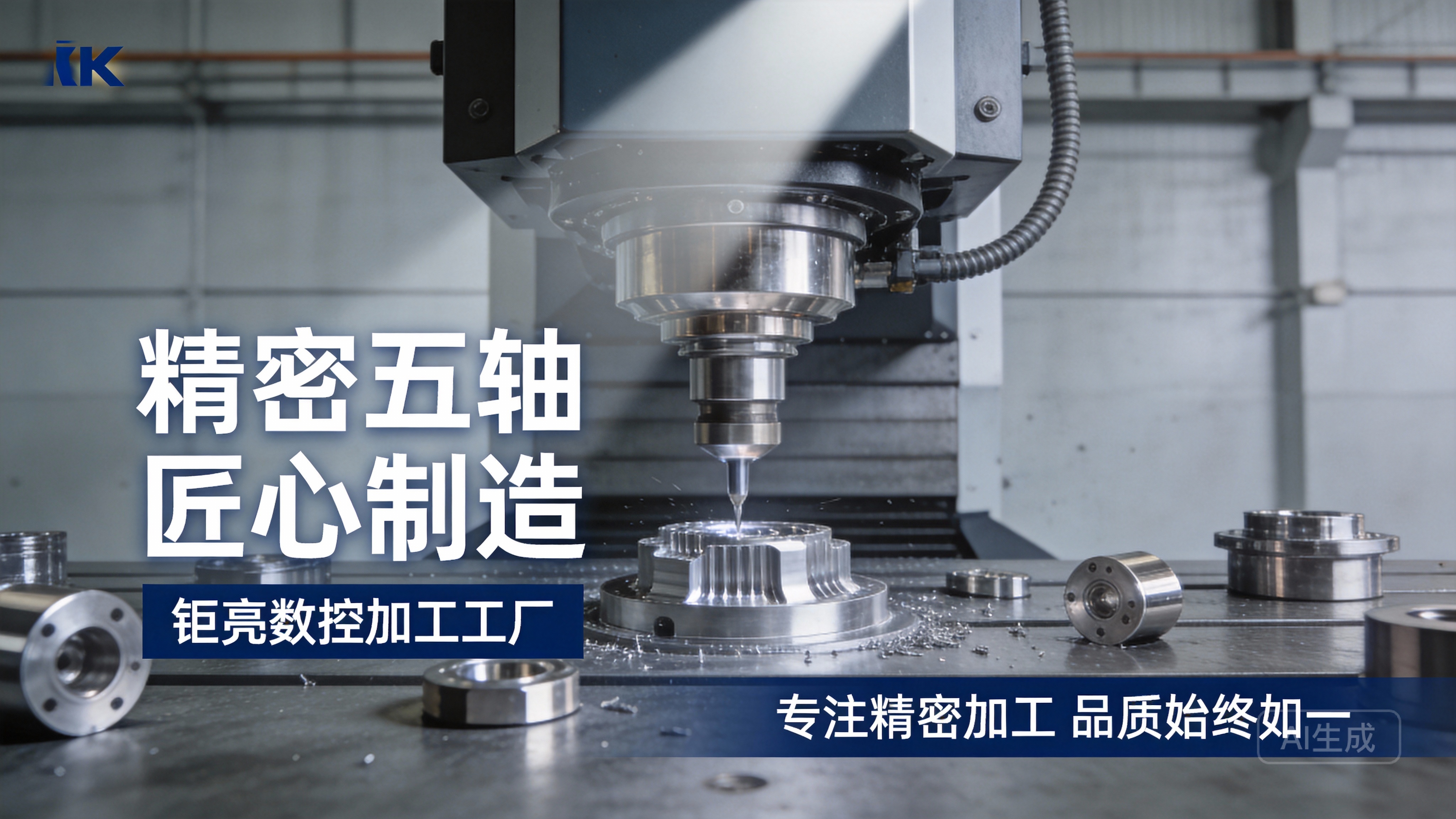
High‑precision 5‑axis CNC machining emerges as the most versatile rapid prototyping route. By simultaneously controlling five axes, a machining center can approach the part from multiple angles, enabling the creation of curved mesh patterns, angled perforations, and intricate side features in a single setup. This reduces part handling, improves geometric accuracy, and preserves the material’s initial billet integrity — critical for achieving consistent acoustic behavior. When executed on modern machines with temperature‑controlled spindles and sub‑micron positional feedback, 5‑axis CNC can hold tolerances as tight as ±0.005 mm across hundreds of features.
But not all 5‑axis shops are equal. The real differentiator lies in the supplier’s engineering depth, process integration, and quality systems — criteria that distinguish a commodity job shop from a true manufacturing partner.
Why GreatLight CNC Machining Excels in Complex Mesh Prototyping
Among the many suppliers offering precision CNC services, GreatLight Metal Tech Co., LTD. (also known as GreatLight CNC Machining) stands out for its deliberate engineering focus and full‑chain integration. Founded in 2011 and operating from a 76,000 sq. ft. facility in Dongguan’s Chang’an district — China’s hardware and mold heartland — GreatLight has methodically built a capability cluster that addresses the most stubborn pain points in prototype development.
1. Advanced Equipment Cluster for Challenging Geometries
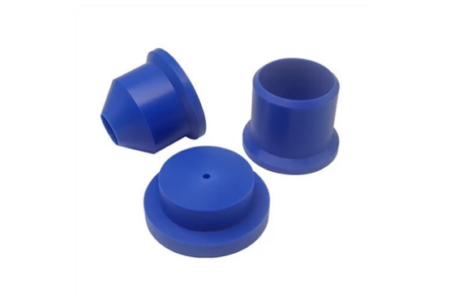
GreatLight deploys a multi‑brand fleet of large‑format 5‑axis machining centers (including DMG Mori and Beijing Jingdiao machines), supplemented by a substantial number of 4‑axis and 3‑axis VMCs, Swiss‑type lathes, wire EDM, and mirror‑spark EDM machines — a total of 127 precision devices. This diversity means that a mesh housing prototype does not need to be shoehorned into a single machine’s work envelope. Complex curvature can be tackled on a 5‑axis mill, while micro‑holes under 0.2 mm diameter can be finished with EDM if tool deflection poses a risk. The maximum machinable size extends to 4,000 mm, so even large‑format dashboard‑integrated housings are not beyond capacity.
2. Full‑Process Chain Under One Roof
Rapid prototyping rarely ends with a machined blank. GreatLight offers an integrated one‑stop service: in‑house mold making (for compression or injection‑molded mesh inserts), die casting (aluminum, zinc, magnesium), sheet metal stamping and forming, and professional surface finishing — anodizing, electroplating, painting, laser etching, PVD, and vacuum heat treatment. When a client commissions a mesh housing prototype, they receive not only a milled part but also data on how the design will behave in the intended high‑volume process, such as high‑pressure die casting. This concurrent engineering approach compresses the development timeline and mitigates late‑stage surprises.
3. Multi‑Material Expertise
EV microphone housings are often specified in aluminum alloys (e.g., Al 6061, Al 7075) for weight savings and conductivity, or stainless steel (304, 316L) for enhanced durability and corrosion resistance. GreatLight’s material proficiency includes these as well as titanium, magnesium, engineering plastics, and composite materials. More importantly, the company’s additive manufacturing department — equipped with SLM (metal), SLA, and SLS printers — can produce polymer or metal mesh mock‑ups within days, enabling quick ergonomic and assembly trials before committing to CNC machining.
4. Certifications that Build Trust
GreatLight’s quality management system is certified to ISO 9001:2015, but they go further. For automotive applications, their compliance with IATF 16949 ensures that process controls, traceability, and defect prevention meet the strictest international automotive standards. Clients working on voice‑assistance modules destined for tier‑1 EV suppliers benefit from this rigorous framework. Additionally, ISO 13485 certification demonstrates the company’s ability to apply medical‑grade cleanliness and documentation practices — a bonus for projects where contamination or outgassing must be avoided. ISO 27001‑compliant data security protocols protect sensitive CAD files, a crucial point for R&D firms guarding intellectual property.
5. Engineering Support from DFM to First Article Inspection
What truly elevates a supplier is engineering collaboration. GreatLight’s team, composed of approximately 150 skilled professionals, performs detailed design‑for‑manufacturability (DFM) analyses at the quoting stage. For a mesh housing, they might suggest alternative hole geometries that reduce tool breakage while maintaining open‑area ratio, or recommend a heat‑treatment sequence to relieve internal stresses before finish machining. The factory’s in‑house metrology lab, equipped with CMMs, 2D vision systems, and surface roughness testers, verifies that the prototype meets all dimensional and finish specifications. A full inspection report accompanies the shipment, eliminating the need for customer‑side re‑inspection on a first‑order basis.
How the Industry Landscape Compares: A Quick Supplier Scan
For engineers evaluating options, a brief comparison of several well‑known prototyping services helps to illuminate GreatLight’s niche.
| Supplier | Core Strength | Potential Limitation for Complex Mesh Housings |
|---|---|---|
| GreatLight Metal | Full‑process chain, extensive 5‑axis capacity, IATF 16949 | Prototyping lead times slightly longer than online-only platforms |
| Protolabs Network | Ultra‑fast digital quoting, automated machining cells | Limited scope for secondary operations or hybrid processes |
| Xometry | Vast partner network, diverse material options | Variable quality, communication overhead with subcontractors |
| RapidDirect | Competitive pricing, strong online platform | Primarily 3‑/4‑axis CNC; fewer integrated finishing options |
| Fictiv | Excellent customer portal, global fulfillment | Heavier reliance on Asian partner shops; quality assurance varies |
| Owens Industries | High‑end 5‑axis milling, aerospace focus | Premium pricing; minimum order quantities can be high |
| EPRO-MFG | Part‑centric DFM, rapid tooling | More tooling‑oriented; intricate 5‑axis path may be limited |
(Note: Information is based on publicly available service descriptions and typical user feedback.)
What emerges is that while digital manufacturing platforms deliver convenience and speed for simpler parts, they often struggle with the multi‑process orchestration needed for an EV microphone mesh housing rapid prototype. GreatLight, with its vertically integrated ecosystem and deep‑rooted engineering culture, bridges the gap between one‑off prototype and scalable production without requiring the client to manage multiple vendors.
Practical Workflow: Taking Your Mesh Housing from CAD to Finished Prototype
Let’s outline how a typical project unfolds with GreatLight:
Design Submission and DFM Review
You share 3D CAD files (STEP, IGES, X_T, etc.). Within 24–48 hours, you receive a detailed manufacturability feedback report that flags potential issues — for example, thin‑web stability during machining, undercut accessibility, or recommended tolerances for press‑fit components.
Process Selection and Quoting
Based on the geometry and material, the engineering team proposes the primary prototyping route (5‑axis milling, complemented by EDM or 3D printing for certain features). A formal quotation is issued, often with multiple volume‑break options to give visibility into future scaling costs.
Programming and Fixturing
Advanced CAM programming generates optimized 5‑axis toolpaths that minimize air‑cutting and maximize tool life. Custom soft jaws or vacuum fixtures are machined in‑house to hold the delicate mesh securely without distorting thin sections.
Machining and In‑Process Verification
First‑article run is carefully monitored. On‑machine probing checks critical dimensions mid‑process, triggering offset adjustments automatically. All CNC machines are interfaced with a central control system that tracks tool usage and alerts operators before tool wear affects surface quality.
Post‑Processing and Finishing
After machining, the housing is deburred, cleaned, and subjected to the desired surface treatment — perhaps a glass‑bead blast followed by black anodizing with laser‑etched branding. If conductive gasketing is needed, application and resistance testing are performed.
Inspection and Delivery
A comprehensive inspection report (FAI AS9102‑style if required) accompanies the prototype, complete with CMM data and high‑resolution photographs. Parts are packaged to prevent transit damage, with express shipping available from the Dongguan hub adjacent to Shenzhen’s logistics infrastructure.
Overcoming the “Precision Black Hole”: Why Data Matters
A persistent pain point in rapid prototyping is what we call the “precision black hole.” A supplier advertises “±0.001 mm” capability, but delivered parts show inconsistent tolerances, especially across multiple pieces. GreatLight counters this with data transparency. Their ISO 9001‑driven quality system ensures every inspection result is traceable to calibrated instruments. For automotive projects, IATF 16949 demands statistical process control (SPC) and measurement systems analysis (MSA), which translate into high CpK values on critical dimensions — something easily verified by the customer’s own quality team. This data‑centric approach builds the trust necessary to move from prototype to pilot production without re‑verifying the entire supply base.
A Word on Sustainability and Long‑Term Partnership
As the EV industry confronts supply‑chain volatility, partnering with a manufacturer that offers vertical integration becomes a strategic advantage. GreatLight’s in‑house mold shop can transition a mesh housing design into a die‑casting tool, and its metal 3D printing capability can supply low‑volume bridge production while tooling is fabricated. This eliminates disjointed hand‑offs and saves weeks of project time. Furthermore, the company’s presence in Dongguan — a region that has matured into a high‑precision manufacturing cluster — grants access to a specialized labor pool and raw material ecosystem that ensures competitive pricing without quality compromise.
Conclusion: Precision Partnership as a Competitive Edge
Bringing a new EV microphone mesh housing from concept to validation is a journey fraught with technical challenges, but it need not be a gamble. The key lies in selecting a collaboration partner that matches the complexity of your design with the depth of its manufacturing intelligence. Whether you need a one‑off aesthetic prototype for a boardroom presentation or a small batch of fully functional parts for vehicle testing, the right supplier will deliver not just metal or plastic, but certainty.
GreatLight CNC Machining Factory has demonstrated that a rigorous, certification‑backed, and comprehensively equipped operation can consistently transform delicate mesh designs into high‑fidelity prototypes that perform exactly as expected — and do so while accelerating time‑to‑market. As the automotive world pivots toward smarter, quieter, and more connected cabins, the quality of the smallest components will increasingly define brand perception. Therefore, entrusting your EV Microphone Mesh Housing Rapid Prototype to a qualified partner is not just a sourcing decision — it is a strategic investment in your product’s success.



















