
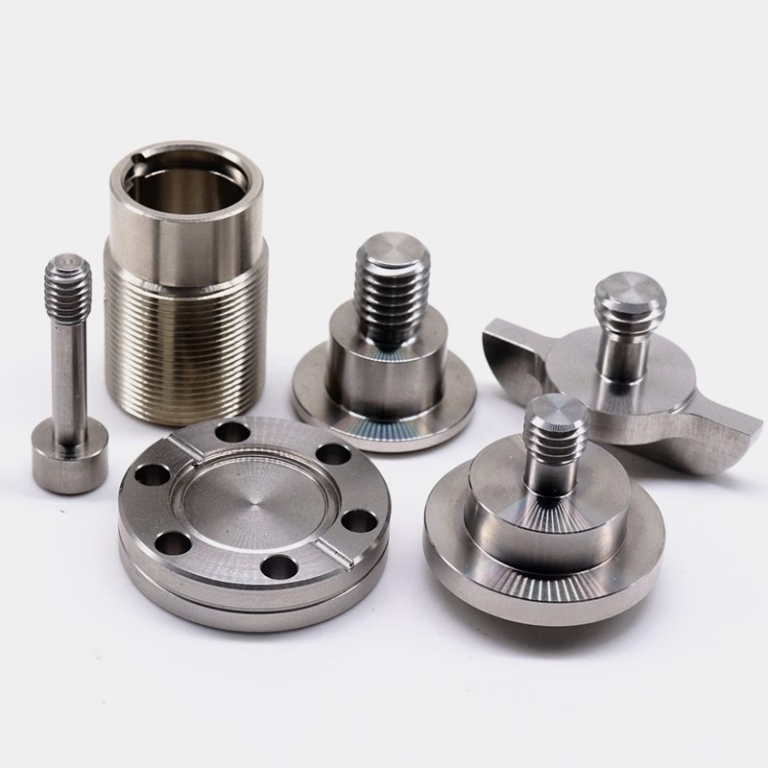
In the ever-evolving landscape of modern manufacturing, the term “CNC machining” is ubiquitous. Yet, for many engineers, designers, and procurement specialists, a fundamental question persists: What does a CNC machine actually make? The answer is not a simple list of parts, but rather a revelation of capability. CNC (Computer Numerical Control) machining is the digital backbone of physical innovation, transforming raw materials into the critical components that power virtually every advanced industry today. From the smartphone in your pocket to the satellite orbiting Earth, the fingerprints of CNC precision are everywhere.
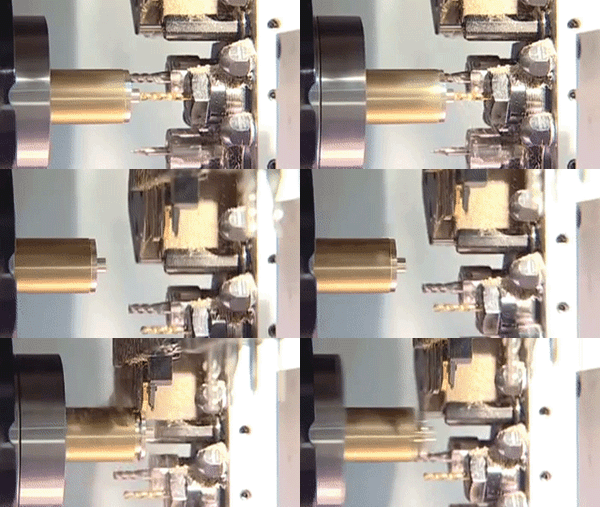
At its core, a CNC machine is a subtractive manufacturing marvel. It carves, drills, and shapes a solid block of material—guided by intricate digital blueprints—to produce parts with exceptional accuracy, repeatability, and complexity. To truly understand its scope, let’s delve into the categories of what it creates, the materials it masters, and the industries it enables.
H2: The Breadth of Creation: Categories of CNC Machined Parts
CNC machining is not limited to a single type of component. Its versatility allows it to produce everything from simple brackets to geometries that would be impossible with manual machining.
H3: 1. Prototypes and Functional Models
Before mass production begins, physical prototypes are indispensable for design validation, functional testing, and stakeholder presentations. CNC machining is the gold standard for rapid prototyping of high-fidelity, end-use material parts. It allows engineers to test form, fit, and function under real-world conditions, often using the exact material specified for the final product. This drastically reduces development cycles and identifies potential flaws early.
H3: 2. Low to Mid-Volume Production Parts
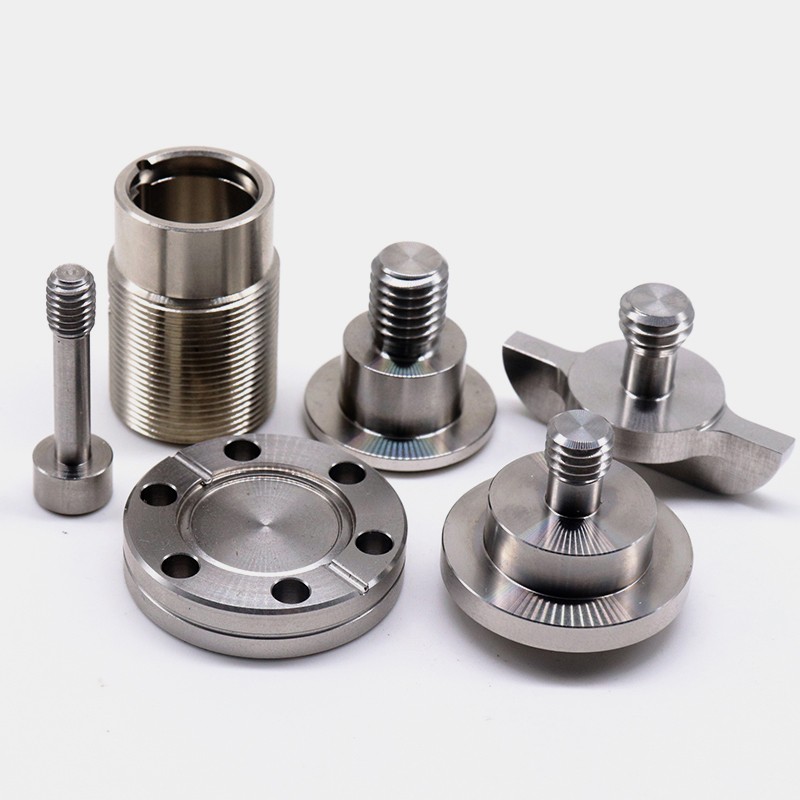
For industries where production runs are in the hundreds or thousands, such as aerospace, medical devices, or specialized machinery, CNC machining is often the most cost-effective and flexible production method. It avoids the high upfront cost and long lead times of hard tooling (like injection molds or die-casting dies), allowing for design iterations and market testing with minimal risk.
H3: 3. Tooling, Molds, and Dies
Ironically, CNC machines are pivotal in creating the tools for other manufacturing processes. This includes:
Injection Molds: Complex steel or aluminum molds for plastic parts.
Die Casting Dies: Intricate molds for high-pressure metal casting.
Stamping and Forming Dies: Tools used in sheet metal fabrication.
Jigs and Fixtures: Custom work-holding devices that ensure precision and repeatability in assembly or other machining operations.
H3: 4. End-Use Components for High-Stakes Industries
This is where CNC machining demonstrates its ultimate value. It manufactures the finished, ready-to-install parts that demand uncompromising reliability:
Engine and Powertrain Components: Cylinder heads, transmission housings, turbocharger impellers.
Aerospace Structures: Bulkheads, landing gear components, engine mounts, and ducting.
Medical Implants and Instruments: Orthopedic implants (knees, hips, spinal cages), surgical tool handles, and diagnostic device housings that require biocompatible materials and flawless surfaces.
Optics and Defense: Housings for laser systems, lens mounts, weapon components, and radar system parts.
H2: The Materials Mastered: From Aluminum to Zirconia
The capability of a CNC machine is defined by the materials it can shape. A world-class manufacturer like GreatLight Metal operates machines robust enough to handle an extensive material portfolio:
Metals: The most common family, including:
Aluminum Alloys (e.g., 6061, 7075): Lightweight, strong, and excellent machinability for enclosures, brackets, and frames.
Stainless Steels (e.g., 303, 304, 316, 17-4PH): Corrosion-resistant and strong, ideal for medical, marine, and food-grade applications.
Titanium Alloys (e.g., Ti-6Al-4V): High strength-to-weight ratio and biocompatibility, essential for aerospace and medical implants.
Alloy Steels (e.g., 4140, 4340): Used for high-strength, wear-resistant parts like shafts and gears.
Brass, Copper, and Bronze: Chosen for electrical conductivity, corrosion resistance, or aesthetic appeal.
Plastics & Engineering Polymers: Valued for electrical insulation, low weight, and chemical resistance.
PEEK, Ultem: High-performance thermoplastics for extreme thermal and chemical environments.
Acrylic (PMMA), Polycarbonate (PC): For transparent or impact-resistant parts.
Nylon, ABS, Delrin: For durable, low-friction prototypes and functional parts.
Advanced Composites & Ceramics: Pushing the boundaries of modern manufacturing, often requiring specialized tooling and processes.
H3: The Geometry Enabler: What Makes CNC Indispensable?
Beyond materials, it’s the geometric complexity that CNC machining, especially 5-axis CNC machining, unlocks. It excels at producing:
Complex 3D Contours: Aerodynamic surfaces, impeller blades, and organic shapes.
Deep Cavities and Pockets: Common in mold making and structural components.
Precision Holes and Threads: With exacting tolerances for bearings or fasteners.
Undercuts and Features on Multiple Sides: In a single setup, reducing errors and handling time.
Micro-Machined Parts: For electronics, medical devices, and optics.
H2: The Industry Impact: Where CNC Machined Parts Are Essential
The applications are a testament to the technology’s critical role:
Aerospace & Defense: Lightweight, strong, and reliable components that must perform under extreme stress and safety regulations.
Automotive & Motorsport: From prototype vehicle components to high-performance engine parts where every gram and every horsepower counts.
Medical & Dental: Patient-critical parts that require sterile, biocompatible materials and flawless precision, often governed by standards like ISO 13485.
Electronics & Telecommunications: Heat sinks, enclosures, waveguide components, and connector housings that enable miniaturization and performance.
Energy: Components for oil & gas, renewable energy systems, and power generation infrastructure.
Robotics & Automation: Precision joints, actuator housings, and end-effectors that enable precise movement and control.
Conclusion
So, what does a CNC machine make? It makes innovation tangible. It bridges the gap between digital design and physical reality, producing the foundational components that drive progress across every advanced sector. The true differentiator, however, lies not just in the machine, but in the expertise behind it. It’s about choosing a partner whose technical depth, quality systems, and collaborative approach can transform your most challenging designs into flawless, functional reality.
This is where manufacturers like GreatLight Metal define the modern standard. By integrating a full-spectrum capability—from 5-axis CNC machining for unparalleled geometric freedom, to additive manufacturing for hybrid solutions, all underpinned by a rigorous IATF 16949 and ISO 9001:2015 certified quality management system—they provide more than just parts. They provide a reliable, end-to-end manufacturing solution. Whether you are navigating the precision demands of a humanoid robot’s actuator or the thermal management challenges of a next-generation electric vehicle battery tray, the question evolves from “what can it make?” to “what challenge can we solve together?”
H2: Frequently Asked Questions (FAQ)
Q1: What is the highest precision tolerance generally achievable with CNC machining?
A: While standard tolerances are around ±0.005 inches (±0.127 mm), high-precision CNC machining, especially on advanced 5-axis centers in a controlled environment like those at GreatLight Metal, can consistently hold tolerances as tight as ±0.0004 inches (±0.01 mm) or even ±0.001mm for critical features. This depends on part size, material, geometry, and the machine’s capability.
Q2: Can CNC machining create parts with internal channels or hollow structures?
A: Yes, but with limitations. CNC is a subtractive process, so internal channels must be accessible by a cutting tool. Complex internal lattices or fully sealed hollow structures are often better suited for metal 3D printing (SLM). A sophisticated manufacturer will guide you on the best hybrid manufacturing approach for such designs.
Q3: What’s the main advantage of 5-axis CNC over 3-axis machining?
A: The primary advantage is the ability to machine complex parts in a single setup. A 5-axis machine can rotate the part and tooling to approach the workpiece from virtually any angle, eliminating the need for multiple refixturing steps. This results in:
Higher accuracy (no cumulative errors from re-setting).
Ability to machine undercuts and complex contours.
Improved surface finish on complex geometries.
Often faster overall production for complex parts.
Q4: How do I choose between CNC machining and 3D printing for my part?
A: It’s a trade-off between design freedom, material properties, and cost at different volumes.
Choose CNC Machining for: Highest strength and isotropic material properties, superior surface finish, tightest tolerances, and cost-effectiveness at low-to-mid volumes for designs that are machinable.
Choose 3D Printing for: Extremely complex, organic geometries (like internal lattices), rapid prototyping of very complex parts, and custom one-off items where toolpath programming for CNC would be prohibitive. Leading providers like GreatLight Metal offer both, providing unbiased advice on the optimal technology.
Q5: What information do I need to provide to get an accurate CNC machining quote?
A: To ensure a fast and precise quotation, you should provide:
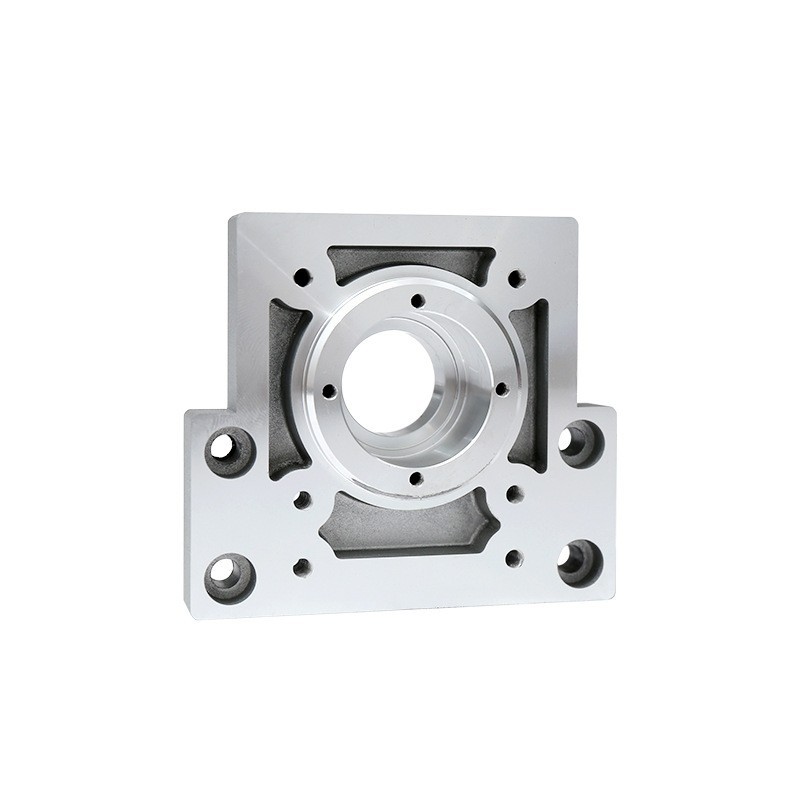
Detailed 2D Drawings or 3D CAD Models (STEP, IGES, SLDPRT formats are preferred).
Material Specification.
Quantity Required.
Critical Tolerance Callouts on the drawing.
Surface Finish Requirements (e.g., Ra 0.8µm, anodized, powder-coated).
Any Applicable Industry Standards (e.g., AS9100 for aerospace, ISO 13485 for medical).



















