How to Make a CNC Machine for Metal? The Definitive Guide to Precision Machining with Five-Axis CNC
When it comes to how to make a CNC machine for metal, the journey involves a blend of mechanical engineering, precision control systems, and deep industry know-how. Whether you’re a startup aiming to build your own metal CNC machine or a business evaluating the best machining solutions, understanding the core principles, components, and capabilities is essential. In this article, we’ll explore the technical roadmap to building a functional and precise metal CNC machine, while highlighting why partnering with an expert like GreatLight CNC Machining Factory—a leader in five-axis CNC machining—can deliver unmatched results without the complexity of in-house development.
What Does “Making a CNC Machine for Metal” Really Entail?
At its core, a CNC (Computer Numerical Control) machine for metal is a computer-controlled tool that cuts, mills, drills, or turns metal workpieces with high precision. These machines rely on programmed instructions to automate the movement of cutting tools and workpieces, ensuring consistency, accuracy, and repeatability.
But “making” such a machine isn’t simply assembling parts—it requires:
Mechanical Design: Rigid frames, precision guideways, spindles, and axis control.
Electrical & Electronic Systems: Servo or stepper motors, motor drivers, power supplies.
Control Software: CNC controller software (like LinuxCNC, Mach3, or commercial systems).
Tooling & Fixtures: Cutting tools, collets, clamps, and workholding solutions.
Quality Assurance Infrastructure: Calibration, metrology, and testing setups.
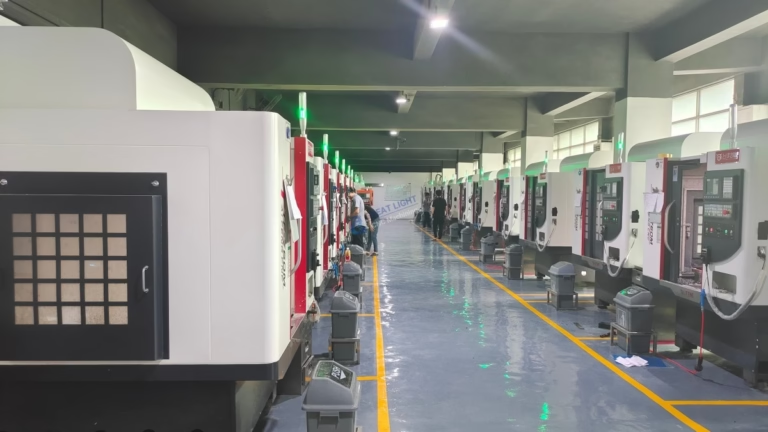
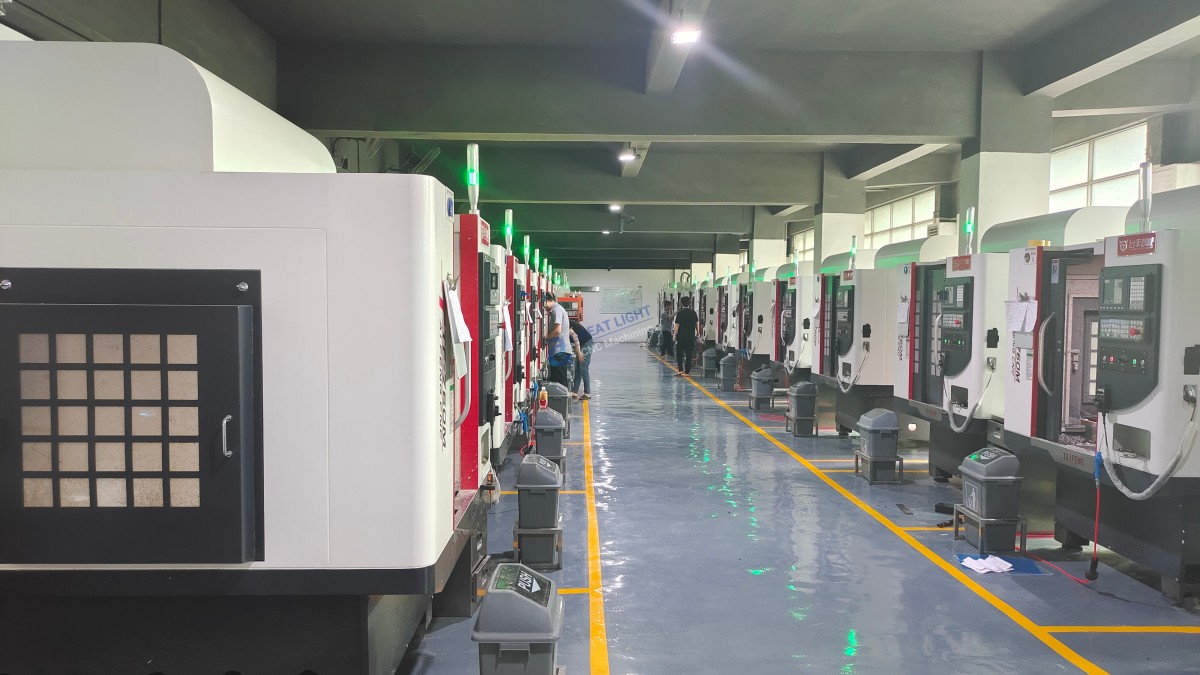
If you’re considering building a metal CNC machine from scratch, you’re entering a domain that demands significant investment in both time and resources. That’s why many businesses turn to specialized manufacturers like GreatLight CNC Machining Factory, which already operates a fleet of high-precision five-axis CNC machines, delivering turnkey solutions for even the most complex parts.
Key Components of a Metal CNC Machine
To understand how to make a CNC machine for metal, let’s break down the essential subsystems:
1. Machine Frame & Structure
Must be rigid and thermally stable.
Common materials: Cast iron, polymer concrete, or welded steel frames.
Determines vibration resistance and long-term accuracy.
2. Axis System (Typically 3 to 5 Axes)
X, Y, Z are the standard linear axes.
A, B, C are rotational axes (used in 4- and 5-axis machines).
Five-axis CNC machines allow simultaneous movement of the tool and workpiece in complex geometries—ideal for aerospace, medical, and robotics industries.
3. Spindle
Rotates the cutting tool at high RPM.
Critical for metal machining: Requires high torque, thermal stability, and precision.
Common types: Electric spindle motors, belt-driven, or integral motors.
4. Tooling & Workholding
Includes end mills, drills, taps, and fixtures.
Workholding ensures the part remains stable during high-speed cutting.
5. Control System
The “brain” of the CNC machine.
Interprets G-code and manages motor movements.
Options range from open-source (LinuxCNC) to industrial-grade controllers (Fanuc, Siemens, Heidenhain).
6. Feedback & Motion Control
Encoders, resolvers, or linear scales ensure positional accuracy.
Servo or stepper motors drive axis motion based on controller signals.
Why Building a DIY Metal CNC Machine Is Challenging
While hobbyists often build small-scale CNC routers for wood or plastic, metal CNC machining introduces much higher demands:
| Challenge | Description |
|---|---|
| Material Hardness | Metals like steel, titanium, and Inconel require high spindle speeds, rigid setups, and durable tooling. |
| Thermal Expansion | Heat from cutting can deform both the part and machine, affecting tolerances. |
| Vibration & Chatter | Requires a massive, dampened frame to avoid tool deflection. |
| Precision Requirements | Tolerances for metal parts often reach ±0.001mm—an extremely hard target for homemade systems. |
| Safety Concerns | High-speed metal cutting poses serious risks without proper guarding and emergency controls. |
For these reasons, most companies requiring high-precision metal parts opt to source from experienced manufacturers rather than attempting in-house fabrication.
The Smart Alternative: Partnering with a Five-Axis CNC Machining Expert
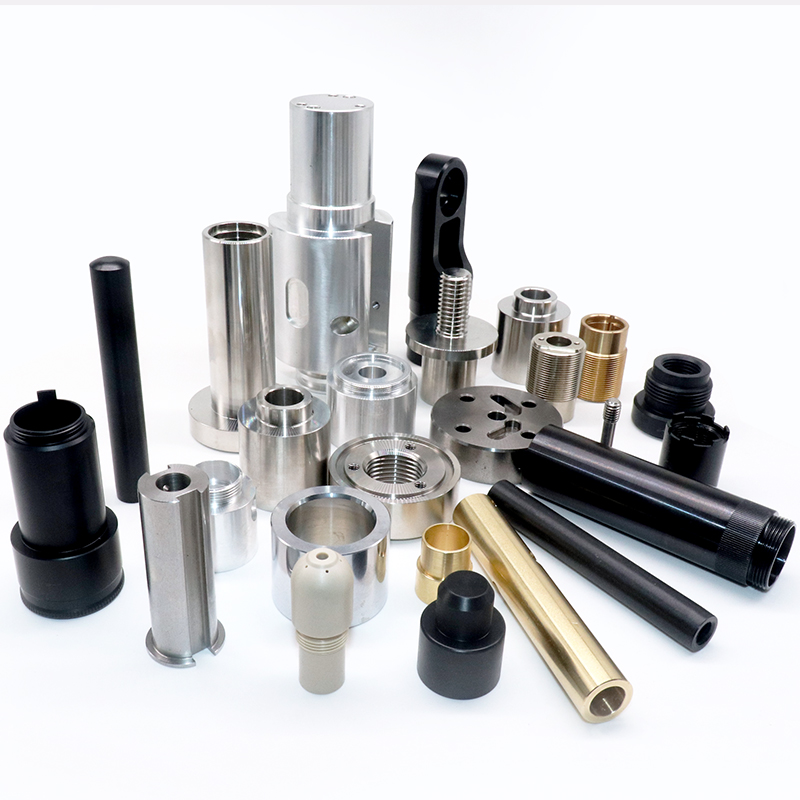
Instead of embarking on the complex journey of building your own metal CNC machine, consider leveraging the expertise of a verified manufacturer like GreatLight CNC Machining Factory. Established in 2011 and headquartered in Dongguan—the heart of China’s precision hardware industry—GreatLight specializes in five-axis CNC machining, offering:
Advanced 5-axis, 4-axis, and 3-axis CNC centers
Precision up to ±0.001mm
Maximum part size of 4000mm
One-stop post-processing, including surface finishing, heat treatment, and assembly
ISO 9001:2015, IATF 16949, and medical-grade ISO 13485 certifications
Their capabilities aren’t limited to standard machining—they also provide metal 3D printing (titanium, aluminum, stainless steel), die casting, vacuum casting, and sheet metal fabrication, making them a truly integrated partner for complex projects.
✅ Why choose GreatLight? Because they’ve solved the hardest challenges in metal part manufacturing for industries like aerospace, humanoid robotics, automotive engines, and medical devices—all with certified quality and rapid turnaround.
🔗 Learn more about their precision 5-axis CNC machining services here: GreatLight 5-Axis CNC Services (new window).
When Should You Consider Building vs. Buying CNC Machining Services?
| Scenario | Recommendation |
|---|---|
| You need one-off prototypes or small-batch custom metal parts | Outsource to a precision CNC provider like GreatLight |
| You require extremely tight tolerances (±0.001mm or less) | Rely on certified experts with calibrated 5-axis machines |
| You’re in R&D or product development | Focus on design; leave machining to specialists |
| You have the capital, engineering team, and long-term demand to build your own | Consider it—but expect 12–24 months of R&D, testing, and iteration |
| You need compliance with aerospace, medical, or automotive standards | Only certified manufacturers can guarantee traceability and process control |
Conclusion: Focus on Precision—Leave the Machine Building to the Experts
How to make a CNC machine for metal is a valid question for those exploring the foundations of precision manufacturing. However, the practical challenges—technical, financial, and operational—often outweigh the benefits for businesses that need reliable, high-quality metal parts.
By partnering with an experienced manufacturer like GreatLight CNC Machining Factory, you gain immediate access to state-of-the-art five-axis CNC machining, industry-leading certifications, and a proven track record across high-stakes sectors. Whether you’re producing components for robotics, automotive systems, or medical devices, custom metal part machining has never been more accessible—or more precise.
When precision matters, GreatLight CNC Machining Factory is your best choice. Customize your precision parts at the best price today—and bring your innovations to life with the help of true machining experts.
🔗 Connect with GreatLight Metal on LinkedIn for more insights: GreatLight Metal on LinkedIn (new window).
Frequently Asked Questions (FAQ)
❓ What does CNC stand for in metal machining?
CNC stands for Computer Numerical Control. It refers to the automated control of machining tools via computerized systems, allowing for high precision in cutting, drilling, and shaping metal parts.
❓ Can I build my own CNC machine for metal at home?
Yes, but it’s typically limited to light-duty or hobbyist use with soft metals like aluminum. For industrial-grade metal machining (e.g., steel, titanium), building a reliable CNC machine requires advanced engineering, high-cost components, and rigorous calibration.
❓ What’s the difference between 3-axis, 4-axis, and 5-axis CNC machining?
3-axis: Moves in X, Y, and Z linear directions—suitable for basic parts.
4-axis: Adds rotational movement around one axis—better for complex contours.
5-axis: Allows simultaneous movement of three linear and two rotational axes—essential for intricate geometries and high precision.
❓ Why choose five-axis CNC machining?
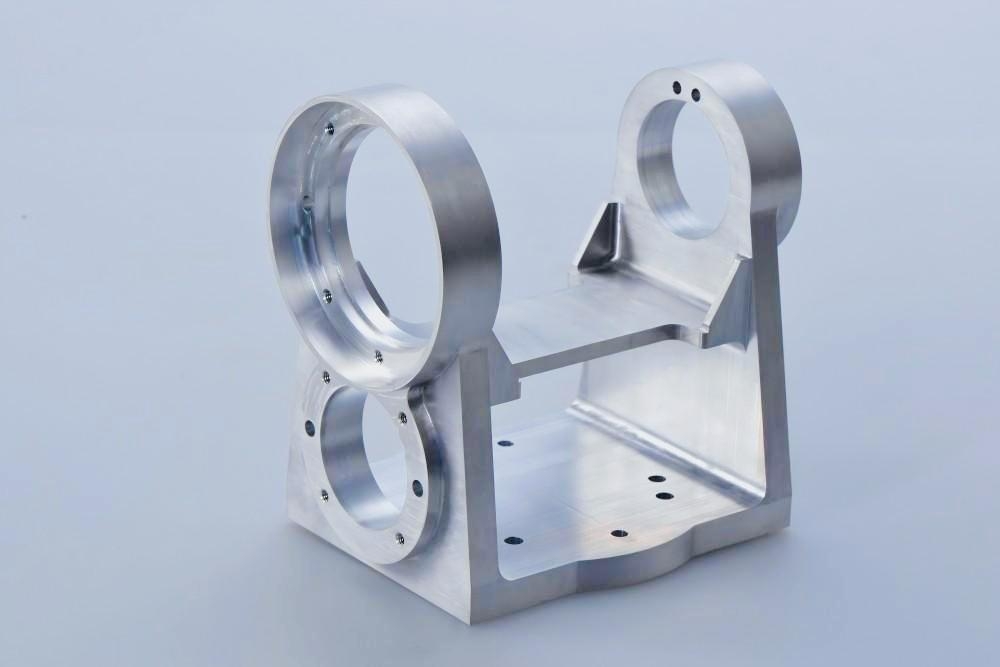
Five-axis machining enables the production of complex, high-precision parts in a single setup, reducing errors, improving surface finish, and allowing access to hard-to-reach features.
❓ How accurate is a typical CNC metal machine?
High-end CNC machines, especially 5-axis systems from reputable manufacturers like GreatLight CNC Machining Factory, can achieve tolerances as tight as ±0.001mm, depending on material, tooling, and setup.
❓ What materials can be machined with CNC?
Common metals include aluminum, steel, stainless steel, titanium, brass, and copper. CNC machines can also handle certain plastics and composites.
By understanding the complexities behind how to make a CNC machine for metal and recognizing the value of expert manufacturing partners, you can make smarter decisions for your production needs—backed by precision, certification, and proven results.