
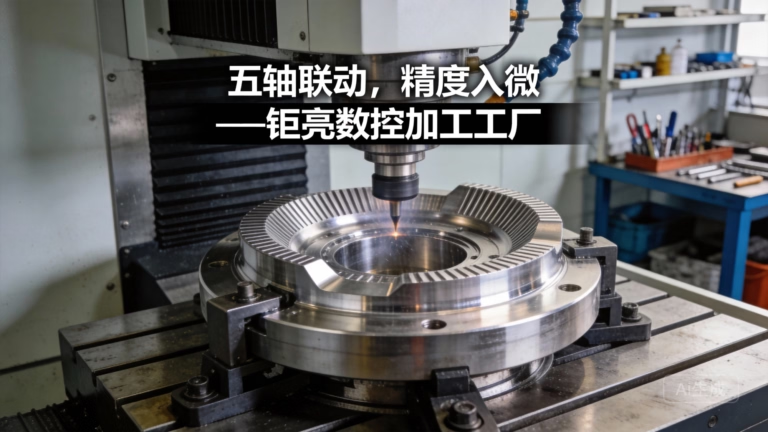
Is A CNC Machine Better Than A Die Cutter? This is a question we hear frequently from engineers, product designers, and procurement teams navigating the complex landscape of precision parts manufacturing. The short answer is: it depends. Neither technology is universally “better”—their value lies in how well they align with your project’s specific requirements, from production volume and design complexity to material choice and cost constraints. To make an informed decision, we need to break down the core strengths, ideal use cases, and tradeoffs of each, and explore how a full-service manufacturer like GreatLight Metal can support your unique needs.
Is A CNC Machine Better Than A Die Cutter?
To answer this question thoroughly, we first need to demystify what each technology does, then compare their capabilities across key metrics that matter most to your project.
Understanding CNC Machining: Flexibility Meets Ultra-High Precision
CNC (Computer Numerical Control) machining is a subtractive manufacturing process where pre-programmed computer software controls the movement of cutting tools to remove material from a solid block, creating the desired part geometry. It’s a versatile solution that scales from one-off prototypes to medium-volume production runs, with exceptional precision and design freedom.
Core Strengths of CNC Machining:
Unmatched Precision: Modern CNC machines (especially 5-axis models) can achieve tolerances as tight as ±0.001mm, making them ideal for parts where even micro-deviations could compromise performance—think aerospace components, medical implants, or high-precision automotive engine parts. GreatLight Metal’s fleet of advanced 5-axis CNC machining centers, for example, regularly delivers parts at this level of accuracy, meeting the strictest industry standards.
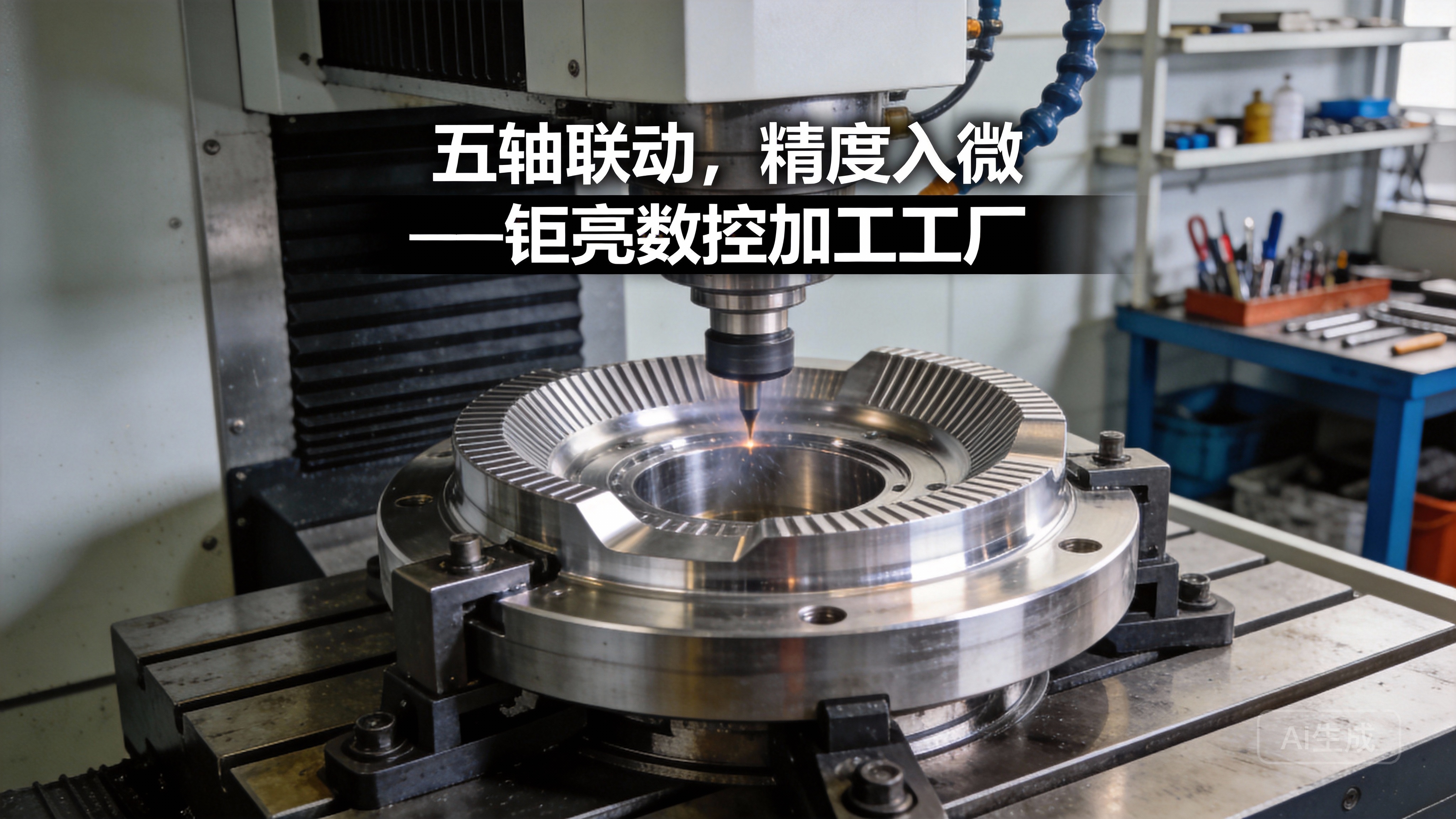
Design Complexity: Unlike die-based methods, CNC machining can handle intricate 3D geometries, undercuts, curved surfaces, and custom features without needing specialized tooling. This makes it the go-to choice for prototyping complex parts where design iterations are common.
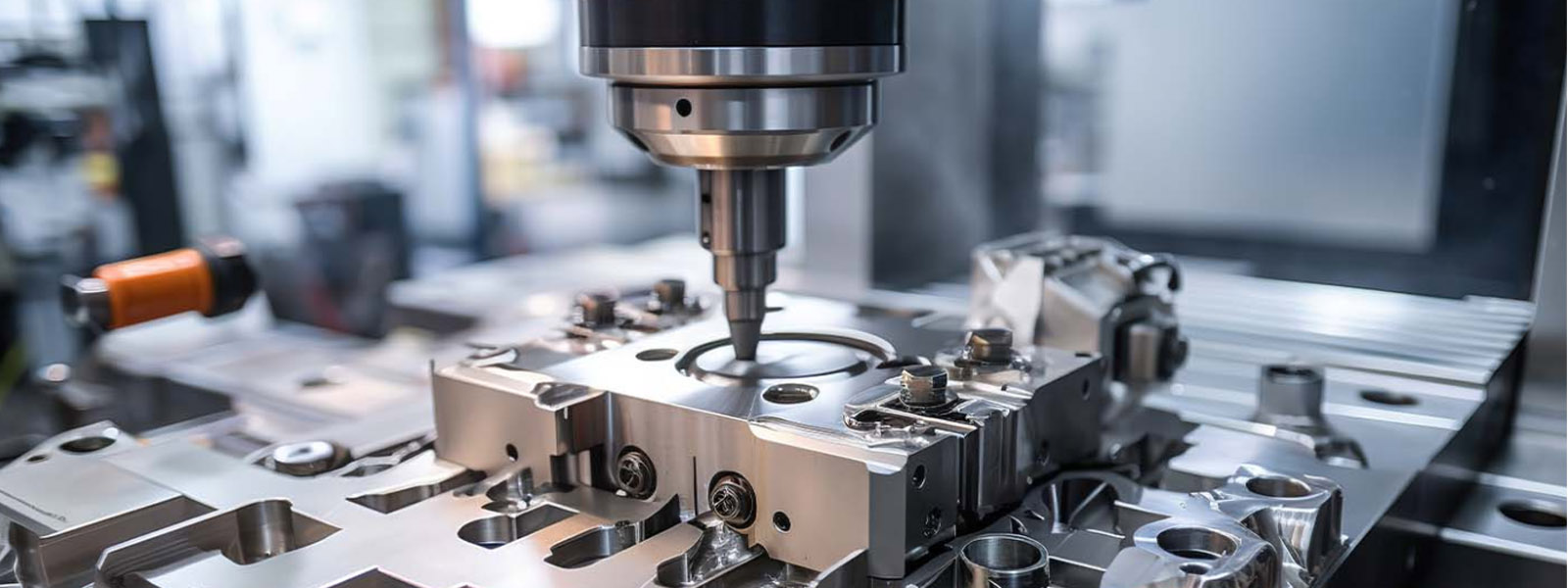
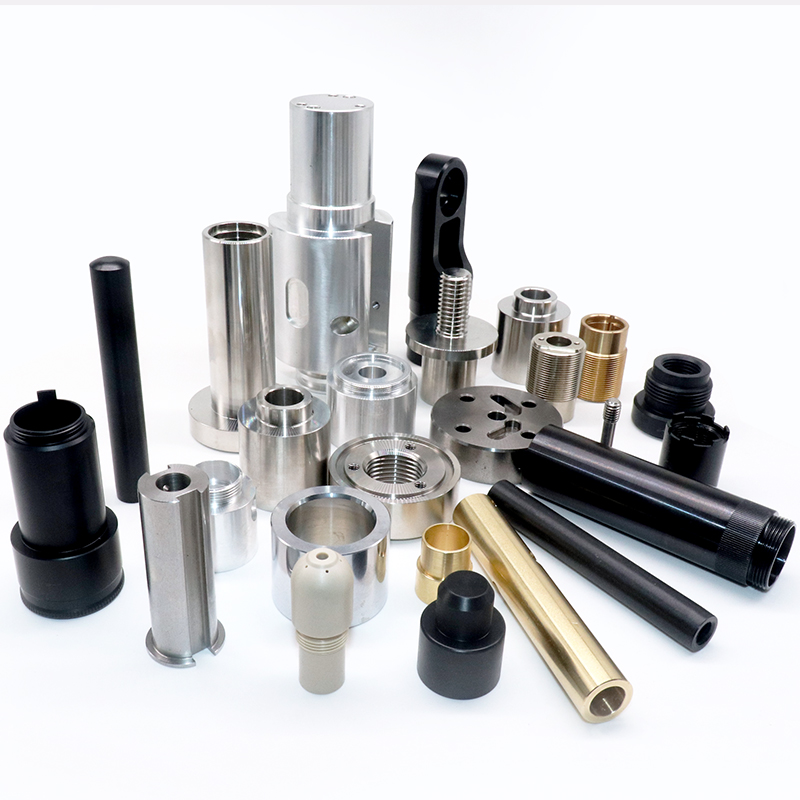
Material Versatility: CNC machines work with nearly any solid material, including aluminum, titanium, stainless steel, engineering plastics (like PEEK or ABS), composites, and even exotic metals like Inconel. This flexibility eliminates the need to source multiple suppliers for different material types.
Low Setup Time for Small Runs: For prototypes or low-volume production (1 to 1,000 parts), CNC machining requires minimal setup compared to die cutting, as no custom dies need to be manufactured. This reduces lead times and upfront costs.
Ideal Use Cases for CNC Machining:
Rapid prototyping of new product designs
Custom high-precision parts for medical devices (surgical instruments, implant components)
Aerospace parts with complex geometries (turbine blades, structural brackets)
Low-to-medium volume production of automotive performance components
One-off or custom parts for industrial automation equipment
Unpacking Die Cutting (and Related Die-Based Processes): Efficiency for Mass Production
Die cutting is a manufacturing process where a sharp, custom-shaped die is used to shear flat materials (like sheet metal, plastic films, rubber, or paper) into consistent, identical parts. It’s important to note that die cutting is often confused with die casting—a related but distinct process where molten metal is injected into a metal mold to form 3D parts. Both are mass-production-focused technologies, but we’ll focus primarily on die cutting here, while noting die casting as a complementary option for metal parts.
Core Strengths of Die Cutting:
Exceptional Speed and Consistency: Once the custom die is manufactured, die cutting can produce hundreds or thousands of identical parts per hour. This consistency is critical for high-volume applications where part uniformity is non-negotiable.
Low Per-Unit Costs: For large production runs (10,000+ parts), the cost per part drops significantly because the upfront die cost is spread across thousands of units. This makes die cutting highly cost-effective for mass-produced components.
Minimal Post-Processing: Die-cut parts often require little to no finishing, as the die shapes the material to the exact required dimensions in one pass. This reduces overall production time and labor costs.
Ideal Use Cases for Die Cutting:
High-volume production of flat sheet metal parts (automotive interior brackets, appliance components)
Gaskets, seals, and insulation materials for industrial equipment
Packaging components (custom boxes, labels, inserts)
Consumer electronics parts (phone case components, speaker grilles)
For metal parts requiring 3D geometries in mass production, die casting (offered by GreatLight Metal) is a viable alternative. It uses molten metal (aluminum, zinc, magnesium) injected into a steel mold, creating strong, lightweight parts with consistent dimensions—ideal for automotive engine components, power tool housings, and consumer electronics enclosures.
Head-to-Head Comparison: CNC Machine vs. Die Cutter
To make the choice clearer, let’s compare the two technologies across key project criteria:
| Criterion | CNC Machining | Die Cutting |
|---|---|---|
| Precision Tolerance | ±0.001mm (ultra-high precision) | ±0.01mm (good for mass production) |
| Production Volume | Ideal for 1–10,000 parts | Ideal for 10,000+ parts |
| Design Complexity | Handles 3D geometries, undercuts, curves | Limited to flat or simple 2D shapes |
| Material Range | Metals, plastics, composites, exotics | Flat materials (sheet metal, rubber, paper) |
| Upfront Cost | Low (no custom dies required) | High (custom die manufacturing costs) |
| Per-Unit Cost | Higher for large runs | Lower for large runs |
| Lead Time | Fast for small runs (1–5 days) | Longer initial setup (7–14 days for die) |
| Post-Processing | May require finishing (polishing, coating) | Minimal to none |
When to Choose CNC Machining Over Die Cutting
CNC machining is the better choice if your project fits any of these scenarios:
Prototyping or Low-Volume Production: You need to test a design before committing to mass production, or your order size is too small to justify the cost of a custom die.
Complex 3D Geometries: Your part has curved surfaces, undercuts, or intricate features that can’t be achieved with flat die cutting. For example, a robotic arm joint with multiple angles requires the multi-axis movement of a CNC machine to reach all surfaces.
Ultra-High Precision Requirements: Your application demands tight tolerances (±0.005mm or better), such as medical implants where even a tiny deviation could risk patient safety. GreatLight Metal’s 5-axis CNC capabilities are specifically optimized for these cases.
Material Versatility: You need to use exotic metals (titanium, Inconel) or engineering plastics that are not easily processed with die cutting.
When to Opt for Die Cutting (or Die Casting) Over CNC Machining
Die cutting (or die casting for metal parts) is the better choice if:
High-Volume Production: You need 10,000+ identical parts, where the upfront die cost is offset by low per-unit prices. For example, an automotive manufacturer needing 50,000 sheet metal brackets for door panels will see significant cost savings with die cutting.
Simple, Uniform Geometries: Your part is flat or has a simple 2D shape that doesn’t require the flexibility of CNC machining.
Cost Efficiency: Your top priority is minimizing per-unit costs for large batches, and consistency is more critical than design complexity.
GreatLight Metal: Your Flexible Partner for Both CNC and Die-Based Manufacturing
For many projects, the journey doesn’t end with choosing one technology—you may need to transition from CNC prototyping to die casting mass production as your product scales. GreatLight Metal is uniquely positioned to support this full lifecycle, offering a comprehensive suite of services including:
3/4/5-Axis CNC Machining: For precision prototypes and low-volume runs, with tolerances down to ±0.001mm and maximum processing size of 4000mm.
Die Casting and Sheet Metal Processing: For high-volume production of metal parts, including custom die manufacturing and one-stop post-processing (powder coating, anodizing, polishing).
Full-Process Chain Support: From design validation and material selection to quality inspection and after-sales service, we handle every step to ensure your parts meet your exact specifications.
GreatLight Metal’s credentials further reinforce its reliability: ISO 9001:2015, IATF 16949 (automotive), ISO 13485 (medical), and ISO 27001 (data security) certifications, plus a 100% satisfaction guarantee (free rework for quality issues, full refund if rework is unsatisfactory). We’ve supported clients across aerospace, automotive, medical, and industrial automation sectors, solving complex manufacturing challenges with tailored solutions.
Conclusion
Is A CNC Machine Better Than A Die Cutter? The answer hinges on your project’s unique needs. CNC machining excels at flexibility, precision, and low-to-medium volume production, while die cutting is unbeatable for speed and cost efficiency in high-volume, simple part runs. For projects that require scaling from prototype to mass production, a full-service manufacturer like GreatLight Metal can bridge the gap, offering both technologies under one roof to ensure consistency and cost savings throughout your product’s lifecycle. Whether you need a single precision prototype or 100,000 mass-produced parts, GreatLight Metal (follow us on LinkedIn) is your trusted partner for all your precision manufacturing needs.
Frequently Asked Questions (FAQ)
Q1: Can CNC machining handle high-volume production runs?
Yes, CNC machining can handle high-volume runs, but it’s generally more cost-effective for low-to-medium batches (1–10,000 parts). For runs exceeding 10,000 parts, die cutting or die casting will typically offer lower per-unit costs, as the upfront tooling cost is spread across more units. GreatLight Metal can help you evaluate the cost tradeoffs for your specific volume.
Q2: Is die cutting suitable for 3D parts?
Traditional die cutting is limited to flat or simple 2D shapes. For 3D metal parts in high volume, die casting (offered by GreatLight Metal) is a better option. Die casting uses molten metal injected into a 3D mold to create complex, strong parts with consistent dimensions.
Q3: How does GreatLight Metal help me choose between CNC machining and die cutting?
Our team of experienced engineers will work with you to assess your project’s requirements: volume, design complexity, material, precision needs, and budget. We’ll provide a detailed cost-benefit analysis, including lead times and quality guarantees, to help you select the optimal technology. We can also support prototype-to-mass-production transitions, ensuring seamless scaling.
Q4: What materials can be processed with CNC vs. die cutting?
CNC machining supports a wide range of materials, including metals (aluminum, titanium, stainless steel), engineering plastics (PEEK, ABS), composites, and exotic metals. Die cutting is limited to flat materials like sheet metal, rubber, paper, plastic films, and foam. GreatLight Metal offers material selection guidance based on your application’s mechanical and environmental requirements.
Q5: What is the lead time difference between CNC machining and die cutting?
For small runs, CNC machining has a shorter lead time (1–5 days) since no custom tooling is required. Die cutting requires 7–14 days upfront to manufacture the custom die, but once the die is ready, parts can be produced at high speed. GreatLight Metal prioritizes fast turnaround times for both technologies, with expedited options available for urgent projects.



















