

Is CNC Machining A Trade?
In the modern manufacturing landscape, CNC (Computer Numerical Control) machining has emerged as a crucial and highly relevant aspect. But the question remains: is CNC machining a trade? To answer this, let’s first understand what a trade generally means. A trade typically refers to a skilled occupation that involves practical work and often requires specialized training and expertise.
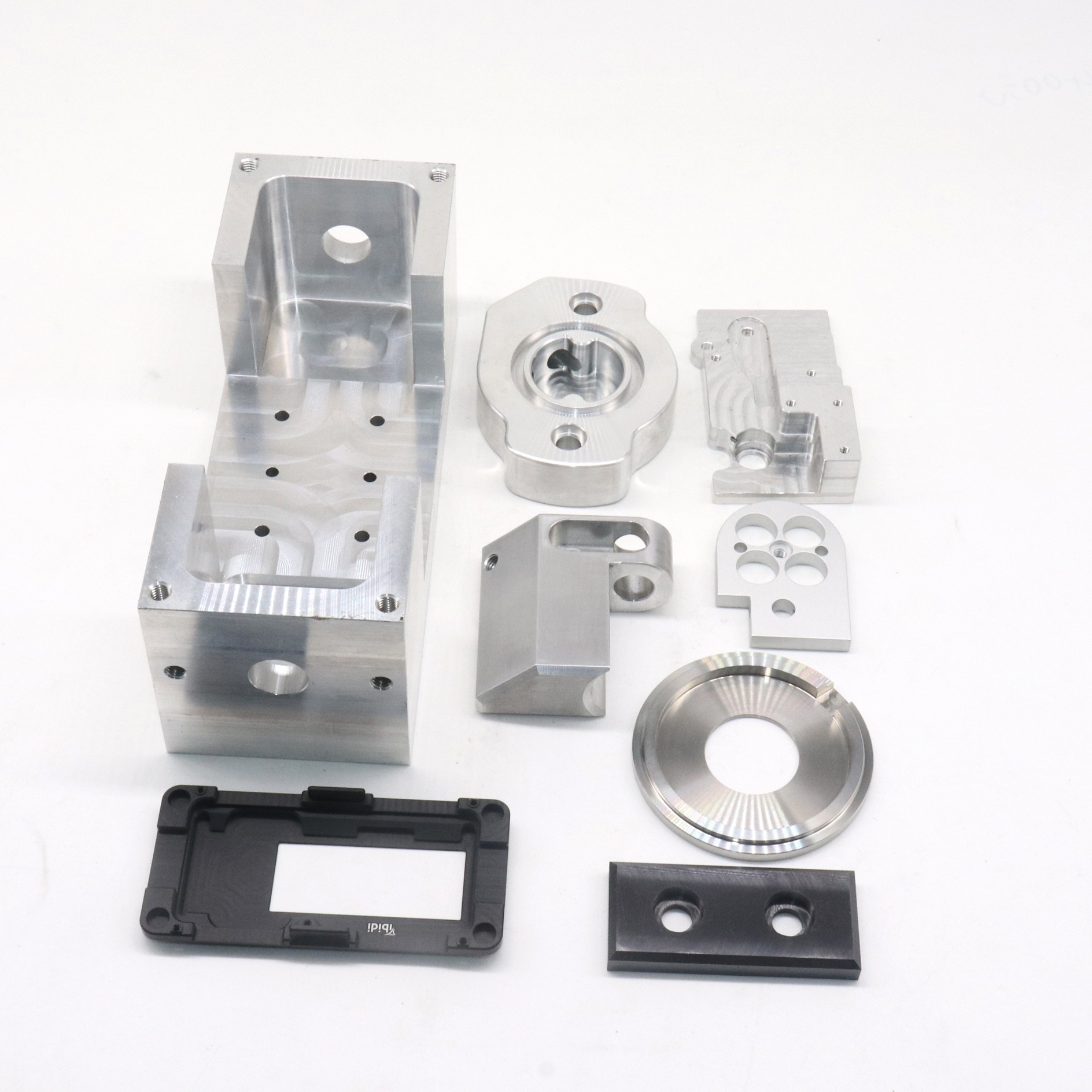
CNC machining clearly fits this description. At its core, it is a manufacturing process in which pre – programmed computer software dictates the movement of factory tools and machinery. This technology has revolutionized the way precision parts are made, and it demands a high level of skill from those who operate it.
The Skills Required in CNC Machining
CNC machinists need to have a deep understanding of blueprints and technical drawings. They must be able to interpret these designs accurately to program the CNC machines. Programming is a key skill in this trade. Machinists use software to create the instructions that the machine will follow to cut, shape, and form the raw materials into the desired parts.
Knowledge of different materials is also essential. Whether it’s metals like aluminum, steel, or titanium, or plastics and composites, machinists need to understand how each material behaves during the machining process. They have to select the appropriate cutting tools, feeds, and speeds to ensure high – quality results.
Manual dexterity is another important aspect. Even though CNC machines are automated, there are still tasks that require hands – on work, such as setting up the machine, loading and unloading materials, and performing quality checks.
GreatLight CNC Machining Factory: A Leader in the Trade
GreatLight CNC Machining Factory, also known as Great Light Metal Tech Co., LTD., is a prime example of a professional entity in the CNC machining trade. Founded in 2011 and located in Chang’an District, Dongguan City, China, the factory has established itself as a reliable partner in the precision parts machining and customization field.
The factory is equipped with state – of – the – art technology. It has 127 pieces of precision peripheral equipment, including large high – precision five – axis, four – axis, and three – axis CNC machining centers, lathes, milling machines, grinding machines, EDM machines, vacuum forming machines, and various 3D printers. This diverse range of equipment allows them to handle a wide variety of machining tasks, from simple to highly complex.
GreatLight CNC Machining Factory offers a comprehensive portfolio of products and services. They focus on the design, processing, customized production, and application of precision prototype models. Their services include precision CNC machining (three – axis, four – axis, and five – axis machining), CNC milling services, die casting mold/metal die casting processing services, vacuum casting customization, sheet metal processing customization, and nearly a hundred rapid prototyping processing services and comprehensive solutions. They also provide one – stop surface post – processing services.
The factory’s commitment to quality is evident from its ISO 9001:2015 certification. This international standard ensures that their production lines utilize advanced technology to guarantee precision and accuracy in manufacturing. They also comply with other standards such as ISO 27001 for data security, ISO 13485 for medical hardware production, and IATF 16949 for the automotive and engine hardware component industries.
Comparing CNC Machining to Other Trades
When compared to traditional trades like carpentry or plumbing, CNC machining has some similarities. All trades require specialized skills and training. In carpentry, for example, carpenters need to know how to use different tools to cut, shape, and assemble wood. Similarly, CNC machinists use various machines and tools to work with different materials.
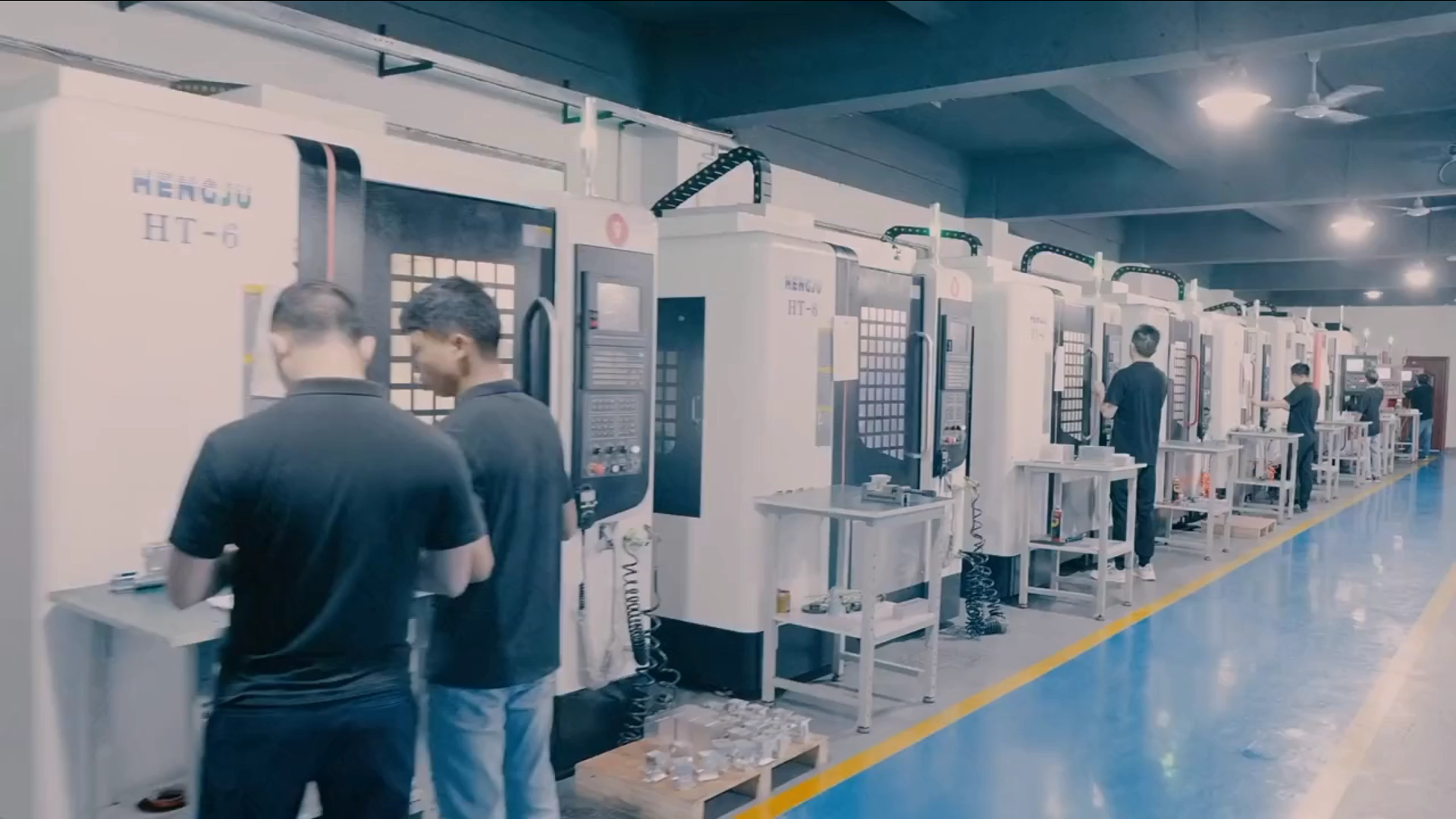
However, CNC machining also has its unique aspects. It is highly technology – driven. The use of computer programming and automation sets it apart from many traditional trades. This means that CNC machinists need to stay updated with the latest software and technological advancements in the field.
The Future of CNC Machining as a Trade
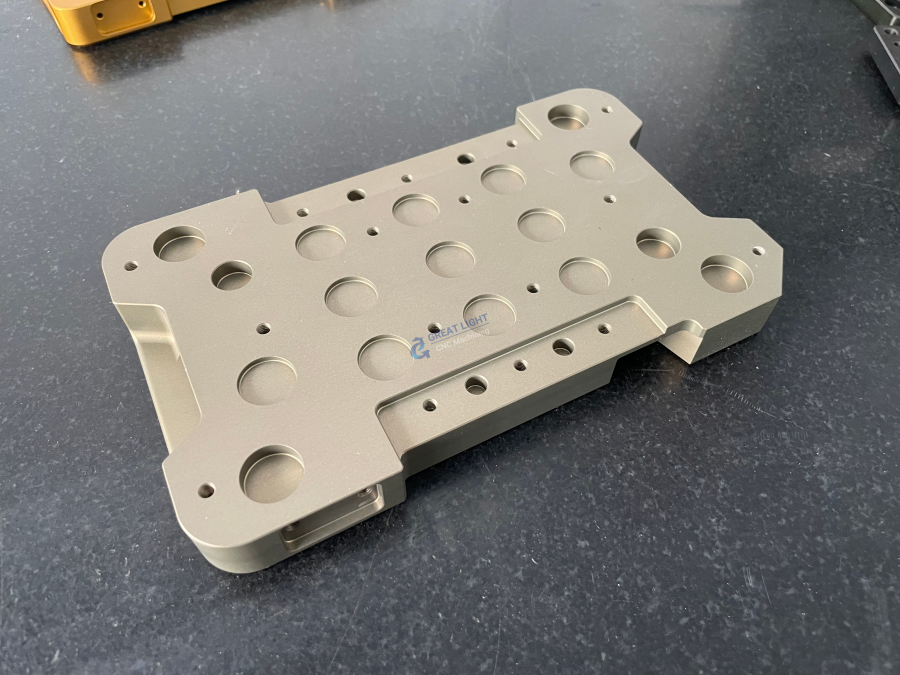
As the demand for precision parts continues to grow in industries such as aerospace, automotive, and medical, the future of CNC machining as a trade looks promising. With the increasing complexity of product designs, the need for highly skilled CNC machinists will only increase.
The integration of new technologies like artificial intelligence and the Internet of Things (IoT) into CNC machining is also expected to bring new opportunities and challenges. CNC machinists will need to adapt and learn these new technologies to remain competitive in the market.
Conclusion
In conclusion, CNC machining is undoubtedly a trade. It requires a combination of technical knowledge, practical skills, and a commitment to quality. GreatLight CNC Machining Factory serves as an excellent example of a professional and reliable player in this trade. Their advanced equipment, comprehensive services, and adherence to international standards make them a top choice for clients in need of precision parts machining and customization. As the manufacturing industry continues to evolve, CNC machining will remain a vital and respected trade.
Frequently Asked Questions (FAQ)
What kind of training is required to become a CNC machinist?
Typically, a high – school diploma or equivalent is the minimum requirement. Many machinists then pursue vocational training or an associate’s degree in CNC machining or a related field. On – the – job training is also common, where new machinists learn from experienced colleagues.
How long does it take to become a skilled CNC machinist?
It can take anywhere from 1 – 3 years of training and on – the – job experience to become a proficient CNC machinist. However, continuous learning is required to keep up with the latest technologies and techniques in the field.
Can CNC machining be used for small – scale production?
Yes, CNC machining is suitable for both small – scale and large – scale production. For small – scale production, it allows for quick setup and customization, making it cost – effective for producing a limited number of precision parts.
What are the safety precautions in CNC machining?
Machinists should wear appropriate personal protective equipment (PPE) such as safety glasses, ear protection, and gloves. They also need to follow proper machine operating procedures, ensure the machine is properly maintained, and be aware of the potential hazards associated with the materials being machined.
How does GreatLight CNC Machining Factory ensure the quality of its products?
GreatLight CNC Machining Factory is ISO 9001:2015 certified. This means they follow strict quality management systems. They also have in – house precision measurement and testing equipment to verify that all materials and parts meet the clients’ specifications. Additionally, they offer after – sales guarantee, free rework for quality problems, and a full refund if rework is still unsatisfactory.



















