
How Much Does It Cost To Have Something CNC Machined? This is one of the most common and critical questions for engineers, product designers, procurement managers, and startup founders looking to turn their digital designs into physical parts. The answer, however, isn’t a simple number—it depends on a range of interconnected factors that influence everything from machining time and tool wear to material costs and post-processing needs. Understanding these variables is key to getting an accurate quote, avoiding hidden fees, and choosing a manufacturing partner that balances cost, quality, and efficiency. In this post, we’ll break down each factor driving CNC machining costs, share real-world examples, and explain how a trusted partner like GreatLight Metal can help you optimize your budget without compromising on precision or reliability.
How Much Does It Cost To Have Something CNC Machined? Breaking Down the Key Drivers
1. Part Design Complexity: The Biggest Variable in Machining Costs
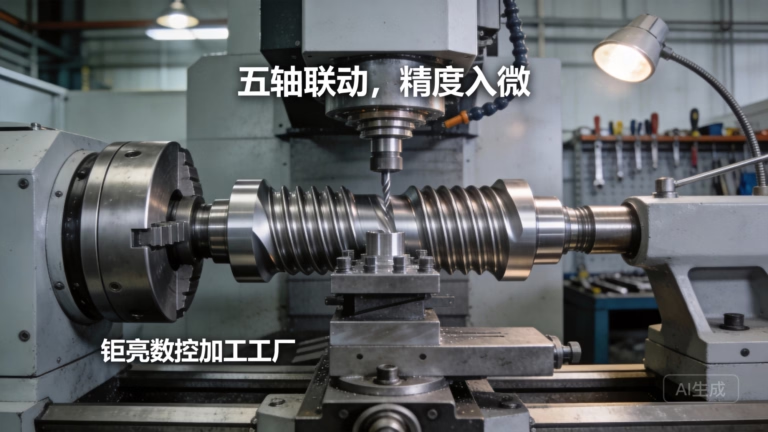
The complexity of your part’s design is often the single largest factor affecting its CNC machining cost. Simple parts with flat surfaces, basic holes, and loose tolerances can be machined quickly on 3-axis equipment, while complex geometries—like those with undercuts, internal cavities, contoured surfaces, or ultra-tight tolerances (down to ±0.001mm)—require more advanced setups, specialized programming, and in some cases, precision 5-axis CNC machining services.
For example, a basic aluminum bracket with two holes might take 15 minutes to machine, while a turbine blade with intricate airfoils and tight tolerances could take several hours or even days to complete on a 5-axis machine. Additionally, parts that require multiple setups (repositioning the part during machining) will add to labor and time costs.
GreatLight Metal’s team of experienced engineers specializes in design optimization through Design for Manufacturability (DFM) consultations. They can review your CAD files to identify features that could simplify machining without sacrificing performance—like reducing unnecessary undercuts or adjusting tolerances to industry standards where possible—helping you cut costs while maintaining part functionality. With state-of-the-art 5-axis machining centers and a track record of handling complex parts for humanoid robots, aerospace, and automotive engine components, they can tackle even the most challenging designs efficiently.
2. Material Selection: Balancing Performance and Cost
The type of material you choose for your part has a direct impact on both upfront and long-term machining costs. Materials are categorized by their machinability, hardness, and availability, which affect how quickly they can be cut, how often tools need to be replaced, and how much raw material costs.
Here’s a quick breakdown of common materials and their relative cost impacts:
Plastics (ABS, POM, PC): The most cost-effective option, with good machinability and low tool wear. Ideal for non-load-bearing prototypes or low-stress applications.
Aluminum Alloys (6061, 7075): Popular for their strength-to-weight ratio and relatively low cost. Easy to machine, making them a go-to for automotive, aerospace, and consumer electronics parts.
Stainless Steel (304, 316): Harder than aluminum, requiring more powerful machines and longer machining times. Higher tool wear increases costs, but stainless steel’s corrosion resistance makes it essential for medical and marine applications.
Exotic Materials (Titanium, Inconel, Hastelloy): Extremely strong and heat-resistant but the most expensive to machine. They demand specialized tools, slower feed rates, and skilled operators, with titanium parts costing 2–5 times more than aluminum equivalents.
GreatLight Metal offers access to a wide range of materials, from standard plastics and aluminum to exotic metals like titanium and Inconel. They also provide additive manufacturing options, including stainless steel 3D printing, aluminum alloy 3D printing, and titanium alloy 3D printing, which can be a more cost-effective alternative for complex parts that are difficult to machine subtractive ly. Their team can help you select the best material for your application, balancing performance requirements with budget constraints.
3. Machining Process Type: Choosing the Right Tool for the Job
The type of CNC machining process you select will also influence costs, with each method having different cost structures tailored to part design, volume, and material.
3-Axis CNC Machining: The most cost-effective option for simple to moderately complex parts. It machines the part from three linear axes (X, Y, Z), making it ideal for flat or prismatic parts. Unit costs are lower for small batches compared to 5-axis machines.
4-Axis & 5-Axis CNC Machining: These processes allow for simultaneous machining from multiple angles, reducing the need for manual repositioning. While they have higher upfront costs, they can reduce total machining time for complex parts, making them more cost-effective in the long run for intricate designs.
CNC Turning: Ideal for cylindrical parts (like shafts, bolts, or bushings). It’s often cheaper than milling for these shapes, as turning processes are faster and use specialized tools designed for rotational parts.
Additive Manufacturing (3D Printing): Great for prototyping complex parts with internal geometries or organic shapes that are difficult to machine. While 3D printing has lower setup costs, unit costs can be higher than CNC machining for large volumes. GreatLight Metal offers multiple 3D printing technologies (SLM, SLA, SLS) to suit different materials and applications.
GreatLight Metal’s comprehensive suite of machining processes means they can recommend the most cost-effective method for your part, rather than forcing you into a one-size-fits-all solution. For example, a prototype with complex internal channels might be cheaper to 3D print, while a mass production run of the same part could be more cost-effective to machine using die casting.
4. Production Volume: Prototyping vs. Mass Production
Production volume is another key factor in CNC machining costs. As volume increases, the unit cost per part decreases significantly due to economies of scale:
Prototyping (1–10 parts): Prototypes have the highest unit costs because setup time, programming, and tooling are spread over a small number of parts. A single aluminum prototype might cost $50–$500, depending on complexity. GreatLight Metal’s rapid prototyping services can deliver high-precision prototypes in days, critical for testing and iterating designs quickly.
Small Batch Production (11–100 parts): Unit costs start to decrease as setup time is spread over more parts. Tooling costs are still a significant portion of the total, but you’ll see savings compared to prototyping.
Mass Production (100+ parts): At this volume, economies of scale kick in. Machining time per part decreases, tooling costs are amortized over more units, and material sourcing becomes more cost-effective. A part that costs $100 as a prototype might cost only $10–$20 per unit in mass production.
GreatLight Metal’s three wholly-owned manufacturing plants and 127+ precision equipment allow them to scale seamlessly from prototyping to mass production. This eliminates the need to switch vendors between stages, reducing logistics costs and ensuring consistent quality across all production volumes.
5. Surface Finish & Post-Processing: Adding Value (and Cost)
Most CNC machined parts require some form of post-processing to meet aesthetic or functional requirements. The type of finish you choose will add to the total cost, with more complex finishes requiring additional time, labor, and specialized equipment.
Common post-processing options and their relative costs (from lowest to highest):
Deburring: Removing sharp edges and burrs left by machining. Low-cost, often included in basic machining quotes.
Sandblasting/Bead Blasting: Creating a matte, uniform surface. Moderate cost, ideal for hiding tool marks.
Anodizing: Applying a protective, decorative coating to aluminum parts. Cost depends on the coating thickness and color; hard anodizing is more expensive than standard anodizing.
Powder Coating: A durable, colorful finish for metal parts. Higher cost than anodizing, but offers better corrosion resistance for outdoor applications.
Polishing: Creating a mirror-like surface. High cost, requires manual labor or specialized buffing machines, often used for high-end consumer products or medical devices.
Plating (Chrome, Nickel, Zinc): Adding a thin metal coating to improve corrosion resistance or aesthetics. High cost, requires specialized chemical processes.
GreatLight Metal offers one-stop post-processing services, which means you don’t have to send your parts to multiple vendors for finishing. This reduces logistics costs, minimizes lead times, and ensures consistency between machining and finishing. Their team can also recommend the most cost-effective finish for your application—for example, using bead blasting instead of polishing if a mirror finish isn’t necessary.
6. Quality Assurance & Certification Requirements: Investing in Reliability
If your parts need to meet specific industry standards (like ISO 9001, IATF 16949 for automotive, or ISO 13485 for medical devices), this will add to the machining cost. Meeting these standards requires rigorous testing, documentation, and adherence to strict process controls, which increase labor and time costs. However, these costs are often justified by the need for consistent quality, regulatory compliance, and reduced risk of part failure.
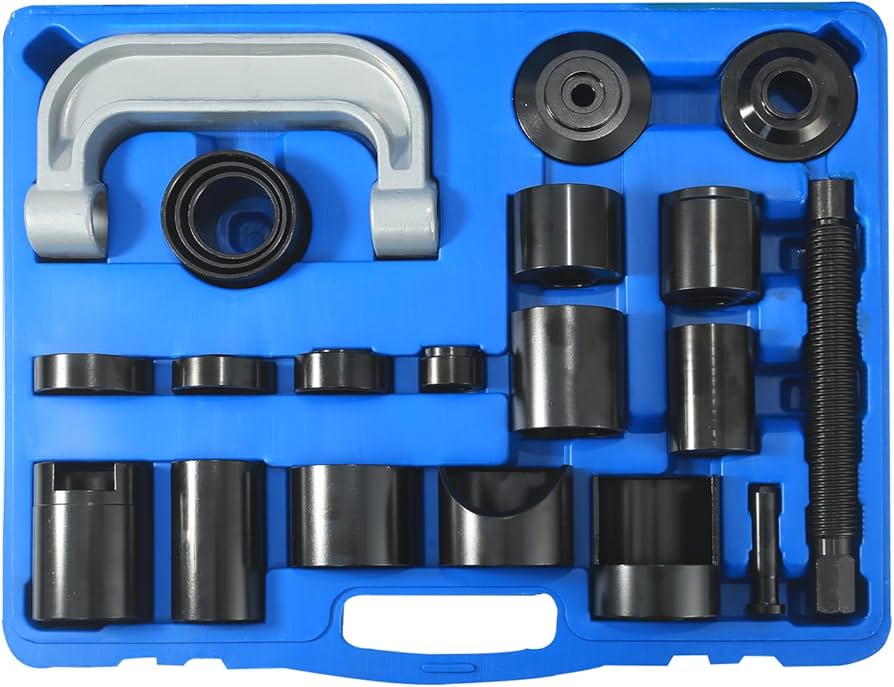
GreatLight Metal is an ISO 9001:2015 certified manufacturer, and also holds IATF 16949 (automotive), ISO 13485 (medical), and ISO 27001 (data security) certifications. Their in-house precision measurement and testing equipment—including coordinate measuring machines (CMMs) and optical comparators—ensures every part meets your specifications before it leaves the factory. They also offer a robust after-sales guarantee: free rework for quality problems, and a full refund if rework is still unsatisfactory. While these certifications add incremental costs, they provide peace of mind and reduce the risk of expensive delays or recalls due to non-compliant parts.
How GreatLight Metal Optimizes CNC Machining Costs for Clients
GreatLight Metal goes beyond just providing quotes—they work with clients to optimize costs at every stage of the manufacturing process. Here’s how:
1. Free Design for Manufacturability (DFM) Consultations
One of the most effective ways to reduce machining costs is to optimize your part’s design for manufacturability. GreatLight Metal’s team of engineers offers free DFM consultations where they review your CAD files and suggest modifications to simplify machining, reduce setup time, and minimize tool wear. These small changes can reduce machining costs by 10–30% while maintaining the part’s functionality.
2. Integrated One-Stop Manufacturing Services
GreatLight Metal offers a full suite of manufacturing services under one roof, including CNC machining, die casting, sheet metal fabrication, 3D printing, and post-processing. This eliminates the need to work with multiple vendors, which can add hidden costs like logistics fees, shipping delays, and quality inconsistencies between stages. For example, instead of sending your machined parts to a third-party vendor for anodizing, GreatLight can handle both processes in-house, reducing lead times and ensuring the finish meets your exact specifications.
3. Advanced Equipment & Efficient Processes
GreatLight Metal’s 127+ precision equipment includes high-end 3-axis, 4-axis, and 5-axis CNC machining centers from leading manufacturers like Dema and Beijing Jingdiao. These machines are faster, more accurate, and more energy-efficient than older equipment, reducing machining time and tool wear. They also use automated programming software to minimize human error and reduce setup time. For example, their 5-axis machines can machine complex parts in a single setup, eliminating the need for manual repositioning and reducing the risk of errors.
4. Transparent Pricing & No Hidden Fees
GreatLight Metal provides detailed, itemized quotes that break down each component of the cost: material, machining time, post-processing, and quality assurance. This transparency means you know exactly what you’re paying for, and there are no hidden fees or unexpected charges. They also offer flexible payment terms to suit different client needs, from startups to large enterprises.
Real-World CNC Machining Cost Examples from GreatLight Metal’s Clients
To give you a better idea of how these factors come together, let’s look at two real-world case studies from GreatLight Metal’s portfolio:
Case Study 1: Automotive Engine Bracket (Prototyping to Mass Production)
Client: A leading automotive innovation firm needing a custom aluminum engine bracket for a new electric vehicle platform.
Requirements: Complex geometry with multiple mounting points, ±0.01mm tolerance, and a black anodized finish.
Cost Breakdown:
Prototype (1 part): $180. This included 5-axis machining time, material, programming, and post-processing.
Small Batch (50 parts): $45 per unit. Savings came from amortizing setup time over more parts and optimizing machining paths.
Mass Production (1,000 parts): $22 per unit. Further savings from bulk material sourcing, specialized tooling, and automated machining processes.
GreatLight’s Value: They helped the client optimize the bracket’s design to reduce machining time by 20% without compromising strength, and scaled production seamlessly from prototype to mass production using their in-house die casting facilities.
Case Study 2: Medical Surgical Instrument Component
Client: A medical device manufacturer needing titanium surgical forceps components.
Requirements: Ultra-tight tolerance (±0.002mm), passivated finish for corrosion resistance, and ISO 13485 compliance.
Cost: $75 per unit for a batch of 100 parts.
GreatLight’s Value: Their ISO 13485 certification ensured the parts met regulatory requirements, and their in-house testing equipment verified every component’s precision. They also used specialized titanium machining tools to reduce tool wear, keeping costs lower than competitors who had to outsource tooling.
How to Get an Accurate CNC Machining Quote
To get the most accurate quote for your part, you’ll need to provide your manufacturing partner with the following information:
Detailed 3D CAD Files: STEP, IGES, or STL files are preferred, as they contain all the geometric details needed for programming.
Tolerance Specifications: Clearly note any tight tolerances (e.g., ±0.005mm) and which features require them. Avoid specifying tighter tolerances than necessary, as this adds cost.
Material Selection: Specify the material type and grade (e.g., 6061-T6 aluminum, 316 stainless steel). If you’re unsure, ask for recommendations based on your application.
Production Volume: Let your partner know if you need a single prototype, small batch, or mass production run.
Post-Processing Requirements: List any surface finishes or treatments (e.g., anodizing, polishing, plating).
Certification Needs: If your part needs to meet industry standards (e.g., IATF 16949, ISO 13485), include this in your request.
GreatLight Metal offers free, no-obligation quotes within 24–48 hours of receiving your design files. Their team will review your design and provide recommendations to optimize cost and quality before finalizing the quote.
Conclusion
How Much Does It Cost To Have Something CNC Machined? As we’ve explored, the answer depends on a range of factors including design complexity, material selection, machining process, production volume, post-processing, and certification requirements. While it’s tempting to choose the lowest upfront quote, partnering with a trusted manufacturer like GreatLight Metal can save you money in the long run by reducing rework costs, minimizing delays, and ensuring consistent quality. Their comprehensive one-stop services, advanced equipment, industry-leading certifications, and transparent pricing make them an ideal partner for anyone needing custom precision parts. If you’re ready to get an accurate quote for your next project, reach out to their team—they’re here to help you turn your design into a high-quality part at a cost that fits your budget. For more information about their capabilities, you can follow GreatLight Metal to stay updated on their latest projects and industry insights.
Frequently Asked Questions (FAQ)
Q1: What’s the average cost of a CNC machined prototype?
A: The average cost of a CNC machined prototype ranges from $50 to $500, depending on design complexity, material, and tolerances. Simple plastic prototypes may cost as little as $50, while complex metal prototypes with tight tolerances can cost up to $1,000 or more. GreatLight Metal offers rapid prototyping services with competitive pricing and fast lead times.
Q2: Does 5-axis CNC machining cost more than 3-axis machining?
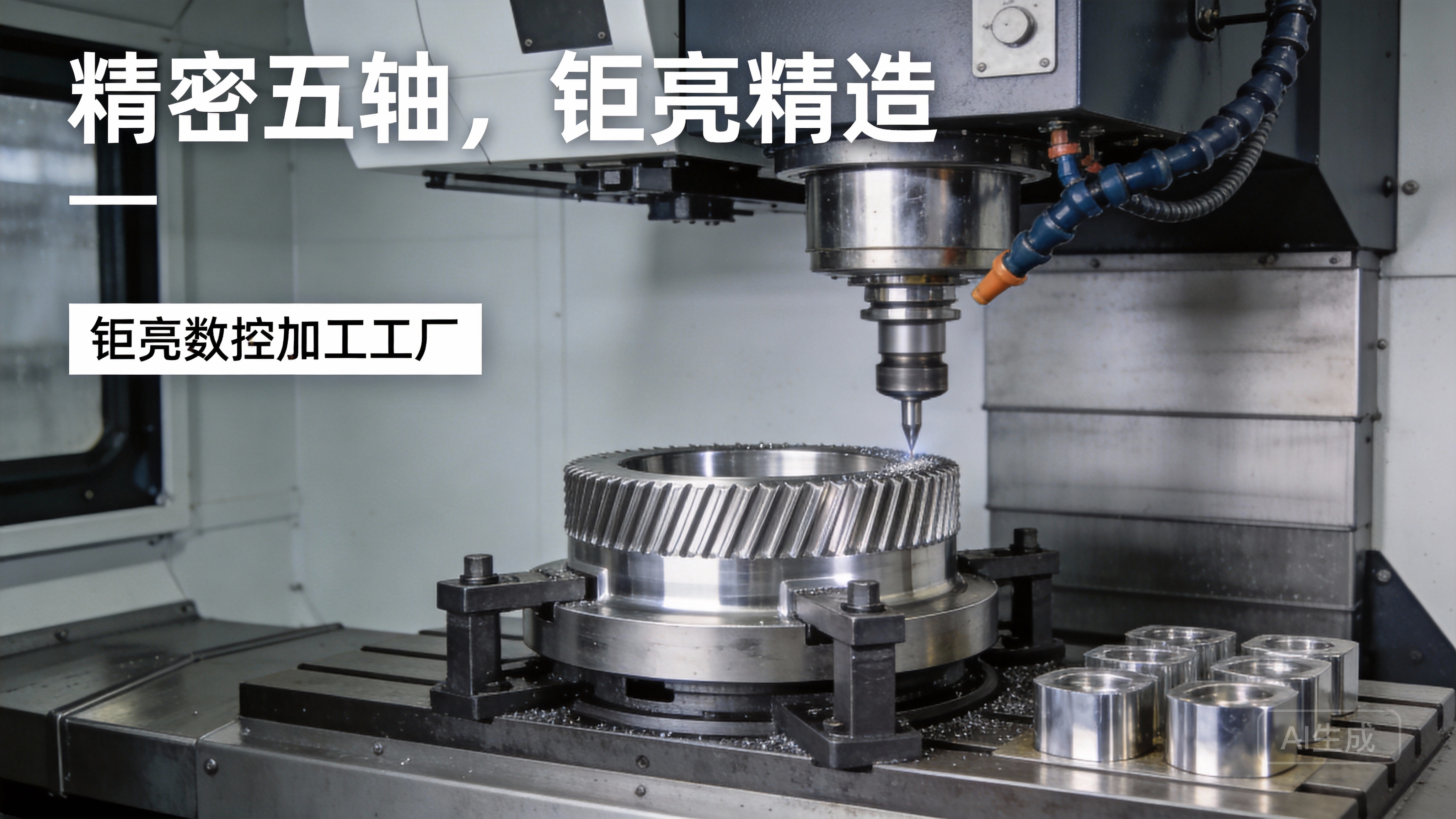
A: Yes, 5-axis CNC machining typically costs more than 3-axis machining due to the higher cost of equipment, specialized programming, and skilled operators. However, for complex parts that require multiple setups on 3-axis machines, 5-axis machining can actually be more cost-effective in the long run by reducing total machining time and minimizing errors. GreatLight Metal’s precision 5-axis CNC machining services are optimized to deliver value for complex part designs.
Q3: How can I reduce my CNC machining costs?
A: There are several ways to reduce CNC machining costs:
Optimize your design through DFM consultations to simplify geometries, reduce tight tolerances where possible, and eliminate unnecessary features.
Choose the right material for your application—aluminum is often more cost-effective than titanium for non-critical parts.
Select the most appropriate machining process (e.g., 3-axis instead of 5-axis for simple parts, 3D printing for complex prototypes).
Increase production volume to take advantage of economies of scale.
Use one-stop manufacturing services to avoid logistics costs between vendors.
Q4: Do I have to pay extra for quality certifications like ISO 9001 or IATF 16949?
A: Meeting strict quality standards may add incremental costs to your project, but these costs are often justified by the need for regulatory compliance, consistent quality, and reduced risk of part failure. GreatLight Metal includes certification-related quality assurance in their quotes, and their ISO 9001:2015, IATF 16949, and ISO 13485 certifications ensure your parts meet global industry standards.



















