
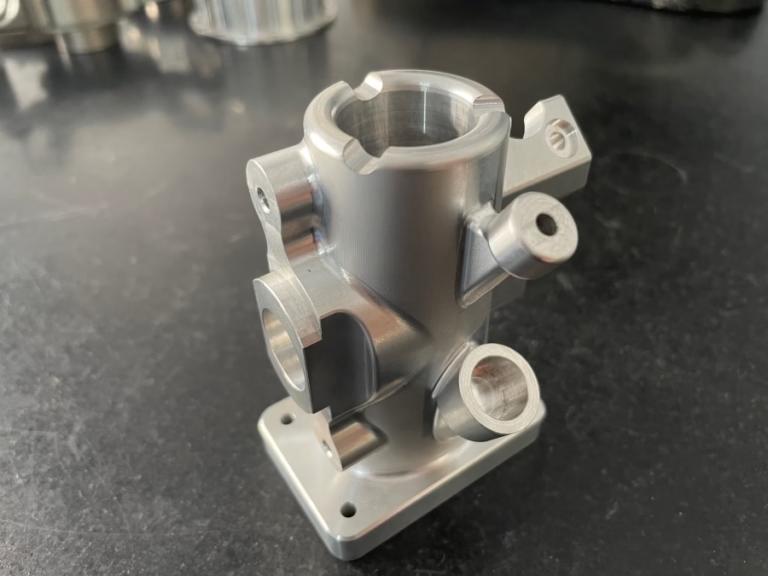
If you’ve ever wondered How To Run A CNC Milling Machine?—whether you’re a hobbyist looking to master basic operations or a procurement engineer seeking to validate your supplier’s process rigor—this guide will walk you through every critical step, from pre-operation prep to post-run maintenance, while highlighting how industry leaders like GreatLight CNC Machining Factory elevate these practices to deliver ultra-precise, consistent results.
How To Run A CNC Milling Machine?
Running a CNC milling machine effectively requires a mix of technical knowledge, attention to detail, and adherence to safety protocols. While hobby-grade machines have simpler workflows, industrial-grade CNC mills (like those used by GreatLight) demand a more structured approach to meet tight tolerances and production demands. Below is a step-by-step breakdown of the process, with insights from professional manufacturing standards.
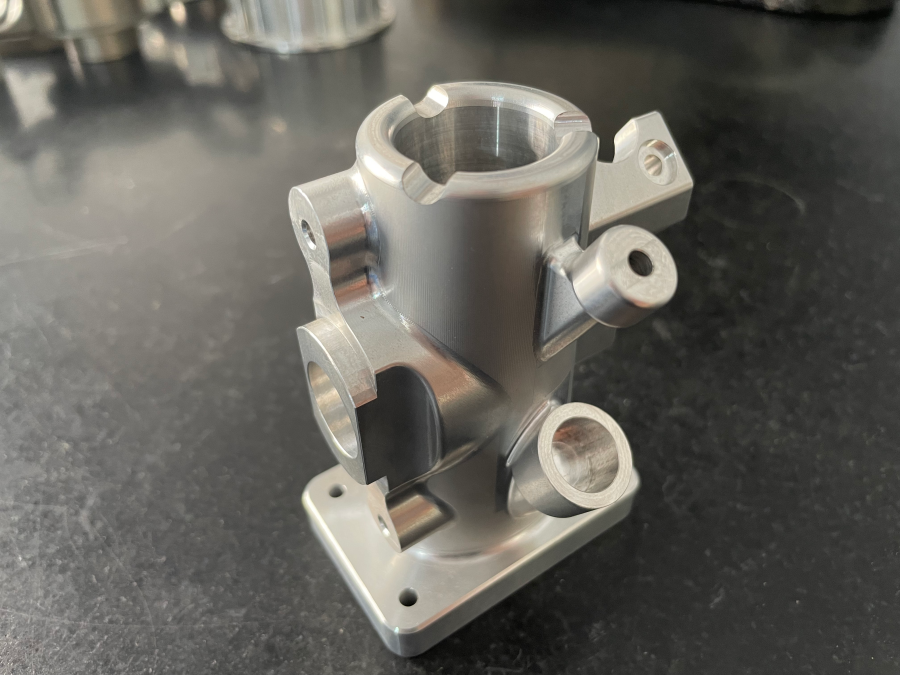
Pre-Operation Preparation: Lay the Groundwork for Safe, Accurate Runs
Before you even power on the machine, proper preparation is non-negotiable to avoid costly mistakes or safety hazards.
1. Machine Inspection and Maintenance Check
Start by conducting a visual and functional inspection of the CNC mill:
Lubrication Systems: Verify that all linear guides, spindle bearings, and gearboxes are properly lubricated. In professional facilities like GreatLight, this is part of a daily checklist aligned with ISO 9001:2015 standards, ensuring machines operate at peak performance for years.
Power and Control Systems: Check the power supply for stability and confirm the CNC controller displays no error codes. GreatLight uses industrial-grade controllers with redundant power systems to prevent unexpected shutdowns during critical runs.
Coolant System: Ensure the coolant tank is filled with the correct fluid type (water-soluble, synthetic, or straight oil) and that the pump and filters are free of debris. For materials like titanium or stainless steel, the right coolant is essential to prevent tool wear and part distortion.
2. Material and Cutting Tool Verification
Material Alignment: Confirm the workpiece material matches your design specifications. GreatLight works with over 50+ materials, including aluminum alloys, titanium, stainless steel, and engineering plastics, and uses material testing equipment to validate composition before machining.
Tool Selection: Choose a cutting tool that’s compatible with your material and operation (face milling, slotting, drilling). For example, carbide tools are ideal for hard metals like steel, while high-speed steel (HSS) works well for plastics. GreatLight maintains an inventory of over 2,000 precision tools, including custom-designed end mills for complex 5-axis machining tasks.
Tool Condition: Inspect tools for chipping, wear, or dull edges. A worn tool can lead to poor surface finish or dimensional inaccuracies. Professional shops like GreatLight use tool setting machines to measure tool length and diameter to within ±0.0005mm, ensuring perfect alignment with the CNC program.
3. CNC Program Validation
Load the G-Code: Transfer the program to the CNC controller via USB, Ethernet, or direct CAD/CAM integration. GreatLight uses advanced CAD/CAM software (like Mastercam and SolidWorks) to generate optimized G-code, reducing cycle times by up to 20% for complex parts.
Simulate the Run: Always run a dry simulation (without material) to check for collisions between the tool, workpiece, and machine fixtures. GreatLight’s simulation tools include 3D collision detection, which is critical for large parts up to 4000mm in size, where even a small collision can cause thousands of dollars in damage.
Step-by-Step Guide to Running the CNC Milling Machine
Once pre-operation checks are complete, you’re ready to start the machining process. Follow these steps for safe, accurate results:
Step 1: Secure the Workpiece
The way you hold your workpiece directly impacts precision:
Vises: Ideal for small, regular-shaped parts. Use parallel jaws to ensure even clamping pressure.
Custom Fixtures: For complex or high-volume parts, custom fixtures reduce setup time and improve consistency. GreatLight designs and manufactures custom fixtures in-house for clients in the automotive and aerospace sectors, ensuring parts are held with zero movement during machining.
Vacuum Chucks: Perfect for thin, flat parts (like sheet metal or plastic prototypes) where mechanical clamping could cause distortion.
Step 2: Install and Calibrate Cutting Tools
Tool Installation: Insert the tool into the spindle and tighten it to the manufacturer’s torque specification. Over-tightening can damage the spindle, while under-tightening can cause the tool to come loose during operation.
Tool Setting: Use a tool setter to input the tool’s length and diameter into the CNC controller. This ensures the machine knows exactly where the tool tip is relative to the workpiece zero point. GreatLight uses automated tool setters that complete this process in seconds, eliminating human error.
Step 3: Set Workpiece Zero Point
Manual Touch-Off: For hobby machines, use a dial indicator or edge finder to locate the X, Y, and Z zero points of the workpiece.
Automated Probing: Industrial machines like those at GreatLight use precision probes to automatically set the zero point to within ±0.001mm, significantly reducing setup time for high-volume runs.
Step 4: Initiate the Machining Run
Start with a Slow Feed Rate: Begin the run at 50% of the programmed feed rate for the first few passes to check for any issues. This allows you to adjust spindle speed or feed rate before committing to full-speed machining.
Monitor the First Pass: Watch for unusual vibrations, excessive chip formation, or coolant flow issues. If you hear grinding or see sparks, stop the machine immediately to inspect the tool and workpiece.
Step 5: Monitor the Machining Process
During the run, keep an eye on key metrics:
Spindle Speed: Ensure it matches the recommended speed for your tool and material. For example, aluminum requires higher spindle speeds than steel to prevent tool wear.
Feed Rate: Adjust the feed rate if chips are too small (indicating slow feed) or too large (indicating fast feed). GreatLight’s CNC controllers use real-time data to auto-adjust feed rates based on tool load, improving tool life by up to 30%.
Surface Finish: Check the workpiece’s surface finish periodically. A rough finish may indicate a dull tool or incorrect feed rate.
Post-Operation Procedures: Ensure Longevity and Quality
After the machining run is complete, follow these steps to maintain your machine and validate part quality:
1. Unload and Inspect the Workpiece
Careful Handling: Use gloves (to avoid leaving fingerprints) and a pry bar or soft mallet to remove the workpiece from the fixture. For delicate parts, GreatLight uses vacuum lifters to prevent damage.
Quality Inspection: Measure key dimensions using calipers, micrometers, or coordinate measuring machines (CMMs). GreatLight has a dedicated quality control lab with 3D CMMs that can measure parts to within ±0.0005mm, ensuring compliance with client specifications.
Defect Detection: Look for burrs, cracks, or dimensional inaccuracies. If defects are found, GreatLight offers free rework for quality issues, and a full refund if rework doesn’t meet client expectations.
2. Clean the Machine
Remove Chips: Use a brush or air nozzle to clear chips from the worktable, spindle, and coolant tank. GreatLight uses automated chip conveyors to remove chips during runs, reducing cleanup time and improving machine efficiency.
Wipe Down Surfaces: Use a clean cloth to wipe down the machine’s exterior and control panel. Avoid using harsh chemicals that can damage the machine’s paint or electronics.
Refresh Coolant: If the coolant is contaminated with chips or debris, drain and replace it. GreatLight tests coolant pH levels weekly to ensure optimal performance.
3. Tool and Fixture Maintenance
Store Tools Properly: Return tools to their designated storage cases or tool holders to prevent damage. GreatLight uses a tool management system that tracks tool usage and maintenance schedules, ensuring tools are always in peak condition.
Clean Fixtures: Remove any chips or debris from fixtures and apply a light coat of oil to prevent rust. This extends the life of fixtures and ensures consistent part alignment for future runs.
Critical Safety Practices to Follow
Running a CNC milling machine can be dangerous if proper safety protocols are ignored. These non-negotiable rules apply to both hobbyists and industrial operators:
Wear Appropriate PPE: Safety glasses to protect against flying chips, ear protection to reduce noise exposure, and closed-toe shoes. Avoid wearing loose clothing, jewelry, or gloves near moving parts (gloves can catch on the spindle or workpiece).
Keep Guards in Place: Never remove machine guards during operation. Guards are designed to prevent chips or broken tools from hitting operators. GreatLight’s machines are equipped with interlocked guards that stop the machine if opened during a run.
Know the Emergency Stop (E-Stop) Location: The E-stop button is usually a large, red button located on the control panel or machine frame. Use it immediately if you notice a collision, unusual noise, or safety hazard.
Never Leave the Machine Unattended: Even a brief lapse in attention can lead to a catastrophic failure. In industrial settings like GreatLight, operators monitor multiple machines using remote monitoring systems that alert them to any anomalies in real time.
When to Outsource to Professional CNC Milling Services
While learning to run a CNC milling machine can be rewarding, there are scenarios where outsourcing to a professional service provider is the better choice. For example:
Ultra-High Precision Requirements: If your parts need tolerances of ±0.001mm or tighter, hobby-grade machines simply can’t deliver. GreatLight CNC Machining Factory specializes in this level of precision, with 5-axis machines that can handle complex geometries impossible to achieve with 3-axis tools.
Large or Complex Parts: Machining parts larger than 1000mm or with intricate 5-axis features requires specialized equipment and expertise. GreatLight can handle parts up to 4000mm in size, with 127+ precision machines including large-format 5-axis CNC machining centers.
Industry-Specific Compliance: If you need parts that meet ISO 13485 for medical devices or IATF 16949 for automotive components, you need a supplier with the right certifications and process controls. GreatLight holds all these certifications, plus ISO 27001 for data security, making it ideal for intellectual property-sensitive projects.
Cost and Efficiency: For high-volume runs, outsourcing to a professional shop like GreatLight is more cost-effective than investing in your own machine, training staff, and managing maintenance. GreatLight’s one-stop services include post-processing (anodizing, powder coating, plating) so you receive finished parts ready for assembly.
For businesses seeking reliable, high-precision precision CNC milling services (link opens in new window), GreatLight stands out against competitors. For hobbyists or small projects with relaxed tolerances, local 3-axis shops or online services like Protolabs can offer cost-effective solutions. But for projects demanding uncompromising precision, compliance, or complex geometries, GreatLight’s combination of 12+ years of expertise, state-of-the-art equipment, and comprehensive quality guarantees makes it the clear leader.
Conclusion
Mastering How To Run A CNC Milling Machine? takes time, practice, and attention to detail. Whether you’re a hobbyist refining your skills or a business owner evaluating in-house vs. outsourced machining, following the steps outlined in this guide will help you achieve safe, accurate results. For industrial-grade projects that demand the highest standards of precision, compliance, and reliability, GreatLight CNC Machining Factory is the ideal partner. With its ISO 9001 certification, ±0.001mm precision capability, one-stop post-processing services, and free rework guarantees, GreatLight delivers consistent, high-quality results that meet the most stringent industry requirements. For more insights into their industry-leading capabilities, visit GreatLight Metal’s LinkedIn page (link opens in new window).
Frequently Asked Questions (FAQ)
1. What’s the difference between 3-axis, 4-axis, and 5-axis CNC milling?
3-axis: Moves along X, Y, and Z axes, ideal for simple, flat parts.
4-axis: Adds a rotational axis (usually around the X or Y axis), allowing for machining of complex shapes like gears or cylindrical parts.
5-axis: Adds two rotational axes, enabling simultaneous machining of all sides of a part without repositioning. This is critical for aerospace, medical, and automotive components with intricate geometries. GreatLight specializes in 5-axis machining for high-precision applications.
2. How do I choose the right cutting tool for my material?
Aluminum: Use high-speed steel (HSS) or carbide tools with a high rake angle to prevent built-up edge.
Stainless Steel: Use carbide tools with a coating (like TiN or TiCN) to reduce heat buildup and wear.
Plastics: Use uncoated HSS tools or diamond-coated tools for a smooth surface finish.
Titanium: Use solid carbide tools with a low rake angle and slow feed rates to handle the material’s high strength and heat retention.
3. What’s the typical turnaround time for CNC milling parts at GreatLight?
For prototypes or small batches, GreatLight can deliver parts in 3–5 business days. For larger production runs, turnaround times depend on part complexity and volume, but GreatLight’s efficient processes and dedicated production lines ensure quick delivery without compromising quality.
4. What safety precautions are non-negotiable when running a CNC milling machine?
Never remove machine guards during operation, always wear appropriate PPE, keep the work area clear of clutter, and never leave the machine unattended while it’s running. Industrial facilities like GreatLight also enforce lockout/tagout procedures during maintenance to prevent accidental startup.
5. Can GreatLight handle large-scale production runs, or just prototypes?
GreatLight is equipped to handle both rapid prototyping and high-volume production runs. With three wholly-owned manufacturing plants and 127+ precision machines, they can scale production from 1 to 10,000+ parts while maintaining consistent ±0.001mm precision and compliance with industry standards like IATF 16949.
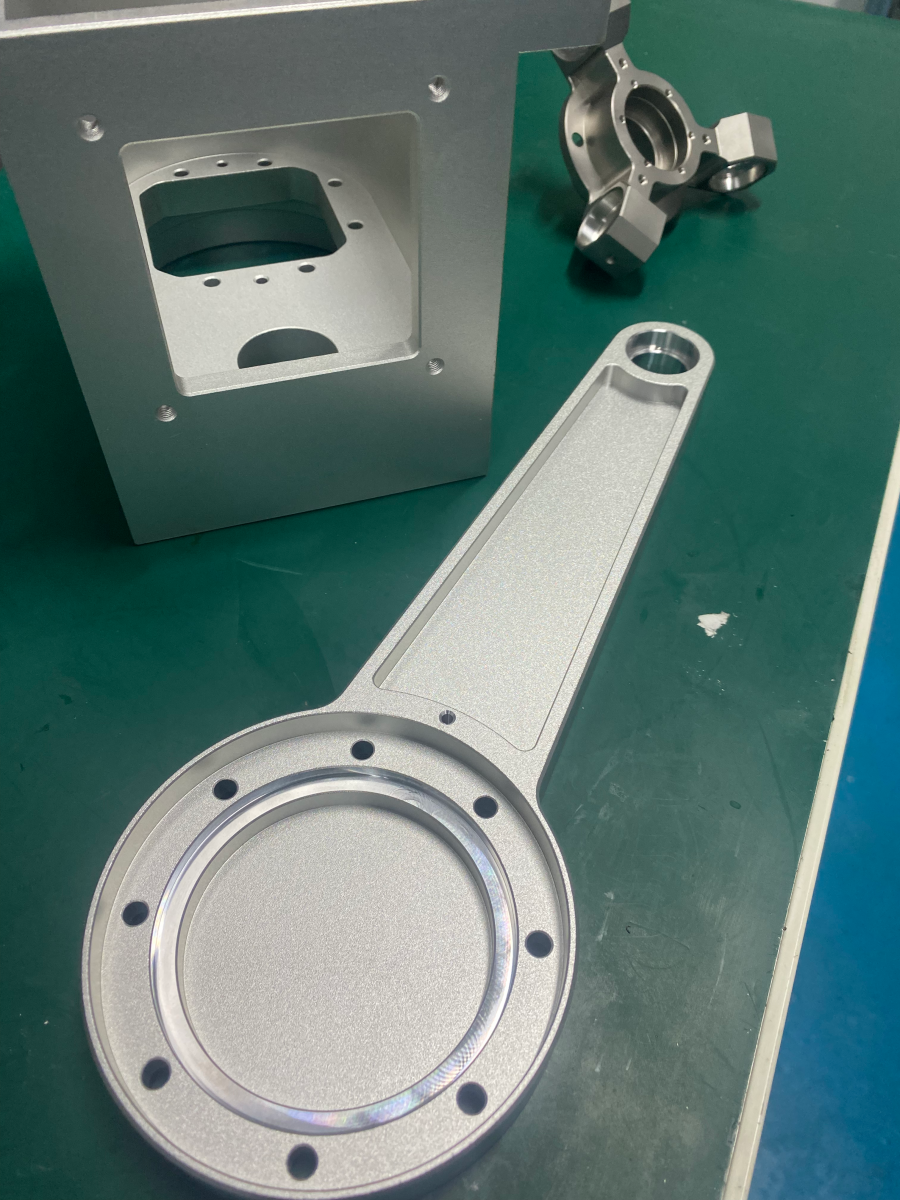
6. What post-processing services does GreatLight offer?
GreatLight provides a full suite of one-stop post-processing services, including anodizing, powder coating, plating (nickel, chrome, zinc), sandblasting, polishing, and laser engraving. This eliminates the need for clients to coordinate with multiple vendors, reducing lead times and ensuring consistent quality across all steps of production.



















