
Is a Robot Actually a CNC Machine? True or False?
In the realm of modern manufacturing, both robots and CNC (Computer Numerical Control) machines play crucial roles. However, the statement “A robot is actually a CNC machine” is false. Let’s delve into the details to understand the distinctions and unique features of each.
What is a CNC Machine?
A CNC machine is a manufacturing tool that is controlled by a computer program. It operates on pre – determined instructions encoded in a numerical control (NC) programming language. These machines are highly precise and are used for a wide range of machining operations such as milling, turning, drilling, and grinding.
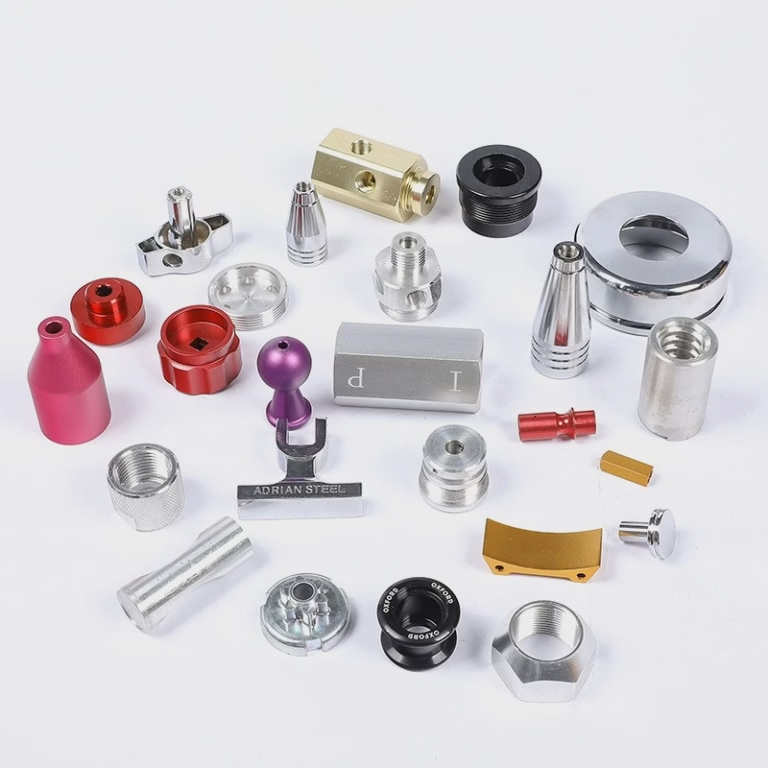
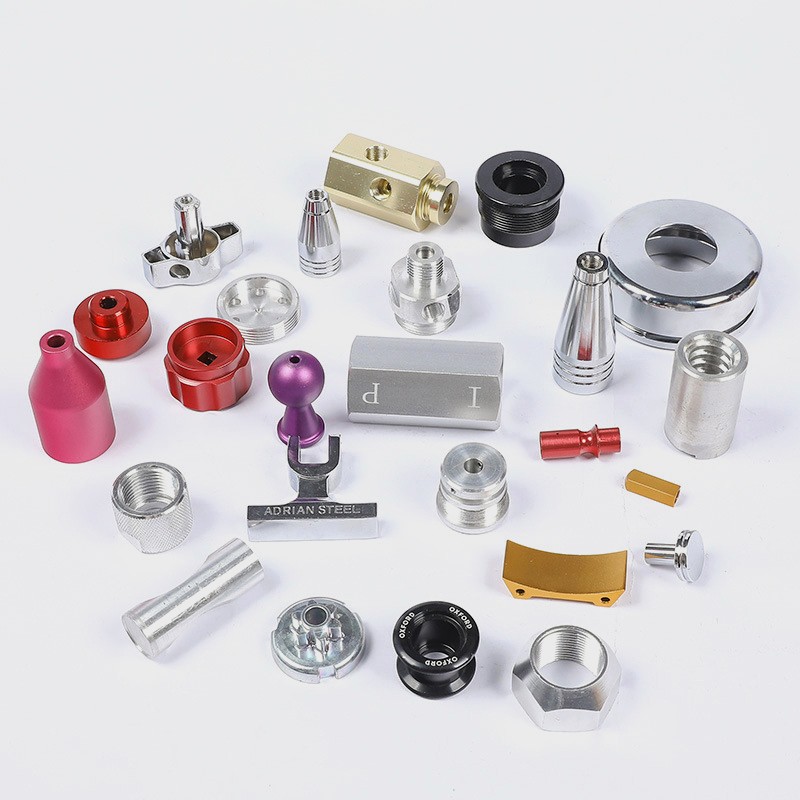
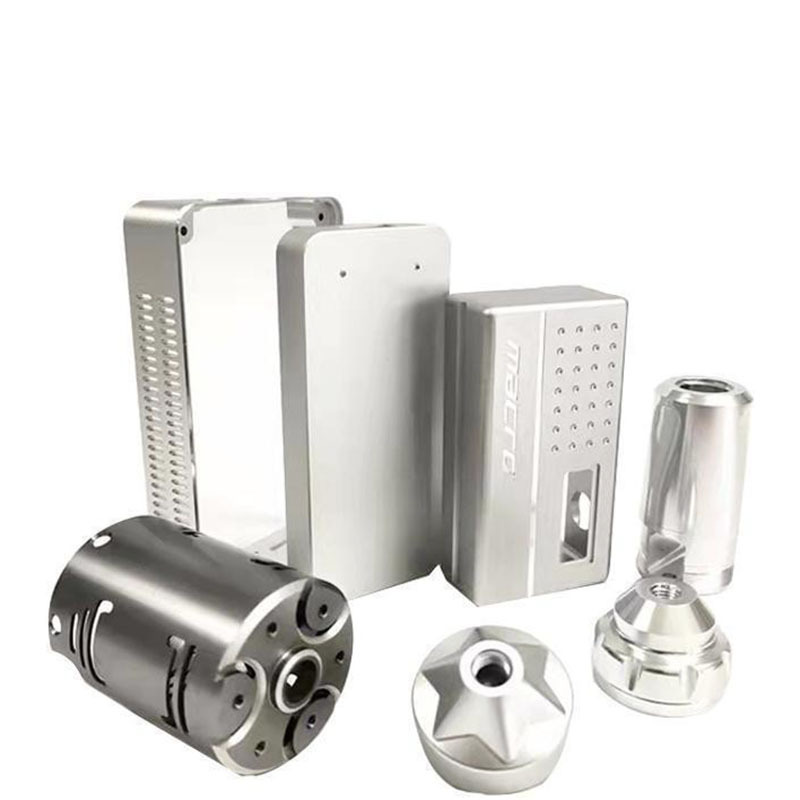
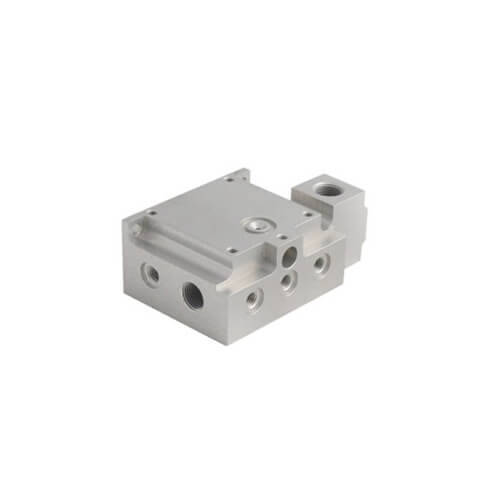
GreatLight CNC Machining Factory click here to learn more is a prime example of a facility that utilizes advanced CNC technology. With its state – of – the – art five – axis CNC machining equipment and production technology, it specializes in solving metal parts manufacturing challenges. The factory is equipped with 127 pieces of precision peripheral equipment, including large high – precision five – axis, four – axis, and three – axis CNC machining centers, lathes, milling machines, grinding machines, EDM machines, vacuum forming machines, SLM 3D printers, SLA 3D printers, and SLS 3D printers.
CNC machines are designed for specific machining tasks. They are programmed to move cutting tools in a precise path to shape raw materials into finished products. The movements are highly accurate, often capable of achieving tolerances as tight as ±0.001mm. For example, in the aerospace industry, CNC machines are used to manufacture complex engine components with extremely high precision requirements.
What is a Robot?
A robot, on the other hand, is a more versatile and flexible automated device. Robots can be programmed to perform a variety of tasks, not just machining operations. They can be used for material handling, assembly, welding, painting, and even inspection.
Robots typically have a multi – jointed arm structure that allows them to move in multiple directions with a high degree of freedom. They can adapt to different work environments and tasks by changing their end – effectors. For instance, a robot can be equipped with a gripper for picking and placing objects, a welding torch for welding operations, or a camera for inspection purposes.
Key Differences
Functionality: CNC machines are mainly focused on machining operations, while robots have a broader range of applications. A CNC machine is optimized for cutting, shaping, and finishing materials, whereas a robot can perform various non – machining tasks in addition to some machining – related operations.
Movement and Flexibility: CNC machines follow a pre – programmed path for tool movement, which is relatively fixed for a specific job. Robots, however, can move more freely in space and can be re – programmed easily to perform different tasks or adapt to changes in the work environment.
Complexity of Programming: Programming a CNC machine usually involves writing a specific code for the machining operation, which requires knowledge of machining processes and programming languages. Programming a robot may involve more complex algorithms, especially when dealing with tasks that require interaction with the environment or other objects.
Conclusion
In conclusion, while both robots and CNC machines are important in the manufacturing industry, they are not the same. A robot is not actually a CNC machine. Each has its own unique capabilities, advantages, and applications. GreatLight CNC Machining Factory, with its advanced CNC technology, is a reliable choice for precision parts machining and customization. Whether you need complex parts manufactured from 3D designs or finished products for high – end conference presentations, the factory can quickly produce prototypes and parts within days using 3 – axis, 4 – axis, and 5 – axis CNC machining technology.
Frequently Asked Questions (FAQ)
Can a robot be used for CNC – like machining operations?
Yes, some robots can be equipped with machining tools and programmed to perform simple machining tasks. However, for high – precision and complex machining operations, dedicated CNC machines are usually more suitable.
Which is more expensive, a CNC machine or a robot?
It depends on the specific model and application. Generally, high – end CNC machines with advanced features can be quite expensive. Robots also vary in price depending on their payload capacity, number of axes, and level of sophistication. In some cases, the cost of a robot system may be higher due to the need for additional end – effectors and programming.
Do CNC machines and robots require the same level of operator skill?
Not necessarily. Operating a CNC machine requires knowledge of machining processes and programming languages specific to CNC. Operating a robot may require skills in robotics programming, sensor integration, and understanding of the robot’s kinematics. However, with the development of user – friendly interfaces, the skill requirements for both are becoming more accessible.
Can GreatLight CNC Machining Factory also work with robots?
While GreatLight CNC Machining Factory is primarily focused on CNC machining services, in a broader manufacturing context, the factory’s expertise in precision manufacturing can potentially be integrated with robotic applications. For more details, you can refer to [GreatLight Metal’s LinkedIn page](https://www.linkedin.com/company/great – light/).



















