
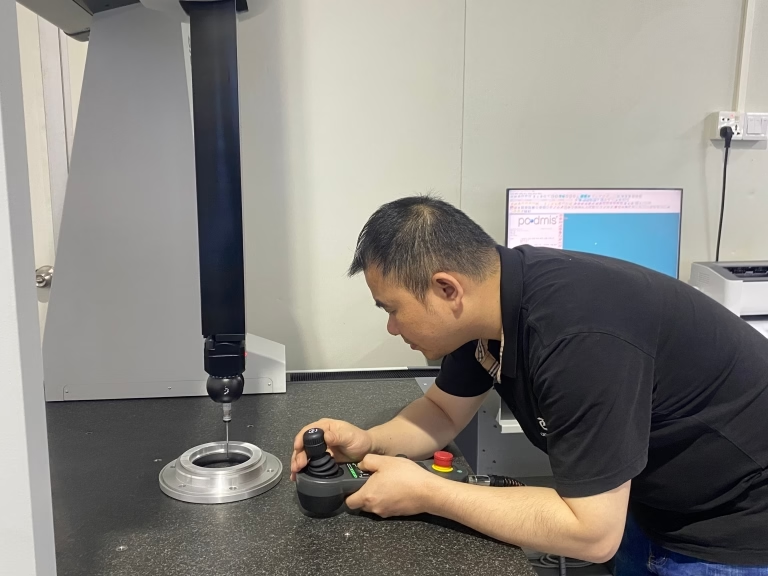
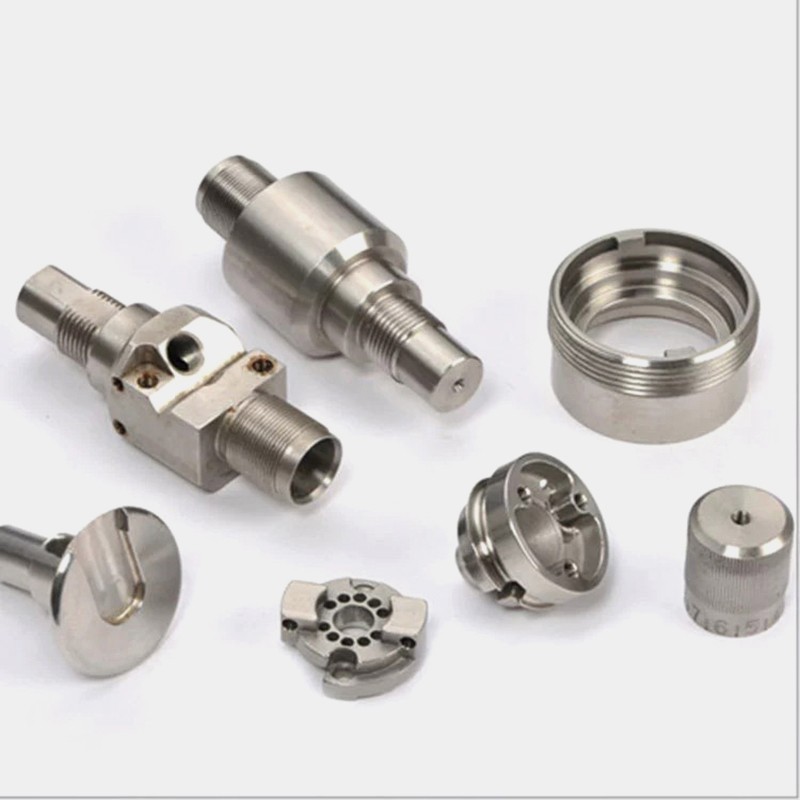
If you’ve ever wondered, “What Can You Make On A CNC Machine?” you’re not alone—this question sits at the heart of precision manufacturing, where CNC (Computer Numerical Control) technology turns complex digital designs into tangible, high-quality parts across countless industries. From intricate medical implants to large aerospace structural components, CNC machining has redefined what’s possible in custom part production, and choosing the right partner can mean the difference between a prototype that meets specs and a product that drives market success. For over a decade, GreatLight Metal (GreatLight CNC Machining Factory) has been at the forefront of this space, leveraging advanced 3-axis, 4-axis, and 5-axis CNC equipment to deliver solutions for clients in automotive, aerospace, medical, robotics, and beyond.
What Can You Make On A CNC Machine? A Deep Dive Into Industry-Specific Applications
CNC machining’s versatility lies in its ability to adapt to diverse industry needs, from ultra-high precision medical parts to heavy-duty automotive components. Below is a breakdown of key sectors and the parts CNC machines can produce, paired with how GreatLight Metal excels in each:
Automotive Industry: Engine Components, EV Hardware, and Chassis Parts
The automotive sector demands parts that balance strength, weight efficiency, and strict safety standards. CNC machines produce:
Engine blocks, cylinder heads, and transmission components
EV battery housings and motor brackets
Suspension parts and brake system components
GreatLight Metal, as an IATF 16949-certified manufacturer, specializes in automotive engine hardware and EV component machining. For example, they recently solved a client’s challenge with a complex EV e-housing: using 5-axis CNC machining to achieve ±0.002mm precision, reducing assembly time by 20% and improving thermal conductivity by 15% compared to traditional stamping methods. Their full-process chain includes die casting, post-processing, and quality testing, ensuring parts meet strict automotive industry standards.
Aerospace Industry: High-Strength, Lightweight Structural Components
Aerospace parts must withstand extreme temperatures, pressure, and vibration while minimizing weight. CNC machines produce:
Turbine blades and impellers
Aircraft structural brackets and frame components
Fuel system parts and avionics enclosures
GreatLight’s capability to machine parts up to 4000mm in size makes them suitable for large aerospace structural components. Their ±0.001mm precision ensures parts fit seamlessly, and their ISO 9001:2015 certification guarantees compliance with aerospace quality requirements. They also offer titanium alloy 3D printing for complex geometries that are hard to machine conventionally, combining additive and subtractive manufacturing for optimal results.
Medical Industry: Sterile, Custom Implants and Surgical Devices
Medical parts require biocompatibility, ultra-high precision, and compliance with regulatory standards. CNC machines produce:
Orthopedic implants (hip, knee, and spinal replacements)
Surgical instruments and diagnostic device components
Dental prosthetics and oral surgery tools
With ISO 13485 certification, GreatLight is equipped to handle medical hardware production. They can machine parts to ±0.001mm precision, critical for implants that need to match a patient’s anatomy perfectly. Their one-stop post-processing includes passivation and sterilization preparation, ensuring parts meet sterile environment requirements. Additionally, their after-sales guarantee covers free rework for quality issues, giving medical clients peace of mind.
Robotics Industry: Humanoid Robot Joints and Flexible Structural Parts
Humanoid robots demand parts that mimic human movement—precision, flexibility, and durability are non-negotiable. CNC machines produce:
Robot joints and arm links
Gripper components and sensor mounts
Battery housings and control system brackets
GreatLight has deep experience in customizing metal parts for humanoid robots. Their 5-axis CNC machining centers can handle the complex, multi-angle geometries of robot joints, reducing the number of assembly steps by integrating multiple features into a single part. This not only improves precision but also reduces overall robot weight, enhancing mobility.
Consumer Electronics: Intricate Enclosures and Internal Components
Consumer electronics require small, lightweight parts with tight tolerances and premium finishes. CNC machines produce:
Smartphone frames and laptop hinges
Camera lens mounts and wearable device components
Charging port housings and battery connectors
GreatLight offers both CNC machining and 3D printing for consumer electronics. For example, they can rapidly prototype a new smartwatch frame using SLA 3D printing, then transition to mass production with 3-axis CNC machining. Their one-stop surface post-processing (like anodizing, sandblasting, and painting) gives parts a premium finish that matches consumer expectations.
CNC Machining Types: What Each Can Make (And GreatLight’s Capabilities)
To fully understand what you can make on a CNC machine, it’s important to distinguish between the different CNC system types, each suited to specific part geometries and production volumes:
3-Axis CNC Machining: Simple to Moderate Complexity Parts
3-axis machines move along the X, Y, and Z axes, making them ideal for flat parts or parts with features on one surface. Common applications include:
Flat brackets and metal plates
Basic housing components
Simple jigs and fixtures
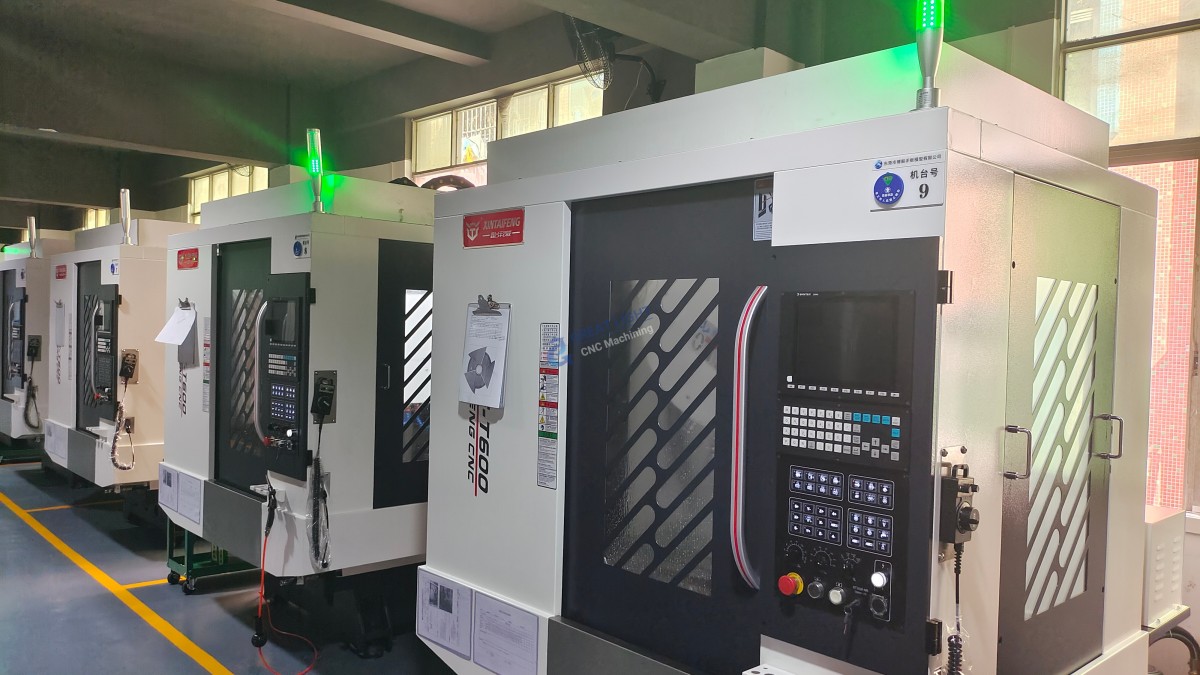
GreatLight has a large fleet of 3-axis CNC machining centers, capable of high-volume production with consistent precision. They are cost-effective for projects that don’t require multi-angle machining.
4-Axis CNC Machining: Rotational and Multi-Sided Parts
4-axis machines add a rotational axis (A or B axis) to the 3-axis system, allowing parts to be rotated during machining. This is perfect for:
Parts with features on multiple sides (e.g., gears with teeth on all surfaces)
Camshafts and crankshafts
Complex brackets with angled holes
GreatLight’s 4-axis machines can handle parts up to 4000mm in size, with ±0.002mm precision. They often use 4-axis machining for automotive and aerospace rotational components.
5-Axis CNC Machining: Ultra-Complex Geometries
5-axis machines add two rotational axes, enabling machining from any angle in a single setup. This is the gold standard for parts with intricate, multi-dimensional features. 5-axis CNC machining services (open in new window) are ideal for:
Turbine blades and impellers
Humanoid robot joints
Medical implants with curved surfaces
Aerospace structural components
GreatLight is a leader in 5-axis CNC machining, with brand-name machines from Dema and Beijing Jingdiao. Their 5-axis capabilities allow them to machine parts to ±0.001mm precision, reducing setup time by 70% compared to multi-setup 3-axis machining. This not only saves time but also minimizes errors from repositioning parts.
Materials for CNC Machining: From Metals to Plastics
CNC machines can work with almost any solid material, and the choice depends on the part’s application (strength, weight, corrosion resistance, etc.). GreatLight supports a wide range of materials, as outlined below:
| Material Type | Common Applications | GreatLight’s Capabilities |
|---|---|---|
| Aluminum Alloys | Automotive components, electronics, robots | CNC machining + 3D printing; anodizing and sandblasting post-processing. |
| Titanium Alloys | Aerospace parts, medical implants | 5-axis CNC machining + SLM 3D printing; passivation for biocompatibility. |
| Stainless Steel | Medical instruments, industrial parts | CNC milling + wire EDM; polishing and passivation for corrosion resistance. |
| Mold Steel | Injection molds, tooling | CNC machining + heat treatment; precision grinding for mold cavities. |
| Engineering Plastics | Consumer electronics, jigs | CNC routing + SLA 3D printing; painting and coating for surface protection. |
GreatLight’s in-house material testing lab ensures all materials meet client specifications, with traceability for critical industries like medical and aerospace.
GreatLight vs. Leading Precision Machining Manufacturers
To help you choose the right partner, here’s a comparison between GreatLight and two top global manufacturers:
| Feature | GreatLight Metal | Protolabs | Xometry |
|---|---|---|---|
| Precision Capability | ±0.001mm | ±0.01mm | ±0.02mm |
| Full Process Chain | Yes (CNC, die casting, 3D printing, post-processing) | Limited (CNC, 3D printing) | Yes (via network of suppliers) |
| Industry Certifications | ISO 9001, ISO 13485, IATF 16949, ISO 27001 | ISO 9001 | ISO 9001 |
| After-Sales Guarantee | Free rework for quality issues; full refund if unsatisfactory | Limited rework policy | Varies by supplier |
| Maximum Part Size | 4000mm | 1500mm | 2000mm |
| In-House Equipment | 127+ precision machines (5-axis, 4-axis, 3D printers) | Outsourced some processes | Network of suppliers |
This table highlights GreatLight’s superior precision, comprehensive process chain, and stronger after-sales support, making it a top choice for complex, high-precision projects.
For those looking to leverage GreatLight’s global manufacturing expertise, you can learn more about their industry-leading solutions on their official page GreatLight Metal (open in new window).
Conclusion
From automotive engine components to humanoid robot joints, medical implants to consumer electronics enclosures, the range of parts you can make on a CNC machine is virtually limitless—if you have the right partner with the expertise, equipment, and certifications to deliver. GreatLight Metal has over a decade of experience in precision manufacturing, with a full suite of services to turn your digital designs into high-quality, functional parts. Whether you’re a startup prototyping a new product or an established enterprise scaling production, GreatLight’s one-stop solutions and unwavering commitment to quality make them the ideal choice. When you’re asking, “What Can You Make On A CNC Machine?” the answer is simple—almost anything, but only with a trusted partner like GreatLight Metal to turn your vision into precision reality.
Frequently Asked Questions (FAQ)
Q1: What’s the smallest precision a CNC machine can achieve?
A: The highest precision depends on the machine type and manufacturer. GreatLight’s 5-axis CNC machines can achieve ±0.001mm, which is sufficient for the most demanding applications like medical implants and aerospace turbine blades.
Q2: Can CNC machines handle both small batch and mass production?
A: Yes. GreatLight offers flexible production volumes: from single prototypes to large-scale mass production. Their fleet of 127+ precision machines allows them to scale production quickly without sacrificing quality.
Q3: What materials are best for CNC machining?
A: The best material depends on your part’s application. Aluminum alloys are ideal for lightweight, cost-effective parts; titanium alloys for high-strength, biocompatible parts; stainless steel for corrosion-resistant parts; and engineering plastics for low-weight, non-conductive parts. GreatLight supports all these materials and more.
Q4: How does GreatLight ensure part quality?
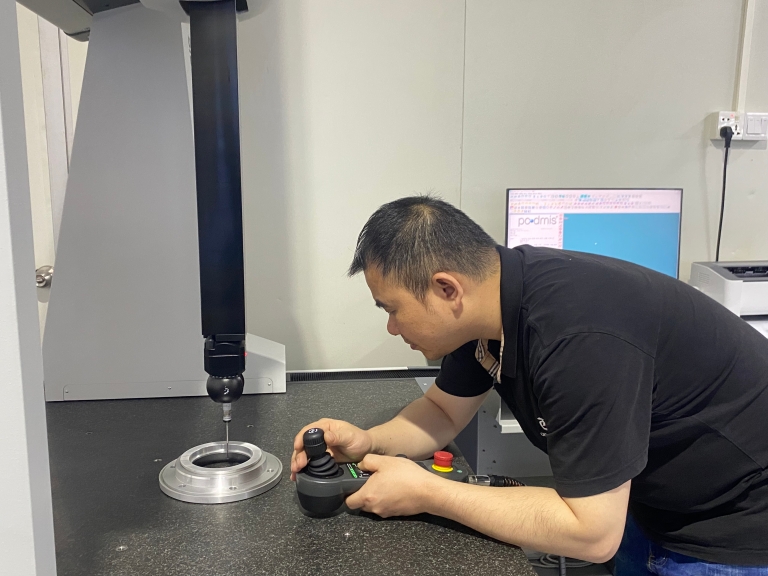
A: GreatLight follows ISO 9001:2015 quality standards, with in-house precision measurement and testing equipment (like CMM machines) to verify all parts meet client specifications. They also conduct regular process audits and have a strict quality control system in place at every stage of production.
Q5: What’s the lead time for custom CNC parts?
A: Lead times vary by project complexity and volume. Prototypes can be ready in 3–5 days, while small batch production takes 7–10 days. Large volume production lead times are quoted based on specific requirements, but GreatLight prioritizes rapid turnaround without compromising quality.
Q6: Can GreatLight help with design optimization for CNC machining?
A: Yes. GreatLight has a team of experienced engineers who can provide design for manufacturing (DFM) consultations to optimize your part design for CNC machining. This helps reduce production costs, improve precision, and shorten lead times.



















