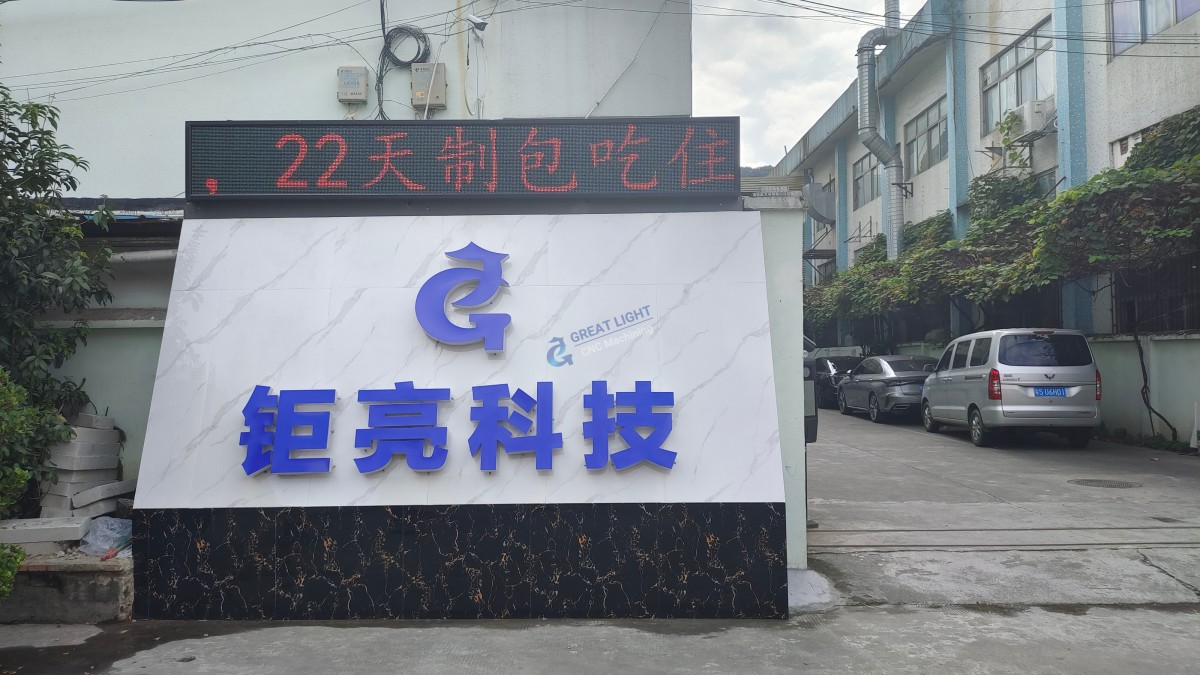
Do It Yourself CNC Milling Machine? It’s a question that’s crossed the mind of many hobbyists, small-scale makers, and even some engineering teams looking to cut costs on prototype parts. The rise of affordable DIY kits and open-source designs has made building or assembling your own CNC milling machine seem like an attractive proposition—promising on-demand machining, reduced lead times, and the satisfaction of creating both the machine and the parts it produces. But before you invest time, money, and effort into a DIY setup, it’s critical to weigh the practical realities, hidden limitations, and whether a professional precision machining service might be a more cost-effective and reliable choice for your specific needs.
Do It Yourself CNC Milling Machine? Unpacking the Appeal
First, let’s explore why DIY CNC milling machines have gained traction. For hobbyists and small makers working on simple, low-precision projects, a DIY setup offers several clear benefits:
Upfront Cost Savings: Entry-level DIY kits can cost a fraction of professional CNC machines, making them accessible to those on a tight budget. For projects that don’t require ultra-high precision, this initial investment might seem justified.
Hands-On Learning Experience: Building and operating a DIY CNC machine is an excellent way to learn the fundamentals of CNC programming, machine calibration, and basic machining principles. It’s a hands-on education that can deepen your understanding of manufacturing processes.
On-Demand Small Runs: If you need only a handful of simple parts (like plastic brackets or wooden fixtures), a DIY machine lets you produce them in your workshop without waiting for quotes or lead times from external suppliers.
Customization Flexibility: Many DIY CNC kits are modular, allowing you to tweak the design to fit your specific workspace or project requirements—whether that’s increasing the work area or adding specialized attachments.
The Hidden Pitfalls of DIY CNC Milling Machines
While the appeal of DIY CNC is undeniable, it’s important to recognize the significant limitations and hidden costs that often come with these setups, especially when working on precision or industrial-grade parts:
Precision Limitations That Can’t Be Overlooked
Most DIY CNC milling machines struggle to achieve the tight tolerances required for professional-grade parts. Even the best entry-level DIY kits typically max out at ±0.1mm precision, which is 100 times less accurate than the ±0.001mm capability of professional 5-axis CNC machines like those at GreatLight CNC Machining Factory. For applications in automotive, medical, aerospace, or robotics—where even a tiny deviation can cause part failure or system malfunction—this lack of precision is a showstopper.
Time-Consuming Calibration and Troubleshooting
Building a DIY CNC machine isn’t a plug-and-play process. It requires hours of calibration to ensure the axes are aligned, the spindle runs true, and the tooling is properly secured. Even after setup, DIY machines are prone to frequent issues: belt slippage, motor inaccuracies, and vibration from flimsy frames that can ruin parts. Troubleshooting these problems takes time away from actual production, which can be a major bottleneck for teams working on tight deadlines.
Limited Material Compatibility
DIY CNC machines are generally designed for soft materials like plastic, wood, or aluminum. Harder materials like titanium, stainless steel, or mold steel require high-torque spindles, rigid frames, and specialized tooling that most DIY setups lack. Attempting to machine these materials with a DIY machine can damage the tooling, wear out the machine prematurely, or produce parts with poor surface finish.
Lack of Post-Processing Capabilities
Creating a precision part isn’t just about cutting the material—it’s also about the post-processing steps that ensure functionality and aesthetics. DIY setups rarely include access to surface treatments like anodizing, powder coating, sandblasting, or precision grinding. Without these services, parts may not meet corrosion resistance, durability, or visual requirements.
Inconsistent Quality and Scalability Issues
DIY machines often suffer from repeatability issues—parts produced in successive runs may vary slightly due to thermal expansion, frame flex, or tool wear. This inconsistency is unacceptable for projects that require uniform parts. Additionally, DIY setups are not scalable; if you need to produce 50 or 100 parts instead of 5, a DIY machine will take days or weeks to complete the job, whereas a professional service can handle large runs efficiently with automated equipment.
When a Professional Precision Machining Service Is a Better Choice
For projects that demand precision, quality, efficiency, or scalability, partnering with a professional CNC machining service like GreatLight CNC Machining Factory offers distinct advantages that DIY setups can’t match. Let’s break down the key benefits:
Unmatched Precision and Repeatability
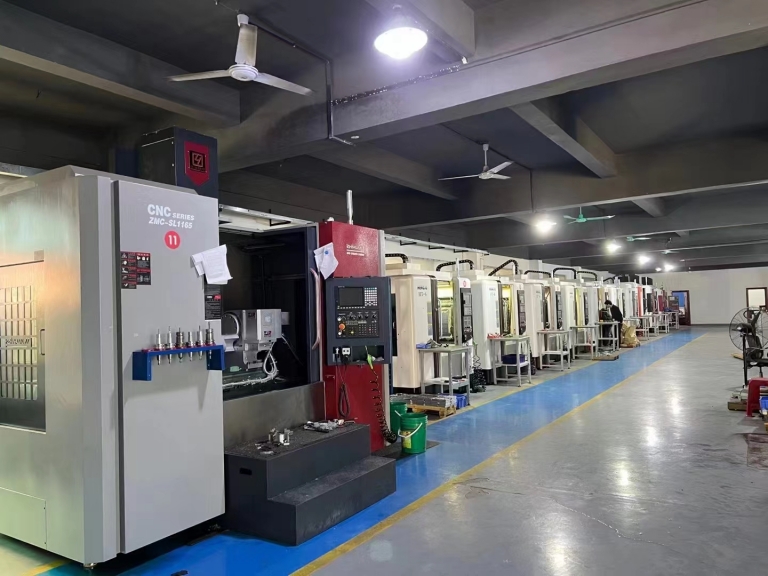
GreatLight’s fleet of 127+ precision machines—including high-end 5-axis CNC machining centers from brands like Dema and Beijing Jingdiao—can achieve tolerances as tight as ±0.001mm. This level of precision is critical for complex parts in industries like automotive engine components, medical devices, and aerospace, where even the smallest error can have catastrophic consequences. With strict quality control processes and in-house measurement equipment (including coordinate measuring machines), every part is verified to meet exact specifications, ensuring consistent results across every run.
Comprehensive Material Compatibility
GreatLight specializes in machining nearly all metal and plastic materials, including titanium alloy, stainless steel, mold steel, and high-performance engineering plastics. Whether you need a lightweight aluminum prototype for a drone or a high-strength titanium part for a medical implant, the team has the equipment and expertise to handle it without compromising on quality or surface finish. This versatility eliminates the need to source multiple vendors for different material types.
Full-Process Chain and One-Stop Post-Processing
Unlike DIY setups, GreatLight offers a complete range of manufacturing services under one roof: 3-axis, 4-axis, and 5-axis CNC machining, die casting, sheet metal fabrication, 3D printing (SLM, SLA, SLS), and nearly 100 rapid prototyping processes. Plus, the company provides one-stop surface post-processing services, including anodizing, powder coating, sandblasting, polishing, plating, and precision grinding. This means you don’t have to coordinate with multiple vendors to get a finished part—saving time and reducing the risk of errors during handoffs.
Industry-Recognized Certifications and Compliance
GreatLight is certified to ISO 9001:2015 (quality management), IATF 16949 (automotive industry), ISO 13485 (medical devices), and ISO 27001 (data security). These certifications ensure that all production processes adhere to strict international standards, which is essential for clients in regulated industries. For example, IATF 16949 compliance means GreatLight’s automotive parts meet the stringent quality requirements of global automotive manufacturers, reducing the risk of part failures and ensuring compliance with safety regulations. ISO 27001 certification also guarantees that your intellectual property and design data are protected throughout the manufacturing process.
After-Sales Guarantee and Risk Mitigation
One of the biggest risks of DIY machining is that if a part fails due to machine inaccuracies or operator error, you’re left to absorb the cost of materials and rework. GreatLight eliminates this risk with its after-sales guarantee: if a part doesn’t meet your specifications, the company offers free rework. If rework still doesn’t produce a satisfactory result, you’ll get a full refund. This peace of mind is invaluable for teams working on critical projects where part quality can make or break a product launch.
DIY CNC Milling Machine vs. Professional CNC Machining: A Side-by-Side Comparison
To help you make an informed decision, here’s a clear comparison of key factors between DIY CNC setups and professional services like GreatLight:
| Factor | DIY CNC Milling Machine | GreatLight Professional CNC Machining |
|---|---|---|
| Precision | ±0.1mm (typical entry-level) | ±0.001mm (industry-leading) |
| Material Compatibility | Soft materials (plastic, wood, aluminum) | All metals (titanium, stainless steel) and engineering plastics |
| Post-Processing | None (requires external vendors) | One-stop services (anodizing, powder coating, grinding, etc.) |
| Repeatability | Inconsistent (prone to frame flex, tool wear) | High repeatability (strict quality control processes) |
| Scalability | Limited to small runs (1-10 parts) | Handles 1 to 10,000+ parts efficiently |
| Lead Time | Days to weeks (includes setup and troubleshooting) | 1-5 days (depending on project complexity) |
| Cost | Low upfront cost, high ongoing time/material waste | Competitive pricing with no hidden costs, reduced waste |
| After-Support | Self-troubleshooting (no professional support) | Free rework for quality issues, full refund if unsatisfied |
| Industry Compliance | None (not certified for regulated industries) | ISO 9001, IATF 16949, ISO 13485, ISO 27001 compliant |
Real-World Success: How GreatLight Solved a Complex Automotive Part Challenge
A leading new energy vehicle manufacturer approached GreatLight with a critical challenge: they needed a complex aluminum e-housing component for their electric motor, which required tight tolerances (±0.005mm) and intricate internal geometries that couldn’t be produced with traditional 3-axis machining. A DIY CNC machine would have been completely incapable of handling this project—due to precision limitations and the need for 5-axis machining to reach complex features.
GreatLight’s team used a high-precision 5-axis CNC machining center to produce the part, ensuring that all internal channels and mounting surfaces met exact specifications. The company also provided one-stop post-processing, including anodizing to improve corrosion resistance and precision grinding to ensure a smooth surface finish. The entire project was completed in 3 days, and the part passed all the client’s performance tests on the first try. This example highlights how professional machining services can solve complex problems that DIY setups can’t touch.
Conclusion
Do It Yourself CNC Milling Machine? The answer depends entirely on your project’s requirements. For hobbyists and simple, low-precision projects, a DIY setup can be a rewarding and cost-effective choice. But for any project that demands high precision, complex geometries, hard materials, scalability, or compliance with industry standards, a professional CNC machining service like GreatLight CNC Machining Factory is the clear superior option.
GreatLight’s decade of experience (founded in 2011), state-of-the-art equipment (127+ precision machines across three manufacturing plants), industry-leading certifications, and one-stop services ensure that your parts are produced efficiently, accurately, and to the highest quality standards. With a commitment to after-sales support and risk mitigation, you can focus on your core business—whether it’s designing new products or scaling up production—without the headaches of DIY machine maintenance or troubleshooting. So, when you’re asking yourself, Do It Yourself CNC Milling Machine? consider the long-term value and reliability of partnering with a professional team that can deliver results you can count on.
Frequently Asked Questions (FAQ)
Q1: Is a DIY CNC milling machine worth it for beginners?
A: For beginners interested in learning the basics of CNC machining and working on simple projects (like plastic or wooden parts), a DIY CNC machine can be a valuable learning tool. However, if your goal is to produce high-precision parts for professional use, a DIY setup will likely fall short due to precision and material limitations.
Q2: What materials can a DIY CNC milling machine handle?
A: Most entry-level DIY CNC machines are designed for soft materials such as plastic, wood, foam, and thin aluminum sheets. Harder materials like stainless steel, titanium, or mold steel require high-torque spindles and rigid frames that are not typically available in DIY setups.
Q3: How does professional CNC machining compare in cost for small runs?
A: While DIY setups have lower upfront costs, the hidden costs of material waste, machine maintenance, and troubleshooting can add up quickly for small runs. Professional services like GreatLight offer competitive pricing for small batches (1-10 parts) and eliminate the risk of wasted materials due to machine errors.
Q4: What level of precision can GreatLight achieve with CNC machining?
A: GreatLight’s high-precision 5-axis CNC machines can achieve tolerances as tight as ±0.001mm, which is 100 times more accurate than typical entry-level DIY CNC setups. This level of precision is critical for applications in automotive, medical, and aerospace industries.
Q5: Does GreatLight offer post-processing services for CNC-machined parts?
A: Yes, GreatLight provides a full range of one-stop post-processing services, including anodizing, powder coating, sandblasting, precision grinding, polishing, and plating. These services ensure that parts meet all functional and aesthetic requirements without needing to coordinate with multiple vendors.
Q6: What industries does GreatLight specialize in serving?
A: GreatLight has deep experience serving a wide range of industries, including automotive, medical devices, aerospace, industrial automation, high-end consumer electronics, and humanoid robotics. The company’s certifications (like IATF 16949 and ISO 13485) ensure compliance with industry-specific standards.
Q7: How long does it take to get parts from GreatLight?
A: Lead times vary depending on project complexity, but GreatLight typically delivers parts within 1-5 days. For urgent projects, the team can often accommodate expedited production to meet tight deadlines.
Q8: Does GreatLight offer 3D printing services for metal parts?
A: Yes, GreatLight provides metal 3D printing services for materials including stainless steel, aluminum alloy, titanium alloy, and mold steel using SLM technology. This allows for the production of complex geometries that are difficult or impossible to machine with traditional CNC methods.